
The economics of solar power might save thousands of jobs from Trump administration attacks
Ben Zook grew up in Amish country in Pennsylvania. His formal schooling ended in the 8th grade, and he tried his hand at various trades. That’s how he stumbled across solar in the late 1990s. It ticked off all the boxes: It was mechanical and electrical, and the industry was so new that it was mostly comprised of self-taught tinkerers. He opened his own firm, Belmont Solar, a few years later and progressed from installing panels for homeowners to coordinating a larger team.
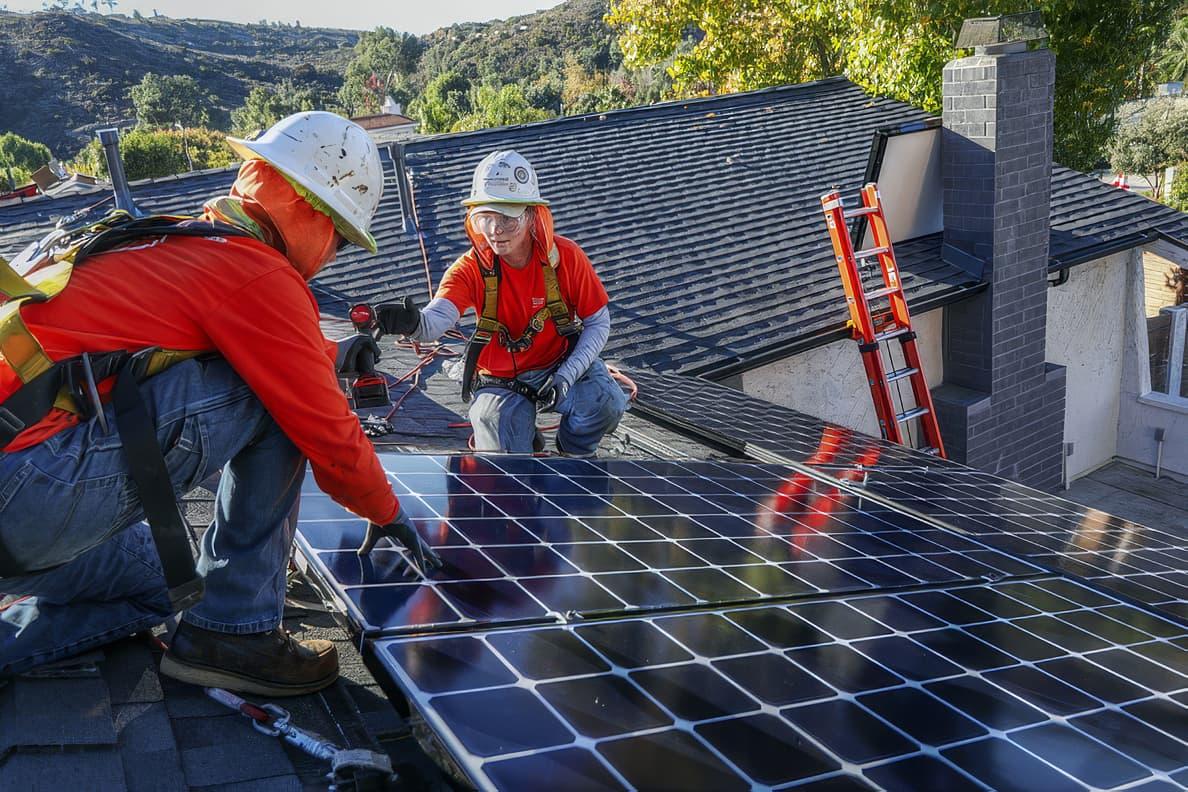
Zook’s business took off, in part, because federal tax credits saved homeowners 30% of the cost of installing solar systems on their roofs. Developers of large-scale solar projects — the kind that can power tens of thousands and even hundreds of thousands of homes — were entitled to similar credits.
With these credits’ help, by 2024, the industry grew with astonishing speed: A mindboggling 81% of all new power installed in the U.S. came from solar panels in 2024. And that year, the industry employed more than a quarter of a million people — many of them people without college degrees — in good-paying, family-supporting jobs.
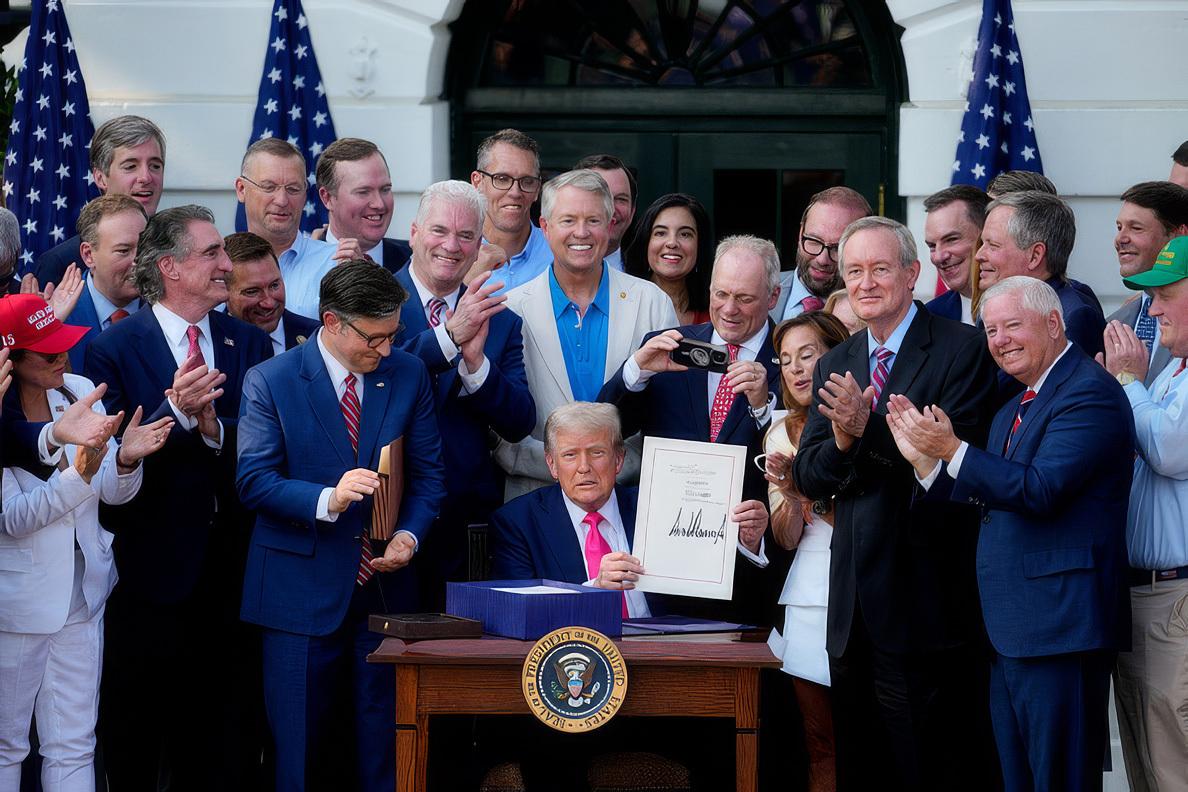
Last summer as part of its ongoing attacks on clean energy, the Trump administration and its allies in Congress took aim at that federal solar tax credit. Their One Big Beautiful Bill Act brought the incentives to a quick halt, with credits for home systems expiring in December and those for large-scale projects phasing out this year and next.
OBBBA caused a lot of anxiety in the industry. What would happen to the crews who were helping homeowners save big on their electric bills and power the nation at a time of unprecedented electricity demand? Predictions were pretty dire.
But Trump administration attempts to kill clean energy — and the jobs that come with it — didn’t count on one thing: Solar energy is cheap.
It is one of the cheapest, fastest-to-build kinds of electrical power, second only to wind power, at a time when both demand for electricity and electricity prices themselves are skyrocketing.
Though statistics on current solar employment remain hard to come by, one thing is for sure: The devastation of the industry that many anticipated last summer has not come to pass. The federal solar tax credits have helped build the industry so that clean solar energy — and the jobs that come with it — often beat fossil fuel energy on price alone.
Environmental news that matters, straight to your inbox
Energy tax credits are an American tradition
Like employment in any industry — and in the fossil fuel industry in particular — jobs in solar are strongly influenced by government tax policy. “Over the course of U.S. history, the federal government has subsidized pretty much all forms of energy in some capacity,” explains David Villagrana, who leads the clean energy tax program at the global nonprofit Environmental Defense Fund.
Special tax exemptions for mining and drilling industries? They’ve been on federal and state books since 1789, when the new U.S. government imposed a steep tariff on British coal. Move forward to the present and taxpayers are underwriting the Trump administration’s plan for “energy dominance” with fossil-fuel subsidies totaling almost $35 billion annually, according to the nonprofit group Oil Change International.
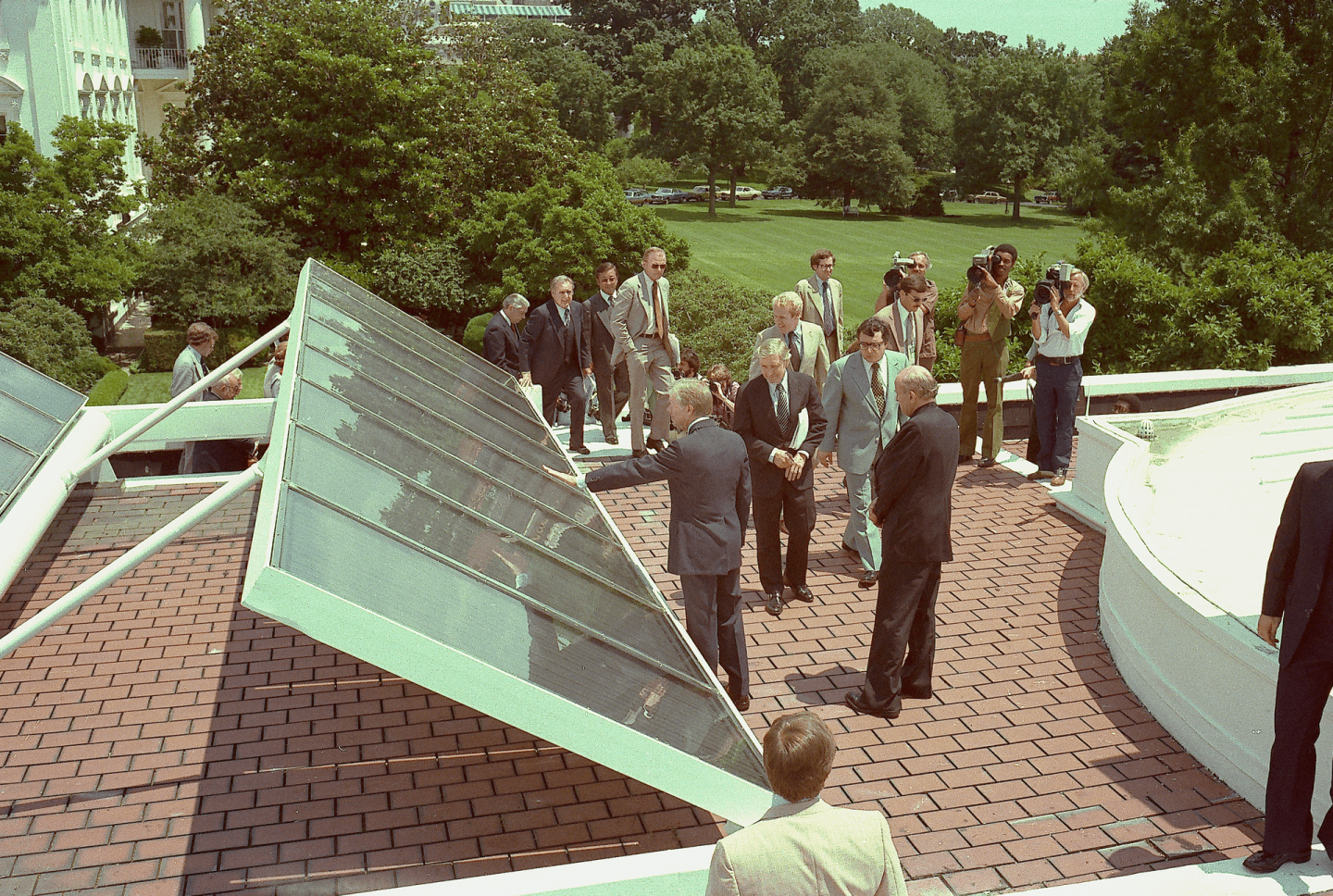
Solar tax credits have a shorter history. They started under President Jimmy Carter in 1978 in the wake of the 1973 oil crisis. At the time, oil-fired power plants cranked out more than 16% of U.S. electricity, and there were only about 600 solar systems in the whole of the country. Carter aimed to jumpstart the industry by enabling solar system owners to take between 10 and 30% of the cost of a new system off their taxes.
Those credits solidified at 30% in 2005 under President George W. Bush, including for commercial- and utility-scale projects.
The economies of scale, investment in new technologies and competition in the marketplace that those credits helped drive have had impressive results. The U.S. now has enough solar to power more than 36.5 million homes. And in 2024, the industry — which was so small in the early part of the century that there are no job figures available — employed more than 280,000 people. In fact, that year, there were more solar workers in the U.S. than physical therapists.
Solar jobs were growing so fast in 2024, the U.S. Department of Labor predicted that “solar photovoltaic installers” would be the second-fastest-growing jobs in the country over the next decade, edged out only by “wind turbine service technicians.”
Solar policies cited in layoffs
Post-OBBBA, there's been some significant disruption in the solar industry.
While there’s no comprehensive list of how many workers have lost their jobs, press and anecdotal reports demonstrate the law’s impact. Between January and April 2026, for instance, the number of new, North Carolina rooftop solar systems installed dropped by more than 65%, according to the North Carolina Sustainable Energy Association.
A national company that makes the frames that holds solar panels in place “had to lay off 24% of their workforce this year,” says Jamie Trowbridge of the nonprofit Footprint Project, who spoke with the company. (The Footprint Project deploys solar in communities impacted by natural disasters.)
In California, Enphase, a manufacturer of inverters that turn the DC power solar panels produce into the AC power people use in their homes, announced layoffs of about 160 jobs shortly after the new year.
Solar installation companies have closed up shop, too. Purelight Power in Oregon declared bankruptcy last December, citing the OBBBA, as did Pine Gate Renewables, one of the biggest national utility-scale solar operators, referencing “legislative and regulatory challenges.”
A June report from EDF and the research group Atlas Public Policy found that 4.7 gigawatts of previously announced large-scale solar projects were cancelled in the first three months of 2026 — enough to power more than 800,000 homes. The jobs that would have come with building out those projects disappeared, too. Since July 2025, when the OBBBA was signed, 3,400 previously announced solar manufacturing jobs have been canceled according to Atlas, which tracks jobs announcements in clean energy.
One of the paradoxes of the OBBBA, though, is that sunsetting tax credits for utility-scale solar projects is actually spurring their buildout as developers sprint to comply with the law’s deadlines. (Large projects needed to have begun construction, which can sometimes take as long as four years, by July 4 of this year or come into service by the end of December next year.) As many as 50 gigawatts of new, large-scale solar projects — enough to power 8.7 million homes — might come online each year between now and 2030, according to several estimates. Atlas’ modeling suggests that could add another 100,000 jobs to the solar workforce.
This sounds like a lot of jobs, but it could have been more, analysts say, especially after 2030, when that rapid buildout is expected to stall due to the OBBBA.
“We won’t be installing as much solar, and employing as many solar workers, over the long term as we might have with the tax credits in place,” says EDF policy analyst Aurora Barone.
Solar jobs in the balance
At a time of rapidly rising demand for electricity, solar and wind power — the target of so much Trump administration ire and obstruction — are the cheapest forms of new electricity in the U.S.
“In most of the country, building new, large-scale solar is often cheaper than building new gas-fired electricity. It can be cheaper than coal, and even when you pair it with battery storage, it’s cheaper than nuclear,” Barone says.
For homeowners, there’s a similar calculus. Faced with skyrocketing electricity costs — up nationally by 18% since January 2025 — they’re learning that a new solar system can save them between $41,000 and $155,000 over the course of 25 years, according to clean energy consultants EnergySage.
- These small-town neighbors teamed up to get discounted solar panels and cut their electric bills
- Order solar panels online. Plug in. Save.
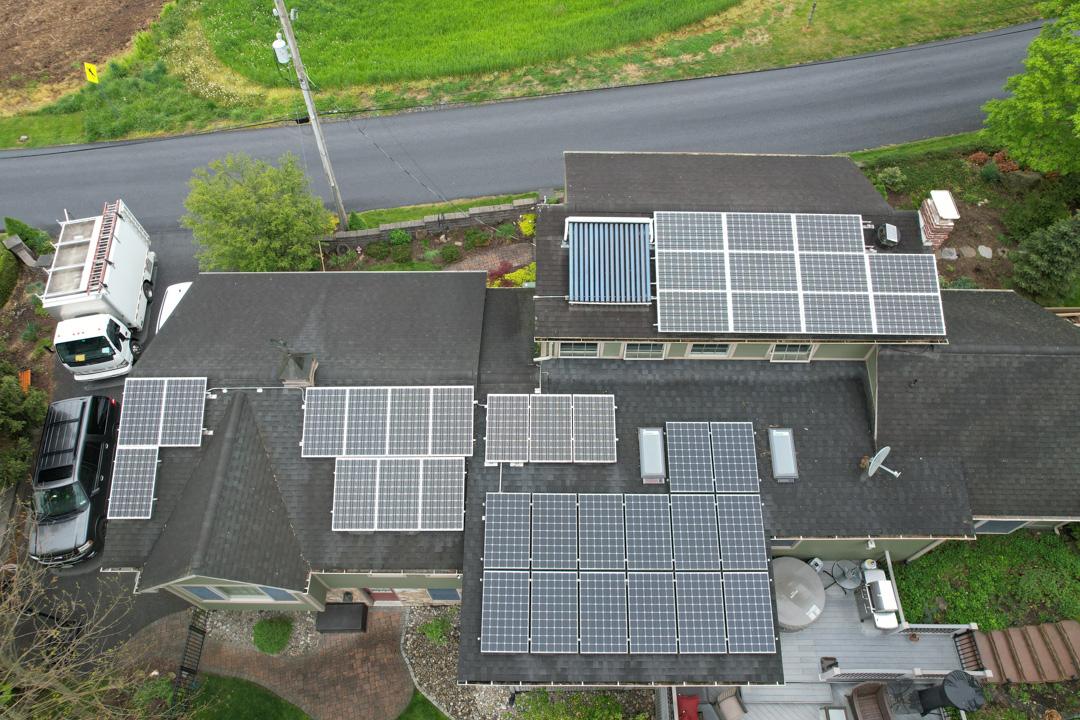
Though Zook found his work dried up for a few months after the federal home solar tax credits ended in late December, these days, he’s plenty busy. Customers want to talk to him about how they can use solar to beat high electric costs in the long term. “Now, we have plenty of work,” he says.
The U.S. Labor Department, for its part, still lists “solar photovoltaic installers” as the country’s second-fastest growing job category.
Could the favorable economics of solar keep these jobs alive, despite the the barrage of Trump administration maneuvers to undercut clean energy?
“These days, the White House is throwing everything it has at blocking clean energy,” says Villagrana. “It’s instituting new tariffs on solar components and undercutting established EPA safeguards — like clean air rules for power plants — that spur solar development.
“But solar offers so many benefits and has so much momentum behind it. What this all means for jobs in the solar industry is continued uncertainty — particularly in the short term.”