
Everything is expensive — and these Trump administration policies aren’t helping
Just 22% of Americans approve of how President Trump is managing the high cost of living for households, according to a June 2026 Reuters/Ipsos poll.
We examined some key Trump administration environmental policies that are proving harmful to peoples’ health and household budgets. Here’s a look at the numbers:
18%
The rise in residential electricity prices in 2025, even though President Trump promised he would cut Americans’ energy bills in half.
While many factors are driving the increase, the administration’s effort to obstruct clean energy isn’t helping, says Ted Kelly, an attorney for the nonprofit Environmental Defense Fund.
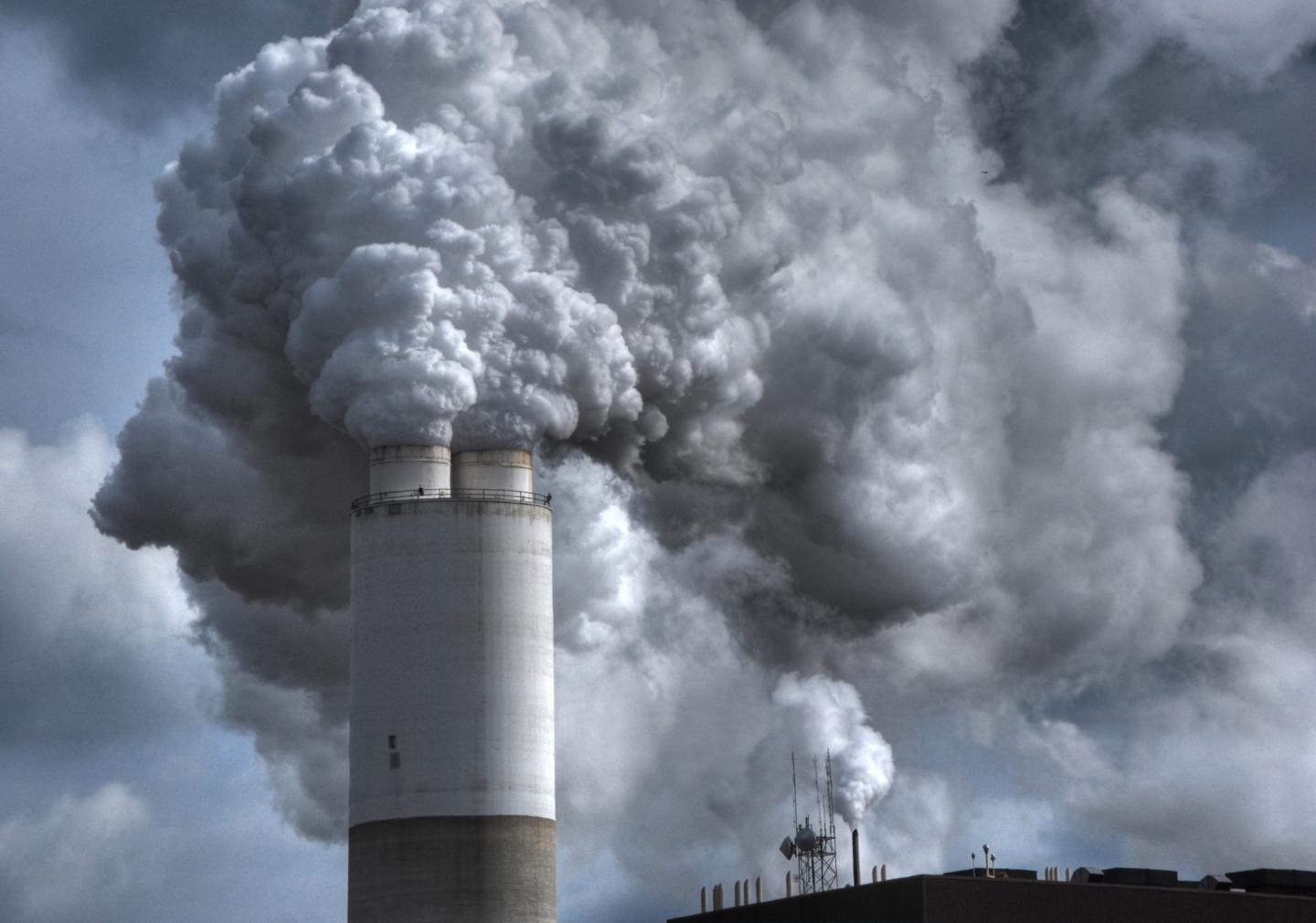
“Right now, when you look at what’s cheapest to put on the grid, it’s solar and wind and battery storage,” says Kelly. “One cause of the high energy bills is this intervention by the Trump administration to block and slow deployment of clean, affordable energy.”
Legal pushback: Last year, a federal judge struck down the Trump administration’s ban on wind energy permitting. Since then, judges have overturned five Trump administration stop-work orders on offshore wind projects already under construction, unleashing clean power for more than 2.5 million homes and businesses.
$259 million
The cost thus far to consumers in the Midwest to keep one coal-fired power plant operating past its retirement date.
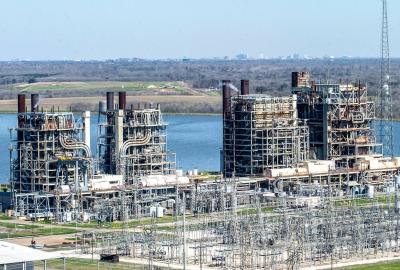
The Trump administration ordered the J.H. Campbell coal plant in Michigan, one of the biggest sources of pollution in the state, to stay open just one week before its long-planned retirement, at a cost of more than $650,000 per day.
The administration has also ordered other coal-fired power plants in Colorado, Indiana and Washington to stay open, derailing carefully laid plans to shutter these expensive, unreliable facilities and move to more affordable energy. EDF experts estimate that the price tag could reach $6 billion if similar orders continue for other U.S. coal-fired power plants scheduled to retire.
What's next: EDF, public interest groups and state officials are suing the U.S. Department of Energy in federal court to stop the extensions.
$35 billion
The drop in clean energy investment in 2025, due in part to Trump administration policies and cuts to clean energy tax credits.
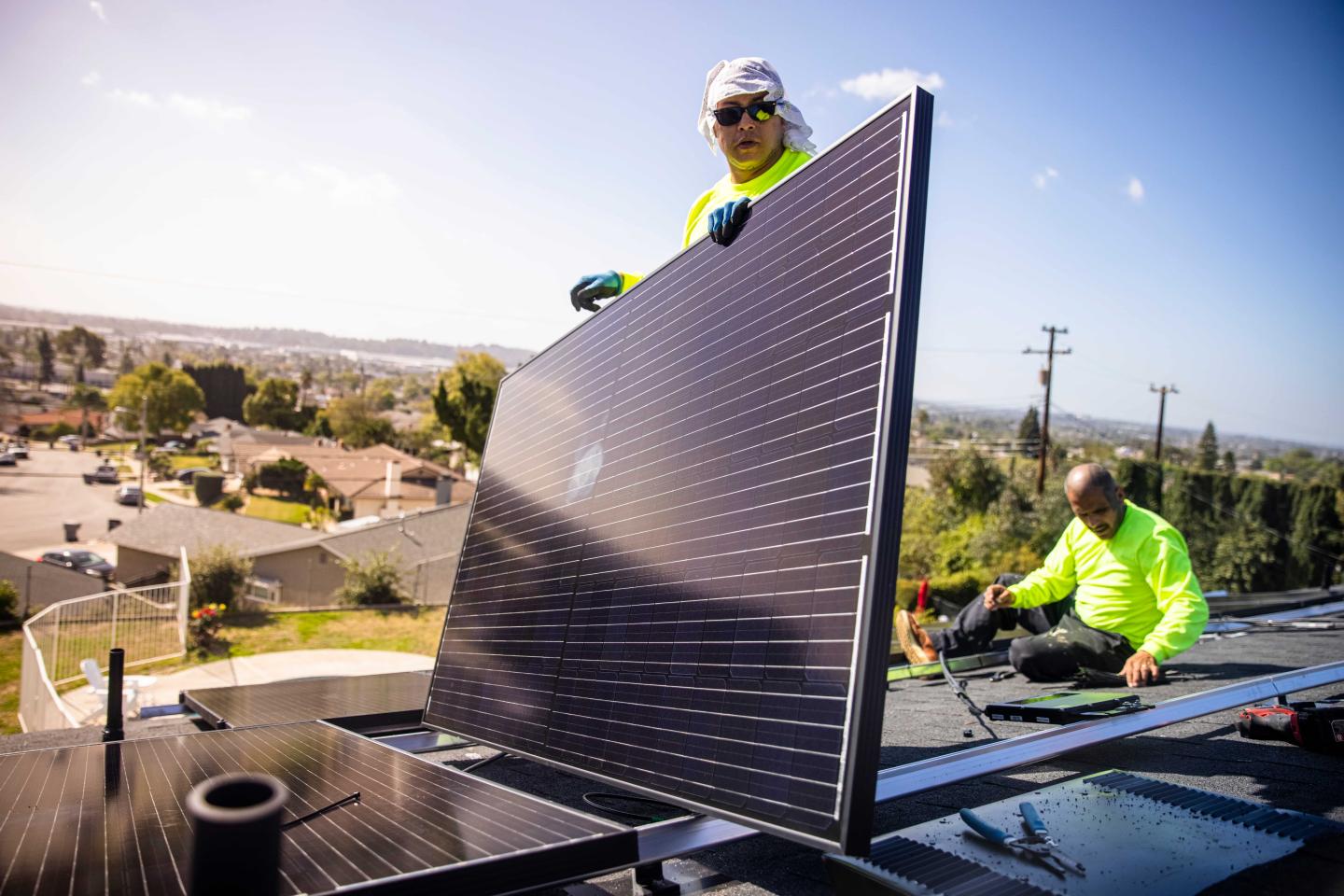
The cancelled investments also erased about 39,000 jobs. Illinois, Michigan and Tennessee all saw large losses.
“Cancelled clean energy manufacturing projects will cause financial hardships for communities across the country, many of which saw investment for the first time in a generation,” said EDF’s Ellen Robo, who analyzes the impacts of clean air policies.
Legal pushback: In January, a court ruled that the Trump administration’s cancellation of $7.5 billion in funding for clean energy, grid improvement and energy efficiency projects — only in states that did not vote for President Trump — was illegal.
Environmental news that matters, straight to your inbox
33,000 - 77,000
The estimated increase in unnecessary, early deaths over the next 30 years because the administration repealed the Endangerment Finding.
The Endangerment Finding underpins federal authority to regulate climate pollution and supports critical clean air safeguards. According to EDF experts, the increased smog and soot-forming pollution likely to result from the repeal will also contribute an additional 122,000 hospital and emergency room visits.
Legal pushback: A federal judge ruled that the Trump administration violated the law when it secretly convened a group of five climate deniers to produce a hasty, unscientific government report casting doubt on the science behind the Endangerment Finding.
547+
The number of facilities invited to apply for "presidential exemptions" to pollute more by the Trump administration.
By simply applying for a "presidential exemption" via email, hundreds of major polluters are circumventing rules on air pollution, despite the health consequences for local communities. About 2 million people live near one of these facilities. (Check this map to see if there’s one near you.)
What's next: A coalition of environmental and community groups have filed a lawsuit against the Trump administration. “President Trump’s callous and dangerous actions let some of the country’s worst industrial polluters evade compliance with the safeguards that protect Americans from toxic air pollution,” says EDF General Counsel Vickie Patton.
91%
The percentage of U.S. wetlands that would lose Clean Water Act protections under a Trump EPA proposal.
Wetlands are valuable ecosystems that provide water filtration, flood protection and wildlife habitat, but the EPA has proposed removing protection from the vast majority of all the wetlands in the continental United States. The new rule would not only put these ecosystems at risk — it could also put people in harm’s way by allowing for paving and development in flood-prone areas. As climate change increases the risk of flooding across the country, and home insurance prices are already unaffordable for some, losing wetlands could be an expensive proposition.
What's next: The EPA is expected to announce its final rule later this year. In the meantime, you can show your support for our nation’s wetlands.