
Good climate news: September 2026
Fighting for the planet isn’t easy. These wins prove it’s worth it.
Some EDAM good news
A nerdy, economics-driven solution to skyrocketing electricity prices is already bearing fruit in the western U.S., saving consumers $11.38 million on energy costs over its first two months of operations. The new, Extended Day-Ahead Market — EDAM — allows 38 power authorities in 11 Western states to plan together how best to use electricity in the region, helping them take better advantage of the West’s abundant, cheap clean energy resources.
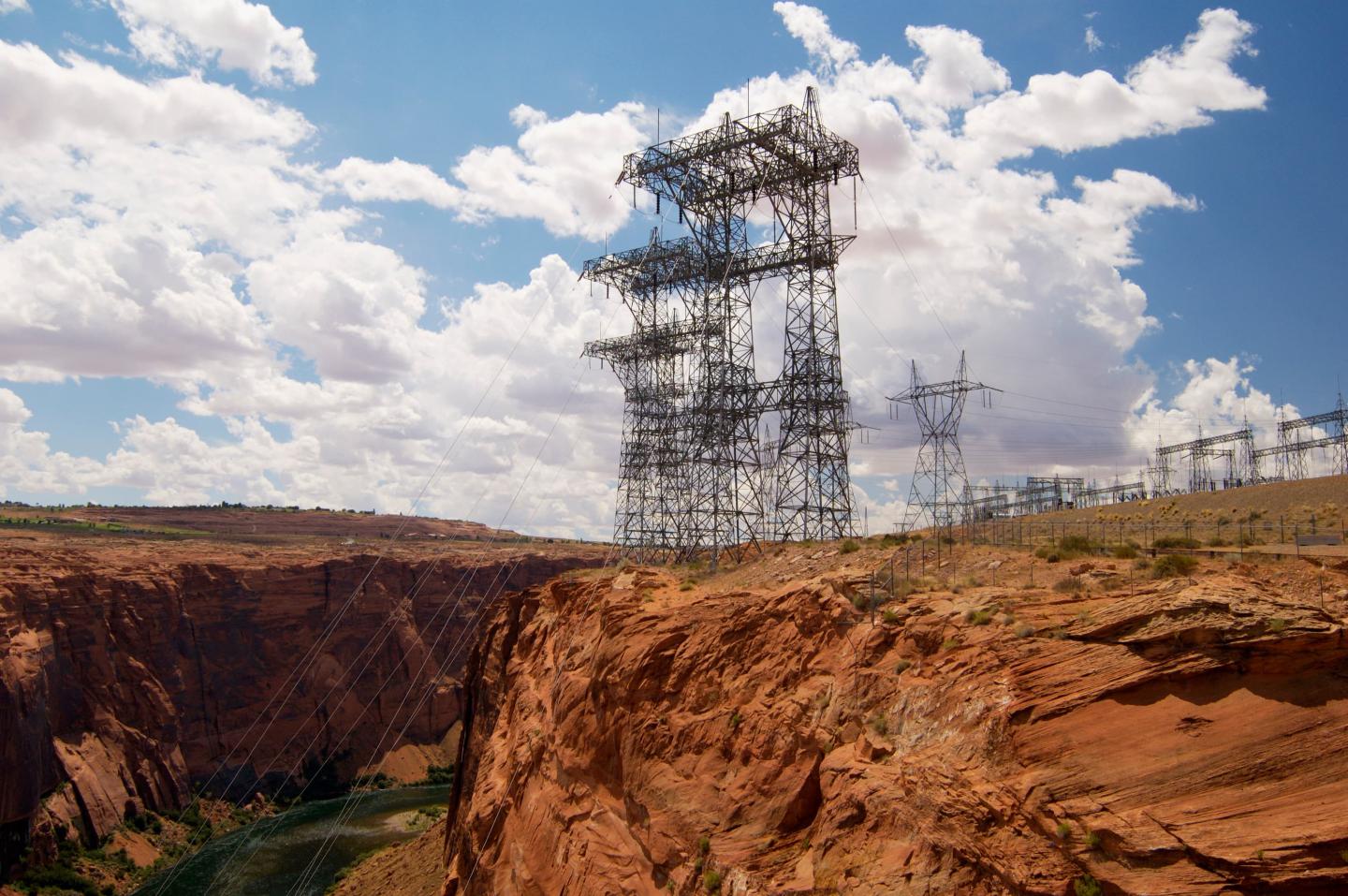
If every power authority in the West joined EDAM, consumers could save as much as $1.2 billion a year and cut as much climate pollution from power plants as 630,000 cars produce annually.
Support for the market is growing, with Montana utility BHE Montana announcing in August that it will join EDAM, making it the eighth power authority to opt in.
Part of the market’s geeky beauty is the way changes behind the scenes bring about money and pollution savings without any inconvenience to customers, says Michael Colvin, who heads California energy policy at the global nonprofit Environmental Defense Fund. “You’ll still be able to charge your iPhone whenever you want to charge it,” he says. “The only difference is that the financial savings that comes with this market is really money back in your pocket.”
Sweet news about solar power
Solar power is having big wins across the Northeastern U.S.

A farm in Massachusetts installed 832 solar panels over some berry fields, while leaving others in direct sunlight. Once harvested, the shaded berries were sweeter and juicier than their direct-sunlight counterparts, according to researchers. While shading crops might seem counterintuitive, the partial shade kept soil temperatures cooler, allowed soil to retain more moisture and lowered the heat stress from direct sunlight.
Meanwhile, just down the seaboard in New Jersey, 16 similar agrivoltaic projects have been approved for use on farms. Under the Dual-Use Solar Energy Act of 2021, these projects aim to produce clean energy and food on the same parcels of land.
Clean energy and yummier food: Two great things that go great together.
Heat pumps save cheesemaker some serious cheddar

After the world's oldest cheddar-maker installed heat pumps on its dairy farm in Somerset, England, Barber's Farmhouse Cheesemakers cut its electricity usage in half, saving $94,000 a year.
Heat pumps transfer heat from one place to another, making them ultraefficient ways to heat and cool everything from homes to industrial products. At Barber’s, heat pumps quickly extract excess heat from the fresh milk and simultaneously use that to warm the water used in milking.
Heat pumps can be used in other kinds of food manufacturing processes, too, helping cut electricity use, pollution and costs. Those are reasons to smile without even needing to say “cheese.”
Cute animal photo alert
The Wildlife Photographer of the Year competition is on, and the photos are stunning.
London's Natural History Museum has run the contest celebrating nature and wildlife for the last 62 years and 2026 saw a record 65,000 entries in categories like birds, animals in their environments, reptiles and more.
Starting Oct. 16 and running until July 2027, 100 winning images will be on display at the museum. Grand title winners will be announced on Oct. 13.
And while we don't have a vote, we do have some favorites.


(Audun Rikardsen)
(Ernest Porter)
(Jens Cullmann)