
These small-town neighbors teamed up to get discounted solar panels and cut their electric bills
When Jim Resh retired from the USDA’s conservation department in 2017, he moved with his wife to a 4,000 square-foot Victorian home in the heart of Indiana, Pennsylvania, a town of 14,000.
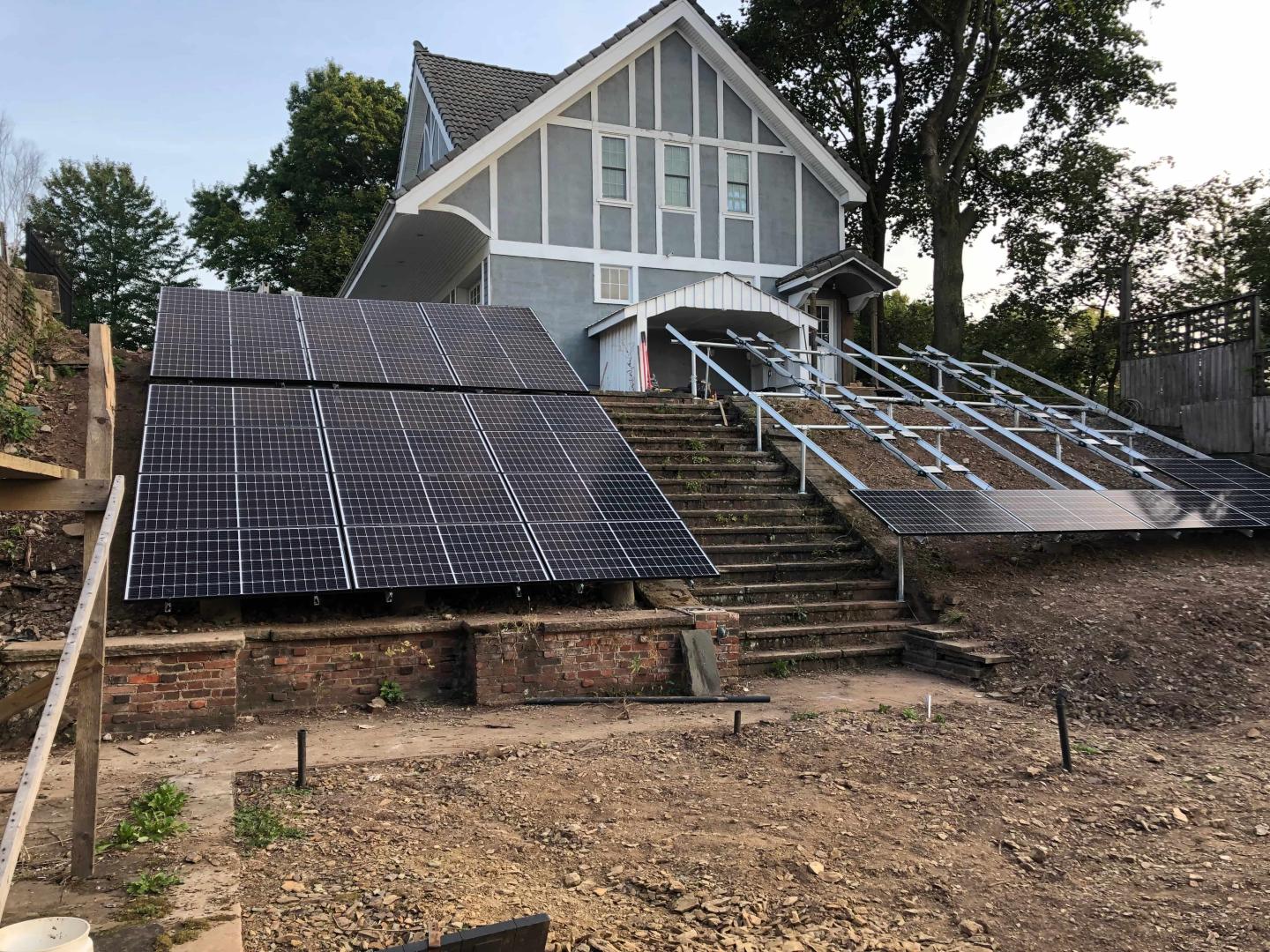
The beautiful old house was spacious, but the electric bill was high back in 2017 — about $300 some months, Resh recalled.
Since then, electric bills in Pennsylvania have risen by more than 46%, driven in part by the rising price of natural gas.
But Resh, instead of shelling out $450 every month now for electricity, isn’t paying anything.
“I don’t have an electric bill at all,” he said.
In fact, sometimes he even gets money back from the power company, thanks to the solar panels in his backyard that can send extra kilowatts back to the grid. The panels also fuel his two electric cars, so he has avoided skyrocketing gasoline prices.
“It’s hard to believe,” Resh marveled. “The sun just shines on these things, and they make energy.”
Neighborhood solar co-ops save money
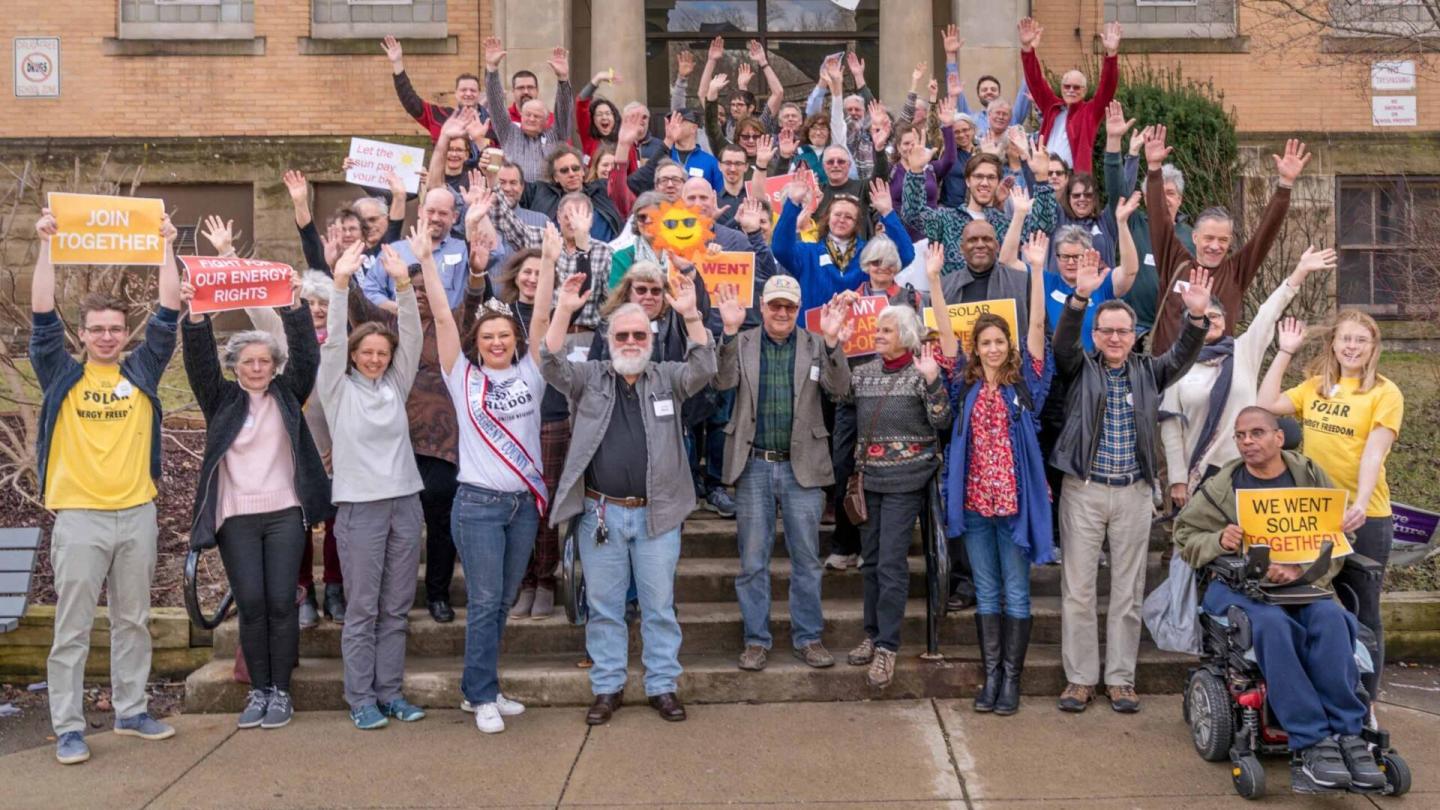
Resh is one of thousands of homeowners across the country who have found discounts by purchasing rooftop or backyard solar panels in a group with their neighbors — an arrangement that Solar United Neighbors (SUN), a national nonprofit, calls a neighborhood solar co-op. Co-op members can negotiate lower prices since installers will be putting solar panels on many homes in an area at once.
SUN organizes and advises the neighborhood co-ops in 18 states. SUN helps each group choose a vetted installer through competitive bids and also advises and supports homeowners throughout the process.
While SUN is the largest convenor of solar co-ops nationwide, there are regional initiatives — such as the Midwest Renewable Energy Association’s Grow Solar program — facilitating similar group buys.
Today, over 12,000 homeowners in nearly 500 neighborhood solar co-ops organized by SUN have purchased rooftop or backyard solar panels — representing collective lifetime savings of more than $547 million, according to the group’s website.
Environmental news that matters, straight to your inbox
In Pennsylvania, solar savings top $78,000
In places like Pennsylvania, where the grid is mostly powered by increasingly expensive natural gas, the solar savings are especially valuable.
“For the average solar co-op member in Pennsylvania, a 10 kilowatt solar installation would cost $26,500 all-in — including labor, permits, etc. That system would save the solar owner roughly $2,300 the first year,” said Monica Carey, SUN’s Pennsylvania program director.
“After 25 years, that same system will have saved the owner over $78,000,” Carey estimated, “ultimately saving about three times the cost of installation.”
Valuable savings as electric bills rise
Across the country, electricity rates are projected to continue rising, fueled in part by increasing demands from data centers and manufacturing, Trump administration policies blocking the cheapest and fastest new sources of energy — power plants fueled by wind and sun — and more extreme weather, driven by rising global temperatures.
Few people are feeling the pinch more than residents of Indiana, whose average household electricity expenses increased by more than 16% in 2025, higher than any other state. There’s little relief in sight: Indiana’s electric rates are projected to keep rising, thanks to the costs incurred by aging coal plants that the Trump administration forced to reopen or stay online past their retirement dates. Keeping these plants open costs nearly $200,000 per day, an expense that will likely be passed on to customers.
- Aging coal power plants, forced to stay open by Trump administration, are costing consumers millions
Members of Indiana’s neighborhood solar co-ops, however, have only seen their energy costs go down — and they’re touting the benefits to fellow Hoosiers.
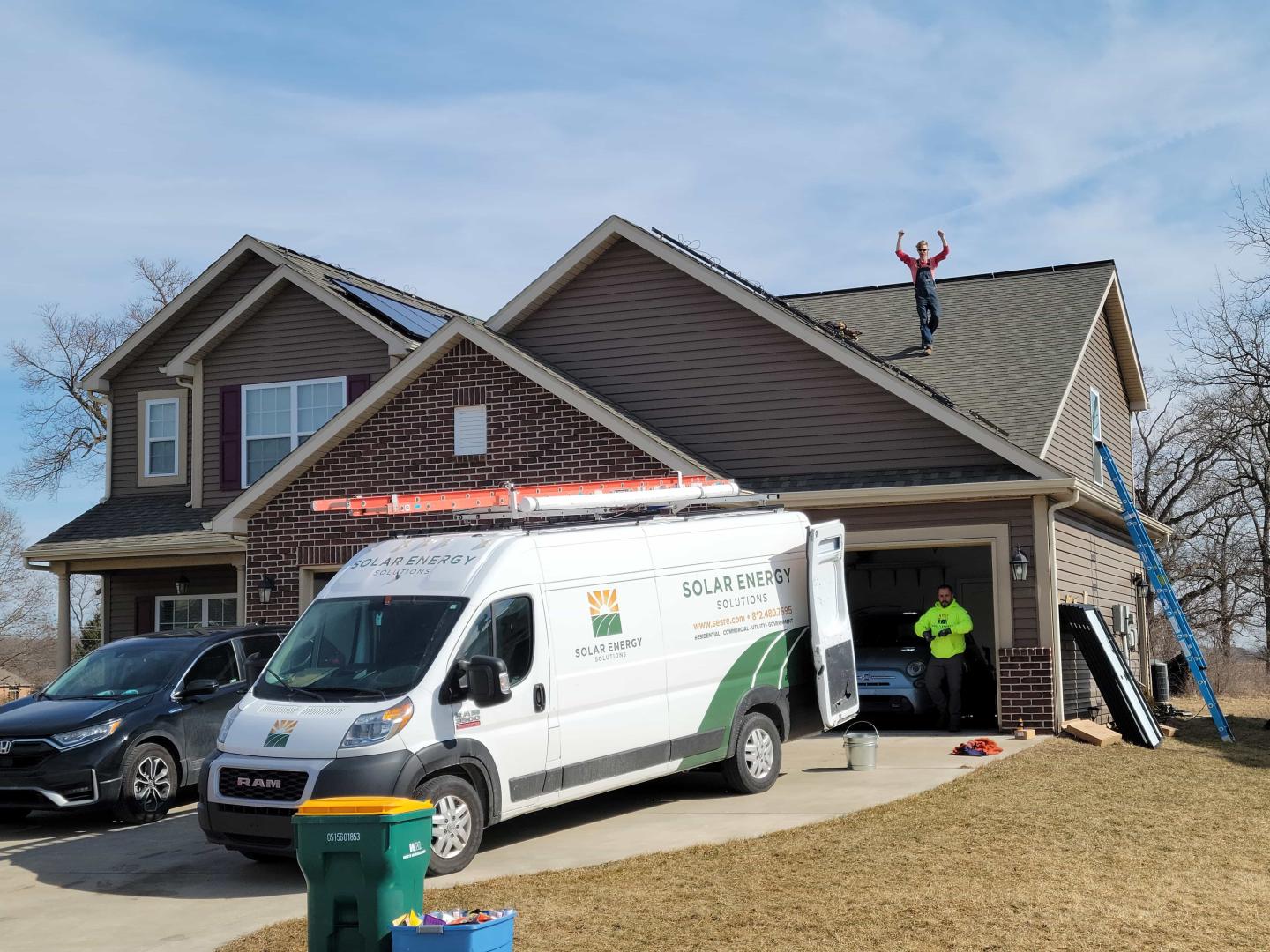
After joining a co-op and installing solar panels on his roof four years ago, Ben Davis, an IT consultant in Lafayette, Indiana, saw his average electric bill drop by about 50% and expects to pay off his system in about 10 years. The lower upfront cost helped him make the decision to move forward with solar. “You're going to get a little bit of a discount because you're going in with a group buy,” Davis explained.
Josh Kikta, an IT manager and solar co-op member in rural Cicero, Indiana, says that he only pays about $14 a month for electricity. He is legacied into a cost savings system — called “net metering” — that Indiana lawmakers effectively eliminated several years ago. (When Kikta’s power company winds that program down, he still will see considerable savings during the sunny spring and summer months.)
Beyond the cost savings, Kikta said purchasing solar through a co-op helped him feel more secure about the purchase. "You had a whole team of people to help you talk to solar vendors and figure out who was the best one,” Kikta said.
Leaving deadly soot pollution behind
In the heart of Pennsylvania’s coal country, Resh finds it especially meaningful to rely on a clean, independent source of energy.
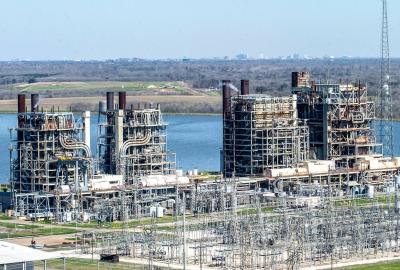
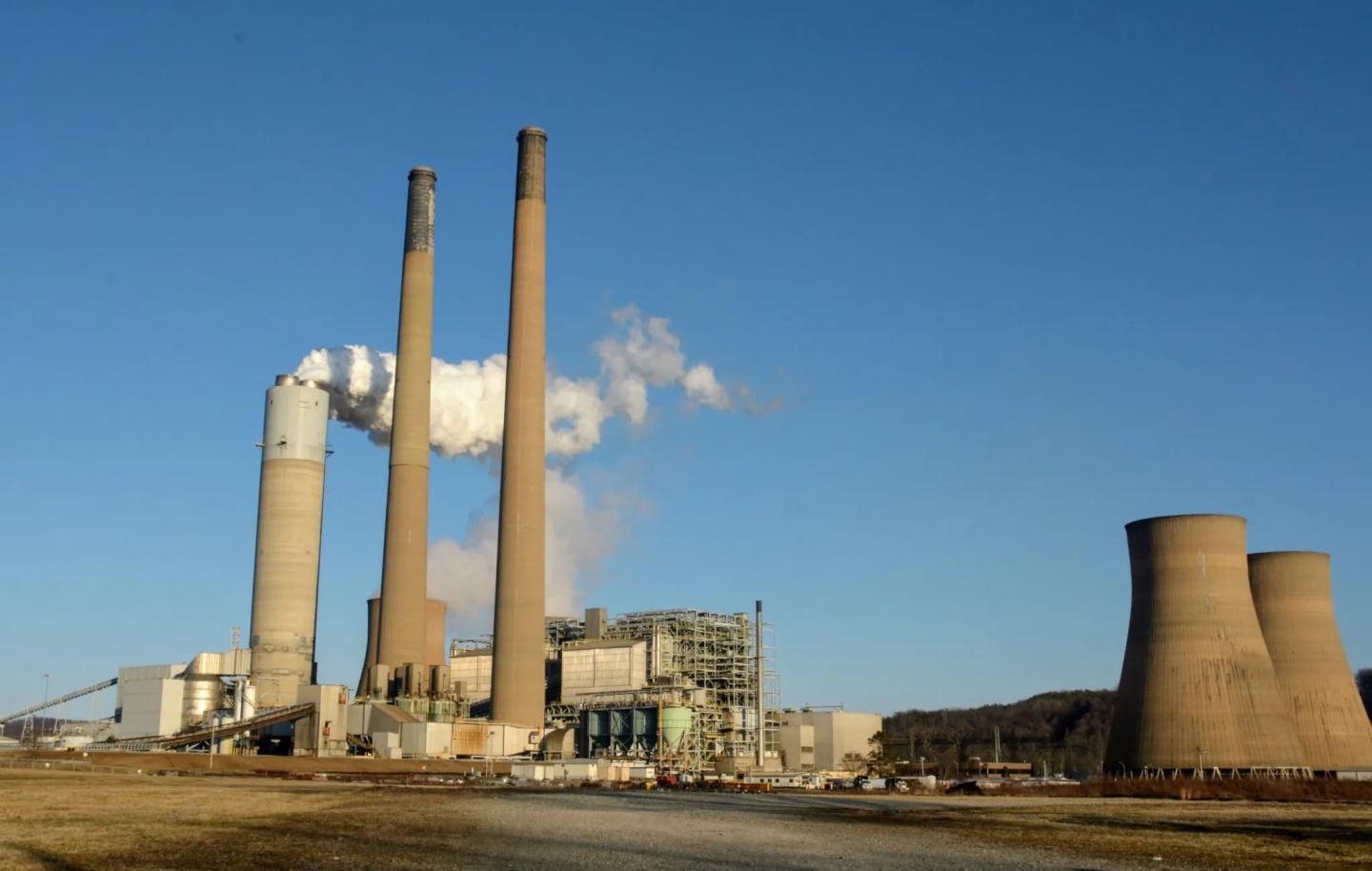
The towering smokestacks of four coal plants were once a defining feature of his small town. A resident for over forty years, Resh recalled that clothing hanging on a backyard line would often be coated with a fine layer of black soot, until plant operators installed pollution-scrubbing technology in the early 2000s. Researchers estimated these power plants once contributed to about 1,200 deaths annually.
That’s an era of pollution that people don’t miss. Yet the Trump administration appears to be turning back the clock. This spring, the administration praised an agreement to keep the region's remaining coal-fired power plants open through 2032, both of which have flouted federal pollution rules and were slated to close in 2028.
“While Pennsylvanians overwhelmingly demand clean, affordable power like solar, the Trump administration is reviving toxic, polluting coal-fired power plants and rolling back pollution protections, hurting people’s health as well as their wallets,” said Peter Daigle, who works in Pennsylvania and Virginia on clean energy advocacy for Environmental Defense Fund. The nonprofit is challenging multiple harmful Trump administration orders in court.
Resh takes heart not only in power from the sun being free and clean — it has also brought him closer to his neighbors, many of whom he got to know better through solar co-op meetings. Some of the people he ran into at those meetings surprised him, Resh said.
“I met one guy; he used to be the general manager at a coal-fired power plant!” Resh chuckled. “He retired — and put solar panels up.”