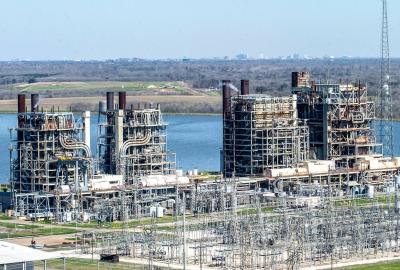

Vineyards get help from outer space
Satellite data is helping small vineyards in Texas manage irrigation. Called OpenET, this high-tech, free platform could help growers anywhere face water challenges.
Spanish grapes are thriving close to the banks of Lake Ray Roberts, just about an hour’s drive north of Dallas, Texas. Christopher McIntosh, winemaker and co-owner of Edge of the Lake Vineyard, jokes that he has tricked the Grenache, Tempranillo and Albariño into thinking they’re in the Mediterranean.
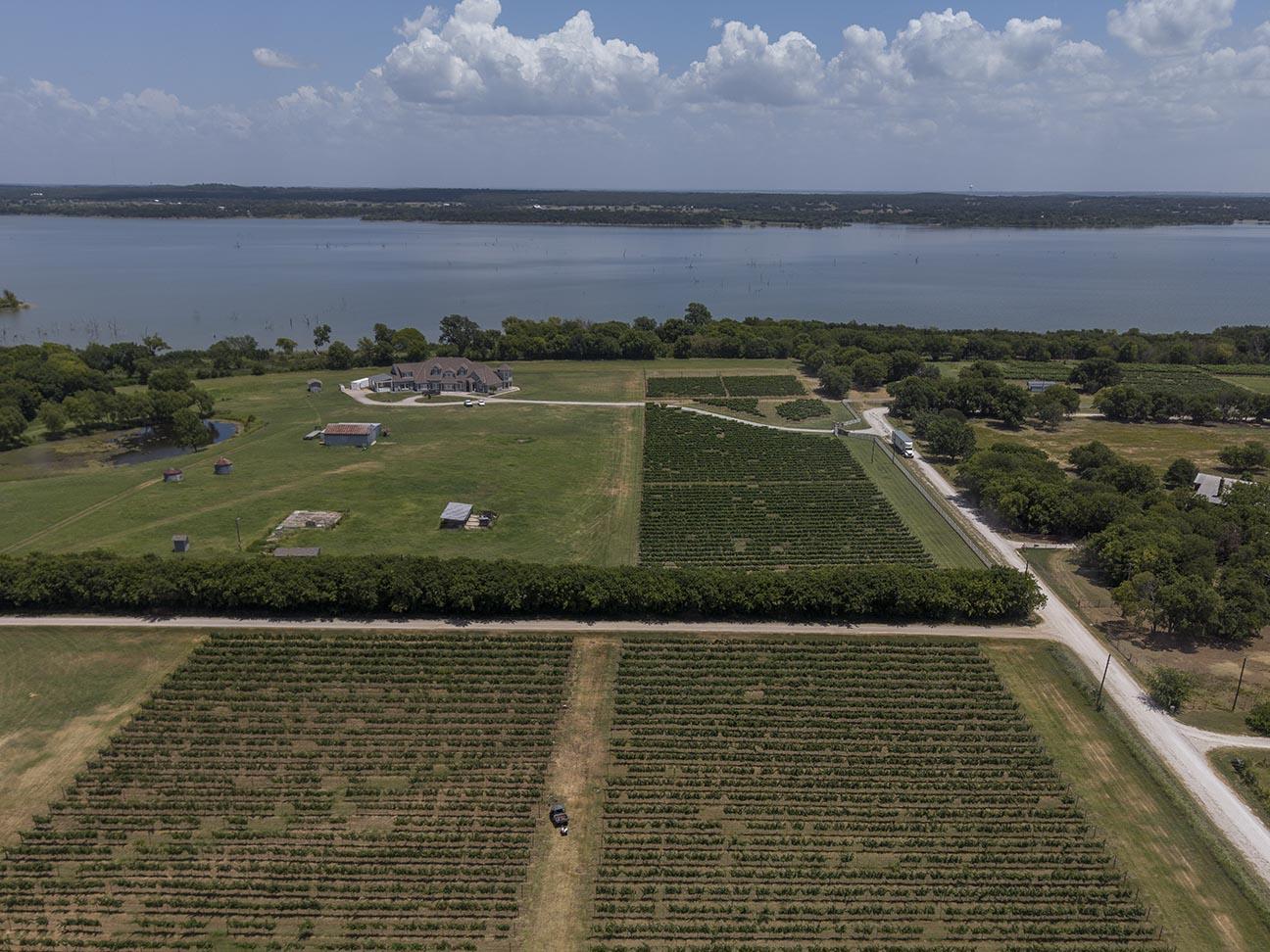
The ruse isn’t so far-fetched. With good, well-drained soil, a moderate winter and a lakefront location, this family-owned and -operated vineyard has some of the features that make winemaking ideal. But it doesn’t come without its challenges.
McIntosh, like all 617 wine producers across Texas, must adapt to the whims of wild Texas weather and carefully irrigate his vines. In the Hill Country, producers must adapt to severe drought and flash flooding, sometimes in the same growing season. Here in North Texas, McIntosh may have a wet spring and then long, hot summer that drags on for months without a drop of rain.
Edge of the Lake is one of three commercial vineyards in Texas involved in a groundbreaking irrigation research trial, tracking how much water is moving from the ground and grape leaves into the air. The resulting measure of water movement can help growers like McIntosh better determine when and how much they need to irrigate their vines. The groundbreaking part? The researchers are able to get this hyperlocal information on daily fluctuations in water vapor for free — from satellites in space.
Environmental news that matters, straight to your inbox
Bringing the latest science to the vines
Michael Cook, a viniculture program specialist with Texas A&M’s AgriLife Extension Service and PhD student in horticultural sciences, works with 120 grape growers and winemakers across 55 counties in North Texas — one of eight officially designated Texas viniculture regions. The local wine industry is young and consists of primarily small, family-run businesses, but contributes more than $24 billion to the state’s economy.
Because Cook lives just up the road from Edge of the Lake, he is a frequent fixture in their 15 acres of grapevines.
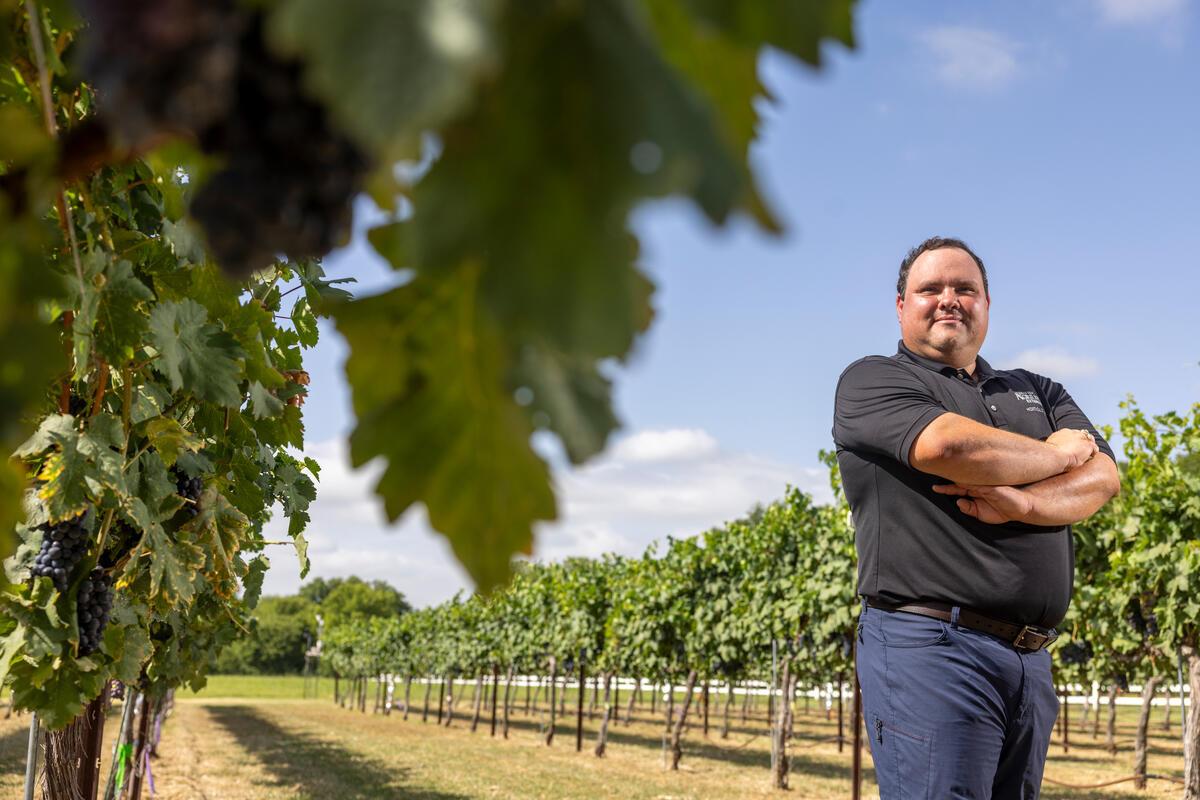
“We get a fair amount of rainfall during the growing season, but when does it fall? Who knows?” says Cook. “We may get 10 inches in one day and then nothing for two months.”
Cook is one of the researchers testing OpenET, a free, web-based platform that combines satellite imagery with weather data to measure water use from the level of an individual field to the contiguous United States.
Working with three commercial vineyards in the High Plains, Hill Country and North Texas, Cook is testing how OpenET can help vineyards better understand how much water grapevines use under different irrigation practices. Researchers are also looking at other factors, such as soil moisture and grapevine performance, to better understand how to grow the best grapevines while doing more with less water, all while ensuring resiliency and long-term health.
“There’s still a lot to learn, but what we’ve seen so far is that OpenET data — especially paired with ground-based data — can help wine producers in Texas make more informed decisions about how to use and manage water supplies,” says Garshaw Amidi-Abraham of Environmental Defense Fund, a global, science-based nonprofit.
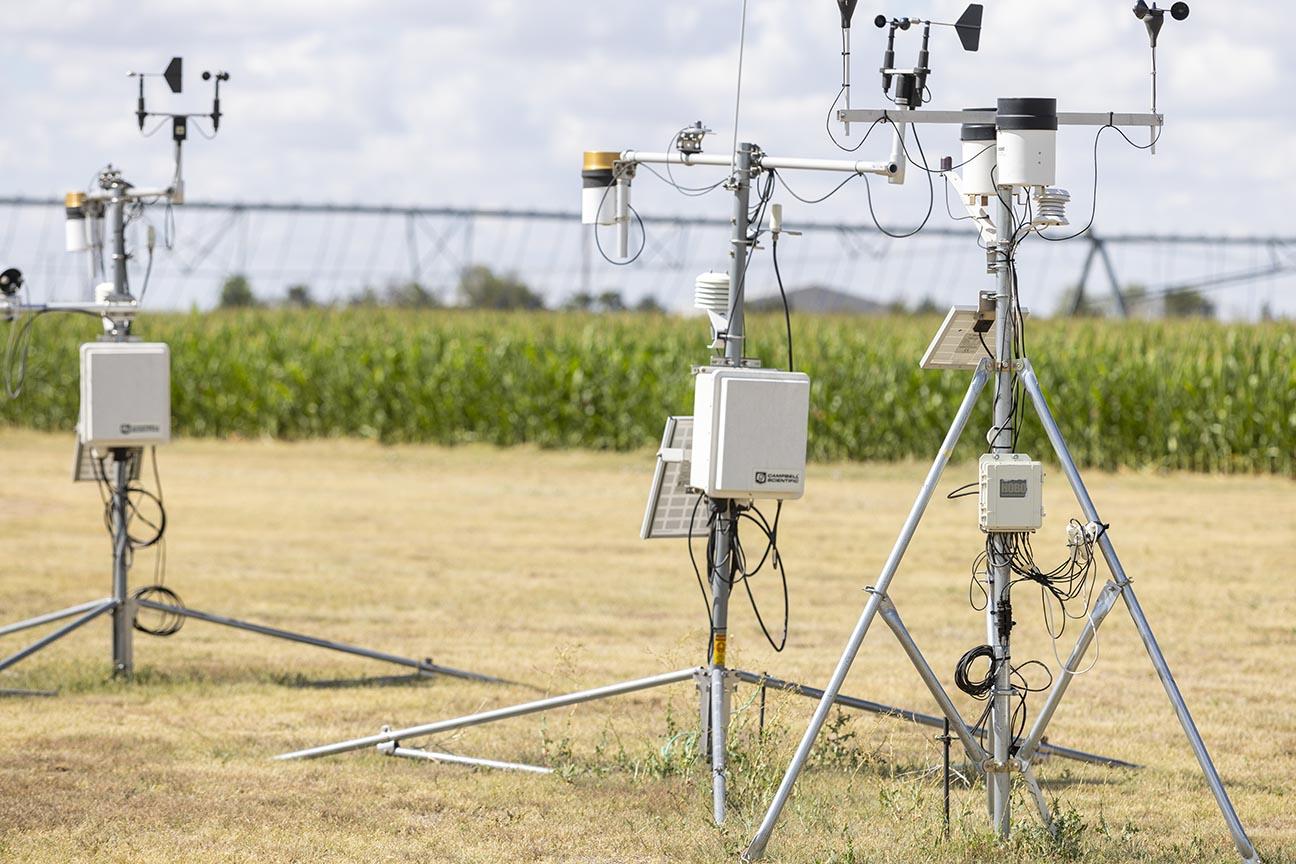
EDF is a core partner in the OpenET consortium — which includes NASA and the U.S. Geological Survey — and is piloting the platform with partners in several states, including Texas.
This type of technology is new for growers in the region, says Cook. He co-authored a study based on interviews with 32 winegrowers across the state, which found that 75% do not rely on technology or data to decide when to begin irrigating their vines, how long to water them or how much water to apply. Some relied on sight and weather observations, recommendations from vineyard consultants or had no set scheduling whatsoever.
“This is a great opportunity for us in Extension to get the word out to our growers about the technologies that are available, and to also conduct research in the field that can paint a picture of what irrigation could look like in a vineyard to maximize quality and yield,” Cook says.
OpenET also presents an opportunity to help growers in more arid parts of the state make the best use of a rapidly depleting resource, he notes. About 80% of agriculture water in Texas comes from groundwater — water that has collected over centuries in underground aquifers. An increasing demand from a rapidly growing population, expanding agriculture, energy and industrial development, and a changing climate are putting a strain on this valuable resource.
The right balance for the best wine
McIntosh hopes OpenET will make watering decisions easier by showing how much water reaches the vines, how much evaporates and how much is lost as runoff.
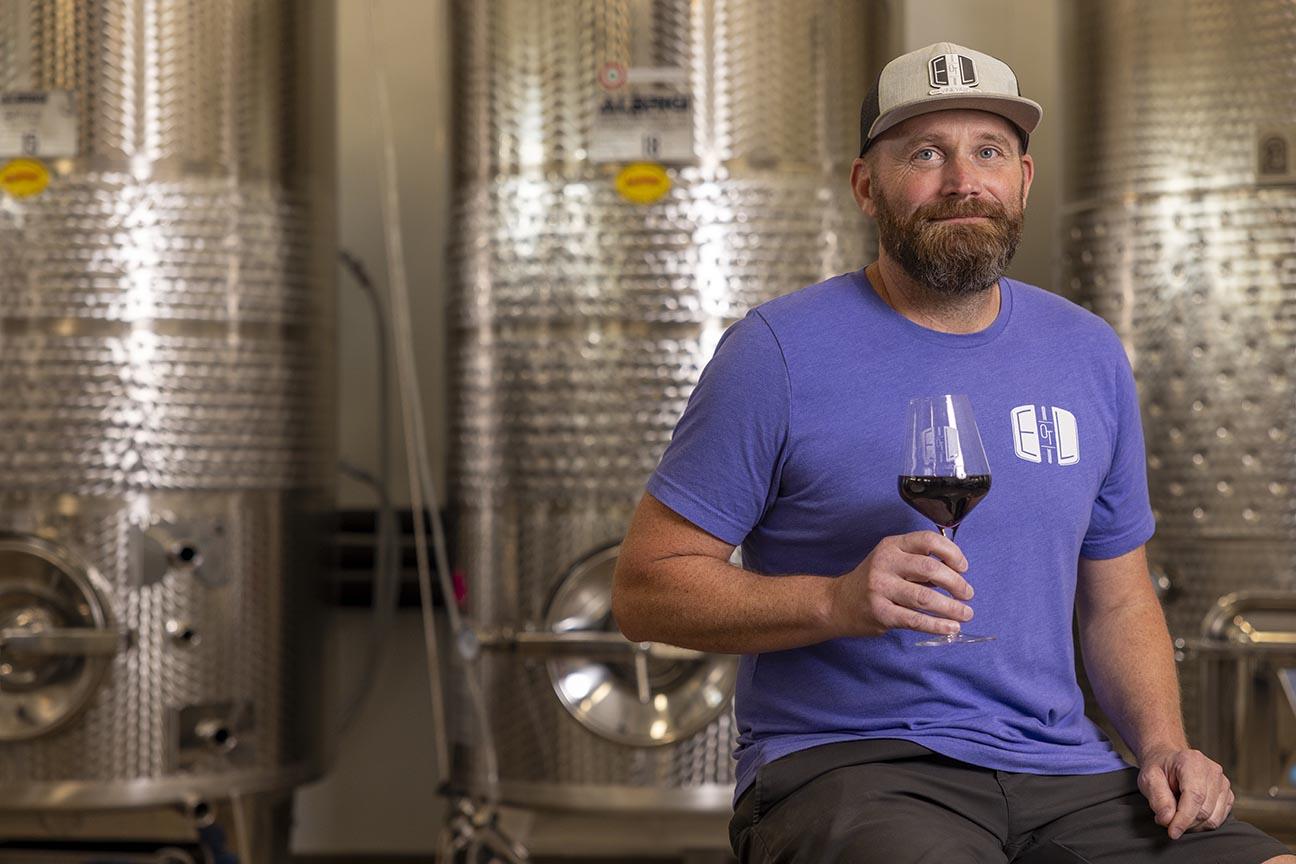
Water can have a tremendous impact on the quality of grapes, and subsequently the wine itself. Full, beautiful berries do not necessarily produce the best wine, McIntosh says, “because that can dilute the phenolic compounds in the wine.” He focuses on trying to find a balance between depriving them of water to get a higher concentration of fruit, while not overloading it with too much acid, heavy tannins or too much sugar. “Unfortunately, with the Texas heat, once we get behind on watering, there’s almost no catching up,” McIntosh says.
Easily accessible satellite data could take the guesswork out of the delicate balancing act and help maximize the wine’s potential. It could also help reduce demands on labor, which is critical, as the industry is facing a shortage. For McIntosh, some of that labor currently includes family. His father purchased the land — a former pig farm — in the 1990s and started planting the vines in 2010. McIntosh’s wife, daughter and other family members work in the tasting room.
Now a leader in the regional growers’ association, McIntosh sees OpenET as a way to help his business — and other winegrowing operations across the state — succeed. He says the platform could offer insights they can all use to their advantage. “None of us are in competition,” he says. “We're all working this new venture together, and we want to see everybody succeed, so the whole industry succeeds.”
OpenET's value extends well beyond winegrowing in Texas, says Maurice Hall, a senior advisor to EDF's Water Program and a board member of OpenET. The OpenET platform expanded last year to cover the 48 contiguous U.S. states, making the tool available to growers from coast to coast.
“As storms and droughts become more extreme and conditions of water stress march eastward, OpenET will become an increasingly important tool to ensure that agricultural production can continue,” says Hall. “When water use is in balance with available water supplies, that means it can continue for generations.”