
Order solar panels online. Plug in. Save.
A growing number of states are authorizing the use of inexpensive plug-in solar panels people can hang on balconies and back fences. Fire escapes, too.
Can installing solar panels really be a DIY project? Outside Pensacola, Florida, Eric Henley got his up and running in an afternoon and is now saving about $50 a month on his electric bill.
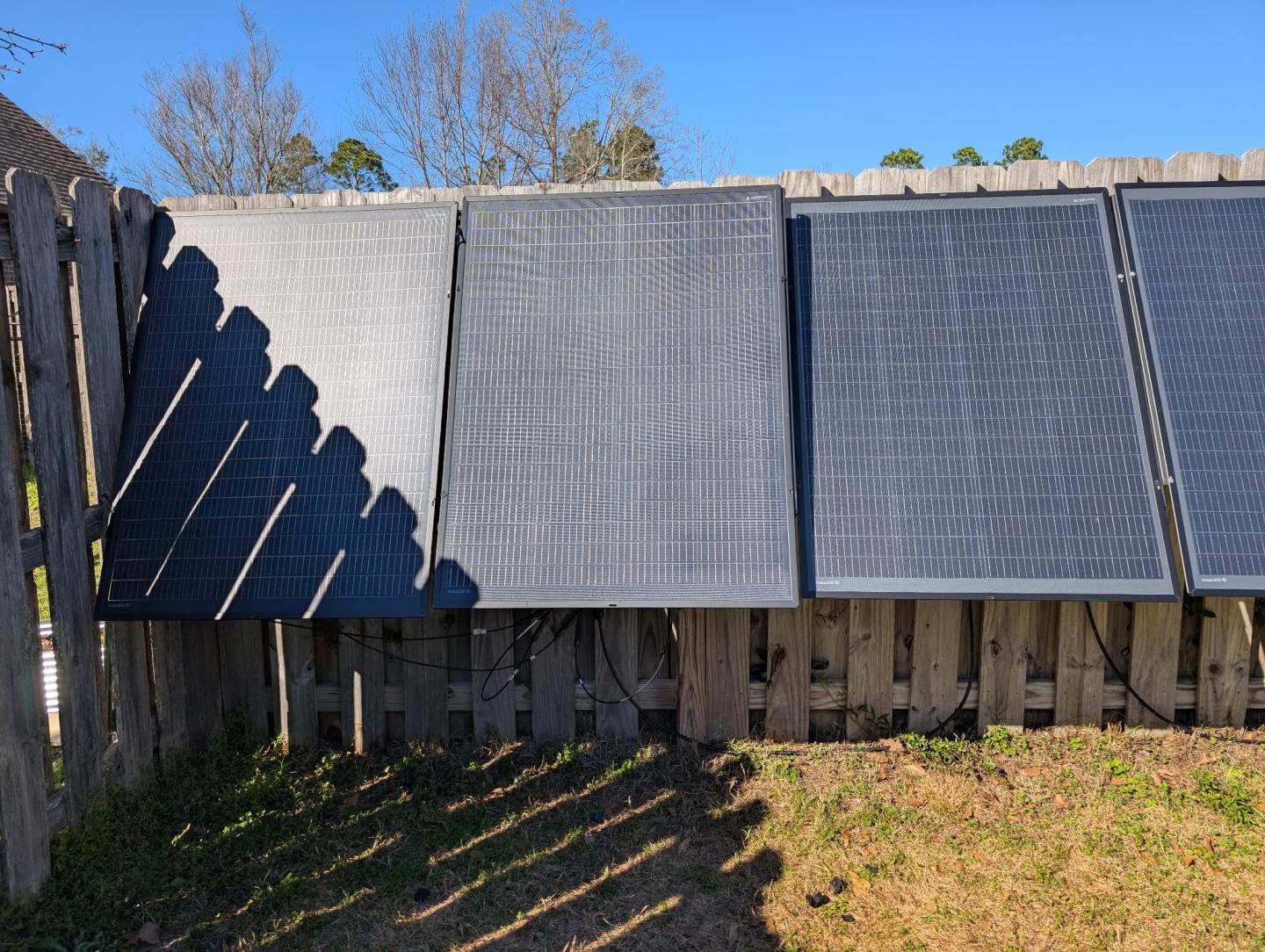
“I had the lowest electric bill in May that I have had since I moved here over three years ago,” Henley says.
Call it “plug-in” or “balcony” solar. Made up of just a few, easily connected panels, these small systems — usually capable of powering a TV, a fridge and a few other appliances but not a whole home — don’t require professional installers. They don’t require building permits or utility interconnection agreements either — the kind of things that can make getting rooftop solar a time-consuming and expensive endeavor in the U.S.
Plug-in panels turn sunshine into electricity using the same photovoltaic process that rooftop panels do. But because they’re less powerful than larger rooftop systems, rather than routing the electricity through a breaker box, with a plug-in system, you send the electricity through a regular outlet. And because electric lines inside American homes can safely incorporate the amount of electricity a plug-in system can produce, they won’t blow your breakers or fuses.
Across the country, these small solar power systems are gaining popularity fast. Plug-in solar is now officially authorized in eight states. Twenty-six more have legislation waiting on governors’ desks or bills working their way through state houses. (Technically, plug-in solar is not illegal anywhere in the U.S.)
Utah was the first state to authorize plug-in solar in March 2025, with near-unanimous, bipartisan support. (Six legislators abstained.)
What could bring Republicans and Democrats together at this time in history? “Utility bills keep going up and the production cost of solar keeps going down,” explains Cora Stryker of the plug-in solar advocacy group Bright Saver.
“The technology is one of those win-wins we keep talking about in relation to solar power,” says Ted Kelly, who leads the clean energy program at the global nonprofit Environmental Defense Fund. “Plug-in solar is a relatively easy lift that can save people money and reduce climate and air pollution, all at the same time.”
Environmental news that matters, straight to your inbox
A brief history of plug-in solar
Plug-in solar got its start in Germany in 2010, as a result of high electricity prices and popular interest in clean energy. About a decade later, installations in the country, now numbering an estimated 4 million, really took off thanks to the plummeting cost of solar panels, even higher electricity prices resulting from the war in Ukraine, and concern about global warming, explains Lucas Meissner, a research associate at Hochschule für Technik und Wirtschaft Berlin, a technical university.
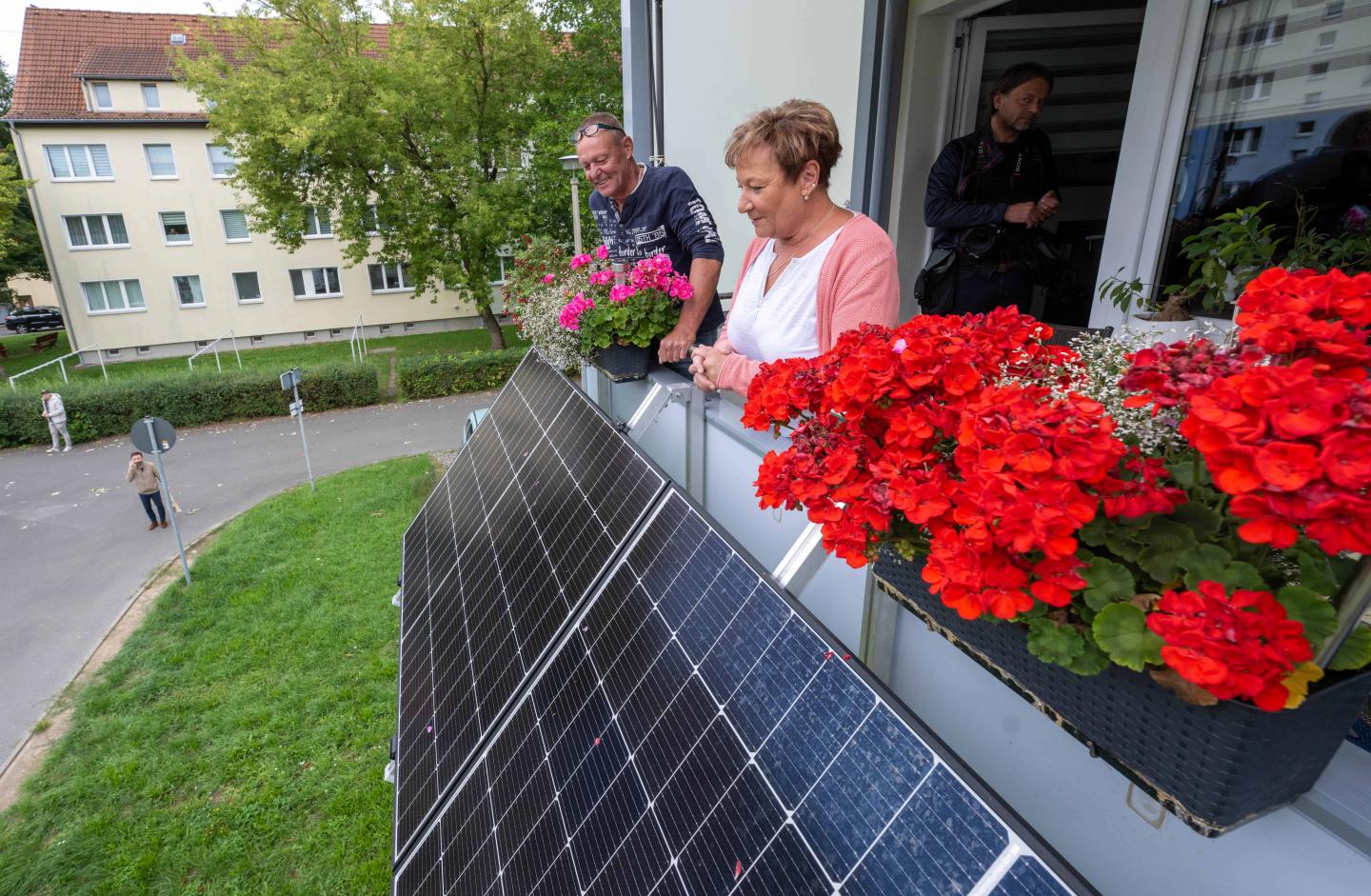
As these systems have gained in popularity, prices for the equipment in Europe have fallen significantly, from about $600 for a 400-watt panel in 2022 to $285 today, making the payback period between 1-3 years. It’s a price drop advocates anticipate will happen in the U.S. as the market for plug-in solar expands.
Another plug-in solar advantage, especially for renters: The panels, often affixed only with zip ties, can easily pack up and go with their owners should they move.
These days, balcony solar’s popularity in Germany is also helping keep electricity prices down by replacing the need for some new power plants. The approximately 1.5 million owners who’ve gone to the trouble of registering their systems on a government website, Meissner says, produce about as much daytime energy as an entire nuclear power facility.
The U.S. gets into the plug-in solar market
Word about balcony solar’s success spread to the U.S. in the earlier part of this decade. Stryker heard about it from the writings of Bill McKibben, the well-known climate advocate. “And like everyone else, I was, like, 'Wow, what a cool thing! Why don’t we have it here?’” she says.
Her group, which got its start in January 2025, aims to be both “the AARP and the Costco of clean energy,” she says. In addition to working on state policy, it recently started selling 180-watt and 360-watt systems at cost (plus a $29 membership fee) to residents of 47 states.
Already, the movement’s success with lawmakers is pretty unprecedented.
“Usually, you introduce a bill in a state legislature and it takes at least a year for legislators to even get used to the idea,” says EDF’s Kelly. “These easy wins for plug-in solar are huge.”
So is the technology’s potential. Bright Saver estimates the country could host 60 million plug-in solar installations by 2035. “It is available to a totally different group of people who have really been shut out of clean energy generation to offset their electric bills,” Stryker says. “Because it doesn’t often require any building alterations, this is available to renters. It’s available to the kind of people who can’t afford the upfront cost of a rooftop solar system.”
- These small-town neighbors teamed up to get discounted solar panels and cut their electric bills
- Free electricity? Australia’s got it, thanks to solar. Could the US be next?
Comparing rooftop to plug-in solar
Just to be clear, the 25-year cost savings that come with rooftop solar far exceed those of its plug-in counterpart. “You’re comparing $600 a year in savings to $6,000-15,000 a year,” says Kristina Zagame of EnergySage, which offers consumers free consulting on solar power, electric vehicle charging and heat pump options. “But you’re also comparing a $500–1,000 setup with $30,000 in panels.”
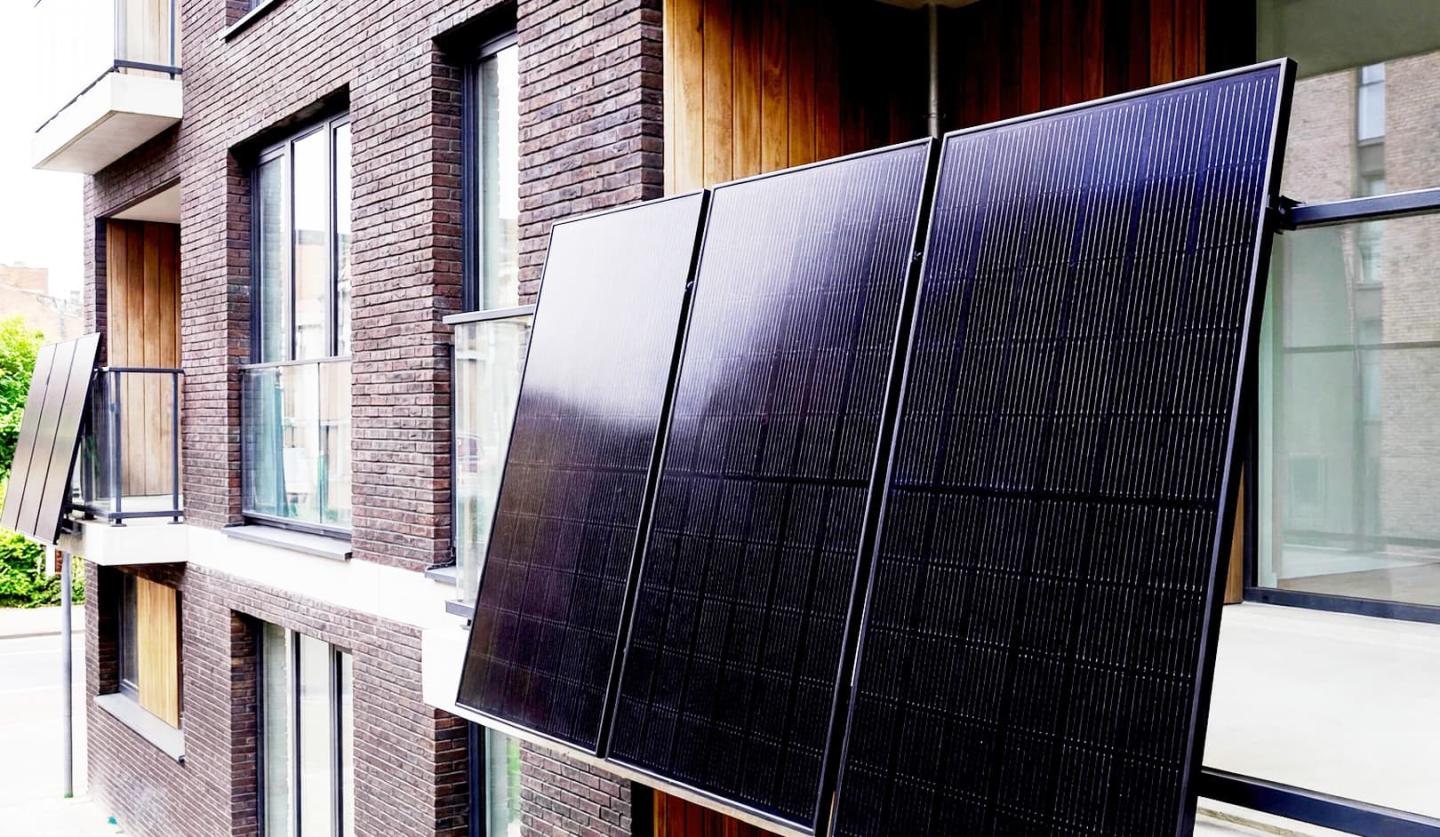
Some of the price difference is attributable to the size of each kind of system — plug-in systems are smaller than rooftop systems, and generally run from 180 watts to about 1.2 kilowatts, whereas the average rooftop system in the U.S., which can power an entire home, is about 7.5 kilowatts. With rooftop solar, you also have to factor in the cost of the electrical work needed to hook up 7.5 kilowatts of power — something that shouldn’t be done by amateurs — as well as costly building permits and permission from the local utility to interconnect with your area’s electric grid. With plug-in solar, none of those are needed.
The only thing required for plug-in solar is enough sunlight and an outdoor dedicated circuit — an outlet that has no other electrical activity on the line. (You might need an electrician to install one, at a cost of up to $300.)
These systems should also be UL-certified, according to all of the states authorizing plug-in solar so far.
Plug-in systems have other benefits, too. Like rooftop solar, they can plug into battery packs to supply power during emergencies or to use during certain times of day, like the early evening, when electricity prices tend to be particularly high.
For Brooklyn, New York resident Priya Mulgaonkar, the process of getting and setting up plug-in solar this spring was actually pretty simple. (Though she doesn’t have a balcony, she does have a fire escape.) She ordered her 180-watt panel online. “I was a little intimidated at first because this enormous box kind of showed up on my doorstep. But it was quite lightweight.” She found it relatively simple to follow the installation instructions, she says. “I think the most nerve-wracking part was just getting it out my window onto my fire escape.”
Now, she’s looking forward to some noticeable electricity bill savings. And she figures her solar panels — like Henley’s — may inspire her neighbors with a glimpse of what the clean energy future might look like. She says, “Imagine [everyone] walking by a multistory building and seeing balconies and thinking, ‘You could put a solar panel there.’”