Midterm wins you may have missed
The midterm elections on November 3 transformed the political landscape in Washington. But it’s not just the nation’s capital that was radically remodeled. The election results brought a sea change to state level politics across the United States.
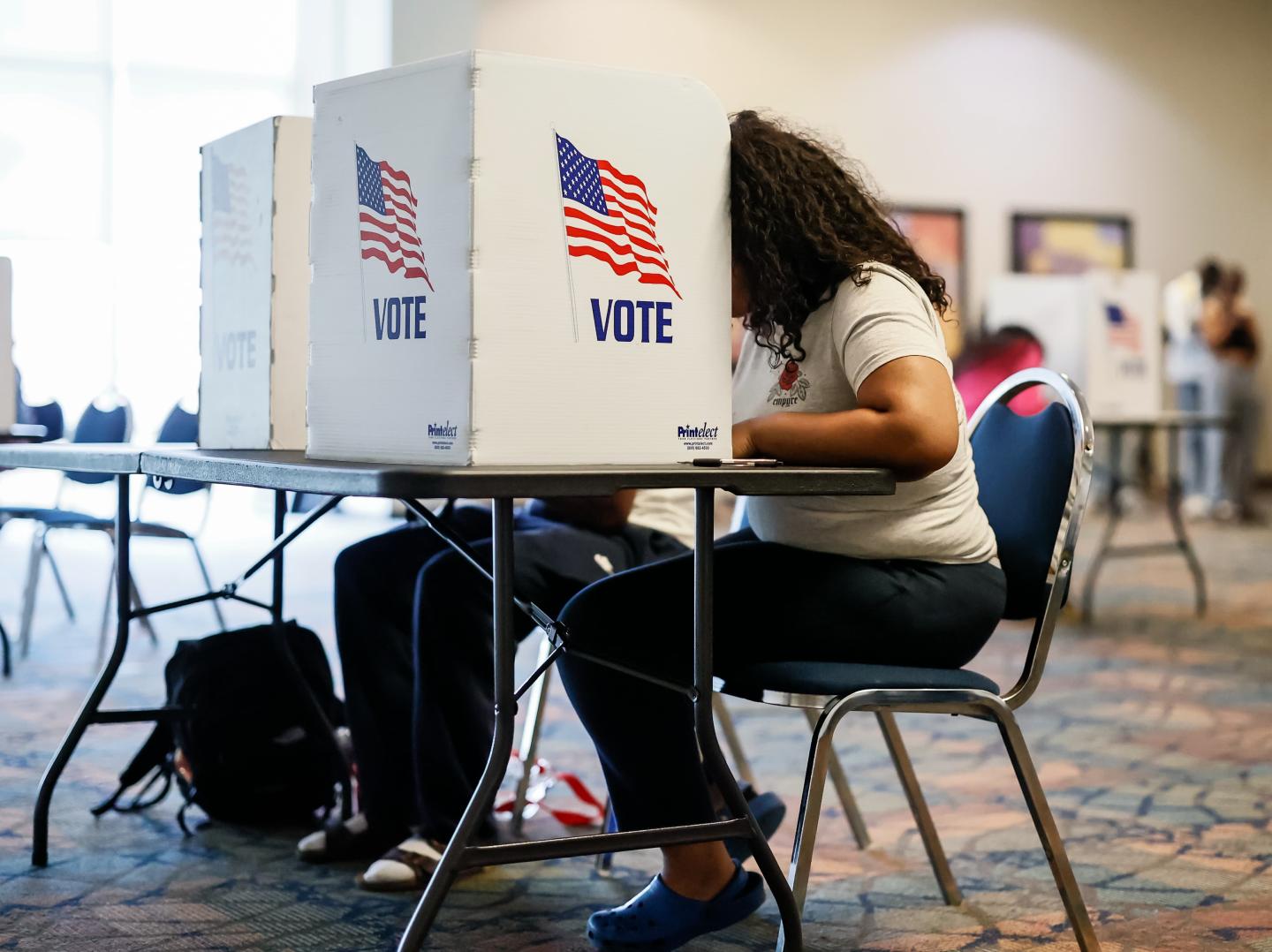
“In key ballot measures and local races across the nation, voters sent an unmistakable message,” says Dawn Shirreffs, Florida state director at the climate-focused nonprofit Environmental Defense Fund. “They reject false choices that pit affordability against the health of their communities. They want to protect their families, clean up local air and water, and keep money in their pockets. We need to provide clear and tangible climate solutions that align with these priorities.”
While progress in Washington may still be stymied by an administration determined to promote fossil fuels, it is full steam ahead for climate action in an ever-growing number of states.
Here are just a few of the key state level midterm wins that will help accelerate climate progress across the country.
New state leadership
In states from the Northeast to the Midwest and the Southwest, voters helped flip control of governorships and state legislatures in favor of candidates offering solutions for soaring energy prices and unchecked pollution.
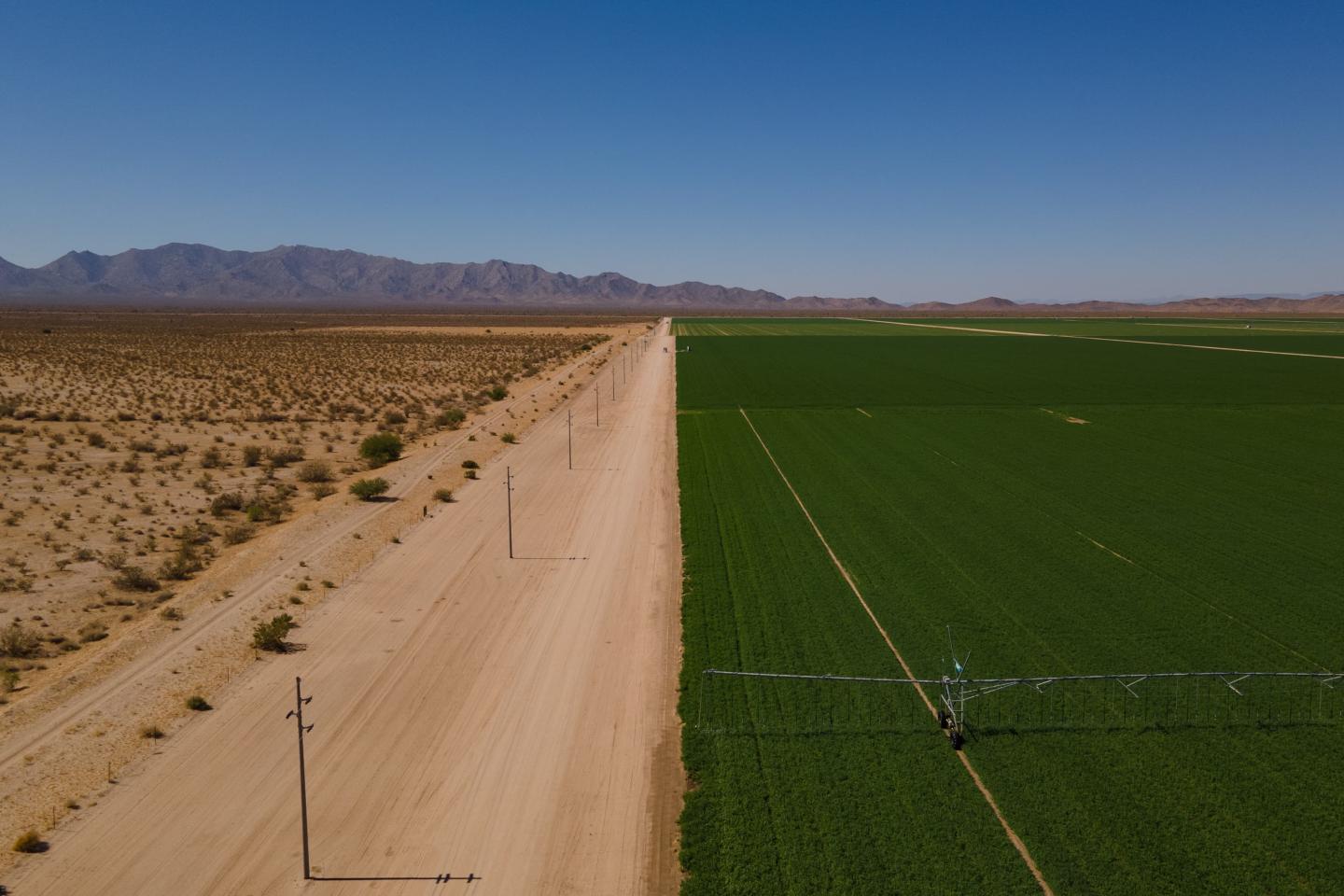
In Arizona, where unregulated groundwater extraction in rural areas is endangering property owners and community futures, the Colorado River is in crisis, and energy demand and costs are increasing rapidly, voters chose to reelect strong environmental champions in Governor Katie Hobbs and Attorney General Kris Mayes and for new, pro-environment leadership in both the state House and Senate. The election results create opportunities for bipartisan, practical solutions to the state’s water and energy challenges.
“Arizona voters made clear they want a new approach,” says Kevin Moran, Arizona state director at EDF. “The logjam blocking environmental policy, decades in the making, is starting to break. The door is now open to bold action on groundwater protections, promoting clean energy, data center safeguards and restoring environmental protections.”
In Pennsylvania, new, unified state government under Governor Josh Shapiro also promises to end years of obstruction and inaction on key energy and environment issues.
“Pennsylvania voters sent a clear message calling for change and placing their hopes in a new governing coalition to work together and deliver results for the Commonwealth,” says Peter Daigle, who helps lead EDF’s legislative efforts in Pennsylvania. “As Pennsylvania’s energy needs continue to grow, there is an important opportunity to expand clean energy, protect families from rising electricity costs and pollution associated with data center development, and strengthen methane safeguards to address increasing pressures on the energy system.”
The November 3 election also fundamentally reshaped Texas politics for the next few years, as voters put Democrats into every statewide office for the first time in three decades. The election results create significant new opportunities to shape Texas's energy agenda through the Governor's office, a Democratic-led House, and executive and regulatory appointments.
“We can now move past the misguided fights against Texas's abundant wind and solar resources that help keep electricity clean and affordable for all customers,” says Colin Leyden, Texas state director at EDF. “Texans made clear that they expect their government to put the health, safety and well-being of Texas families first. This marks a new chapter for the state and an opportunity to lower energy costs, invest in disaster response and prevention, give communities sensible safeguards for data center development and balance economic development with protecting our natural resources.”
“What I see across the map is proof that voters are frustrated with high costs and corporate pollution and willing to embrace practical solutions that address rising utility bills, provide clean energy, clean air, clean water and lower costs,” says Shirreffs.
Environmental news that matters, straight to your inbox
Environmental wins in midterm ballot initiatives
Voters also sent a clear message about their priorities in ballot measures across the country. In Florida, more than seven counties passed local initiatives to create or renew conservation programs, with support topping 70%. That’s notable in a state where lawmakers have scrubbed the term climate change from state statutes.
In Colorado, an advocacy group that supports natural gas interests poured millions into Proposition 82, an attempt to lock natural gas usage into the state’s constitution. If it passed, the ballot initiative would also have locked in climate pollution and derailed Colorado’s climate targets. Proponents claimed voting ‘no’ would spike energy bills, but Coloradans saw through it — 54% voted to protect their health, safety and clean energy future.
Colorado voters also passed a proposition that redirects sales tax revenue already collected on sporting goods purchases to fund conservation measures, parks and wildlife, and wildfire prevention.
A shift in powerful state energy regulators
There were also historic shake-ups in less high profile, but equally consequential races for state energy regulators. In Georgia, pro-clean-energy candidates gained a majority on the Public Service Commission, which regulates utilities in the state, for the first time in 20 years.
And in Arizona, single-party rule on the Arizona Corporation Commission, the state’s utility regulation body, is also over after two incumbents lost their seats to challengers promising to shake up the status quo.
“Both of Arizona’s new commissioners-elect campaigned to impose greater scrutiny of utility costs, protect ratepayers, incentivize clean energy and encourage Arizona utilities to join the most cost-effective and efficient multi-state energy market in the west,” says Moran. If adopted across the western U.S., this market, informally known as the westwide grid, could cut as much climate pollution as 630,000 cars produce annually.
Louisiana also chose to elect two new utility commissioners, who both ran on promises to put ratepayers first and prioritized independence from utility companies.
“In all of these places, we see an opening for clean energy resources to play a much more prominent role in swiftly delivering reliable, affordable power to the grid,” says Shirreffs.
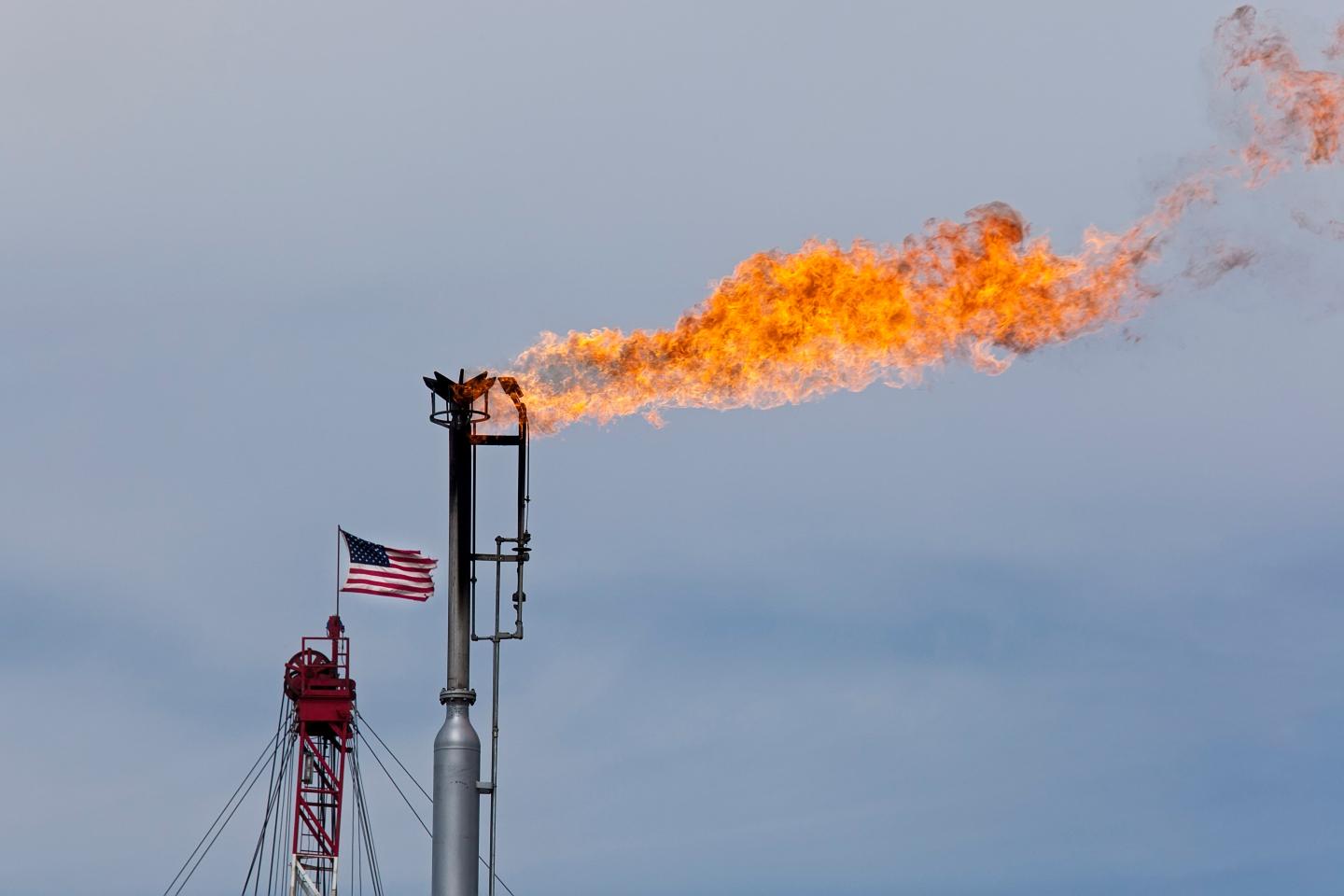
Texas also chose a new direction when they elected Jon Rosenthal to be the newest member of its previously all-Republican Railroad Commission, which oversees the state’s massive oil and gas industry. Rosenthal defeated Bo French, who pledged to slash regulations and faced national scrutiny for racist remarks.
“Commissioner-elect Rosenthal ran on tackling the state’s orphan well problem and working with industry to reduce methane flaring,” says Leyden. Texas has more than 12,000 documented orphan wells — inactive, unplugged oil and gas wells with no solvent owner on record, which leak climate-warming methane pollution and health-harming air toxins. “For too long, industry has been the only stakeholder in Texas with a real voice, but now environmental groups, landowners, ranchers and everyday citizens will get a seat at the table.”
“States wield significant power over energy decisions,” adds Shirreffs. “They directly shape electric utilities, building codes and transit funding. It's really state-level policies that determine how quickly clean energy replaces fossil fuels. In the light of the midterm results, that power gives me enormous hope.”