
Colorado moves to cut landfill pollution
Growing up, Allie Morton didn’t think much about the landfill just a mile from her home in Erie, Colorado. But on windy days, dust from the dump would clog the air and an unmistakable stench would permeate the town. In high school, Morton learned that the landfill was a significant source of local pollution.
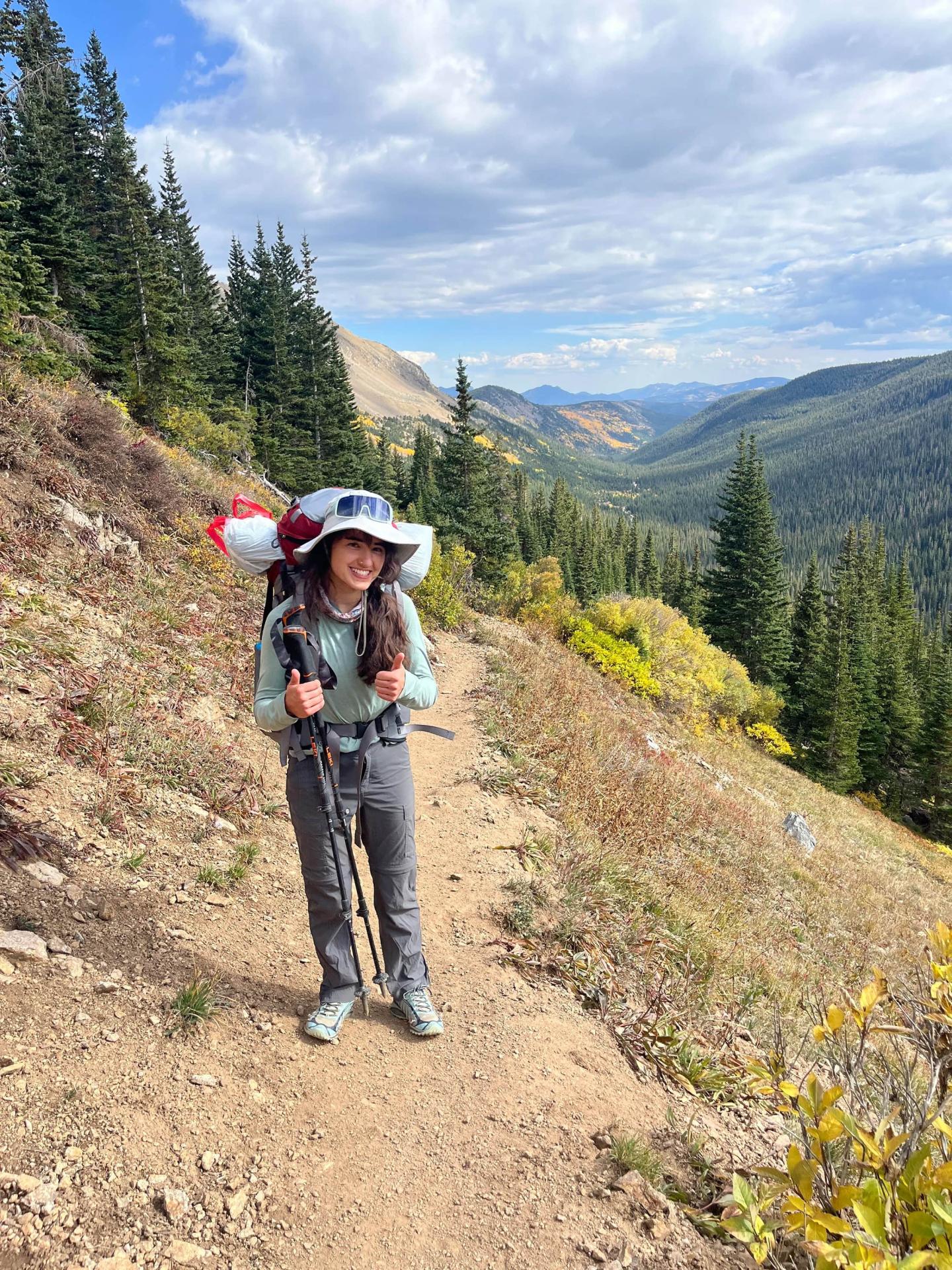
“That’s when I started to ask questions,” says Morton, now a college senior at the Colorado School of Mines. “Was it safe to live in a town surrounding a landfill? Was it just bad luck that my dad had cancer, my brother needed an inhaler and my mom had chronic health issues? Most importantly, was anyone doing anything about this?”
This past December in Colorado, where one in three residents live within five miles of a landfill, state regulators took historic action to address climate and air pollution from landfills.
New rules will curb harmful pollution from landfills
Garbage dumps are the third-largest source of climate-harming methane pollution nationwide and also produce hazardous gases like benzene and vinyl chloride, which are linked to cancer and the formation of heart and lung-harming smog.
Environmental news that matters, straight to your inbox
Following years of advocacy from health and environmental groups, Colorado air regulators voted unanimously to adopt updated landfill standards that go well beyond the national ones, which were last updated in 2016. The Biden administration started the process of updating federal standards, but the Trump administration has not completed them.
- How do you locate a hidden environmental danger? Put a bounty on it
- 5 ways the Trump administration has rewarded the biggest polluters
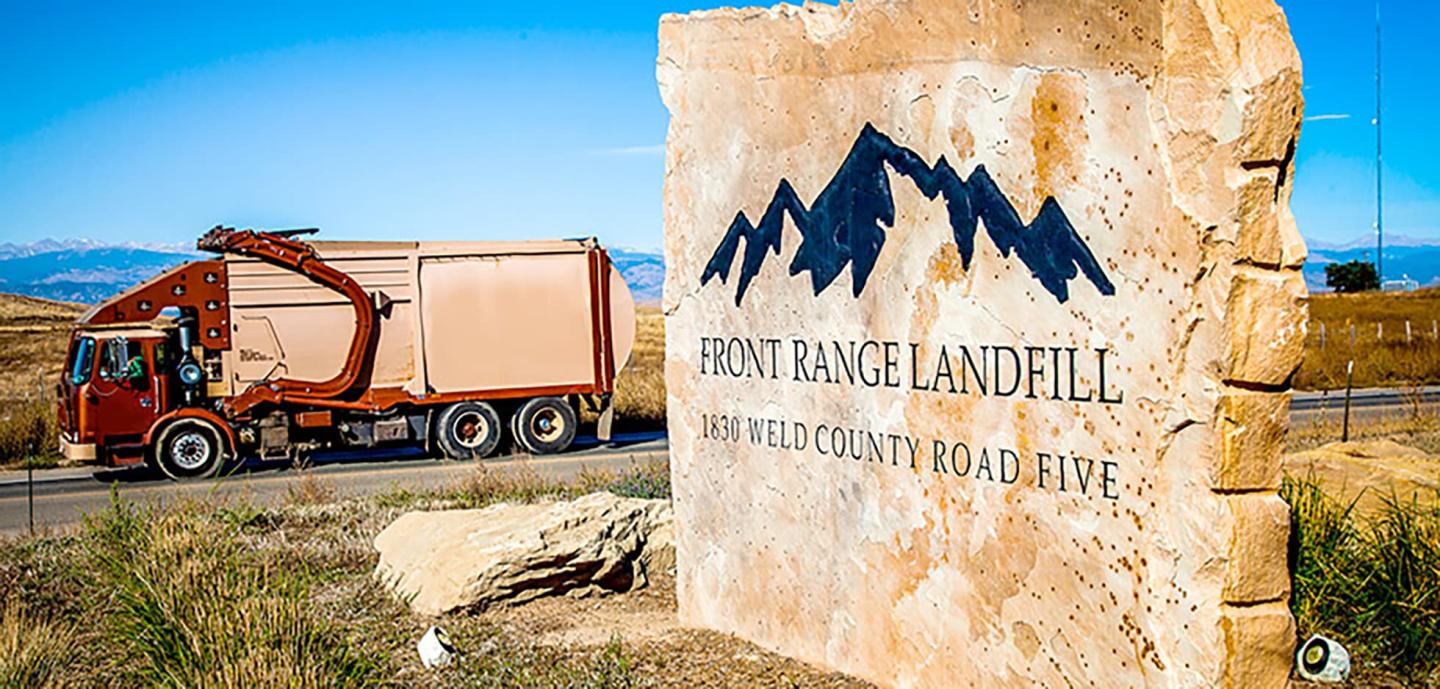
Colorado’s new standards will reduce as much as 12.5 million metric tons of carbon dioxide equivalent by 2050 — the same amount of pollution produced from burning nearly 1.4 billion gallons of gasoline, or driving 2.8 million cars for a year. Colorado now joins the vanguard of states leading the way on addressing landfill pollution, including California, Maryland, Michigan, Oregon and Washington, modeling what more ambitious national regulations could achieve, if the federal government were so inclined.
“By adopting the landfill methane rule, Colorado is taking an important step to protect our children’s health and future,” says Laurie Anderson, Colorado field organizer at Moms Clean Air Force, who mobilized members to testify in support of stronger standards at public hearings. “Landfills are a major source of methane and harmful co-pollutants that can trigger asthma and other respiratory conditions in kids. These new rules will improve air quality and cut climate-warming pollution, helping us achieve the clean air and safe climate our children deserve.”
Holding operators accountable
The landfill methane rule includes critical updates to hold landfill operators accountable, including requiring them to improve how they monitor for methane leaks, strengthening requirements for how methane gas is captured and destroyed, requiring landfill operators to use landfill cover practices to control emissions and phasing out open flares of landfill gas. Crucially, the new standards also allow for independent monitoring of landfills with advanced technologies like satellites.
“The vast majority of landfills survey their emissions on foot using handheld monitors,” says attorney Edwin LaMair of Environmental Defense Fund, the global nonprofit that has studied methane emissions for more than a decade. “We can do better than that. Drones and satellites now make it possible to do frequent aerial monitoring across large areas, revealing a more accurate picture of real emissions.”

Previous satellite studies have suggested that methane emissions from landfills are 50% or greater than what landfill operators are reporting.
“At a moment when our federal government is reversing course on climate safety, state rules that address greenhouse gas emissions are more important than ever,” says Anderson. “But we don’t have to wait for our leaders to take action to make a difference. The best way to address pollution from landfills is to keep waste out of landfills in the first place. And everybody can do their part to make that happen right now, by not buying more food than they need, freezing leftovers and composting kitchen waste.”
“I know for most people your trash just gets whisked away and you never think about it again,” says Morton. “But what disappears from your curb reappears in someone else’s community, like mine, and once it’s there, it has a toxic legacy that lives on for decades.”