The fish that crossed mountains
In Mexico, a sustainable fishing solution is gaining traction by boosting the health of children in mountain villages.
On southern Mexico’s Pacific coast, barrilete — a dark-fleshed skipjack targeted by fishermen known locally as barrileteros — is abundant but commands little at the dock. Meanwhile, in the mountains just a few dozen miles inland, children in rural villages often get too little protein and other essential nutrients in their diets.
In 2025, global nonprofit Environmental Defense Fund joined the Oaxaca state government, the nonprofit Oaxacan Committee for Aquaculture Health and Safety (known in Mexico as COSIA) and local fishing communities to launch an innovative pilot project that supports both mountain and seaside communities by marrying sustainable fishing to nutrition.
Fishermen who meet the program’s sustainable fishing and safe handling standards can earn twice the usual price for their catch. Local women process the fish, which are delivered to solar- and battery-powered freezers at schools in three mountain villages. After barrilete began appearing at breakfast twice a week, doctors observed striking improvements in the children’s health — strong enough that organizers are expanding the pilot program to reach more children in more communities.
“Blue foods” benefits
Around the world, governments — prompted by research from environmental, health and sustainable development groups — are paying growing attention to “blue foods”: fish, shellfish and aquatic plants harvested or raised in oceans, rivers and lakes. Part of the appeal is environmental. Research published in the journal Nature found that many of these foods, when produced or caught sustainably, have lower greenhouse-gas emissions and other environmental impacts than foods like beef and pork.
The benefits extend beyond the environment. Fish delivers high-quality protein and essential nutrients that can be especially valuable where diets, like those in some parts of Oaxaca, depend heavily on staple crops. And well-managed fisheries can help sustain livelihoods in coastal communities facing declining fish populations and challenging climate conditions.
“Blue foods offer an opportunity to address several challenges at once,” says Kate Bonzon of EDF. “We can help provide nutritious food for communities that need it, support the livelihoods of local fishers and protect the marine ecosystems that make it all possible.”
Environmental news that matters, straight to your inbox
From boat to school kitchen
The Oaxaca effort grew out of years of work by COSIA with fishermen and fish farmers in southern Mexico to build markets for nutritious, low-value species such as barrilete. Other partners included the Oaxacan Fund for the Conservation of Nature and Oaxaca’s Secretariat for Agri-Food Promotion and Rural Development.
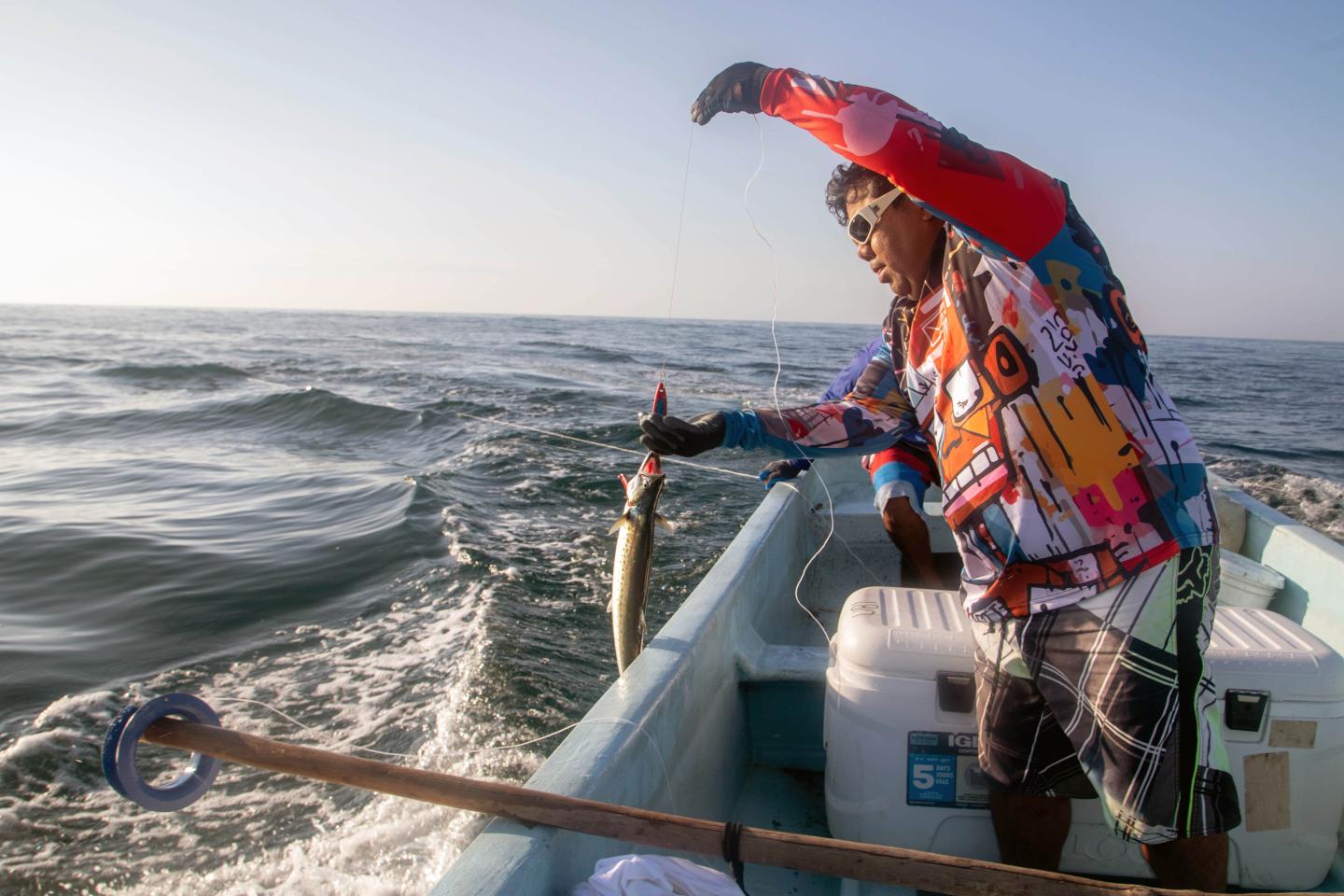
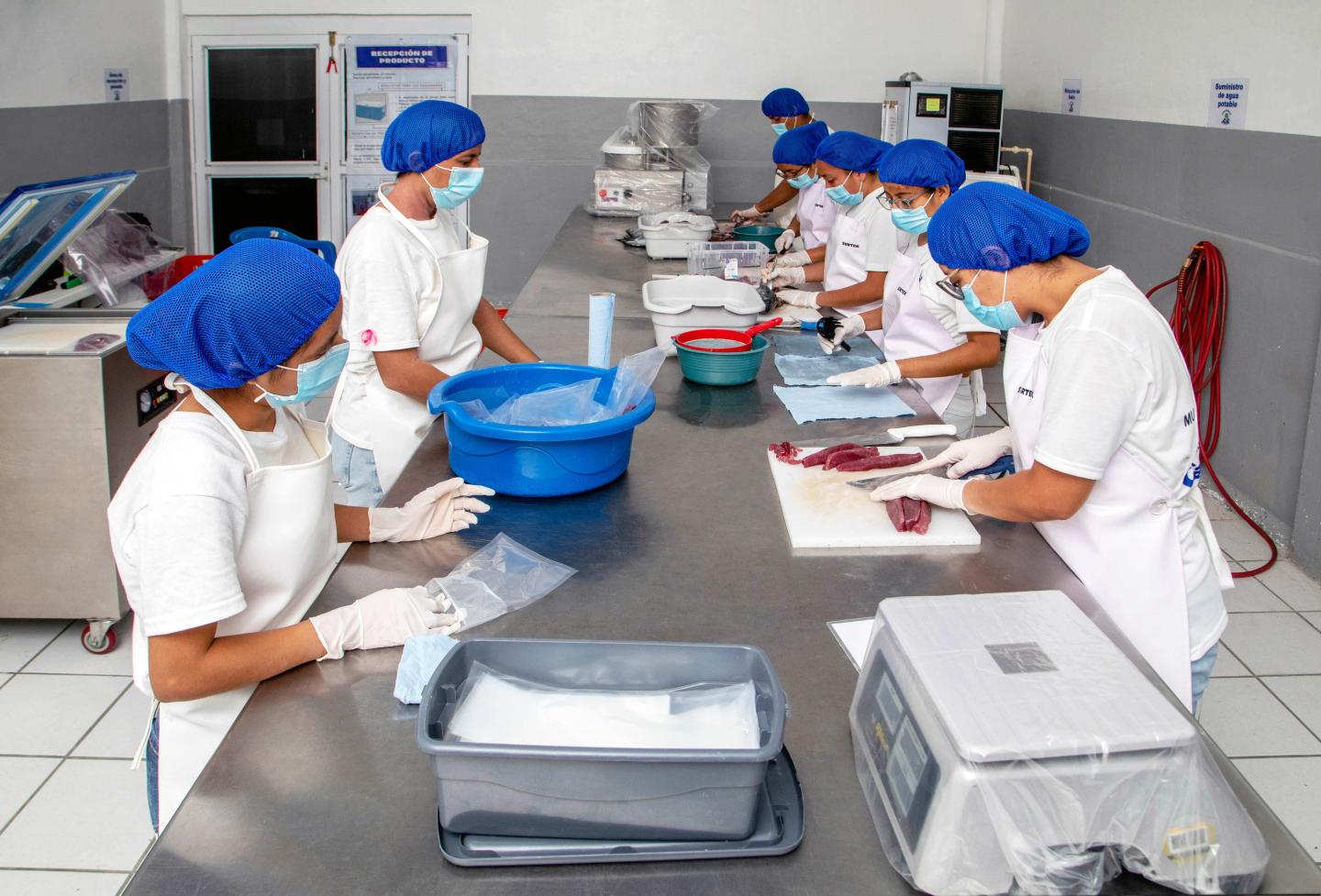
To qualify for the program, fishermen must catch the fish legally with hook and line, rather than nets and other gear that can scoop up non-targeted species. Barrilete spoils quickly if it is not bled and quickly chilled, so fishermen were trained to handle the catch carefully and move it straight into ice water. On shore, women from fishing communities learned to skin, debone and process the fish into burger patties, nuggets, chorizo (sausage), steaks and meatballs — products adapted for local taste that could be frozen, transported and cooked in school kitchens.
The Oaxaca government purchases the finished products for the schools, creating paid work for women processors and a better-paying market for fishermen who met the project’s standards. EDF provided technical support, helped equip school kitchens and advised on the selection of solar-powered freezers with battery storage to keep the fish fresh.
“If you try to bring fish to vulnerable communities in Mexico, you find two problems,” says Rafael Ortiz, who directs fisheries programs for EDF Mexico. “One, they don’t have freezers. And two, they don’t have reliable electricity. A solar freezer basically solves both.”
A measurable difference
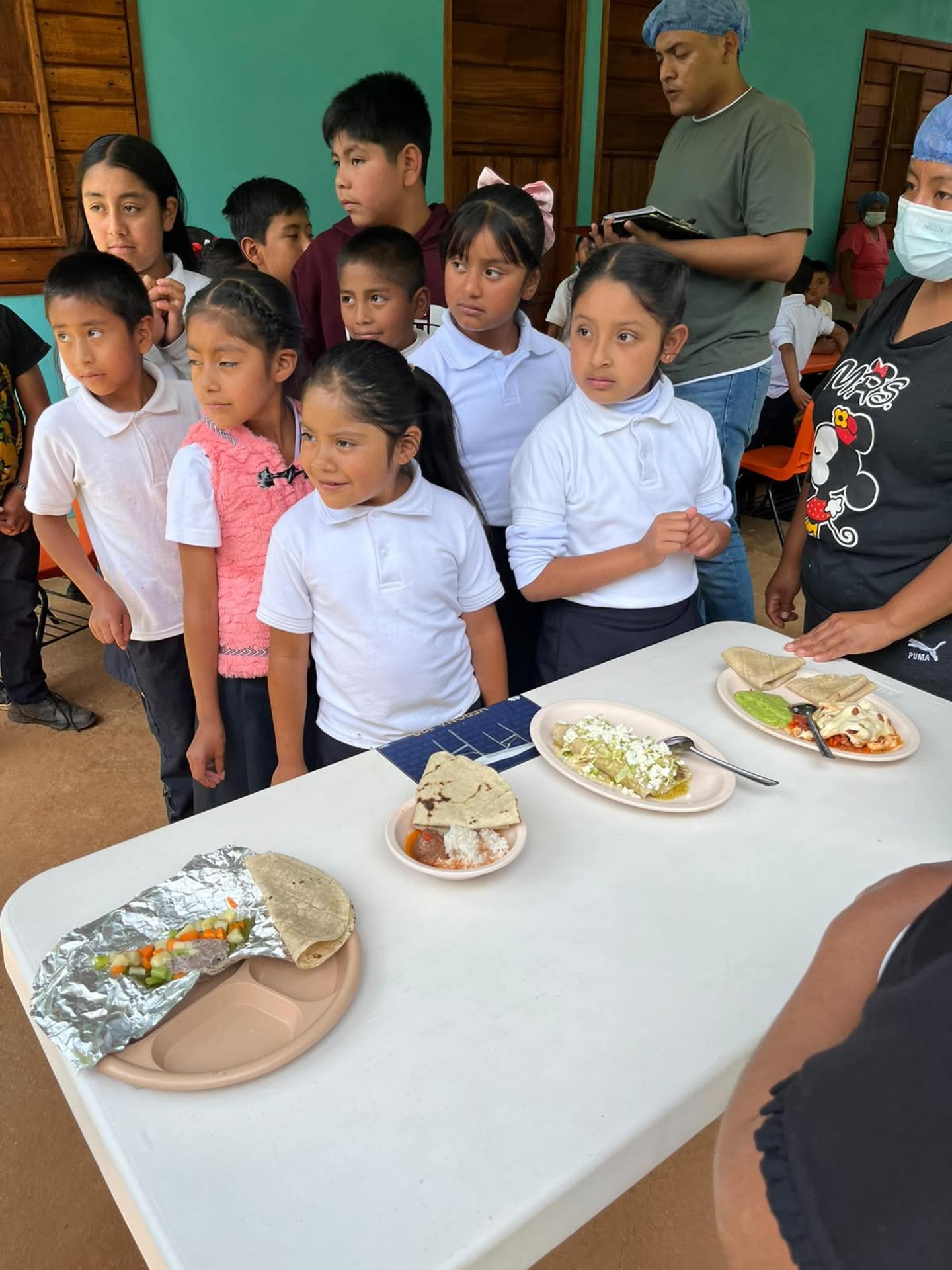
Every Tuesday and Thursday, at morning recess, each child received about 90 grams of fish, a snack-sized portion set by community doctors who monitored the health impact of the new program.
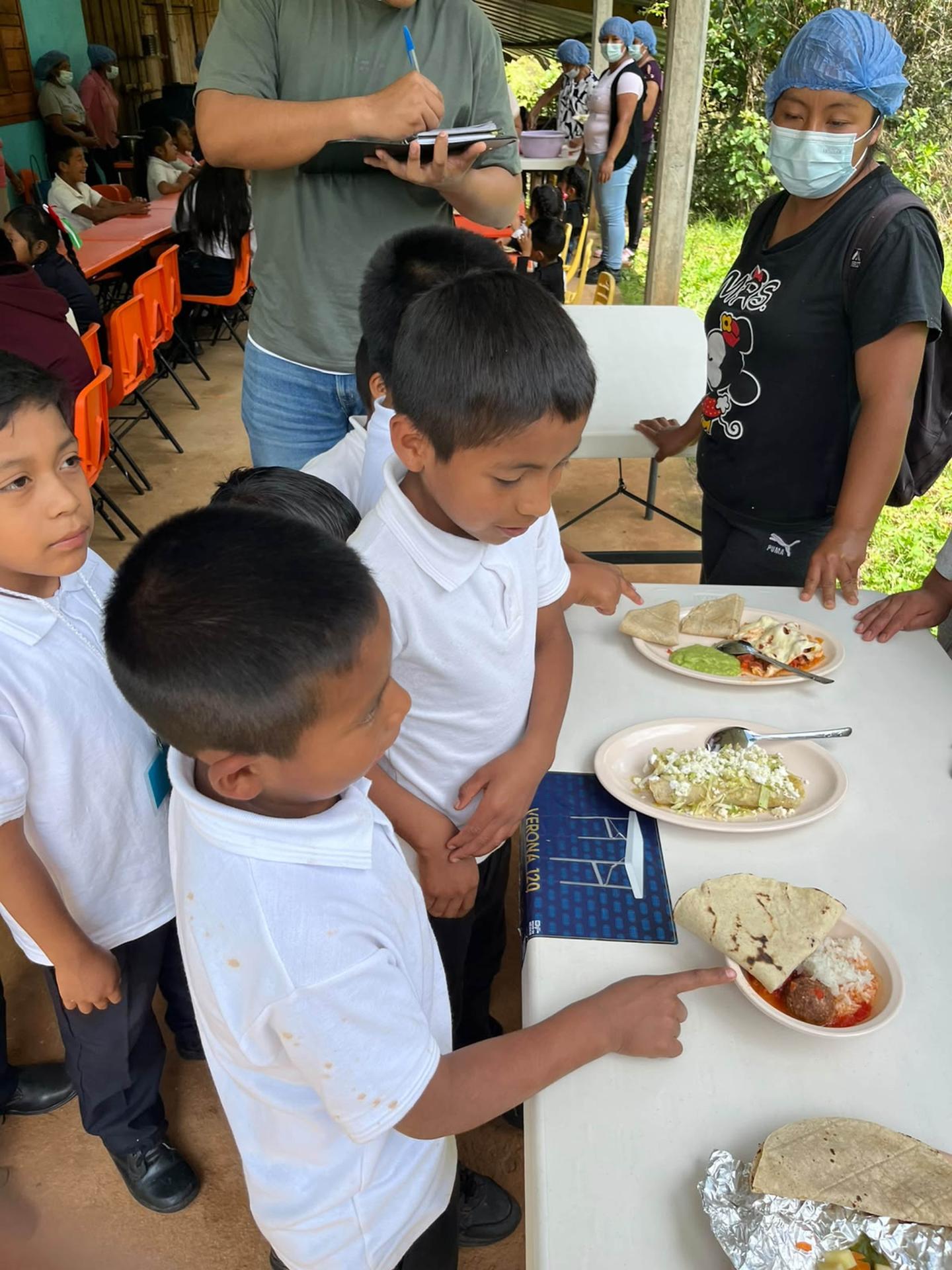
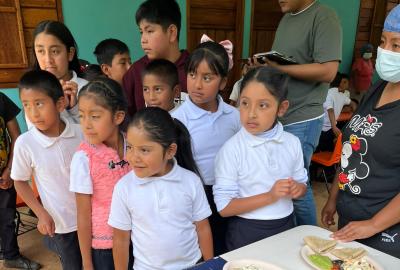
The kids shared their opinions, too. In surveys, about 74% said they liked the new food. More than half also reported feeling some benefit, saying they had more energy or could think more clearly.
But the real proof was in the bloodwork. When the doctors compared key indicators 11 months after beginning the program, they found striking results.
Among the 130 students included in the final evaluation, anemia fell from 23.85% to 15.38% — a 35.5% decline. Twenty-two children who initially had anemia no longer had it, while four others improved from moderate to mild anemia.
For Romel Ortiz-Luna, who leads COSIA’s school-meal project in Oaxaca, some of the most compelling results were visible in the children’s faces, due to improvements in levels of hemoglobin, which carries oxygen through the body. “In one community, a girl started at [a hemoglobin level of] 10. Her face was pallid. After months of eating the fish breakfasts, her hemoglobin had risen to 14.9 and her complexion was normal.”
Ortiz and Ortiz-Luna note that this was a small pilot rather than a controlled clinical trial. The results suggest, however, that the model is workable and worthy of expansion and further study.
- From collapse to comeback: How a Mexican fishery charted a new course
- How the Magnuson-Stevens Act rebuilt US fisheries
What comes next
All three schools asked to continue the program, and Oaxaca has expanded it to seven more, bringing the total to 10 schools. COSIA also plans another training center for women processors and nutrition education to hundreds of parents.
Ortiz-Luna sees the expansion as a test of something larger than school meals. If governments can provide locally caught fish for schools, fishermen gain a dependable market, women processors gain income and more nutritious food reaches children. COSIA hopes that the approach will eventually become part of public policy in Oaxaca and beyond.
Organizers say the program can grow without putting undue pressure on barrilete. The fish’s population is currently abundant, and fishermen landing their catch in Puerto Ángel, where the processing hub is located, also participate in an effort to improve the fishery’s sustainability. The model could also be extended to additional abundant Pacific species, diversifying the supply and allowing the program to reach more children.
“This program shows us that finding new ways to use an overlooked, sustainably fished species could help to solve some of the biggest problems that vulnerable communities face,” EDF’s Ortiz says.
Indeed, organizers hope to turn that small network into a model that can spread across Oaxaca and beyond.
“We want more people to know about what we’re doing,” says Ortiz-Luna, “and scale this until it becomes public policy. This is a drop in an immense sea.”