

5 ways to stay cool and save on your electric bill this summer
Already sweating through your shirt, but not financially (or emotionally) prepared for the bill that comes with turning on the AC? You’re not alone.

This summer, most states in the U.S. are projected to see hotter-than-normal temperatures. To complicate matters further, residential electricity prices are also at a multiyear high.
High electric bills plus high summer heat? Not a combination we’re looking forward to.
But fear not — even though we can’t make it any cooler outside, there are things we can do to stave off sweating in our own homes without sending our electric bills sky high.
But first: Are summers in the U.S. getting hotter?
Every year, the National Oceanic and Atmospheric Administration (NOAA) forecasts its predictions for what the summer might bring us. This year, its predictions are pretty clear: In most parts of the United States, people are going to be feeling the heat.
To be specific, NOAA is predicting above-normal temperatures for much of the country from July to September, with the highest likelihood of unexpected heat in the Pacific Northwest and the coast of New England, where there’s a 60-70% chance of hotter-than-normal conditions. Parts of the Midwest might be spared, but from the East Coast to the South to the West, this summer looks to be a hot one. Texas already smashed century-old heat records in May before meteorological summer even began.
The summers of 2023, 2024 and 2025 are now the three hottest on record for the Northern Hemisphere, a streak with no modern precedent. This summer is expected to continue the streak.
Summer heat and your electric bill
So, what’s driving up the extreme heat and our electric bills? The science here is pretty unambiguous: climate change.
As Environmental Defense Fund, a global, science-based nonprofit, explains, greenhouse gases trap heat in the atmosphere, changing air and weather patterns to intensify heat domes, making hot places hotter and bringing heat waves to unexpected places. Cutting the fossil fuel emissions that drive global warming remains the essential big picture solution.
Some of that work is underway, but it needs to move faster — because it’s getting hotter and more expensive each year we delay. The U.S. Energy Information Administration predicts residential electricity prices this summer will be 4% higher nationwide than in 2025, continuing a multiyear trend that has outpaced inflation and shows no sign of reversing. How much those prices rise depends on where you live, with New England and the Pacific region seeing some of the highest rates in the country. But for any household running central air conditioning through a long, hot summer, even a modest annual increase can add up quickly.
So, what’s a poor, overheated person to do to stay cool in their own home this summer? Have no fear: We’ve got five practical tips that can help beat the heat — well, at least while you’re at home.
Environmental news that matters, straight to your inbox
Tip 1: Fans are your new best friends
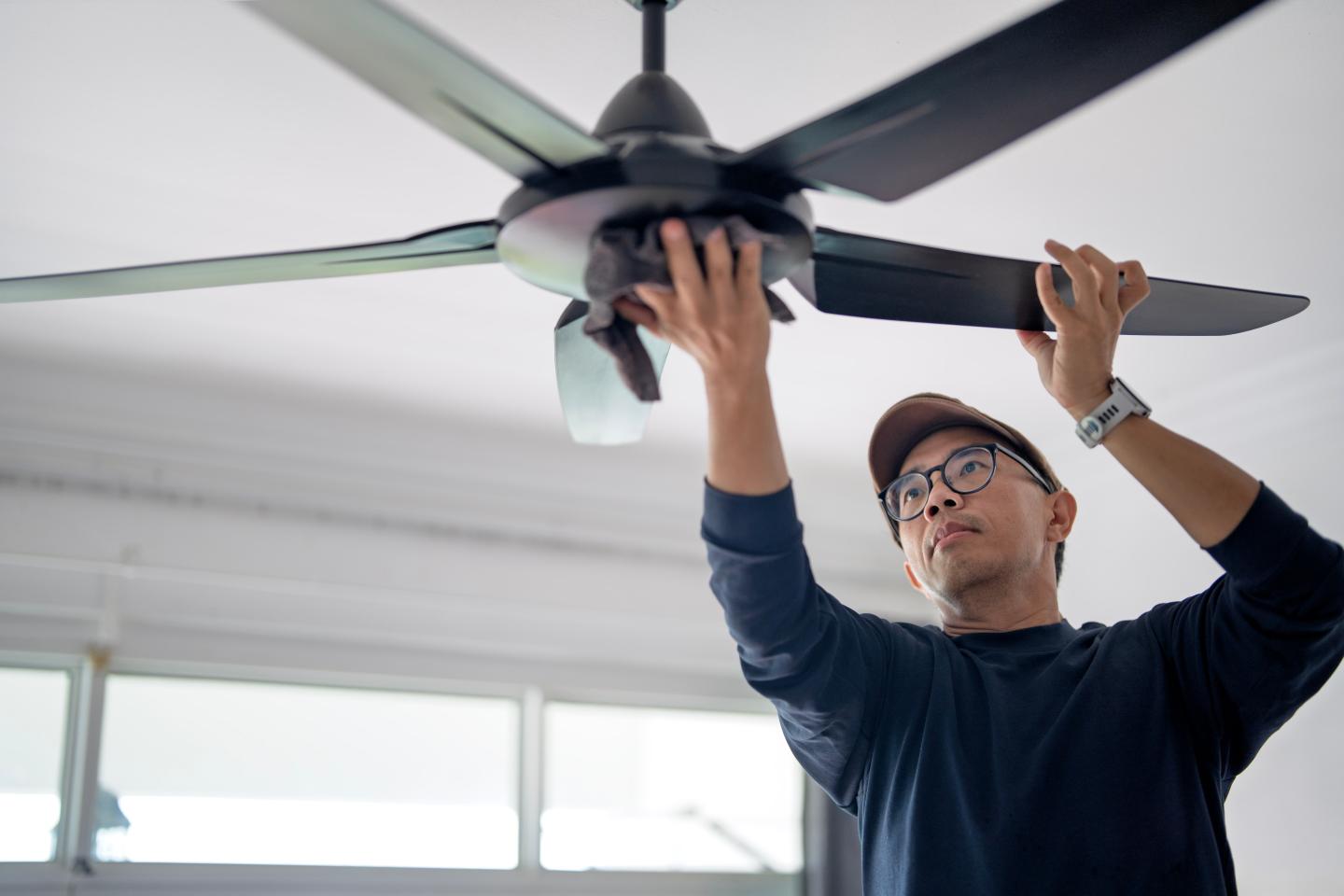
Sure, ceiling fans won’t lower the room temperature on their own, but they do create a nice breeze that will cool you down. The science backs this up, too: the U.S. Department of Energy (DOE) says that using a ceiling fan can make the room feel up to 4 degrees Fahrenheit cooler without you ever having to touch the thermostat. And as a bonus, if your ceiling fan has an ENERGY STAR label, it can save you about $120 over its lifetime. That’s because ENERGY STAR appliances are up to 60% more efficient than conventional ones.
There’s one rule you need to follow to make the most of your savings à la fan: Turn it off if no one’s in the room. Fans cool off bodies, not rooms, so leaving them all day without people in the room just wastes electricity and money.
Tip 2: Live in a dry climate? Try a swamp cooler
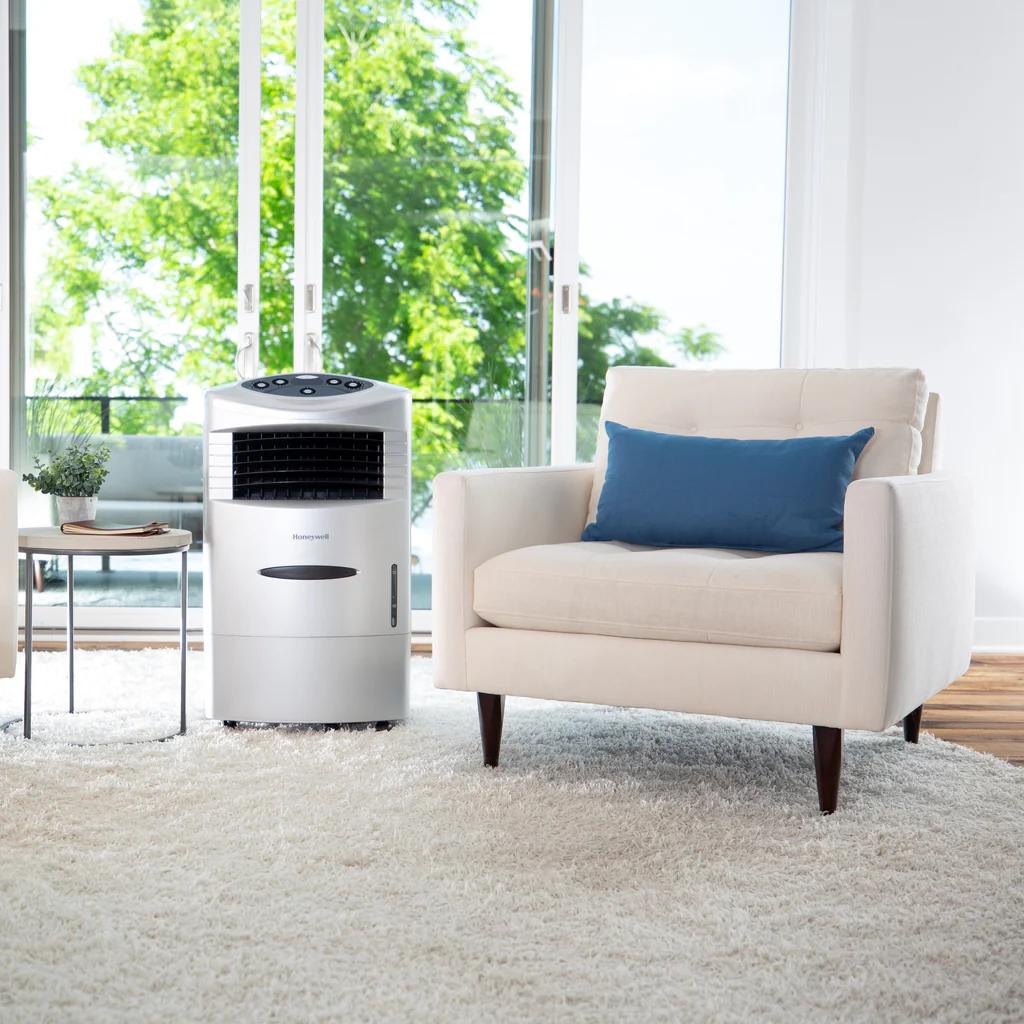
Don’t let the Shrek-sounding name fool you; swamp coolers are serious savers. Formally known as evaporative coolers (though we’ll stick with swamp cooler because it sounds cooler), these devices draw in warm air through water-soaked pads and can drop the air temperature by 15-40 degrees Fahrenheit via evaporation (thank you, freshman-year science!).
The best part? They cost about half as much as central air units to install and use about a quarter of the energy.
Here’s the only rub: They work best if the outdoor humidity stays below 50%. In the U.S., that means they’re best for the western half of the country.
Tip 3: Block heat at the window with solar screens
Did you know that about 76% of the summer sunlight that comes in through the average double-pane window enters your home as heat?
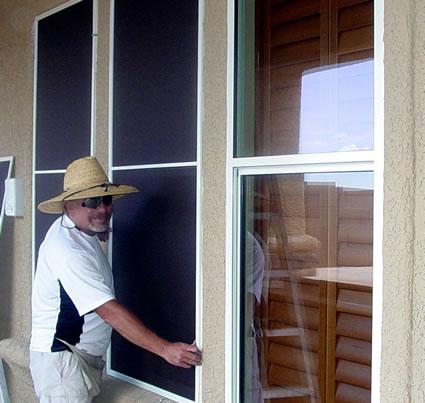
Solar screens and window films are relatively simple fixes for this problem. Both products work by blocking infrared and ultraviolet radiation before either can turn into indoor heat.
The DOE says a good window cover can reduce solar heat in your home by up to 30%, making it a cost-effective and passive cooling upgrade.
Even better news: solar screens and panels are both much cheaper than window replacements, and they don’t require construction work. If you have to prioritize windows to upgrade in your home, go for the south- and west-facing windows, which see the most direct afternoon sun.
Tip 4: Let a smart thermostat do the thinking
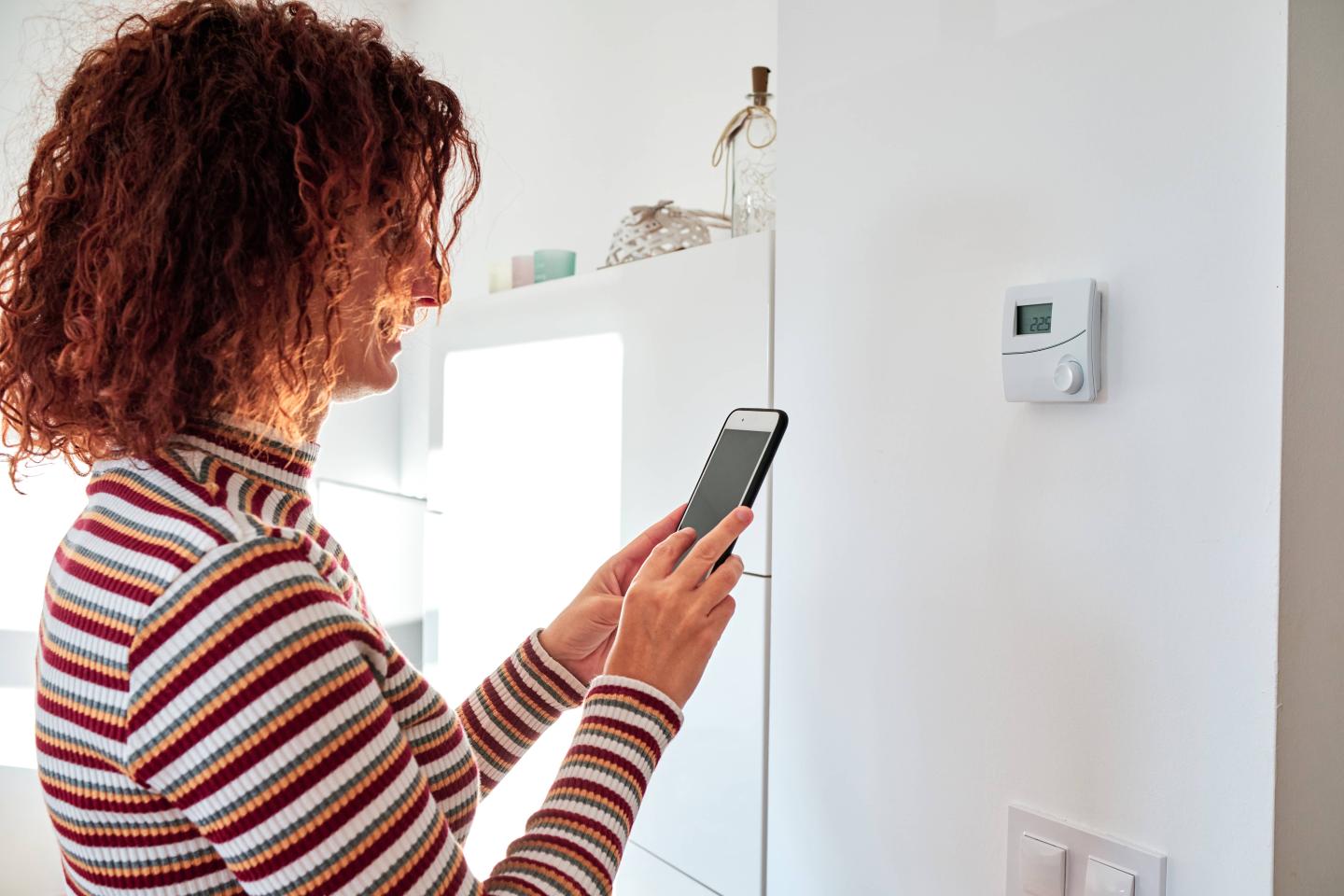
You automate your bills, your streaming subscriptions, your dog’s food restock. Why not your thermostat — and the savings that come with it? The DOE says Americans spend about 43% of their annual energy bill on heating and cooling. A smart thermostat, paired with proper air sealing and insulation, can help reduce your heating and cooling bills by 20-50%. In fact, adding just a smart thermostat alone can help households save up to 10% every year by adjusting the temperature when no one’s home.
Sure, you could manually lower your thermostat before you leave. But be honest: How often will you forget? And smart thermostats have extra features, such as energy-saving modes, that can save you money throughout the day, night or just about any other time of day, too.
One more perk worth pointing out: Several utility companies offer programs that will give bill credits for automated adjustments during peak grid events. Others may offer a one-time adjustment for installing your first smart thermostat. Check with your energy provider to see what discounts might be available in your area.
Tip 5: Seal air leaks and insulate strategically
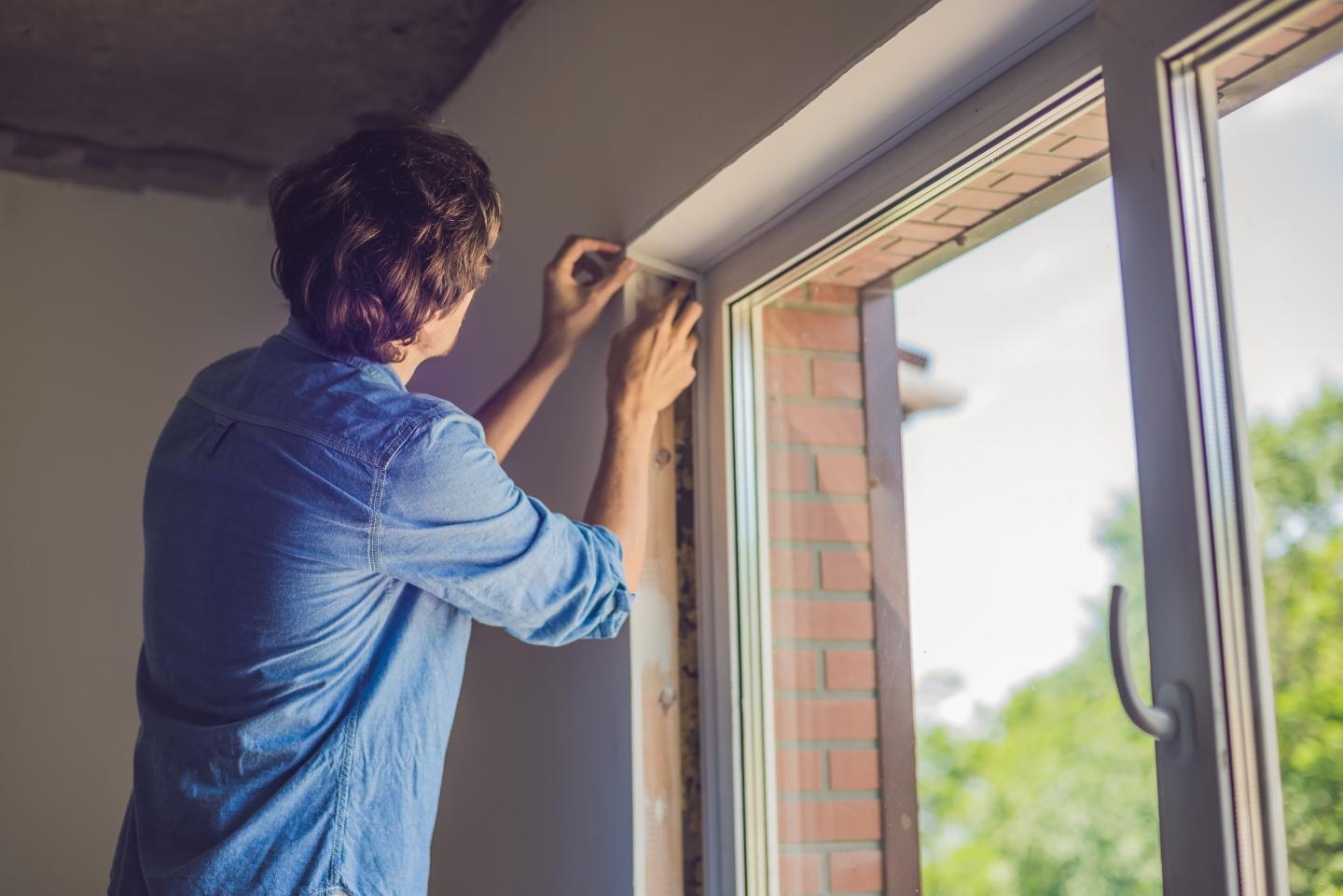
We already hinted at this in Tip 4, but it’s worth its own call-out: air sealing is one of the most underused tips for boosting home efficiency, according to the DOE. They estimate that leaks account for a significant share of cooling and heating losses in the U.S., including windows, doors, attic hatches and electrical outlets. Yet, weatherstripping and caulk are relatively cheap fixes that homeowners can do themselves, no contractor needed.
Not sure if you’ve got leaks or bad insulation? Investing in a certified home energy auditor could be a worthwhile, one-time expense, given the potential long-term savings. One of the most cost-effective upgrades auditors suggest is whole-house air sealing combined with attic insulation. These combined upgrades can reduce your heating and cooling costs by 15% and cover your total investment within just a few seasons.
Tip 6: Get involved in big energy decisions
There’s one factor behind higher electric bills that you can’t fix with gadgets at home — the energy decisions being made in Washington, D.C. As energy demands and power bills are skyrocketing, the Trump administration is blocking the cheapest and fastest way to meet our electricity needs: wind and solar power. Together with batteries, these abundant renewable energy resources are already providing clean, reliable, affordable electricity for millions. Blocking clean energy forces us to pay more — on our bills and in our health.
Sign this petition to show your support for clean energy and a healthier future for us all.
- Why you’re paying more for electricity — and how clean energy could bring costs down
- Clean energy more reliable than fossil fuel power, data shows
Hot home, hotter upgrades
We may not be able to make it cooler outside, but there are plenty of cost-effective ways to beat the heat indoors. Try the practical energy-saving tips above to make your home more comfortable in the face of above-average summer temperatures — without paying through the nose on your electric bill. And get involved in the big decisions that are forcing you to pay more for dirty energy instead of unleashing homegrown, affordable, reliable clean energy to protect your pocketbook and your health.