

6 ways to save money on your electric bill
Skyrocketing electric bills? You’re not the only one feeling the pinch.
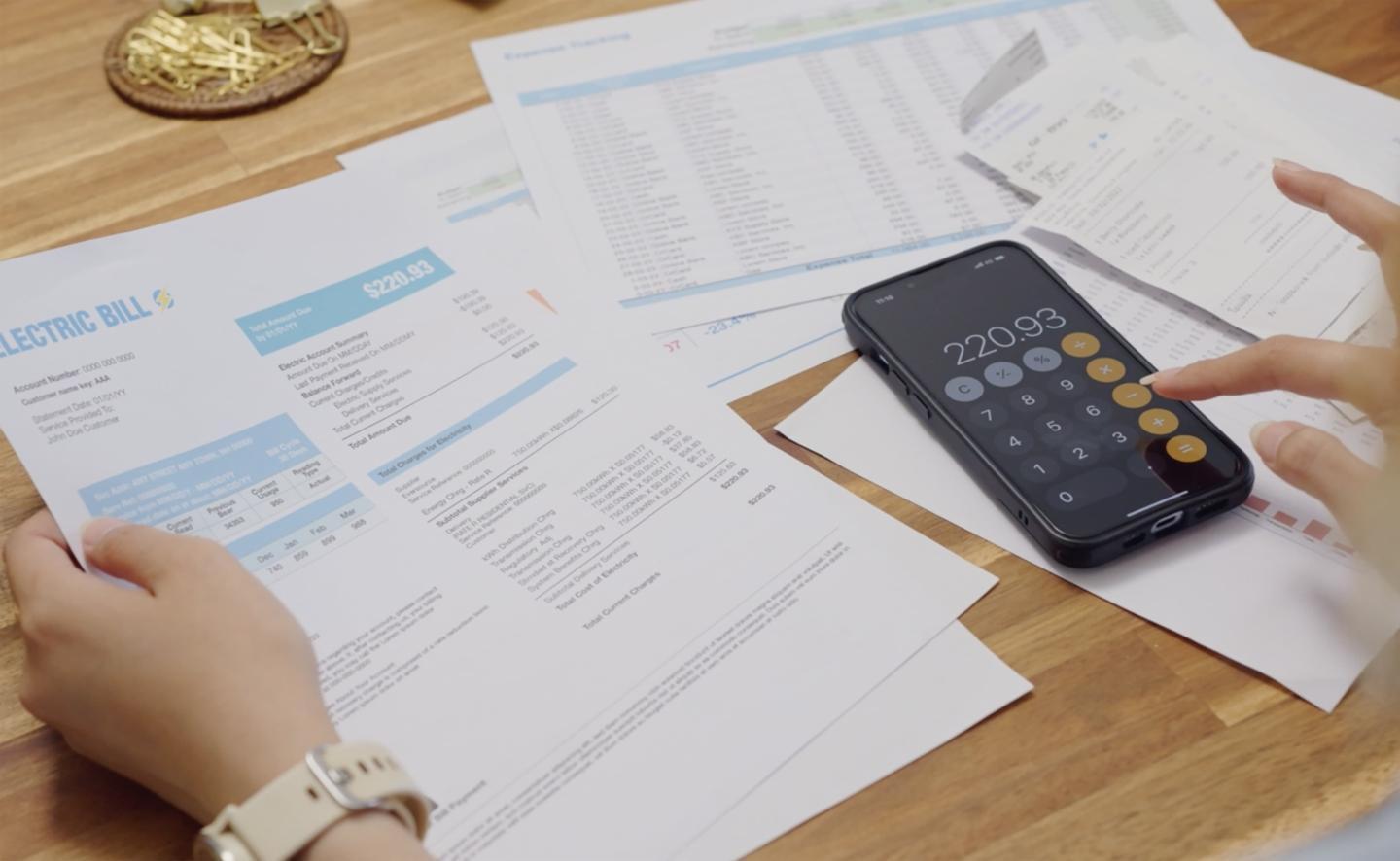
Over the last year, electricity prices in 47 states have shot up, with consumers in 10 states paying at least 10% more on their bills. That’s an average of $100 more this year for every U.S. household.
Unfortunately, prices aren’t expected to level off any time soon, for a bunch of reasons. One is the high demand for electricity spurred, in part, by energy-hungry data centers. Then there's the need to replace and upgrade the electric grid to better adapt to extreme weather fueled by climate change.
You can add to that the Trump administration's forcing expensive, dirty and unreliable fossil-fuel power plants to remain online even when utility planners say they're not needed. And the administration's blocking of the cheapest forms of new electricity — wind and solar power. Put it all together and that means electricity prices are expected to rise by as much as 40% by 2030 and could double by 2050, according to a 2025 report by the consulting firm ICF.
What’s an electric billpayer to do — aside from using less electricity? Check out these options.
Switch your rate plan
Check in with your electric utility and find out if it or any of its affiliates offer time-of-use rates and demand-response programs that can save you money with no upfront investment.
“Time-of-use rates are utility rates that incentivize you to use electricity when demand is low,” says Erin Mettler, an energy policy expert with the nonprofit group Rewiring America. Participating in a time-of-use program means you pay less if you, say, run your dishwasher at 10 p.m. rather than at dinnertime, a time when demands on the grid are typically higher. Savings can range from $25 a year to more than $300, depending on what your local utility offers.
Demand-response programs are similar. These easy-to-use, app-based programs notify you when demand on the grid is high. If you choose to, you can then get paid to reduce your electric use. One Baltimore program pays consumers $10 a month to participate. Another, in Idaho, offers a $5 a month incentive between mid-June and mid-September. You can find out more from your local electric provider.
Environmental news that matters, straight to your inbox
Try community solar

Community solar projects offer money-saving, pollution-cutting benefits to people who can’t install solar panels on their homes or businesses by allowing them to participate in offsite solar arrays. Available in at least 44 states and the District of Columbia, community solar can now power about 2.7 million U.S. homes, with a total savings of almost $200 million nationwide. As long as you have control over your own electric bill, and live in a state that offers community solar, one of those homes could be yours.
The savings can be significant. For example, one church in Oyster Bay, New York saved $15,000 over two years after switching to community solar to power its campus. “We save 10% on the supply charge part of our bill,” says Ed Wikstrom, the director of technology at the Roman Catholic Church of Saint Dominic. “This is an easier way of being sustainable than having to put panels on all our buildings.”
Get a home energy audit
Another way to start saving money on electricity is to get a home energy audit. This is what most experts recommend given that an audit will tell you where and how your home is leaking energy. “An energy audit can also tell you how much you’ll save from different efficiency measures,” says Mark Kresowick, senior policy director at the American Council for an Energy-Efficient Economy.
Audits can cost between $200 and $700, but if you have one done before the end of 2025 you can take advantage of a $150 federal tax credit. (Originally authorized through 2032, the credit was cut by the Trump administration and its allies in Congress in July’s budget bill.)
Can’t afford the full cost of an audit? Many states and utilities offer the service for free or at a reduced price. You can find out more from Rewiring America and the Database of State Incentives for Renewables & Efficiency. For a DIY option, check out these suggestions from the U.S. Department of Energy.
Insulate your attic and weatherize
The air-conditioned air that leaks out of your home during the summer and — if you’re one of the one-in-five Americans who uses electric heat in winter — the heat that seeps out of your home in the colder months both constitute a lot of wasted electricity. (Heating and cooling represent the largest share of a home’s electric use — about 50% on average.)
Insulating your attic will likely save the most electricity of any single efficiency measure. After that, weather-sealing windows, doors and other sites where air can leak will also pay off, as will storm windows. If you live in a hot, sunny clime, consider solar screens, which block the infrared and ultraviolet light that overheats your home.
Consider a heat pump
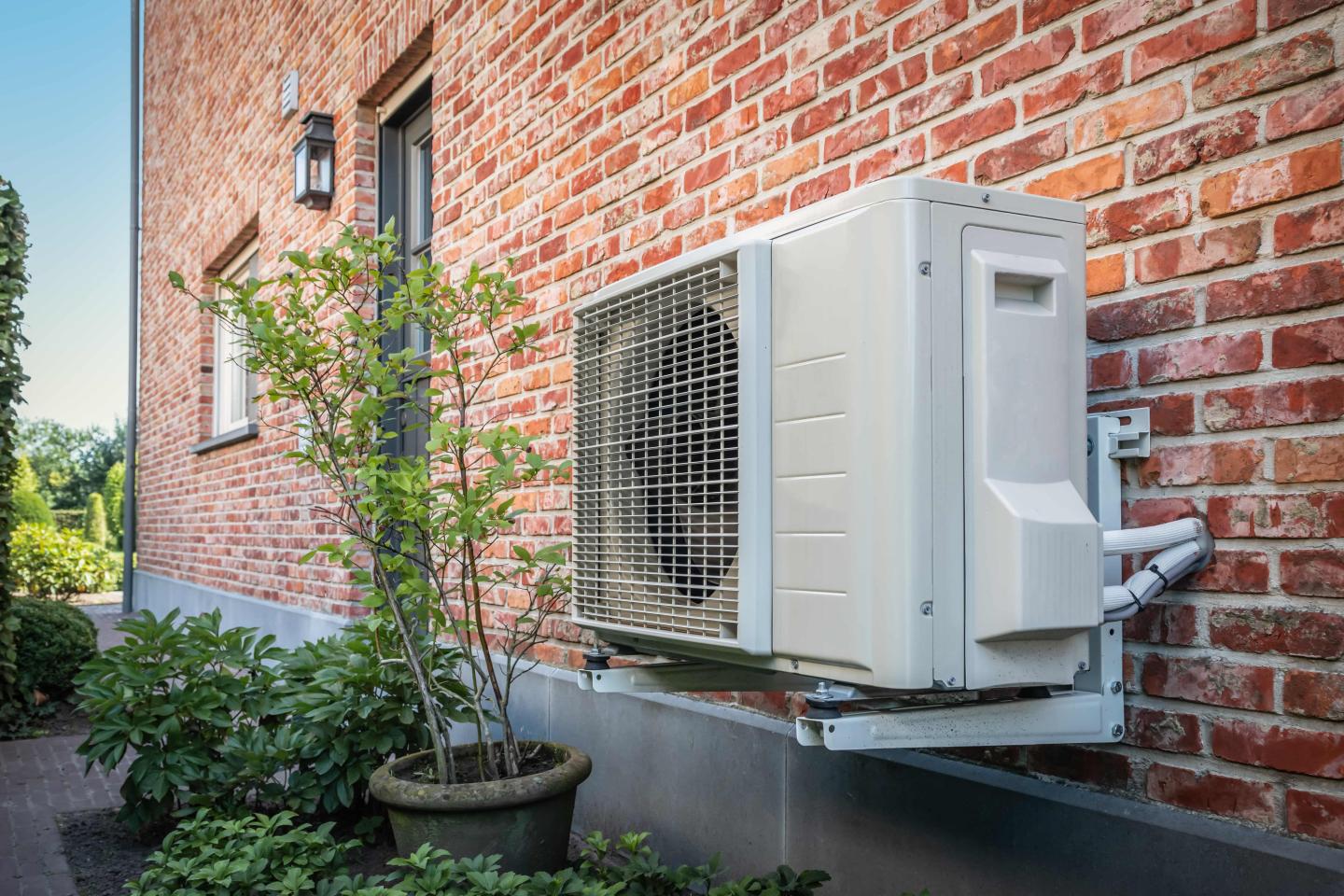
If you’re in the market for a new air conditioning or heating system, why not get a highly efficient version that gives you both?
That’s what heat pumps do. And over the course of their 15-year lifespans, they can save big bucks. Texas households that swapped their electric resistance heating systems for heat pumps saved more than $300 a year and paid off their new systems with the savings in less than three years, according to a 2024 study.
You don’t need to own a home to take advantage of heat pumps. An increasing number of window units and heat-pump air conditioners are becoming available across the U.S.
Add solar panels
Adding solar panels to your home is a surefire way to save money on your electric bill, though it can require an upfront investment.
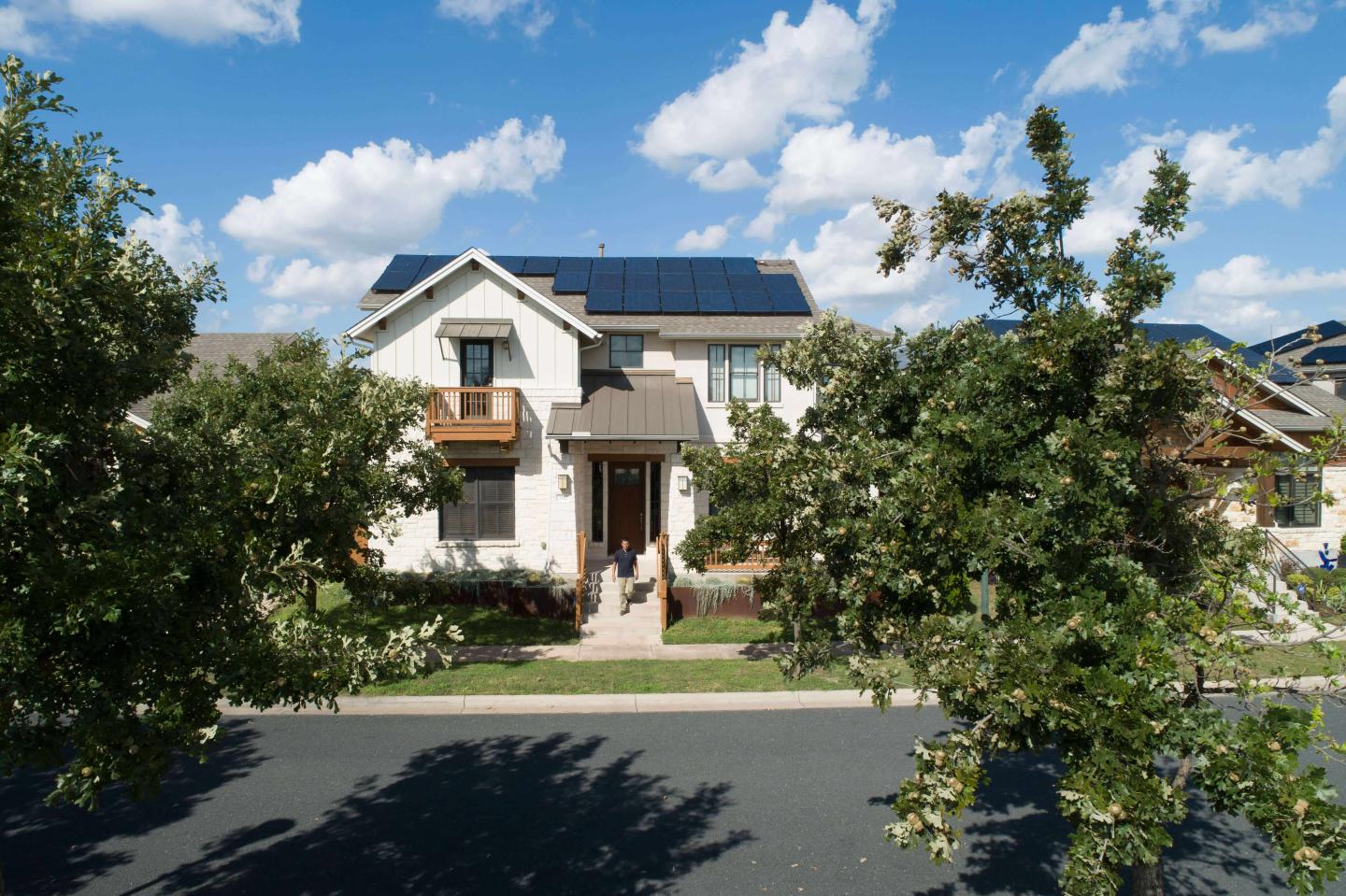
Even though the federal tax credit for adding solar panels expires at the end of 2025 (another victim of the Trump administration’s budget bill), many state and local governments still offer significant tax incentives for households that go solar. Check with Rewiring America and the Database of State Incentives for Renewables and Efficiency for details.
“We’ve run the numbers post [federal] tax credit and solar is still estimated to save the average homeowner about $57,000 over 25 years,” says Emily Walker, director of insights at EnergySage, a company that provides a free, objective consulting service that walks individual consumers through various solar, heat pump and electric vehicle charger options.
If you live in a state with low electricity prices, the total savings with solar can be lower, Walker says. “But if you live somewhere like Massachusetts or California, where electric rates are [high], you can definitely expect to save big, sometimes over $100,000.”
If you can pay upfront for a system, you’ll save the most money. But there are also leasing and financing options that can lower your monthly electric charges from day one.