
Why you’re paying more for electricity — and how clean energy could bring costs down
Does it seem like your electric bill just keeps going up? You're not alone. According to the U.S. Energy Information Administration’s latest report, residential electricity prices have gone up 18% since 2025.
It's a trend that shows no sign of slowing down. According to the EIA's latest short-term energy outlook, residential electricity prices are now on track to reach their highest level in at least a decade.
What's causing the spike? While many headlines focus on increasing demand from AI data centers and energy disruptions caused by conflict — and both contribute — here we explore the longer-term factors increasing consumers' bills, and explain why clean energy is now the quickest, most affordable way to meet demand and lower costs.
More extreme heat means paying more to cool down
The buildup of greenhouse gases in the atmosphere has caused the last 10 years to become the 10 hottest years on record. Across the country, people are using more electricity to cool down.
Excessive heat is one of the reasons every single person in Texas paid an extra $80 on their electric bill in 2023 compared to 1980, says Texas A&M geosciences professor Andrew Dessler. He is the author of a study that teases out the impacts of climate change on electric prices in the Lone Star State.
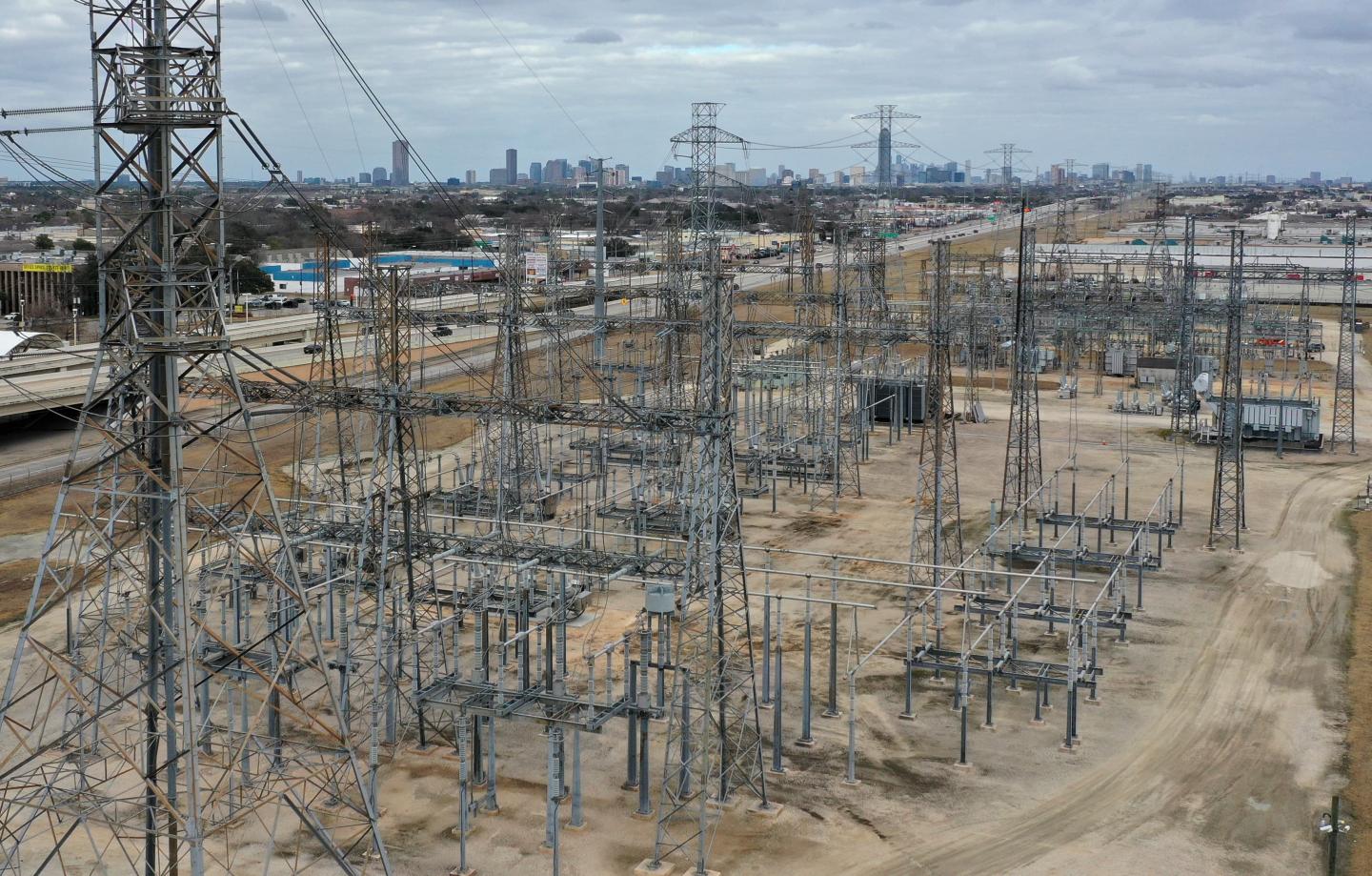
“This is a climate tax we’re all paying,” he says of Texans’ increased bills. “But unlike government taxation that funds public services voters value — like national defense, parks, or deficit reduction — this climate burden provides no benefits to citizens.”
Extreme temperatures are, however, only part of the story. The vast majority of utility customers pay not just for the electricity they use but also for building out and maintaining power plants, transformers and electric lines — what’s generally known as “the grid.”
Blackouts and brownouts occur when people want to use more electricity, typically for cooling but also heating, than the system can supply at a given moment — when it’s 110 degrees in Reno or only 8 degrees in Dallas in February. To prevent that, the electric system needs to be built to accommodate those demand peaks — extra infrastructure that isn’t needed or used most of the time. “Something like 50% or more of the total cost of the system is meeting the very peak demand,” says Environmental Defense Fund energy expert Ted Kelly. “And because peak demand is higher because of climate change, there’s a lot more money that needs to be spent.”
Environmental news that matters, straight to your inbox
Moreover, when utilities build new power plants just to cover those moments of high demand, they have a very small window to recover costs. For instance, a $10 million power plant that’s used only 20 days a year needs to charge a lot for the electricity it sells when it operates. Those costs end up on your electric bill.
Why extreme weather increases your electric bill
The U.S. electric grid is ill-prepared to meet the demands of the current climate-changed world, where temperature extremes are disrupting weather patterns and the infrastructure designed around them. That means costly weather disasters are damaging grid infrastructure more frequently.
Ratepayers ultimately cover the cost of repairs and improvements to bolster the system so that it’s better prepared in the future. “Something like a third of capital investment that utilities have been making recently has been for hardening and resilience,” says Matthias Fripp, director of global policy research at the think tank Energy Innovation.

Consider Hurricane Helene, which plowed through the southern Appalachians in September 2024, killing more than 230 people, spawning at least 20 tornadoes and causing huge amounts of flooding.
North Carolina’s Office of State Budget and Management projected the cost of repairs to the state’s electric system, paid for by everyday consumers, will total $1.4 billion.
Drought, which is also intensified by climate change, impacts electricity prices as well, for a couple of reasons. The first is that hydroelectric power, one of the cheaper forms of electricity in the U.S., relies significantly on rain and melting snow. When there’s not enough rain or snow melt, hydroelectric power plants have to dial back their production. The gap is then filled by more expensive power plants.
The second reason is that fossil fuel and nuclear power plants rely on fresh water for the cooling process that is essential to their operation. When the bodies of water they rely on dry up, power production has to shift to other sources. “When high demand is combined with limited supply,” explains Kelly, “that’s when prices spike and brownouts become more likely."
How worsening wildfires increase electricity costs
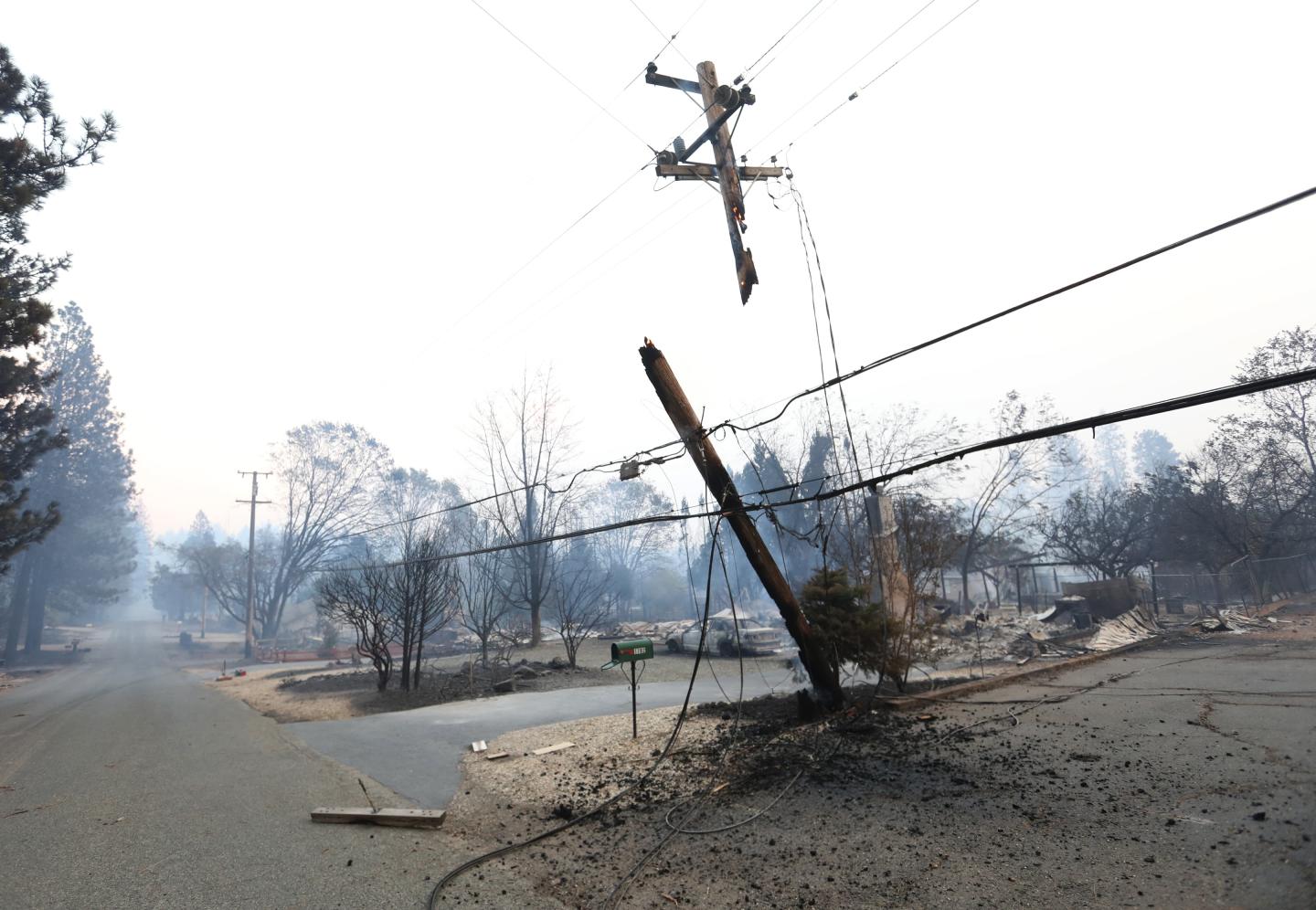
When a 100-year-old transmission line operated by the California utility PG&E sparked the Camp Fire, dry conditions, abetted by climate change, helped make it the deadliest fire in California's history.
After being hit by lawsuits related to the Camp Fire, PG&E was forced to declare bankruptcy. Since then, power companies in the arid West have been employing extremely expensive measures to reduce risk and potential liability. PG&E, for instance, has been burying more than 1,000 miles of power lines in high-risk areas — an effort that can cost between $3.4 million and $6.1 million a mile — costs that consumers, not the utility itself, are paying.
“Wildfire-related costs make up as much as 24% of increased utility rates these days in California alone,” says Kelly, citing a report by the state’s Public Advocates Office.
- Fighting wildfires with fire: Can prescribed burns save our forests?
- A new firefighter launches into space
Why clean energy helps lower the cost of electricity
Solar power, wind power and battery storage help hold electricity prices down because building new wind and solar is generally cheaper than building new gas, coal and nuclear power facilities, explains Kelly,
EDF's Joanna Slaney, an expert in political and government affairs, agrees. "The cheapest energy today is also the cleanest and fastest to deploy, and that’s what America needs," she adds.
Instead, the Trump administration has ordered aging coal-fired power plants to stay online, costing consumers millions.
For instance, ratepayers across 11 Midwestern states have been paying tens of millions of dollars to keep Michigan’s J.H. Campbell power plant running past its scheduled retirement in May 2025. State and regional grid officials had planned for the closure and had secured a plentiful supply of cleaner, less expensive electricity. Then the Trump administration changed those plans, ordering the coal-fired plant to stay open. Every day that the J.H. Campbell plant remains open costs more than $650,000.
At a time when demands on the electric grid are growing, clean energy has shown to be the quickest and cheapest way to add supply. Plus, Biden-era rules cut down the time it takes to connect solar and wind farms to the grid.
By contrast, utilities that want to buy new gas turbines are finding they won’t be ready until the early 2030s because of a shortage of manufacturing facilities. New nuclear facilities take at least five years to build and often far longer.
Those are two reasons why 90% of new electric power installed in the U.S. last year was clean energy — solar, wind and battery storage.
“Unfortunately, we can’t change the way climate change has already impacted folks’ electric bills across the U.S.,” says Kelly. "Some of those damages are now already baked into the system. But if we want to think about the future and how we can reduce costs, we’ll pursue cheaper, cleaner renewable energy and leave fossil fuels in the past.”