
5 ways the Trump administration has rewarded the biggest polluters
Under the Trump administration, the Environmental Protection Agency has all but abandoned its mission to protect people and the environment from pollution. EPA Administrator Lee Zeldin spent 2025 slashing the EPA's expert staff and dismantling protections that took years to build.
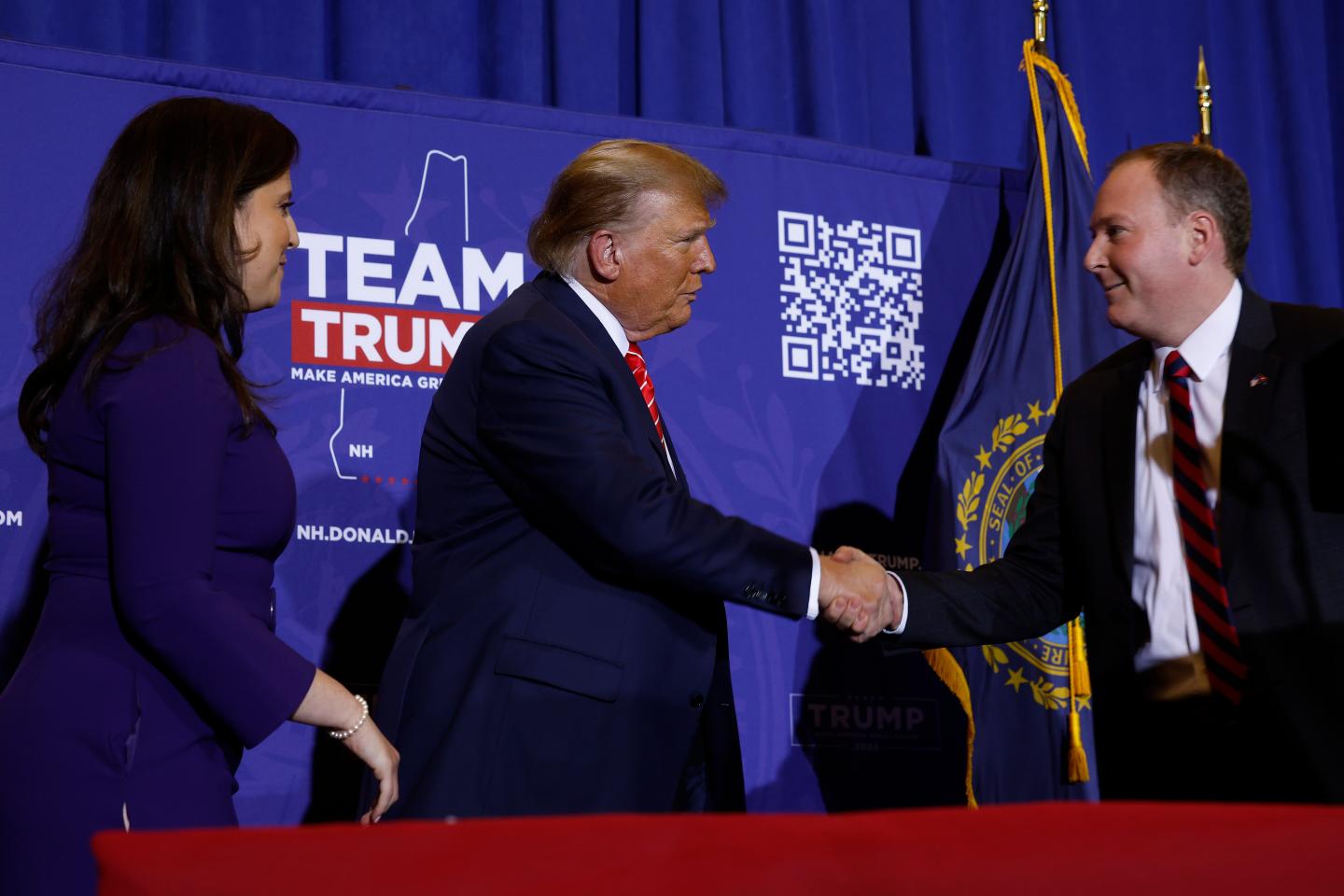
Meanwhile, the White House began fast-tracking oil, gas and coal projects, providing what Brittany Kelm, a senior adviser on energy policy to President Trump, publicly called “concierge, white-glove service.”
At the same time, Trump’s Department of Energy has blocked and defunded cheaper, cleaner sources of energy, even as Americans’ energy bills skyrocket across the country.
These were the administration’s most polluter-friendly proposals, delays and reversals of 2025. Each one will likely spend much of 2026 tied up in court.
1. Denying the danger of climate change
In a move intended to hinder climate action, EPA Administrator Zeldin is expected to finalize his proposal to repeal the EPA’s Endangerment Finding very soon. The Endangerment Finding is a critical scientific determination that found greenhouse gases are causing climate change, making them harmful to people’s health and welfare and therefore subject to regulation.
It affirms the EPA’s authority to limit the heat-trapping pollution, largely carbon dioxide and methane from burning fossil fuels, that is driving more dangerous heat waves, storms, flooding and wildfires.
To justify its repeal, the Trump administration secretly and unlawfully convened a group of five known climate action opponents who produced a widely criticized report downplaying the risks of greenhouse gas emissions. Scientists, even those whose work was cited, say the report is full of cherry-picked data and outright errors.
“The administration tried to twist clear and undeniable facts,” Environmental Defense Fund attorney Stephanie Jones testified at an EPA hearing. “But Americans know the truth: [climate] disasters are devastating communities across the nation and costing lives.”
2. Weakening fuel economy standards
On Dec. 3, the Trump administration proposed weakening fuel economy standards for cars and light trucks — a move that would force drivers to buy billions of gallons of additional gasoline.
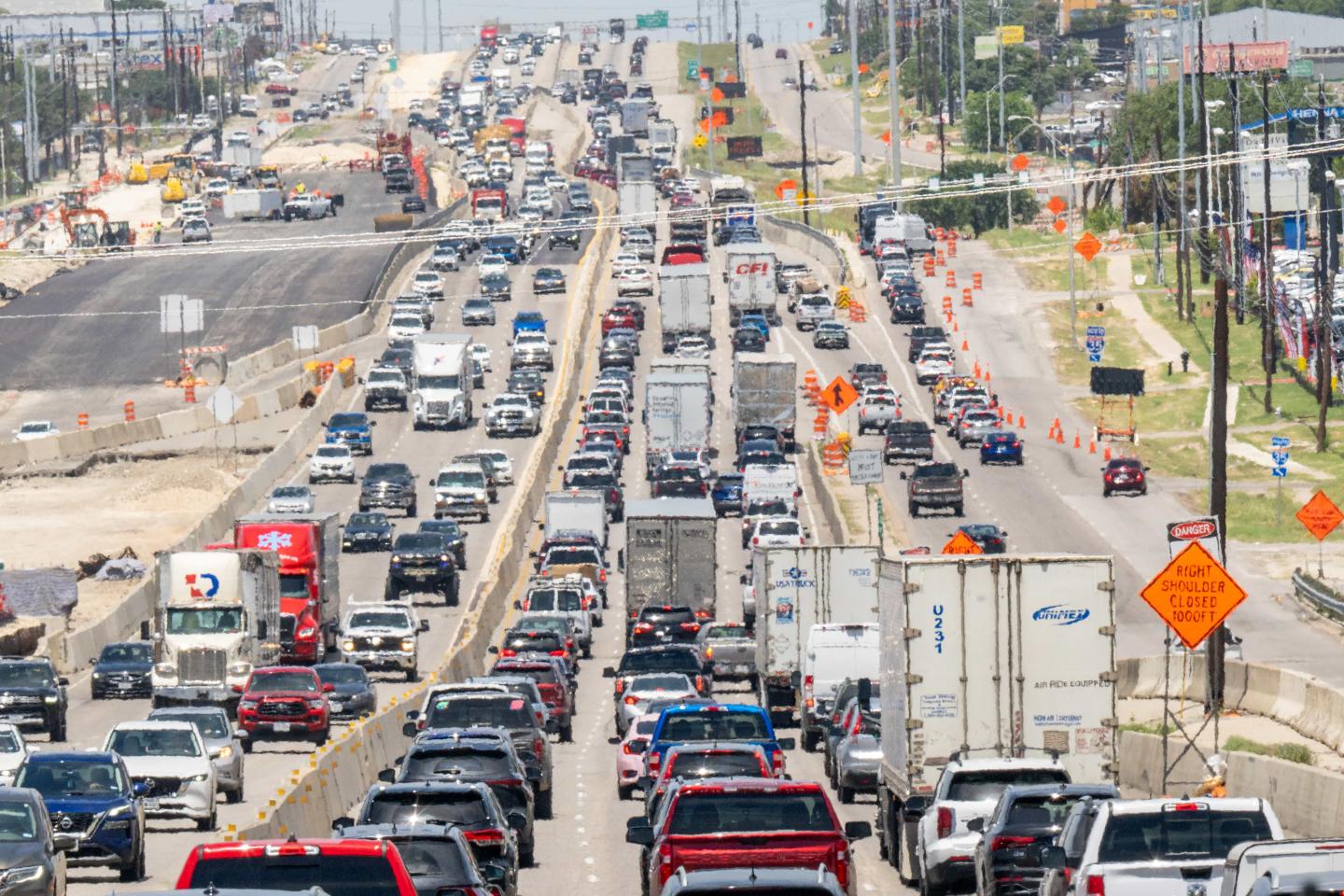
“Fuel economy standards have made vehicles more efficient, saving Americans money and reducing our reliance on imported oil,” said EDF attorney Andy Su, adding that the Trump administration’s proposal “would increase costs for Americans and be disastrous for our economy, national security and the environment.”
The standards that the Trump administration has proposed weakening would establish a fleetwide average of roughly 50 mpg by the 2031 model year. Undoing them will not only force Americans to buy more gas, it will also result in additional climate pollution that could have been prevented, as the existing standards are estimated to reduce 700 million metric tons of planet-warming pollution by 2050. That’s about the same amount of climate pollution that the entire country of Canada releases.
Environmental news that matters, straight to your inbox
3. Delaying methane limits for oil and gas companies
Even though electricity prices are up in 47 states and the price of natural gas is at a three-year high — the Trump administration has blocked cheap, clean wind and solar energy and given oil and gas companies the green light to waste more natural gas.
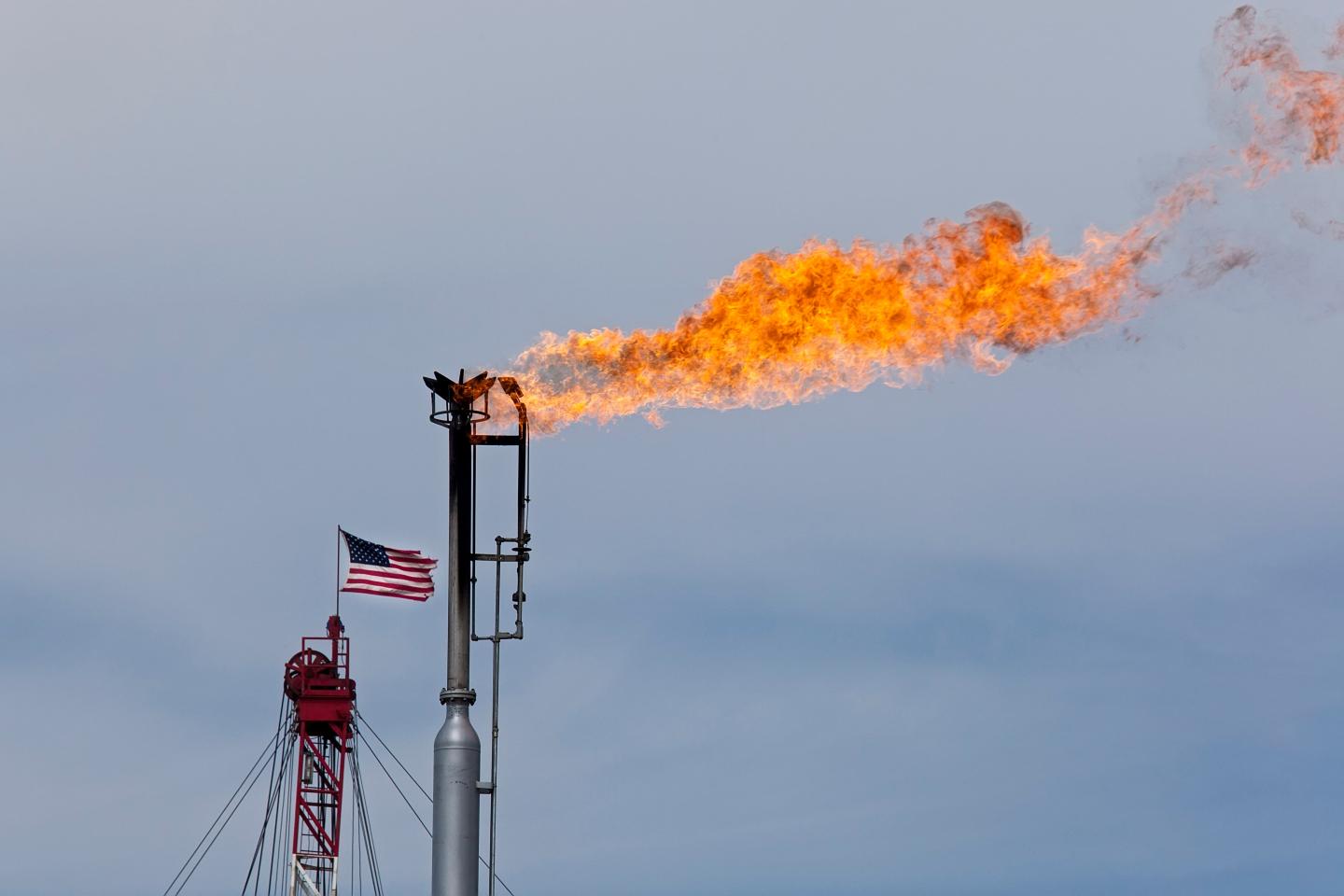
In 2023, the industry wasted enough gas to cover the heating and cooking needs of about 19 million homes. The EPA's new federal limits on methane pollution would have curbed that waste, but the Trump administration delayed those rules. Methane is the main component of natural gas, and it can leak or be purposely released from oil and gas sites.
“Americans deserve cleaner air and less energy waste, but the Trump EPA's final rule rushes us in the opposite direction," said Rosalie Winn, an attorney at EDF who leads the group’s work on methane standards.
Methane is a climate “super pollutant” that has caused about a third of the global warming we’re currently experiencing, driving more dangerous and deadly floods, wildfires and heatwaves.
Delaying the new methane standards by just one year will result in 3.8 million tons of methane, 960,000 tons of volatile organic compounds (VOCs) and 36,000 tons of toxic air pollutants spewed into U.S. skies that could have been prevented.
4. Relaxing rules on brain-damaging mercury
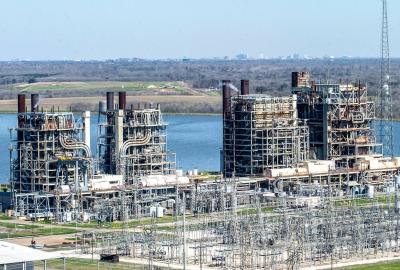
Since taking office, President Trump has granted 71 coal-fired power plants “presidential exemptions” to dodge pollution standards issued in 2024, allowing them to continue emitting dangerous levels of mercury and other toxic air pollutants — even though advances in control technologies make meeting the standards highly feasible.
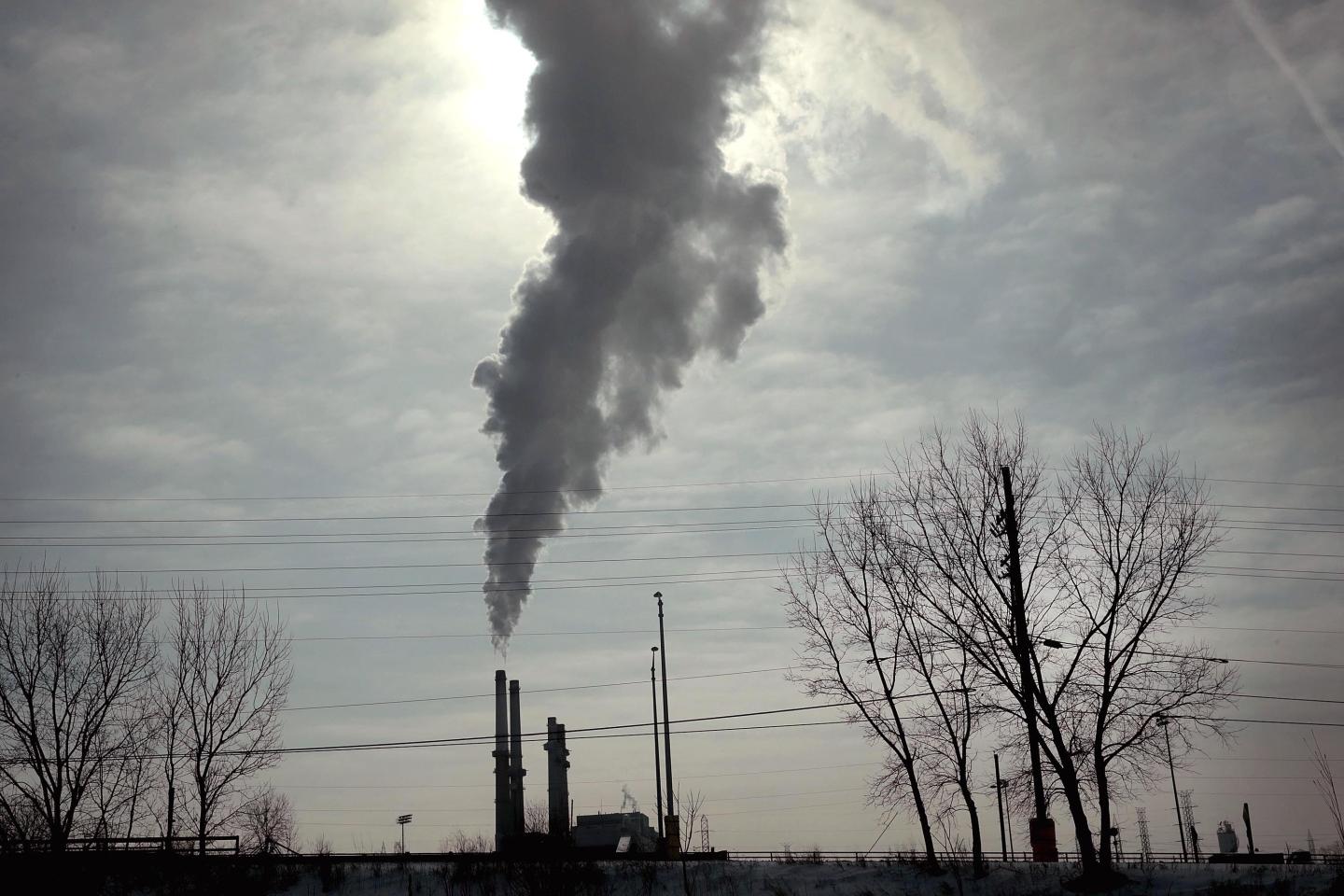
Coal power plants are the largest source of toxic mercury pollution in the U.S. Mercury from smokestacks can settle in lakes and rivers and end up in fish and crops. Exposure can cause lifelong brain damage in children, cardiovascular issues in adults, and weaken the immune system.
The presidential exemptions are a placeholder for an even bigger gift to some of the nation’s biggest polluters: The EPA plans to revert back to its outdated and flawed 2012 standards, which had a loophole that allowed power plants burning dirty lignite coal to emit three times more mercury than other plants.
- “Beautiful, clean coal” is a myth. So is the idea that coal power is cheap and reliable
- This map tells you if you live near a facility with a “presidential exemption”
5. Abandoning stronger protections from toxic soot
Soot pollution comes from vehicle exhaust, power plants and factories. It’s extremely dangerous because it is made up of tiny toxic particles that can lodge deep in the lungs, resulting in severe health problems such as heart attacks, strokes and cancer.
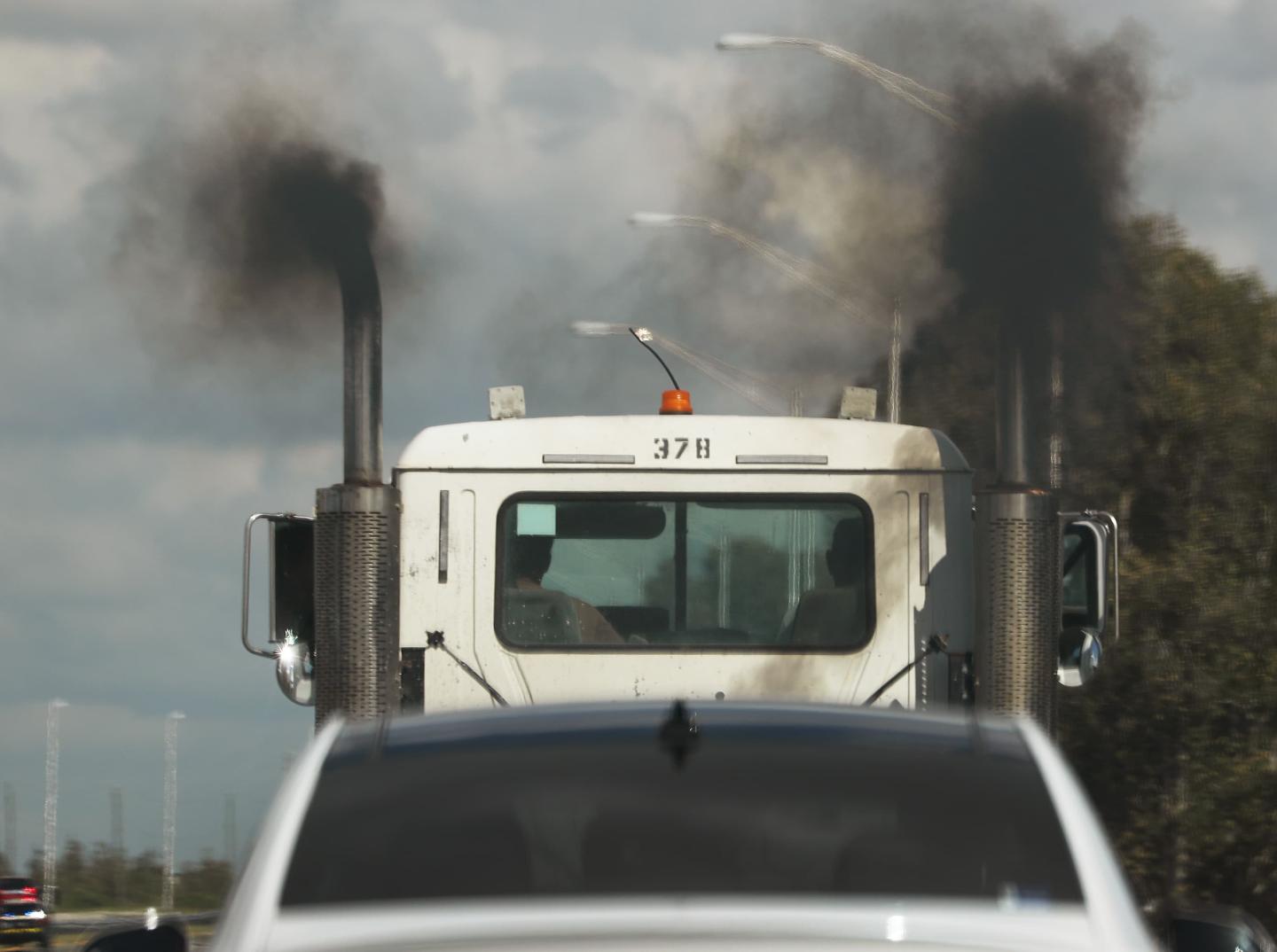
The EPA updated its annual soot standards last year to better protect people’s health. By lowering the standard to 9 micrograms per cubic meter of air (down from 12), the agency estimated that 800,000 asthma attacks, 2,000 hospital visits and 4,500 premature deaths would be avoided, adding up to $46 billion in health benefits in 2032.
However, the new standards faced legal challenges from groups representing some of the nation’s worst polluters. Now, the Trump administration has asked the U.S. Court of Appeals for the District of Columbia Circuit to toss out the new, more protective soot standard.
If the three-judge panel grants the request, the previous standard of 12 micrograms, set back in 2012, will snap back into place.
“Walking away from these clean air standards doesn’t power anything but disease,” said Patrice Simms, vice president of Healthy Communities at Earthjustice, which is representing EDF and six other clients in the case. “Trump has made it clear that his agenda is all about saving corporations money, and this administration’s EPA has nothing to do with protecting people's health, saving lives, or serving children, families or communities.”