
Dr. Ruth Patrick: A pioneering ecologist who helped us understand the harms of pollution
Born in 1907, Patrick made a major scientific breakthrough at a time when female scientists were often overlooked and underestimated.
Charlie Hodge had no idea his mom was a famous scientist until he started 9th grade.
“She was always just ‘mom’ to me,” he says. Then a friend asked if he had seen the photo of his mom, Dr. Ruth Patrick, in their biology textbook.
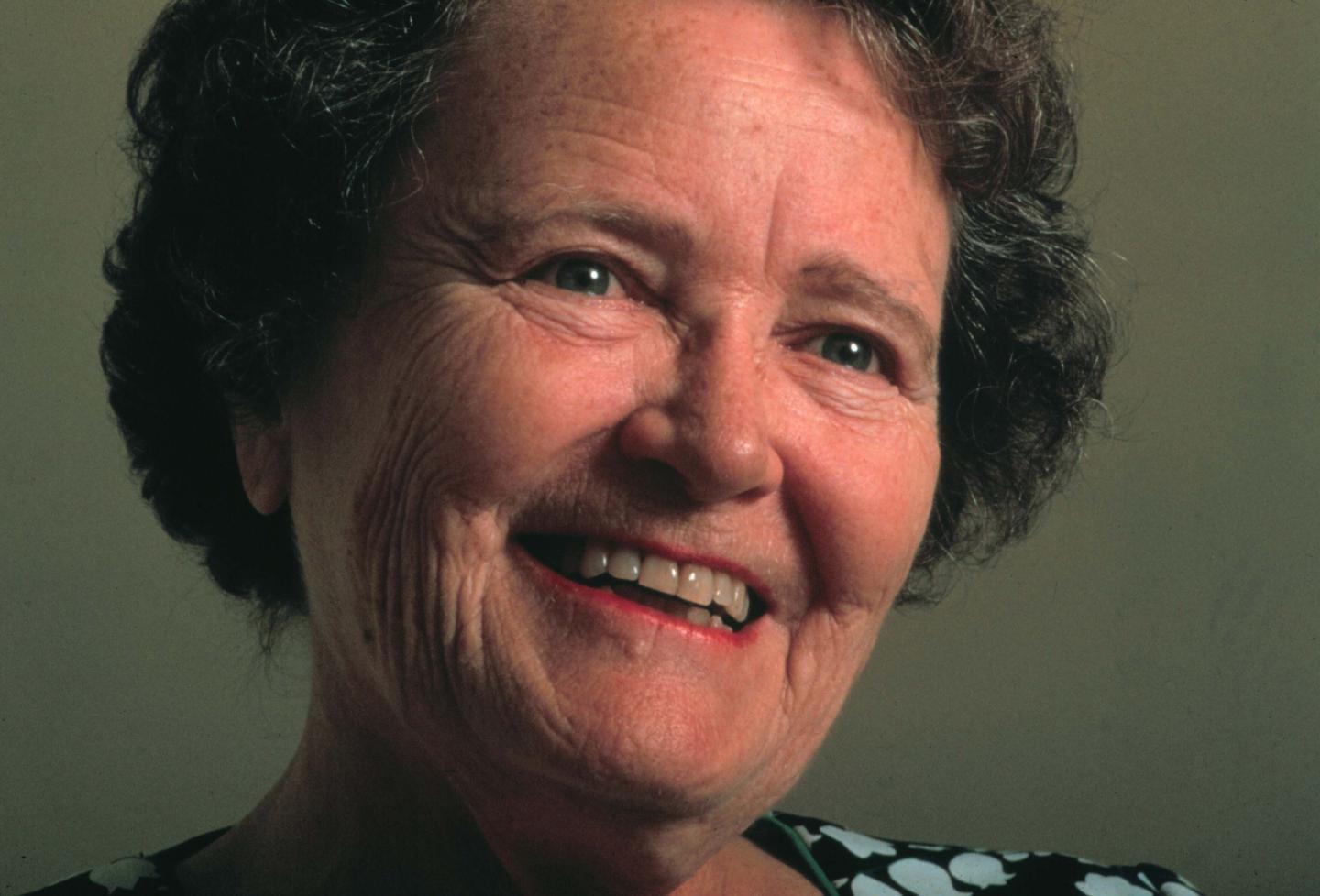
“The last chapter was devoted to her 1948 Patrick Principle study,” Hodge says. “I knew she had an important job. But that was the moment I started paying more attention.”
Dr. Patrick, who passed away in 2013 at age 105, discovered her passion for science as a young girl when she first looked through her father’s microscope at a drop of pond water. What she saw amazed her — a hidden, magical world of ornate, single-celled algae with glass-like shells, glistening like jewels.
“That excitement never left her,” says Julie Winterbottom, who recently published a children’s book about Patrick titled Magic in a Drop of Water. “In fact, it propelled her into this amazing career as an ecologist.”
Born in 1907, Patrick persevered at a time when female scientists were often overlooked and underestimated. Her tenacity led to a breakthrough discovery about biodiversity that changed how ecologists understand pollution — what became known as the “Patrick Principle.”
By studying different waterways with a team of researchers, Patrick found that living things can serve as natural indicators of pollution levels. In a healthy stream, many different species flourish. But polluted water allows only a few species to survive and dominate. In very polluted water, nothing survives.
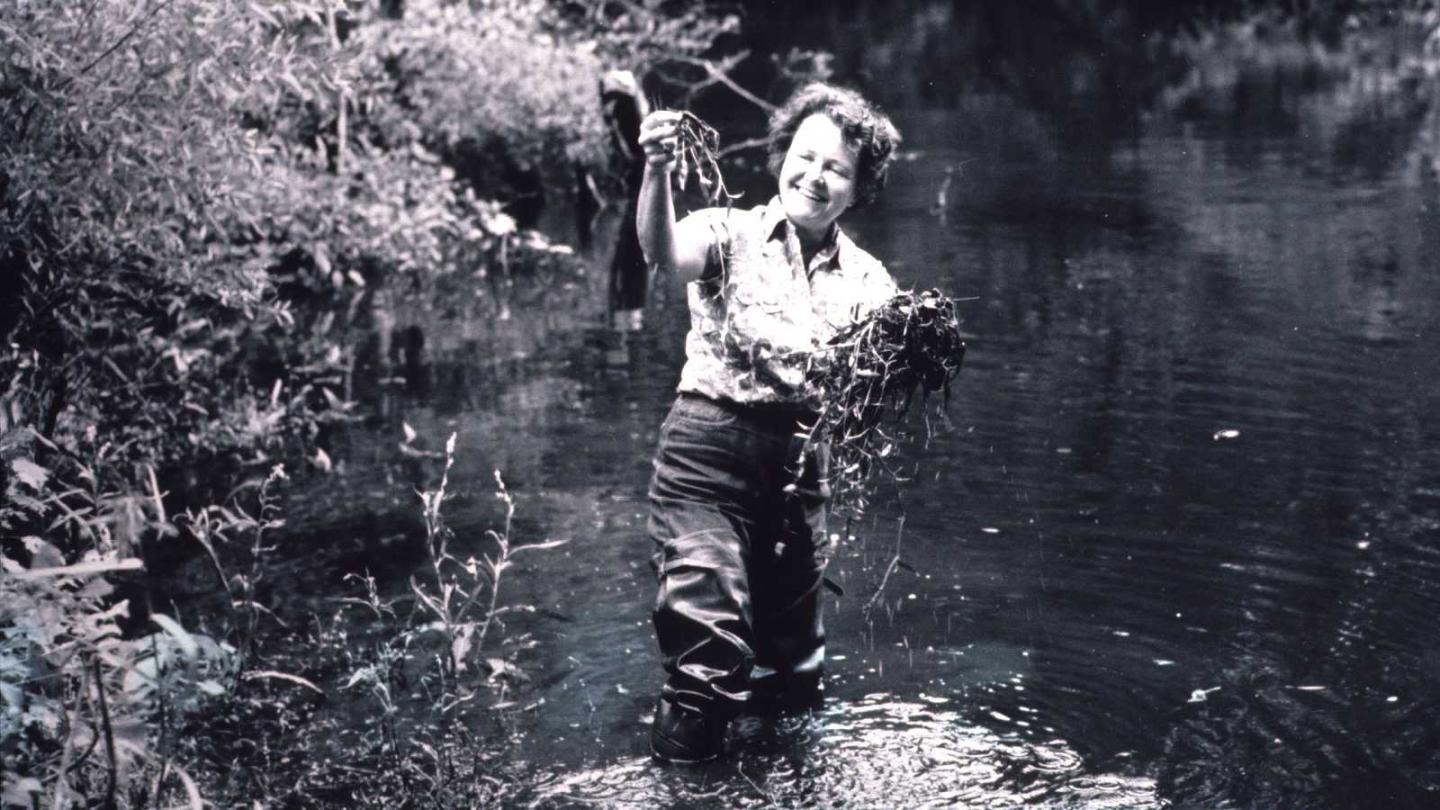
Her work helped change the way scientists monitor water quality and ecosystem health, no longer just measuring levels of contaminants, but evaluating the bigger picture.
Winterbottom says that writing a book about Patrick felt especially urgent. “Given what’s going on in the world, and that our streams and environment — and the planet as a whole — are in so much jeopardy, I wanted to write something that might inspire the next generation,” she says, adding, “I want kids to know that the thing you love to do when you’re very young, that you’re excited about and passionate about, can actually turn into your life’s work. And that work can leave the world a better place.”