
Shhh. Companies are still quietly pursuing climate action.
When President Trump began his second term last January, environmental advocates feared big U.S. businesses, after years of climate action, would balk on continued progress. And as 2025 proceeded, many saw proof in the headlines that their fears were correct: Major U.S. companies announced departures from global climate initiatives, while popular American brands fell silent about sustainability on earnings calls.
Yet experts say that this is not evidence of widespread backtracking on corporate climate commitments. In many American companies, the work continues — sometimes quietly, sometimes differently.
“While companies may be talking less about sustainability in public, the majority are continuing to do the work,” says Lea Borkenhagen, senior vice president of the Environmental Defense Fund team advising big businesses on climate. "In fact, a growing number of businesses are baking climate action into core operations — and they’re doing so because it simply makes good business sense.”
So why the silence? Some call it “greenhushing.”
In this recent trend, big companies keep quiet about sustainability to avoid backlash or legal trouble even as they keep cutting climate pollution. While the term “greenhushing” was coined nearly two decades ago, the practice skyrocketed after the 2024 U.S. presidential election, according to recent reports.
Analyses show that most big businesses are in fact still acting on climate — or even doing more.
Climate action gives an edge over the competition
A Harvard Business Review analysis late last year found that out of 75 major brands, only 13% retreated from sustainability efforts, while 85% held steady or accelerated — often out of public view. Recent surveys by business consultancies Deloitte and Accenture reported the vast majority of CEOs were maintaining or growing their company’s sustainability work.
Meanwhile, accounting firm PricewaterhouseCoopers last year found that out of more than 4,000 companies that report climate targets, more than one-third had deepened their climate efforts, for example, by moving from a broad goal to publishing a more detailed, science-backed target to achieve a significant emissions reduction.
Indeed, experts say big businesses know that climate change is a growing risk — and tackling it gives an edge over the competition.
Multinational brands with a global footprint have seen worsening storms, flooding or wildfires send supply chains into disarray. For example, severe droughts in 2023 and 2024 lowered water levels in the Panama Canal so severely that most ships couldn‘t traverse the waterway, disrupting global trade for weeks. Research shows the canal will see worse and more frequent droughts, if climate change is unabated.
Reducing climate pollution is a company’s best tactic to help slow down the warming that is causing more extreme weather disruptions worldwide. Redesigning products and processes with sustainability in mind has also helped leading companies save money, attract new customers and make supply chains more efficient and resilient.

Businesses are also continuing their climate efforts in order to operate in places like California and the European Union, which require companies to disclose emissions in order to do business within their borders.
Finally, corporate recruiters are competing to attract and retain younger workers who care deeply about the environment.
“Millennials and Gen Z make up a growing share of the workforce and are ascending to the C-suites at leading companies,” notes Borkenhagen. “These generations expect climate considerations to be integrated into how companies operate — not treated as optional.”
Environmental news that matters, straight to your inbox
The big question for big business
Will the greenhushing trend turn around? Already, some companies are not staying silent.
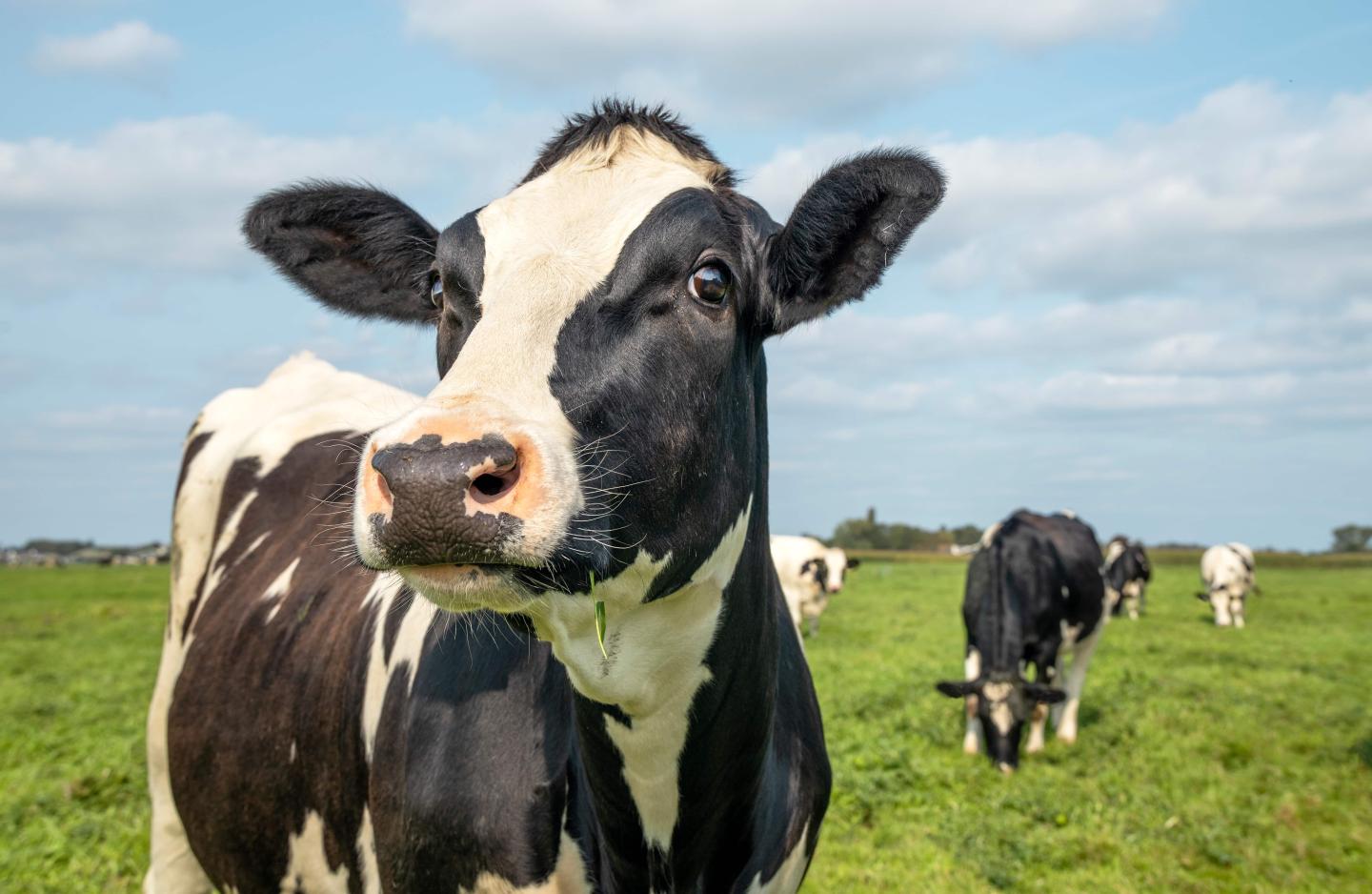
Leading dairy companies in the U.S. and Europe, for example, have been vocal about their efforts to reduce methane, a potent greenhouse gas, from their most important suppliers — cows. The Dairy Methane Action Alliance announced new member companies, including two of the world’s 20 largest dairy companies, Agropur and Savencia Fromage & Dairy, in 2025.
Alliance members also released methane data for the first time last year and are following up with detailed public action plans to shrink their methane hoofprints. Danone, a founding member, has already reduced methane from its fresh milk supply by 25% since 2020.
Methane has 80 times the warming power of carbon dioxide in the near term, and dairy cows — especially their burps — are responsible for about 10% of the emissions caused by humans. Dairy cows and livestock farmers are already suffering the impacts of climate change — such as when a devastating heatwave in 2022 killed thousands of cattle in Kansas, or when heavy wildfire smoke in 2020 caused Idaho dairy cows to make significantly less milk.
- Searching for a seaweed to combat cow burps
- Farmers, scientists seek solutions to global warming caused by cows
Companies are making bold, long-term moves in other industries, too.
In January, eBay released a climate transition plan with a goal to cut emissions from the planes, ships and trucks ferrying goods for the retail giant by 27.5% by 2030, compared to a 2019 baseline. The company has already reduced these emissions by over 21%. Fellow retailers Amazon and Etsy also joined eBay to back the deployment of roughly 40 all-electric trucks on a popular shipping route between Houston and Dallas, with the trucks expected on the road by the end of the year. In the tech sector, Apple announced in 2025 that it had reduced climate emissions by more than 60% compared to 2015 levels — significant progress toward the company's goal to become carbon neutral by 2030.
“Smart and agile business executives know that companies that lead on climate are often better positioned for short-term stability and long-term growth,” says Borkenhagen. "The defining question for business today is not whether climate change matters — but how prepared companies are to meet the challenge of operating in today’s climate.”