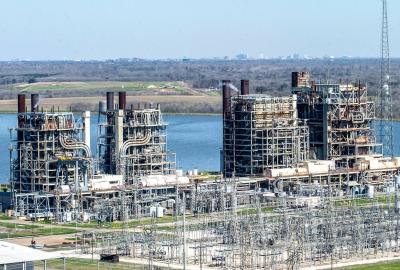

“Beautiful, clean coal” is a myth. So is the idea that coal power is cheap and reliable.
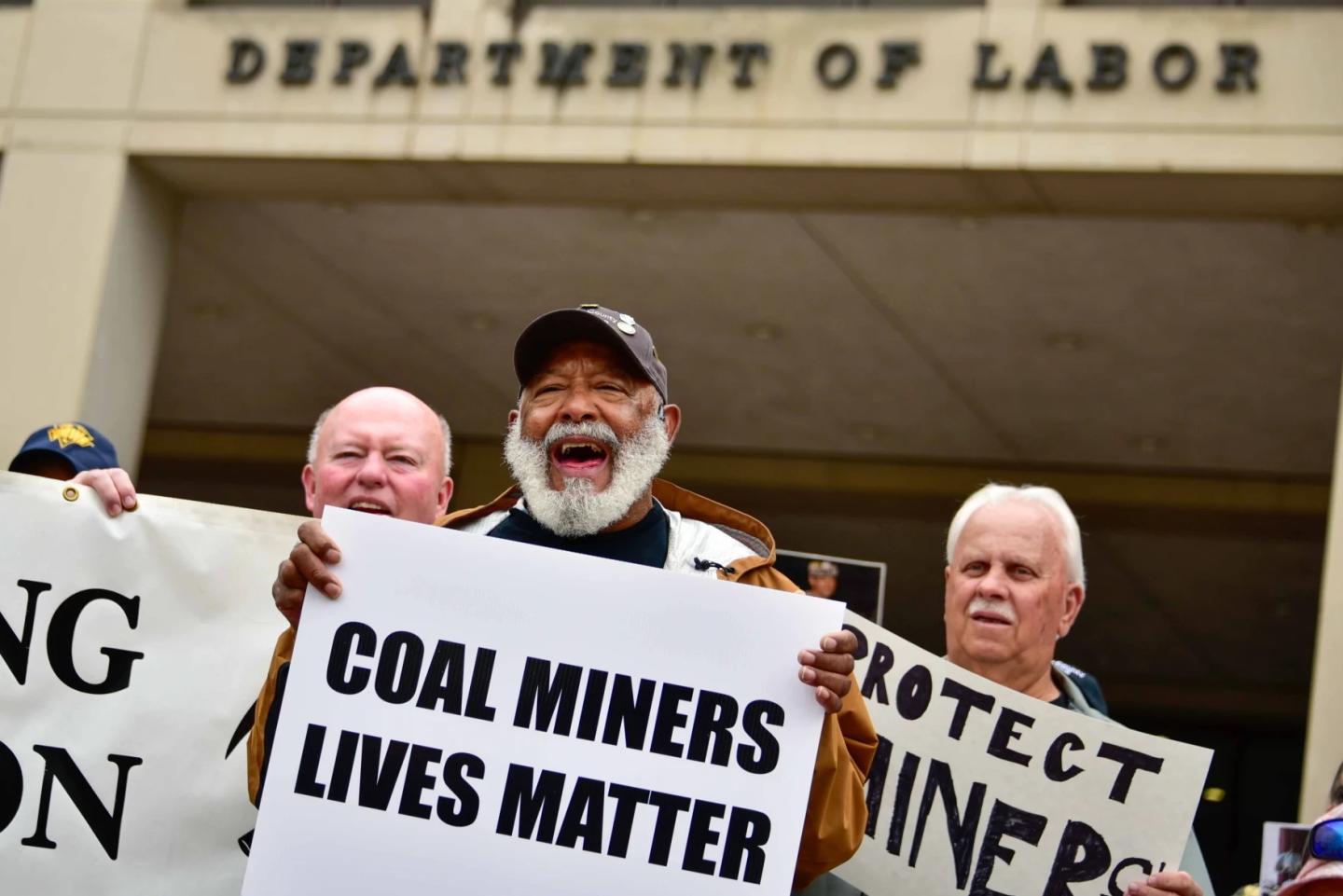
For more than 20 years, Gary Hairston has struggled to breathe. He can’t play with his grandkids or climb stairs without gasping for breath, his lungs deeply scarred from years of inhaling coal and silica dust in West Virginia’s underground coal mines.
Hairston suffers from black lung disease, along with almost 38,000 other U.S. coal miners.
But black lung disease isn’t the only problem with coal.
Coal power has an outsized impact on global temperatures, producing 16% of U.S. climate pollution. It’s also a costly and unreliable source of electricity, and a health hazard for anyone living near a power plant that burns coal. These are the facts about coal.
FACT: It’s not just miners — coal is bad for everyone’s health
“At every point in its production cycle and its lifecycle, coal has really perilous health impacts,” says Paige Varner, a health scientist with the global nonprofit Environmental Defense Fund.
When coal is burned in power plants, it releases tiny particles — soot — that burrow deep into people’s lungs, even making their way into the bloodstream. Soot exposure is linked to heart disease, respiratory illnesses, cancer, dementia and other illnesses. A 2023 study in Science found that 460,000 people died prematurely from coal pollution in the U.S. between 1999 and 2020.

The health impacts of burning coal are so severe that when a plant outside of Pittsburgh that heated coal as part of the steelmaking process closed in 2016, local emergency room visits for cardiovascular events dropped by 42%. Pediatric asthma cases plummeted by a similar amount.
The Trump administration is both proposing to overturn and failing to enforce the most recently updated EPA standards that help protect against soot from coal and other sources. In April, that lack of enforcement prompted EDF and a coalition of 16 other public health, environmental and community groups to sue the EPA in federal court.
Environmental news that matters, straight to your inbox
FACT: Coal is not cheap
One of the biggest myths about coal power is that it’s cheap. In fact, the opposite is true. Many utilities are phasing out coal plants in favor of clean energy simply because coal plants require a lot of expensive repairs and costly, dirty fuel.
One example: When the Trump administration illegally forced a Michigan coal plant slated for closure in May 2025 to remain open, it jacked up costs for consumers throughout the Midwest by $600,000 a day. By the end of 2025, those increased costs totaled $135 million. That plant is still open and the costs are continuing to add up.
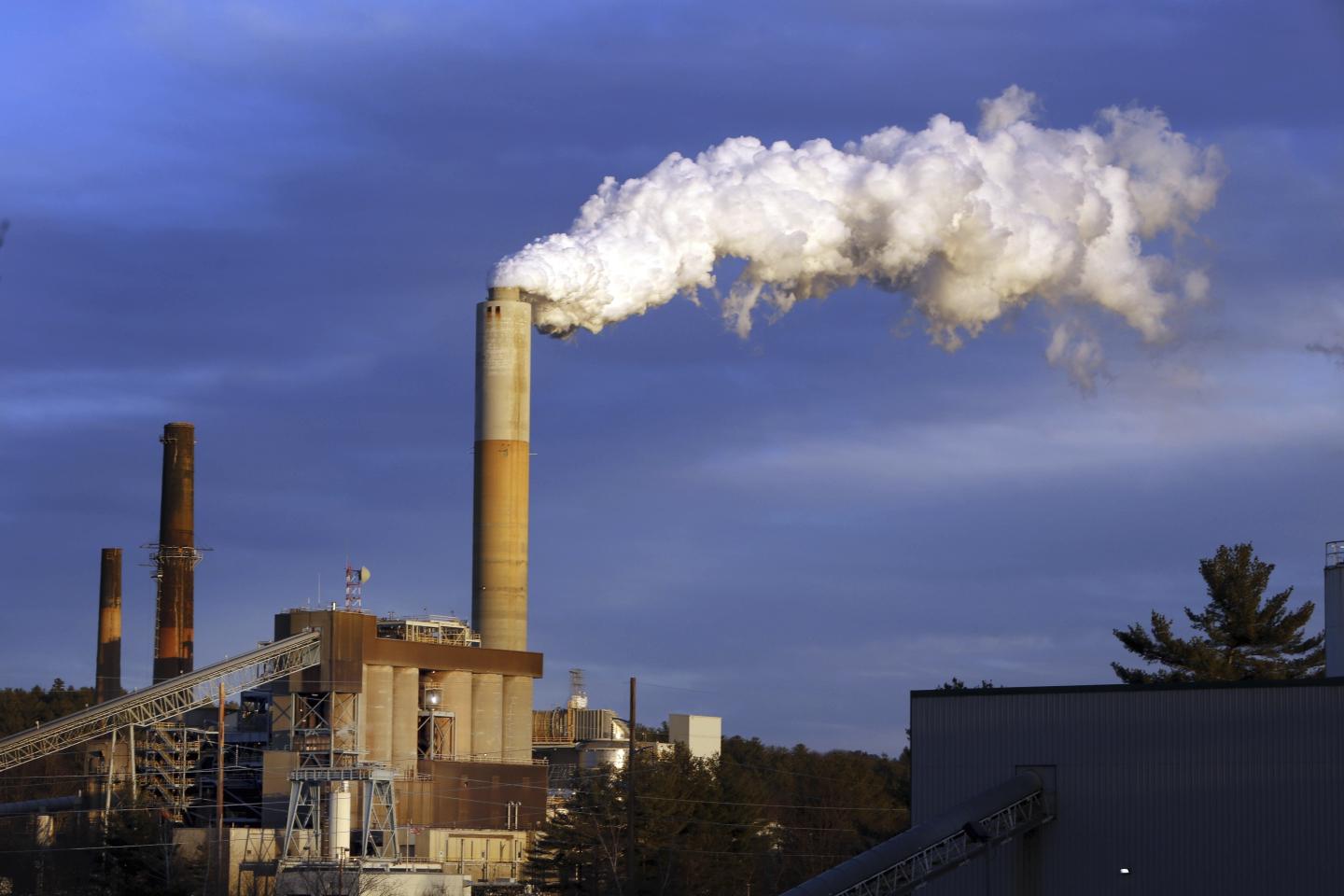
Coal power is so expensive that, according to a 2023 study, 99% of the time it would be cheaper to get electricity by building entirely new wind and solar farms than it would be to buy power from existing coal plants.
Plus, federal taxpayers have subsidized the industry for almost 100 years. In 2026, those subsidies will total at least $5.5 billion. And that total doesn’t include a host of recent giveaways to the coal industry, including $625 million in extra subsidies, which the Trump administration announced in late September; or the value of the 13 million acres of federal land it decided to open to coal mining.
And when coal-related pollution causes heart attacks, lung diseases, cancer and dementia among Americans receiving federally funded healthcare, we taxpayers all foot the bill.
- Aging coal power plants, forced to stay open by Trump administration, are costing consumers millions
- Why you're paying more for electricity
FACT: Coal ash pollutes
Coal ash, the hazardous residue left after coal is burned, is a cocktail of cancer-causing compounds, toxic metals like arsenic and lead, and other dangerous substances. Power plants alone produce about 70 million tons of it each year. It's stored, often as a slurry, in hundreds of retention ponds and dumps around the country. One study found groundwater near these storage facilities to be contaminated by coal ash in 91% of areas sampled.
In 2008, an accident caused one billion gallons of coal ash slurry to spread across 300 acres in Kingston, Tennessee, destroying nearby homes, poisoning rivers and contaminating drinking water. Workers brought in to clean up the spill were told they would be fired if they wore respirators, says Gabi Lichtenstein of Appalachian Voices, a community group which advocates for the workers and their families. “Hundreds of them have come forward with really serious illnesses — cancer, respiratory disorders — and over 60 have died.”
In April, the Trump EPA proposed weakening federal coal ash standards.
FACT: Coal power is not as reliable as people think
U.S. coal plants are almost twice as likely as any other form of electricity generation to shut down because of equipment failures, according to a new EDF analysis. In fact, a 2023 report by a nonprofit group of electricity industry experts found coal plants often shut down unexpectedly, meaning grid operators can’t plan for their closures. In all, the nation’s coal plants are available to supply electricity, on average, only 83% of the time, and many coal plants work far less.
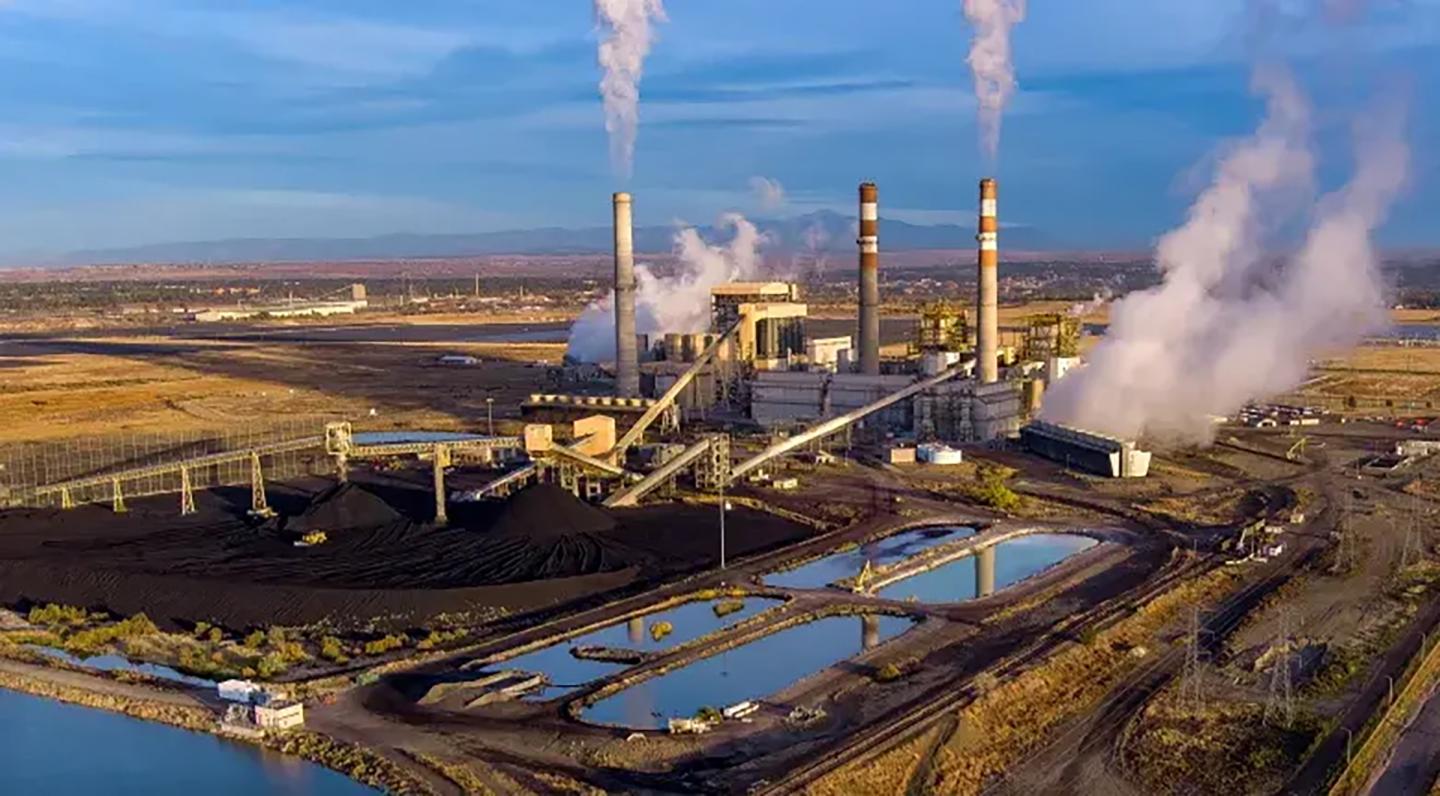
Take the Comanche 3 coal plant in Pueblo, Colorado. One of the country’s newest coal power plants. It opened in 2010. By 2025, it had been offline, on and off, for more than two years. This summer, it failed to operate on eight high-electric-demand days in July and then shut down abruptly in August. The utility that operates the plant, Xcel, says it doesn’t expect Comanche 3 to come online again until June.
“If your goal is to keep the lights on,” says Ted Kelly, who leads the clean energy program at Environmental Defense Fund, “you should choose something else.”
FACT: Coal is a greenhouse gas powerhouse
The U.S. was the world’s second-largest climate polluter in 2022, pouring out almost as many greenhouse gases as India and the European Union combined. Of that total, coal was responsible for an outsized proportion of U.S. climate pollution — about 16%. That number includes pollution from coal-fired power plants and industrial plants that make iron, steel and cement, as well as the methane that pours out of active and inactive coal mines. In all, it’s the equivalent of pollution from almost 195 million cars.
But coal doesn’t provide 16% of the energy the U.S. uses — just 16% of the electricity. (Other sources of greenhouse gases include oil used for transportation, fossil gas for heating and power plants, methane and other pollution from agriculture.) In other words, when it comes to overheating the atmosphere, coal punches far above its weight.
The bottom line? Coal is bad for Americans’ pocketbooks, health and well-being.