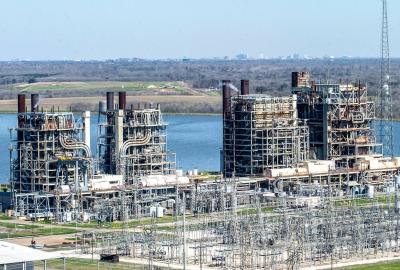

Texas voters say yes to $20 billion water fund
In arid Texas, where the population is growing and water-intensive industries, including data centers, continue to surge, voters moved decisively this November to ensure that tomorrow’s prosperity rides on reliable water supplies, not luck.
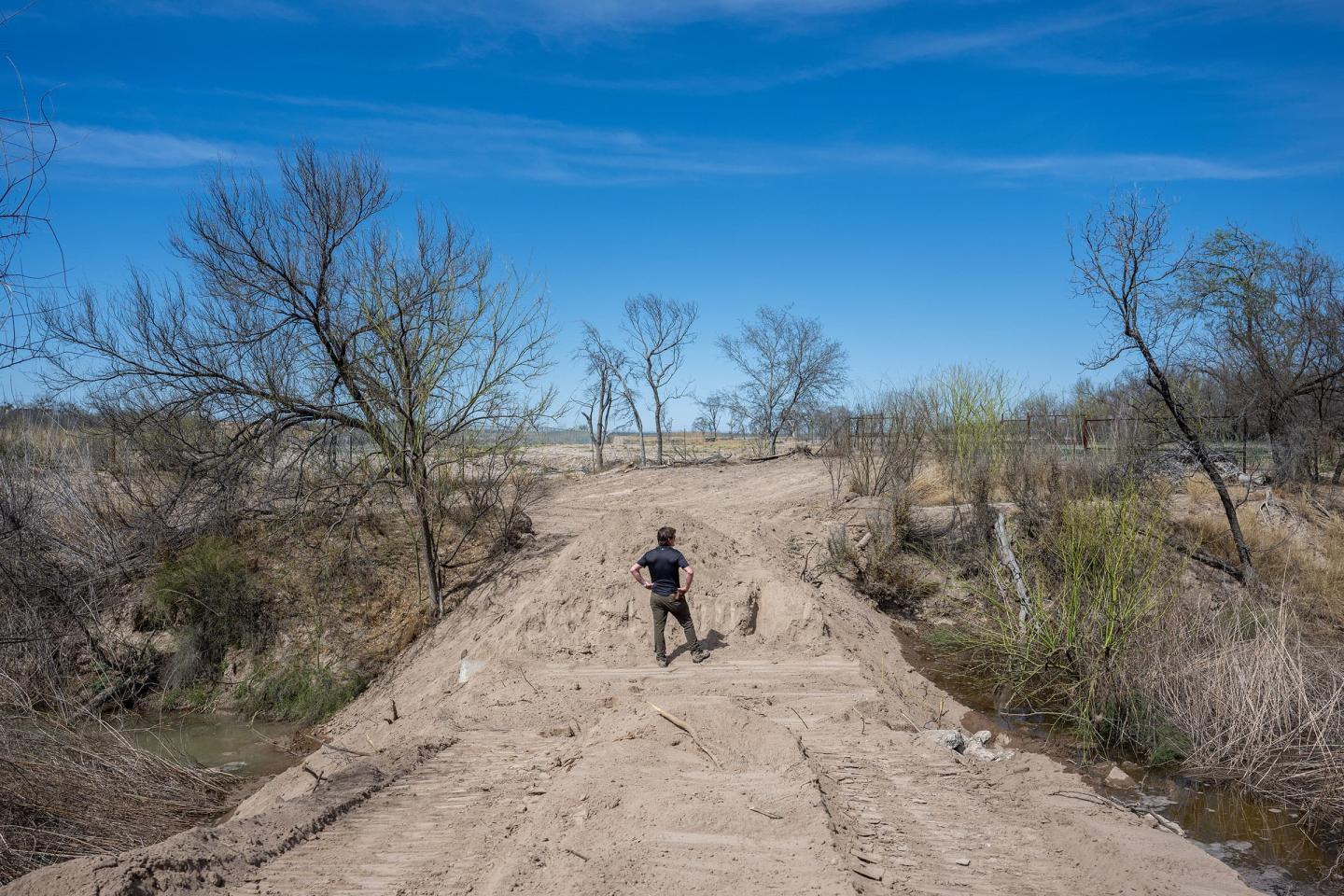
Proposition 4, which won by more than 70% of the vote, will create the largest water investment in state history: a multi-year, $20 billion fund to patch leaky pipes, launch bold new supply projects and protect the groundwater resources on which much of the state relies. For ranchers with dwindling wells and communities facing boil-water notices, the vote marks a critical step toward more secure and steady supplies.
With the vote, Texas leaps to the front of a new Western water movement — moving assertively, along with states like California, New Mexico and Colorado, to protect water supplies from drought, shrinking river flows and more frequent, extreme heat from climate change.
“For the first time, Texas has a dedicated source of revenue for water supply and infrastructure,” says Environmental Defense Fund’s Texas water director Vanessa Puig-Williams, who helped get the measure on the ballot. “It doesn’t come close to solving all our water challenges, but it’s a major and historic step forward.”
Climate pressure and crumbling pipes
Until Proposition 4’s passage, local water systems were forced to rely on a patchwork of ratepayer revenue, municipal bonds, state loans and federal grants, leaving many communities without the resources to plan ahead. Now, rural towns and big cities alike can apply for state funds, all with the goal of building greater water resilience for the future.
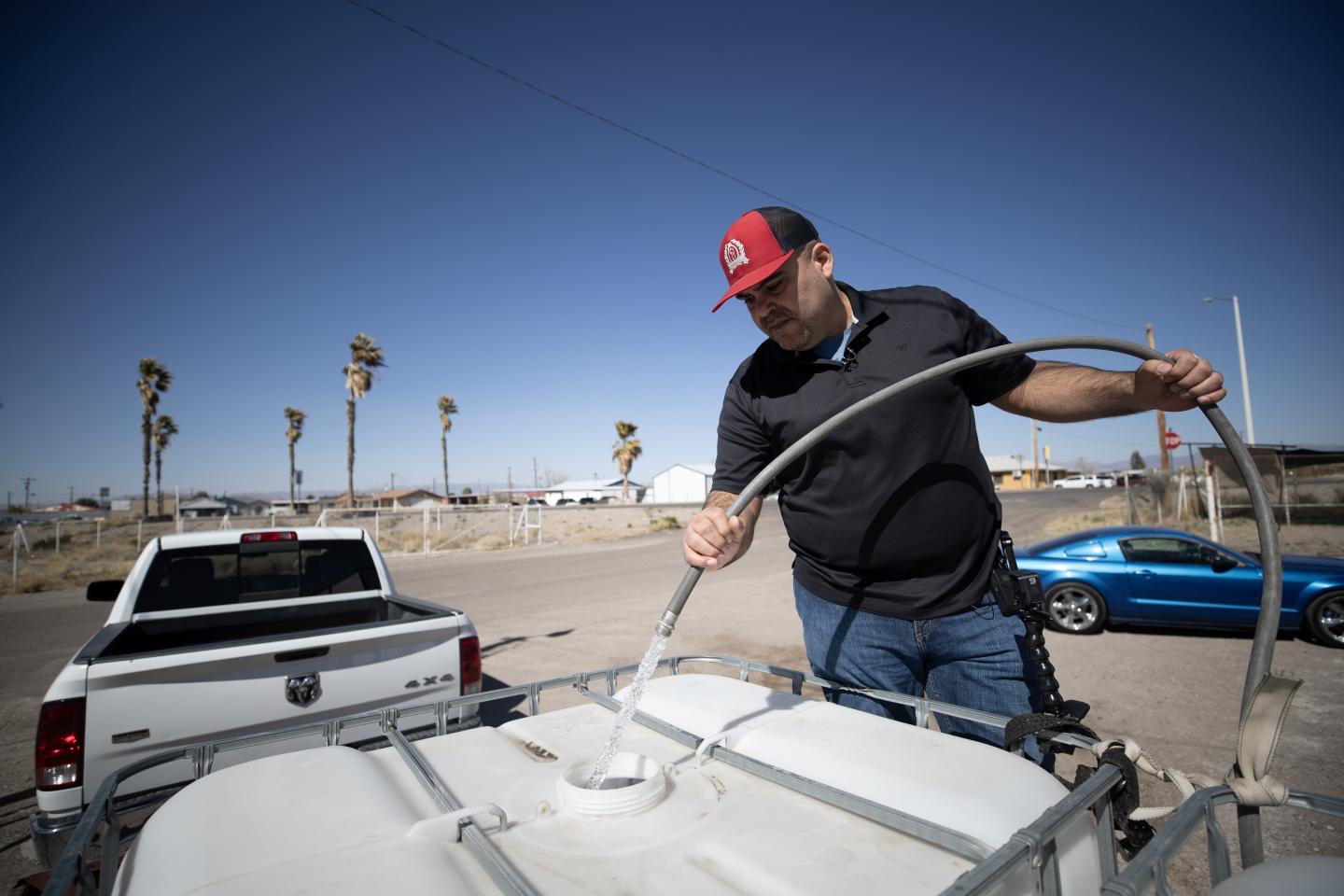
The $20 billion program, supported by existing sales-tax revenue, represents the largest state-level investment in water in Texas history. But it’s just a down payment on the enormous needs ahead. As the state’s population booms — growing by more than 36% over the past 20 years — it has also attracted more energy-hungry industries and sprawling data centers. The latter require significant volumes of water to cool servers.
But crumbling infrastructure and droughts fueled by climate change mean the state will need as much as $150 billion over the next half-century to upgrade aging systems and build new water supplies, according to the research organization Texas 2036. According to the National Wildlife Federation, up to 30% of Texas’s treated water leaks out of aging pipes — enough to supply Houston’s drinking water for a year.
Environmental news that matters, straight to your inbox
Fresh thinking for a water-stressed state
The path to Proposition 4’s passage was anything but straightforward. Early polling showed widespread confusion among voters, with only about 48% supporting the proposition when presented with the ballot text alone. EDF and other advocates responded with a voter-education campaign. Once Texans understood that the law would steer up to $1 billion a year from existing sales-tax revenue to fix leaky pipes and secure future water supplies, support jumped into the 70-percent range.
The effort brought together an unprecedented coalition of groups — including agriculture groups, environmental organizations and municipal water suppliers — all united around the importance of groundwater.
Proposition 4 ensures that innovative projects, including wastewater reuse and agricultural water conservation, can compete for funding alongside traditional infrastructure. It also includes support for projects such as wetlands restoration efforts and land conservation programs that allow nature to filter water and refill underground aquifers.
The measure strengthens protections for rural groundwater, barring state funds from supporting new water-supply projects that would export fresh groundwater and put local aquifers at risk. And by prioritizing alternative water supplies and stronger conservation, Proposition 4 helps reduce demand on already stressed groundwater reserves.
The measure also allocates $7.5 million for local groundwater data and science, laying the groundwork for smarter management of Texas’ precious underground water resources.
- In the Wild West of water, residents set politics aside to protect their future
- Water hope for Texas’s drought-stricken borderlands
Old practices collide with new water realities
Even with the passage of Proposition 4, deep-rooted legal doctrines continue to contribute to the uncertainty about the future of Texas’ groundwater supplies — supplies that provide over half of the water used annually in Texas and nearly a third of the water in the state’s rivers and springs.
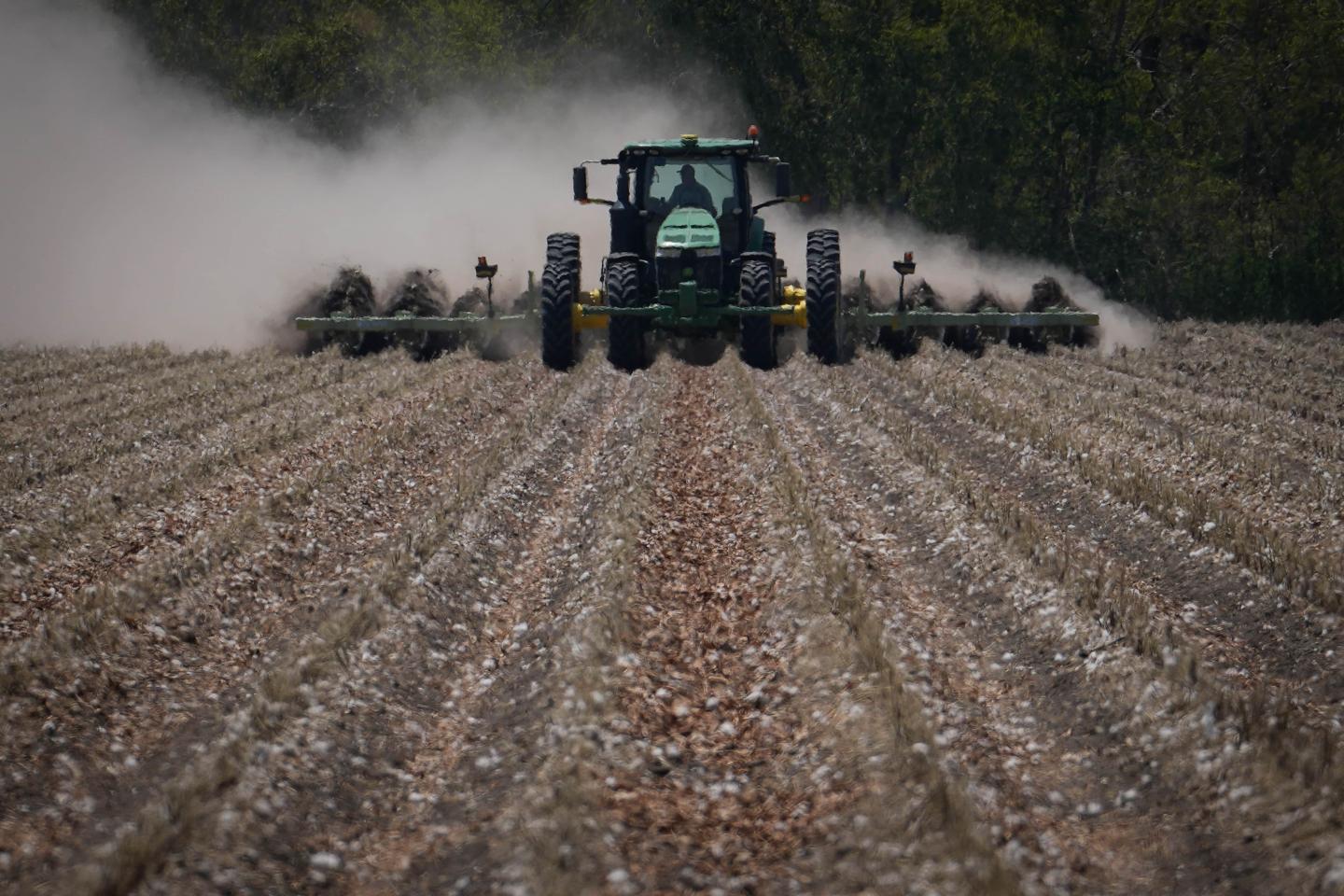
One central challenge is the state’s “rule of capture.” It’s a 100-year-old policy that lets landowners pump as much groundwater as they want without legal consequence, regardless of impacts on neighbors. In many rural counties, where no groundwater conservation districts exist to issue permits or set pumping limits, the rule operates with almost no guardrails. Last year, investor Kyle Bass proposed drilling more than 40 high-capacity wells in the Carrizo-Wilcox Aquifer beneath his East Texas ranch. The project would pump tens of millions of gallons per year with the potential to export water outside the local area. The new law prevents use of the newly created fund for groundwater transfers and limits funding for reservoirs to those that are already permitted and ready to build.
Although the Bass project and others like it will not be able to use new water-supply funds through Proposition 4 to develop groundwater projects, Texas still lacks the safeguards needed to prevent over-pumping and protect shared groundwater. Without stronger, statewide groundwater management, aquifers will remain vulnerable — and so will the communities that depend on them.
Replenishing groundwater
Across the drought-prone West, states and communities in Arizona, Colorado and California are dedicating more funding to building resilient water supplies. But Texas’ investment sets a new benchmark. Perhaps more importantly, it has sparked a statewide conversation that goes far beyond politics. Texans are now talking about the future of water in their state — what it means for their communities, their farms, their businesses and their children.
“It’s not just about the money,” Puig-Williams says. “It’s about finally recognizing that water is our most precious resource, and it’s time to start acting like it.”