
Reasons to be hopeful: 5 environmental wins in 2025
The first year of the second Trump administration has been one for the record books. Common-sense environmental protections and clean energy programs that safeguard Americans’ health, help stabilize the climate, create good jobs and help keep electricity prices in check have become prime targets for the administration. But if you focused only on that you’d have missed some seriously impressive developments.
So read on, take in the good news, and remember: As important as Washington, D.C. is in determining the future for all of us, there are plenty of ways and places to make progress, this year and in the years ahead.
Clean electricity is much cheaper than fossil fuels
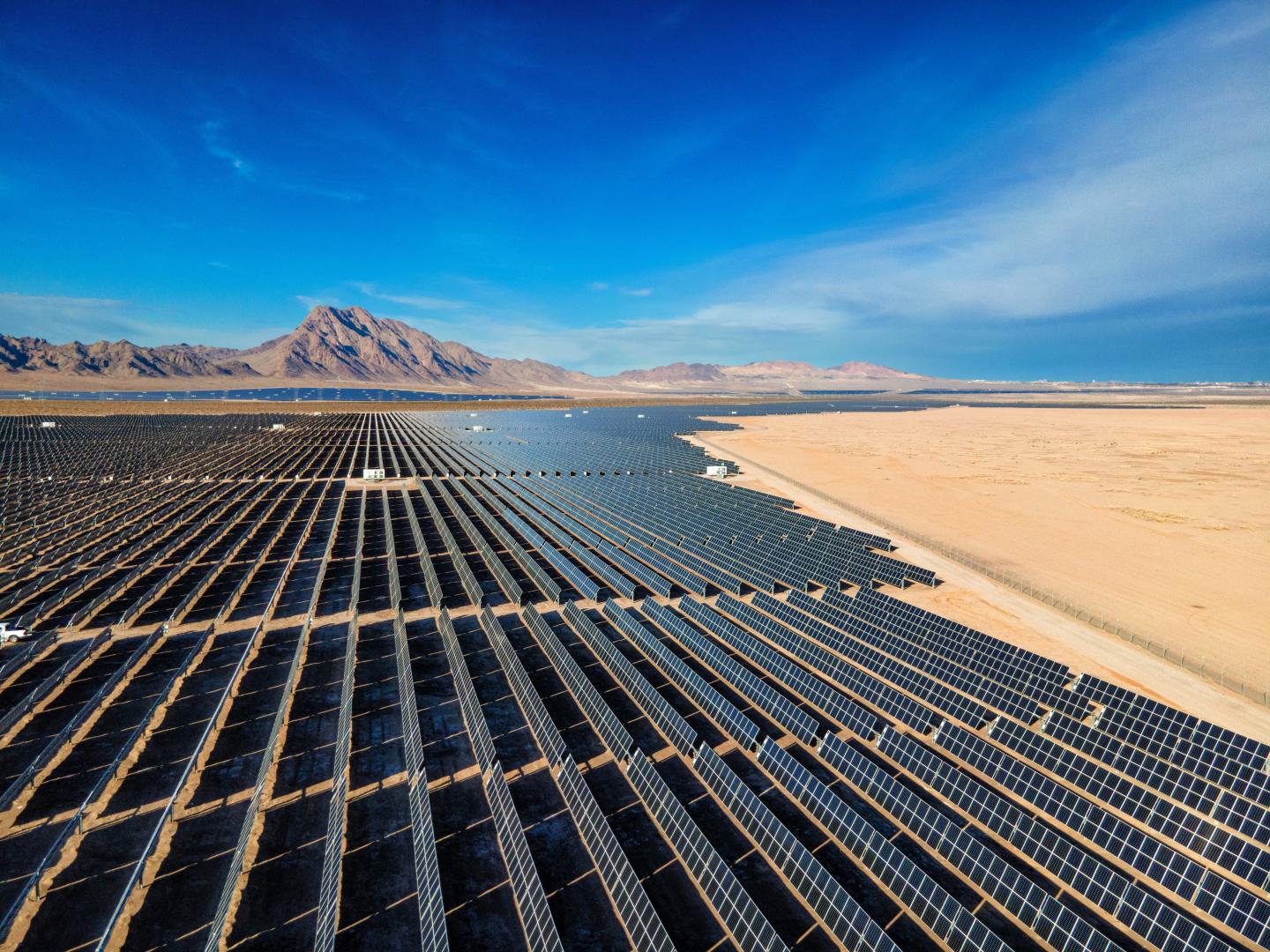
Despite the Trump administration’s efforts to prop up coal, oil and gas, there’s no stopping clean energy — because it’s not just clean and cheap. It’s cheaper than ever. “In 2024, solar photovoltaics were, on average, 41% cheaper than the lowest-cost fossil fuel alternatives, while onshore wind projects were 53% cheaper,” the International Renewable Energy Agency reported in July.
This is true not just globally but also in the U.S., where the vast majority of new electricity installed this year came from solar and battery storage. This summer, the financial services firm Lazard reported that building wind power, solar power and battery storage installations in the U.S. is cheaper than building fossil gas, coal or nuclear power plants. This is true, Lazard said, even without the federal clean energy incentives the Trump administration and its allies in Congress eliminated in July. (Fossil fuels and nuclear power remain heavily subsidized.)
"Clean energy is cheap energy,” says Ted Kelly, who directs the U.S. clean energy program at Environmental Defense Fund, a global nonprofit. “If we want to keep prices down and prepare for a future with higher temperatures that increase demand for electricity, more extreme weather and the buildout of data centers and industry, clean energy is simply the best, most affordable the way to go.”
China’s climate pollution trends downward
Since 2005, China has been the world’s largest climate polluter. (Not on a per capita basis but collectively, as a nation.) In 2024, it was responsible for almost a third of global greenhouse gas pollution.
But after decades of steep increases, for the last 18 months, climate pollution in China has been flat or heading downward.
The reason?
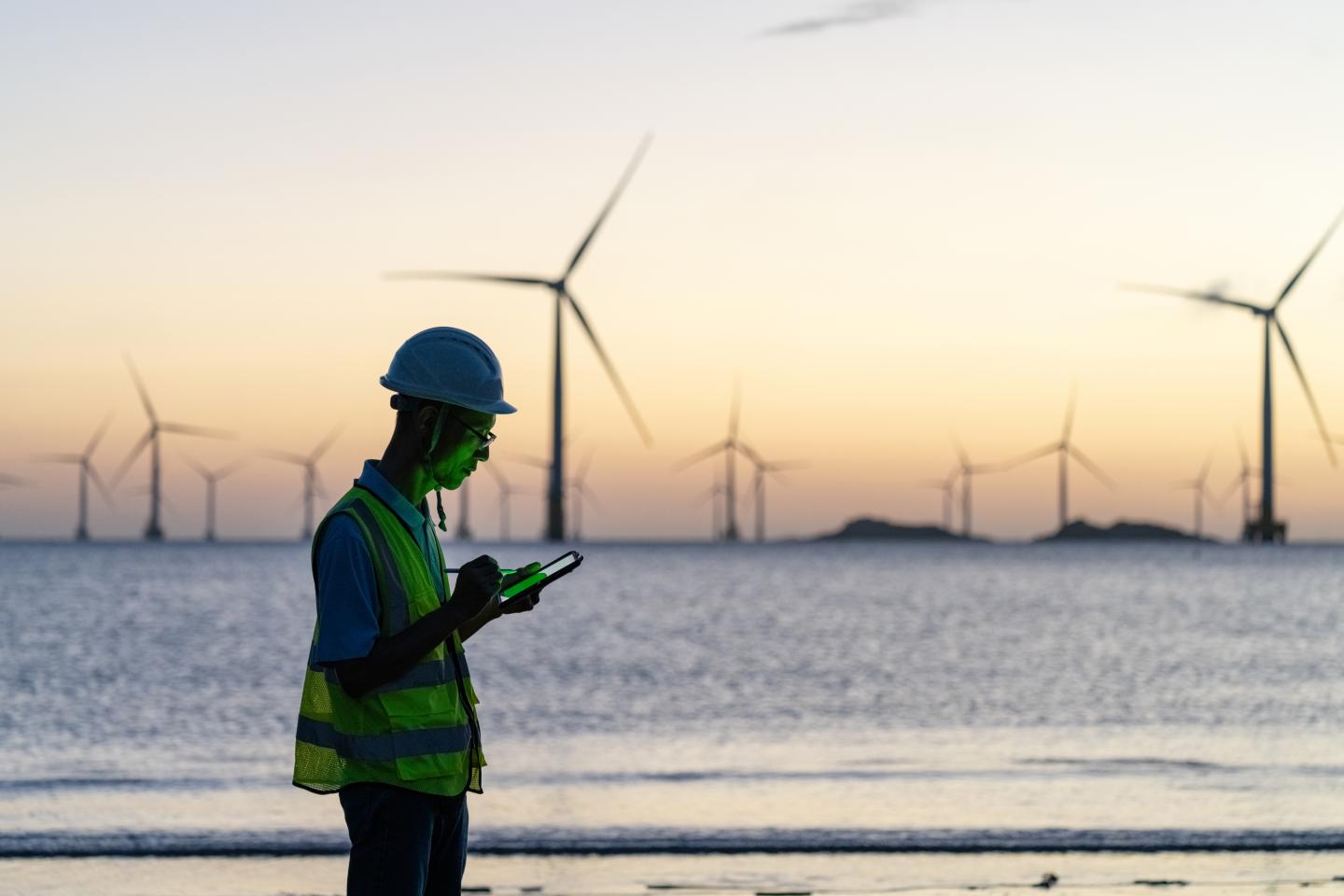
Here again, clean energy has come to the rescue. “Rapid growth in solar and wind power met the growing electricity demand,” says Qin Hu, who directs EDF’s work in China. In fact, in 2025, China is projected to install two-thirds of the world’s solar power and almost 70% of the world’s wind power.
That renewable energy bonanza wasn’t the only reason the country’s climate pollution has halted its meteoric rise. “Softer cement and steel output kept overall emissions in check,” Qin says.
Another factor: electric vehicles, which account for about 50% of China’s car sales and 20% of its trucks.
China's ability to grow its economy while cutting climate pollution isn't just a good thing in itself. It’s also proof that other countries, when properly motivated, have the ability to do the same.
Environmental news that matters, straight to your inbox
Pope Leo continues the Catholic Church’s commitment to “creation care”
When environmental champion Pope Francis died in April, advocates were concerned about who might replace him. His 2015 encyclical “Laudato Si’” inspired many of the world’s 1.4 billion Catholics and others “to protect our common home.” But what now?

Advocates needn’t have worried. Francis’ successor, Pope Leo, is building on his predecessor’s legacy and forging a new one of his own. In July, he created and celebrated a special papal Mass with a new set of prayers “for the care of creation.” In November, the new pope sent a message to delegates at the United Nations’ annual climate conference: “[P]rotect and care for the creation entrusted to us by God in order to build a peaceful world.”
Vatican City is now powered 100% by solar power.
While the Catholic climate movement is strongest in the global south, even in the polarized U.S., a growing number of dioceses, parishes and everyday parishioners are embracing the Church’s call for “creation care” — doing everything from lobbying members of Congress to embracing lower-carbon, plant-based diets. “Pope Leo is going to be as strong or even stronger than Pope Francis on the tie between creation care, economic justice and racial justice,” says Paz Artaza-Regan of the U.S.-based Catholic Climate Covenant. “He’s going to continue to inspire people around the world.”
Wildfire fighting gets an assist from space
The world’s forests and all of us who live near or in them are facing a dramatic increase in one of climate change’s most dangerous threats: wildfires. Over the last 20 years, they’ve spiked by 40%. The intensity of the most extreme events has doubled. Things have gotten so bad that last year 2.8 million hectares of the Amazon burned. That’s an area larger than the state of Massachusetts.
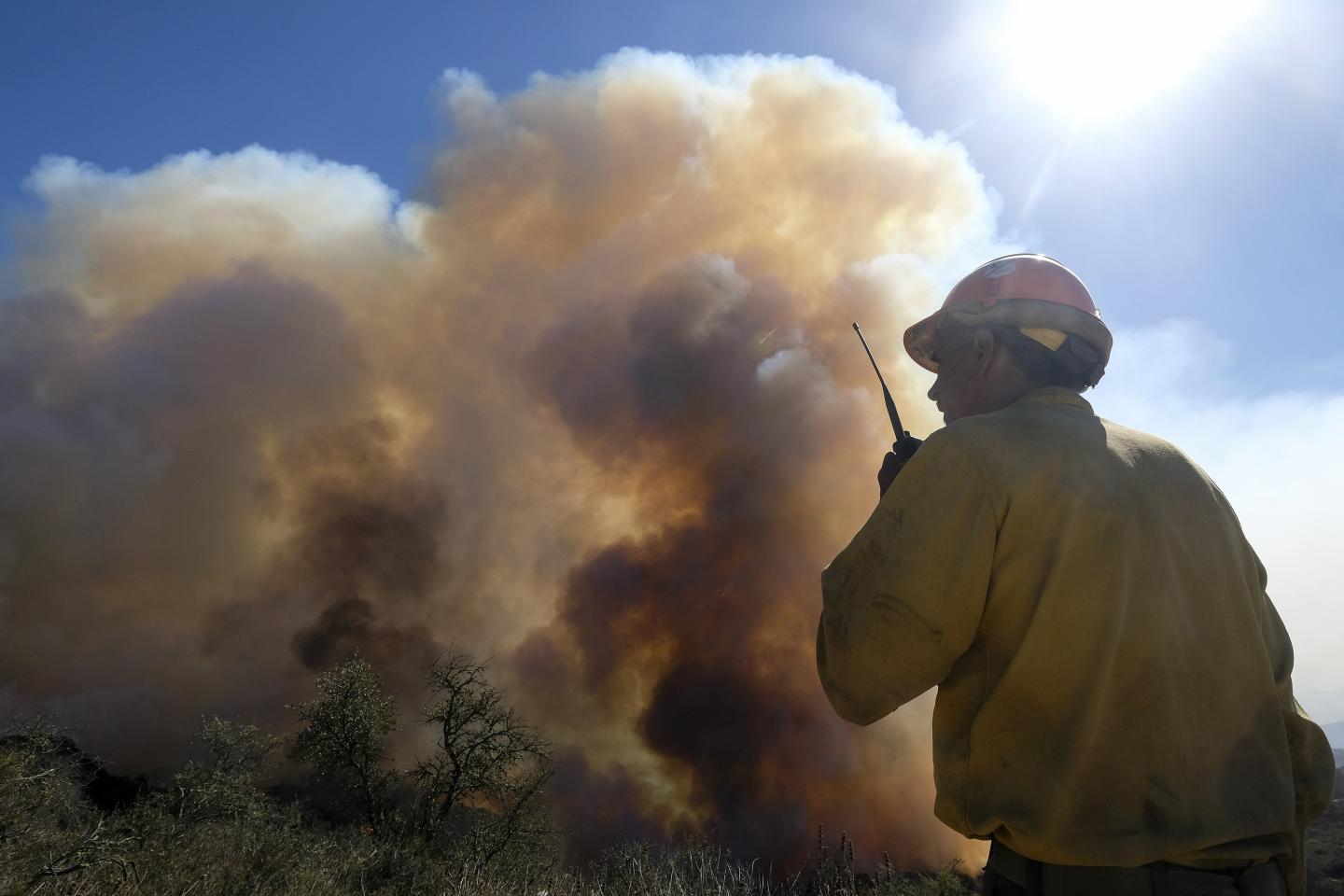
Worldwide, those fires released about 8 billion metric tons of carbon dioxide between 2024 and 2025, the equivalent of climate pollution from almost 2 billion cars.
But this year saw two important advances in wildfire prevention. One is the launch of FireSat, the first in what could be a constellation of 50 satellites that can spot wildfires early, even in remote areas, before they become huge conflagrations. The full constellation could monitor fires almost anywhere on the planet every 20 minutes, allowing firefighters to respond faster and more strategically — and leading to more effective wildfire prevention efforts. “FireSat will give us a valuable new tool to empower smarter, faster and data-driven action across the globe,” says EDF Chief Scientist Steven Hamburg.
- A new firefighter launches into space
- Wildfire smoke is bad for kids’ health. These moms are asking Congress to help
Here’s another important development this year: the Wildfire Action Accelerator Pledge. A voluntary agreement launched by EDF, in partnership with governments and nongovernmental organizations from around the world, it aims to advance strategies to prevent wildfires from starting — not just to find better ways of putting fires out, with an initial focus on the Amazon.
Pledge participants are also working to strengthen forest communities that have learned, over centuries, how to live with and learn from fire. “This pledge finally recognizes that Indigenous fire knowledge is not a relic of the past but a key to the planet’s future resilience,” says Selvyn Perez-Utz Che’, a Mayan Indigenous leader and president of the Guatemalan Community Forestry Association.
Salmon swim again and green turtles bounce back
Any school kid can tell you that many of our animal and plant neighbors are in serious trouble. In fact, a full 28% of the world’s species are endangered, according to the International Union for Conservation of Nature and Natural Resources.
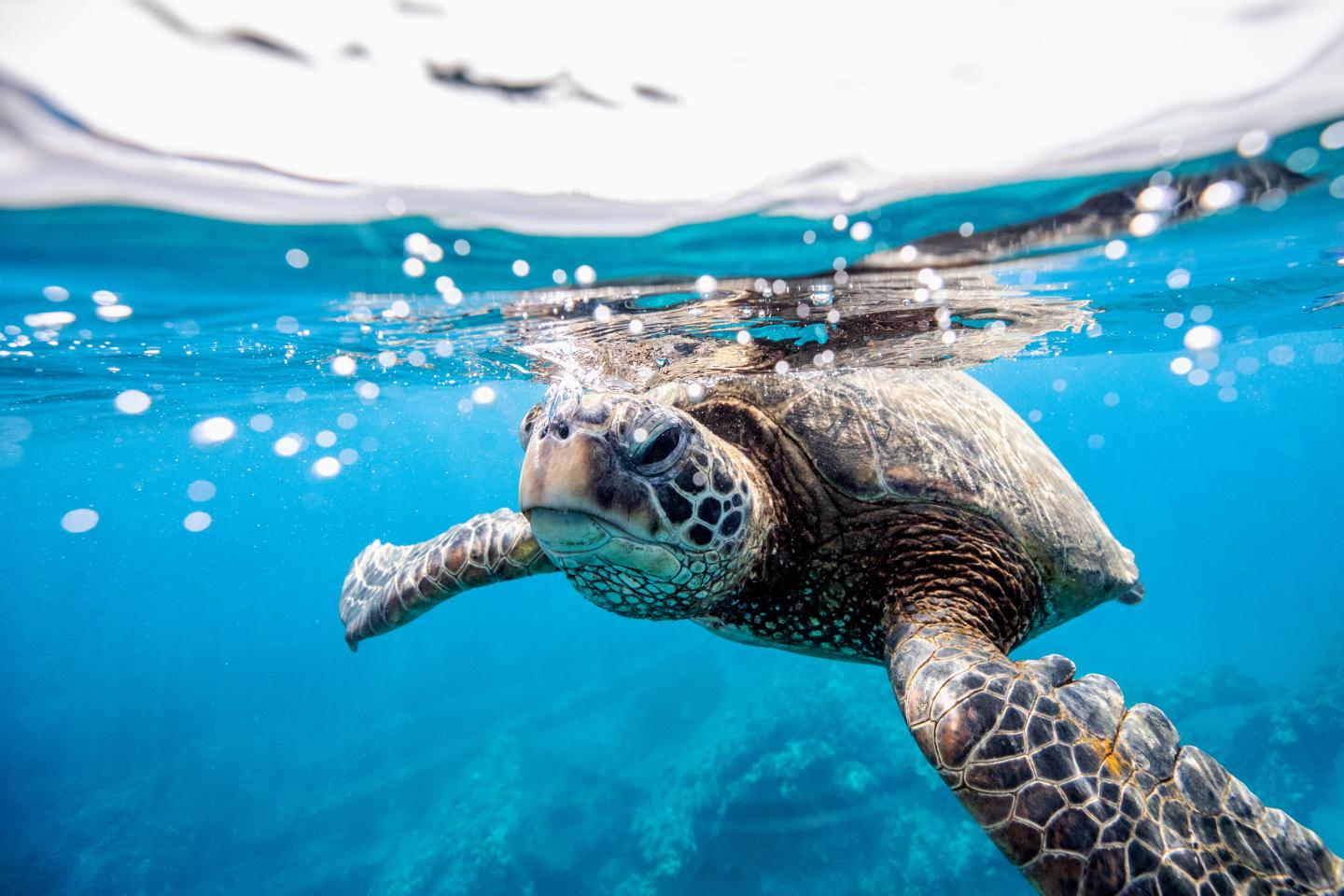
But here’s the good news: Conservation and restoration work!
One case in point: Less than a year after a series of dams on the West Coast’s Klamath River were removed, hundreds of Chinook salmon swam almost 300 miles, hopped up a couple of fish ladders, and lay and fertilized their eggs near the river’s headwaters for the first time in more than 100 years. “It’s truly an awesome feat if you think about the gauntlet they had to go through,” says Klamath Tribal Chair William Ray, Jr.
In the warmer waters of the tropics, green sea turtles have moved off the IUCN red list and are now considered a “species of least concern,” in no significant danger of extinction. Decades of conservation efforts that have included everything from international agreements to devices that help keep these graceful marine reptiles out of fishing nets have brought them back. Bryan Wallace, a University of Colorado Boulder ecologist who led the IUCN green sea turtle assessment, sees the green sea turtle comeback story as a model that can be employed around the world. “Find something you love,” he says, “and fight like hell to make sure it stays there.”