
The cheapest car you can buy right now is an EV — here's why
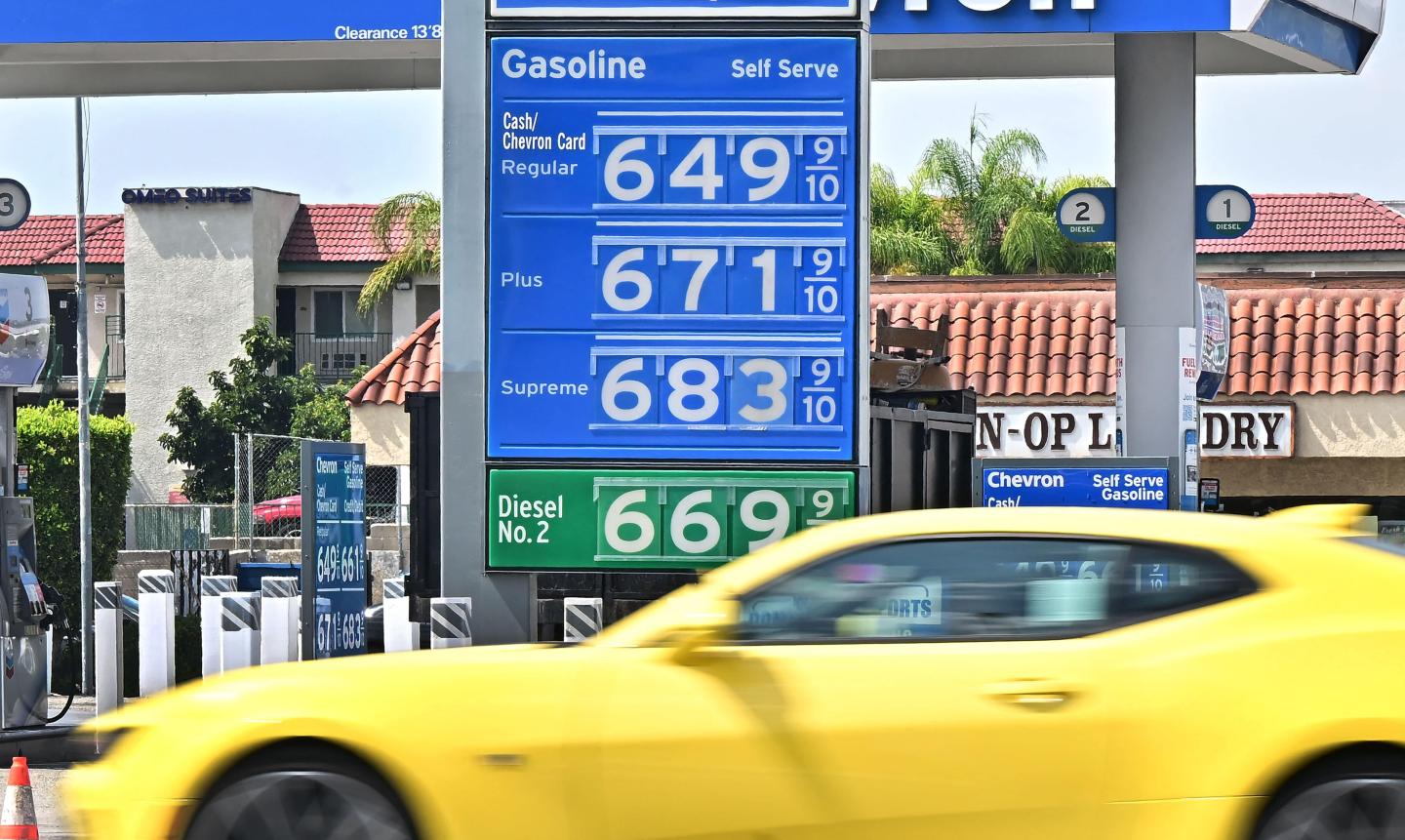
With gasoline prices skyrocketing, maybe you’re wondering whether now is a good time to buy an electric vehicle.
Experts say it most definitely is. And that’s true no matter how much you pay at the pump, and despite some changes that may have recently discouraged consumers. (Federal tax credits expired in September, several automakers scaled back their plans to build more EVs and the Trump administration has tried to stop all federal funding for EV chargers, though it has no authority over those installed by private charging companies.)
For car buyers these days, the picture is surprisingly rosy. Electric vehicles are still some of the most affordable vehicles out there and can save big money on gas. Here’s why buying an EV in 2026 is still a good idea:
- With inventory up, dealers are laying out massive discounts.
- EVs cost far less to fuel and maintain than traditional, gasoline-powered cars and trucks.
- Used EVs have the lowest cost of ownership of any kind of vehicle.
- Many states still offer incentives that reduce the cost of both new and used EVs.
- The selection of EVs is huge and growing fast.
- The number of public charging stations, including fast chargers, is also growing fast.
If you’re in the market for a new or used car, here’s what you need to know.
New electric cars and trucks are cheaper than you think
Though buying an EV can sometimes cost more up front, the total cost of ownership for an EV over time —including the costs of fuel, maintenance and insurance — is often far lower than for a gas-powered car, even with rising electricity prices. In fact, the U.S. Department of Energy determined that running a car on electricity could save up to $2,200 a year, compared to buying gas, and that was even before the war in the Middle East forced oil prices up above $100 a barrel. Also, because EVs have far fewer moving parts, very little maintenance is required.
This year, there are nearly 20 new EV models with sticker prices at or below $42,000 for sale in the U.S. And compared to the discounts dealers are offering on gasoline-powered cars, “on EVs, the discounts are almost double,” says Matt Schirmer, director of industry insights at the auto analytics firm Cox Automotive, publisher of the Kelley Blue Book. Those EV discounts can reach 12% and sometimes higher, with some dealers offering discounts exceeding a whopping $20,000.
For example, a 3-row Kia EV9 comes with a $20,818 incentive at a dealer in central Oklahoma. The highly rated Chevy Equinox EV, with a sticker price of $36,495, can be had for about $24,500 at dealers in Florida and Virginia. A new $36,945 Hyundai Ioniq 5 is on sale at a dealer in Fresno for $25,845.
Environmental news that matters, straight to your inbox
Rebates and incentives for electric vehicles and chargers cut costs even further
Though the federal, point-of-sale tax credit for new and used EVs was eliminated by the Trump administration, 28 states and a number of electric utilities are offering incentives that help make electric cars, trucks and their charging a lot less expensive.
“With some states, drivers get cash on the hood. In other states, you have to wait until you file your taxes,” explains Ryland Shengzhi Li, who helps lead clean transportation advocacy at Environmental Defense Fund, a global nonprofit. The organization recently published a study detailing the many state policies that support vehicle electrification.
The savings can total more than $10,000, depending on the state.
Plus, not all federal credits have been eliminated. In many parts of the country, through June 30, 2026, there’s still a federal tax credit of up to 30% available for installing an EV charger at your home.
There are also discounted electric rates that can reduce the cost of home EV charging in 43 states. “Combining all these programs, you can save a lot of cash,” Li says.
The public charging network is growing by leaps and bounds
One of the biggest reasons people don’t buy electric cars and trucks is that they’re concerned about where to fill up with electrons when they’re on the road. But those worries are being increasingly assuaged as public charging, including fast charging that can add 100 miles of range or more in less than 30 minutes, becomes increasingly available throughout the U.S.
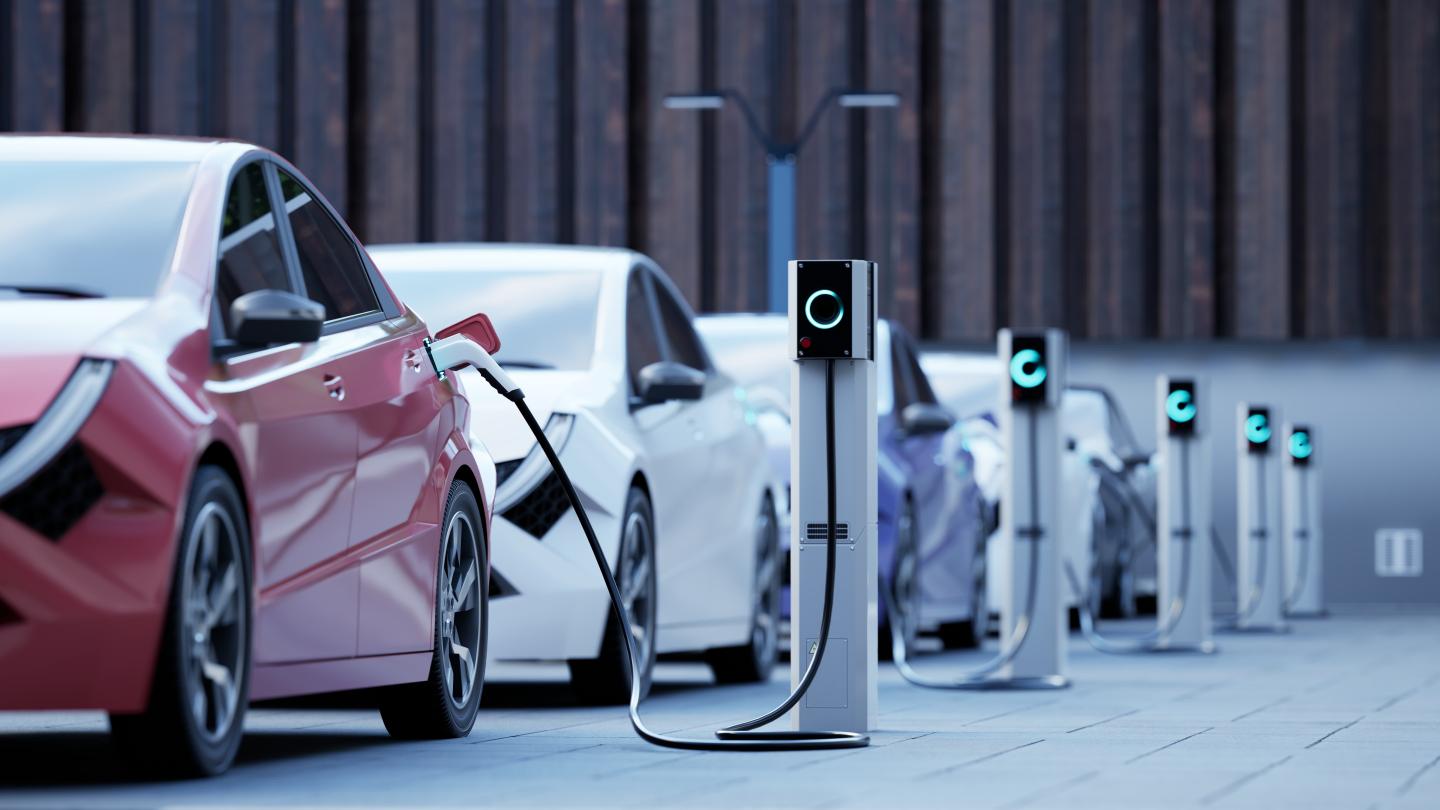
“The good news about public charging,” says Liz Najman, director of market insights at the EV analytics firm Recurrent, “is that the buildout actually ramped up in 2025.” About 18,000 new, public fast-charging ports were installed nationwide. That’s an increase of about 30% over 2024.
Even though the White House has been tying up already allocated federal money for EV charging, private companies are moving ahead with ambitious plans to make public charging faster and easier.
Walmart, for instance, is adding a significant number of fast chargers as part of its promise to create a fast-charging network at thousands of its locations across the country. Tesla has opened much of its extensive Supercharger network to most EV brands, representing “a massive expansion in where and how easily EV drivers can charge on the road,” Najman says.
Add to that the efforts of Ionna, a joint venture created by eight of the world’s biggest automakers, to build 30,000 charging points nationwide by the end of the decade. As of last summer, it already had 3,000 of them in the works.
If all these advances and higher gas prices have you thinking about buying an EV, now is a great time to check these cars and trucks out.
“Talk to somebody who owns one,” says Andrew Wojton, a Charlotte, North Carolina project manager who serves as an unofficial EV advisor in his community. “Drive one. See the car with your own eyes and see if you’re interested. It's a great time to get an EV,” he says. “In fact, every day is getting better.”