
Strange, unhealthy summer bears fingerprints of climate change
On Saturday July 12, Susan Najera drove with her husband and two teenagers about seven hours from their Illinois home to upper Michigan, near Mackinac, where they met extended family for a beach getaway. The first few days were great. But on Wednesday July 15, they woke up to what Najera called “a nightmare.”
“We had no idea what was going on. It smelled like barbeque and the sky was very hazy even though the weather report said ‘sunny,’” she says. Najera and her family were among more than 100 million people across the country breathing polluted, smoky air from hundreds of wildfires burning in Canada and Minnesota. On Thursday, the air quality index in Mackinac spiked to a shocking 500. Detroit topped 1,000. Health experts consider AQI ratings over 300 to be hazardous to humans.
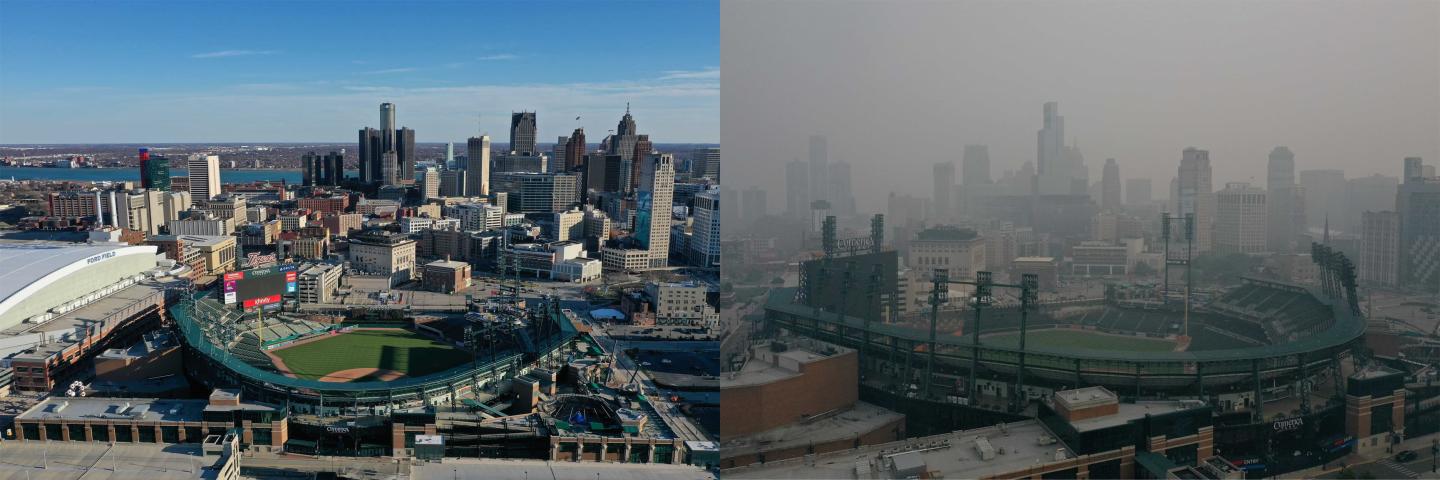
“It was shocking and scary when we heard the news describe that being outside for an hour was like smoking three packs of cigarettes,” says Najera.
During wildfires, fine particle pollution, or soot, is the main reason air quality reaches dangerous or hazardous levels. Najera ran out and bought N95 masks for her family and then stayed inside the next few days.
“It’s disappointing that what should have been a beach vacation together became a time filled with fear,” said Najera.
At the same time, another health crisis was brewing. An unusually large outbreak of cyclosporiasis, a nasty parasitic infection, has sickened thousands of people across the country (and has many more people saying “hold the lettuce”). As of early August, two deaths in Michigan have been linked to the parasite. And another summer bacterial disease outbreak — Legionnaires’ disease — hospitalized 79 people from a single New York neighborhood and led to seven deaths.
With multiple health crises in the span of just a few weeks, this summer seems to have had more than its fair share of misfortunes. Is it just a run of bad luck, or might something be tipping the scales? While it takes time to analyze a specific event and establish a direct cause, scientists say that the increasing frequency of wildfires is linked to a warmer climate, and that some bacterial disease outbreaks may also be influenced by global warming.
Environmental news that matters, straight to your inbox
Climate change’s role in wildfires
"As global temperatures rise, we can expect the size, frequency and severity of wildfires to continue to increase in many regions of the world,” says climate scientist Fiona Lo of Environmental Defense Fund, the global, science-based nonprofit.
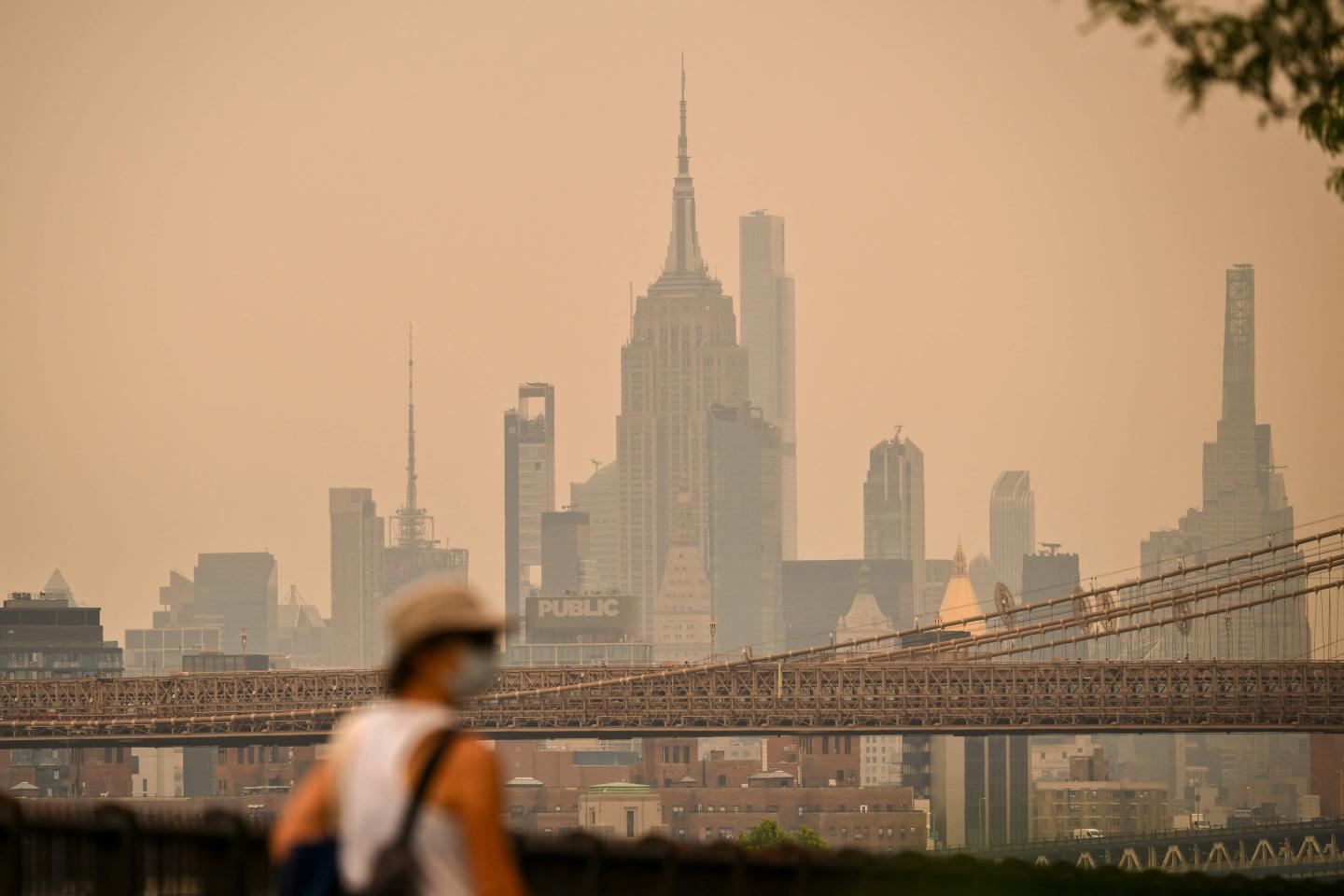
While wildfires can start with a natural event like a lightning strike, or from human activity, climate change exacerbates the hot, dry conditions that allow wildfires to ignite and spread more quickly, explains Lo.
Climate change affects wildfires in several ways, according to EDF. Hotter temperatures evaporate more moisture from soil, trees, shrubs and grass, creating more dry fodder for kindling. Drought-stressed trees may also become more vulnerable to insects and diseases that can weaken or kill them, creating more fuel for fires. Shrinking snowpacks and earlier snowmelt reduce the water available for vegetation, leaving forests drier and more vulnerable to wildfires.
Bacteria outbreaks connected to global warming
While the jury's still out on the exact causes of this summer's cyclosporiasis outbreak, it's representative of the kinds of changes we can expect as the planet warms. In a 2022 study, researchers found that climate change can aggravate more than half of all human infectious diseases.
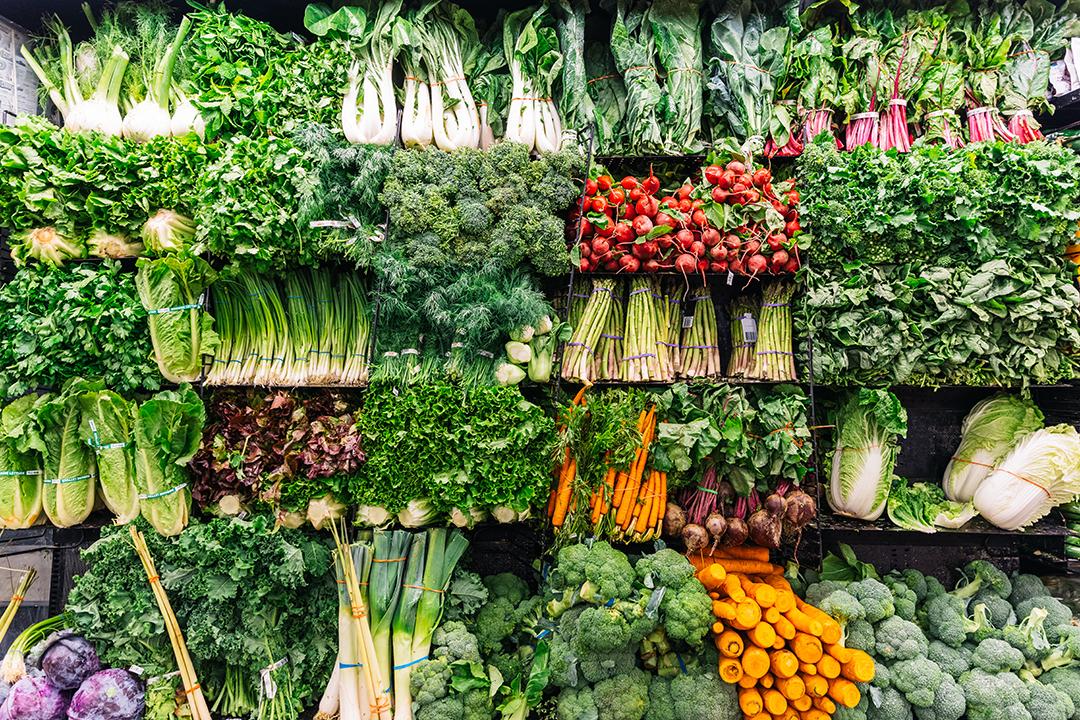
To date, the Centers for Disease Control and Prevention has received reports of 10,468 cyclosporiasis cases since May 2026 and is aware of more than 12,255 additional cases that require further analysis to confirm. The CDC reported fewer than 4,000 cases in all of 2025.
Long Island, New York, resident Danielle Catapano was infected with the bacteria in mid-May. A few hours after she got home from dinner with friends, she developed sudden, severe stomach cramping and constant diarrhea.
“I would lie down and then have to get right back to the bathroom,” she says. “I’ve had food poisoning in the past but this felt different.”
The next day she became dizzy and noticed blood in her stool. Her doctor sent her to the hospital, where a scan showed major inflammation in her stomach and intestines. She was treated with antibiotics and discharged the next day. A stool sample taken during her hospital stay identified the parasite Cyclospora.
While she can’t pinpoint the exact food that affected her, Catapano suspects it was a salad or fresh fruit. And although she recovered from the initial intense illness, the parasite triggered ongoing colitis, which requires her to get regular colonoscopies to monitor inflammation. She currently avoids spicy, heavy, greasy and dairy foods. If blood in her stool returns, her doctors will start treatment for ulcerative colitis.
“It’s changed my life, and I’m trying to figure out how to live with the lingering symptoms,” Catapano says.
Dana G. Mordue, Associate Professor of Pathology, Microbiology and Immunology at New York Medical College, says climate change is shifting the areas where certain waterborne pathogens, such as Cyclospora and Legionella, the bacteria behind New York City’s deadly Legionnaires’ outbreak, can thrive.
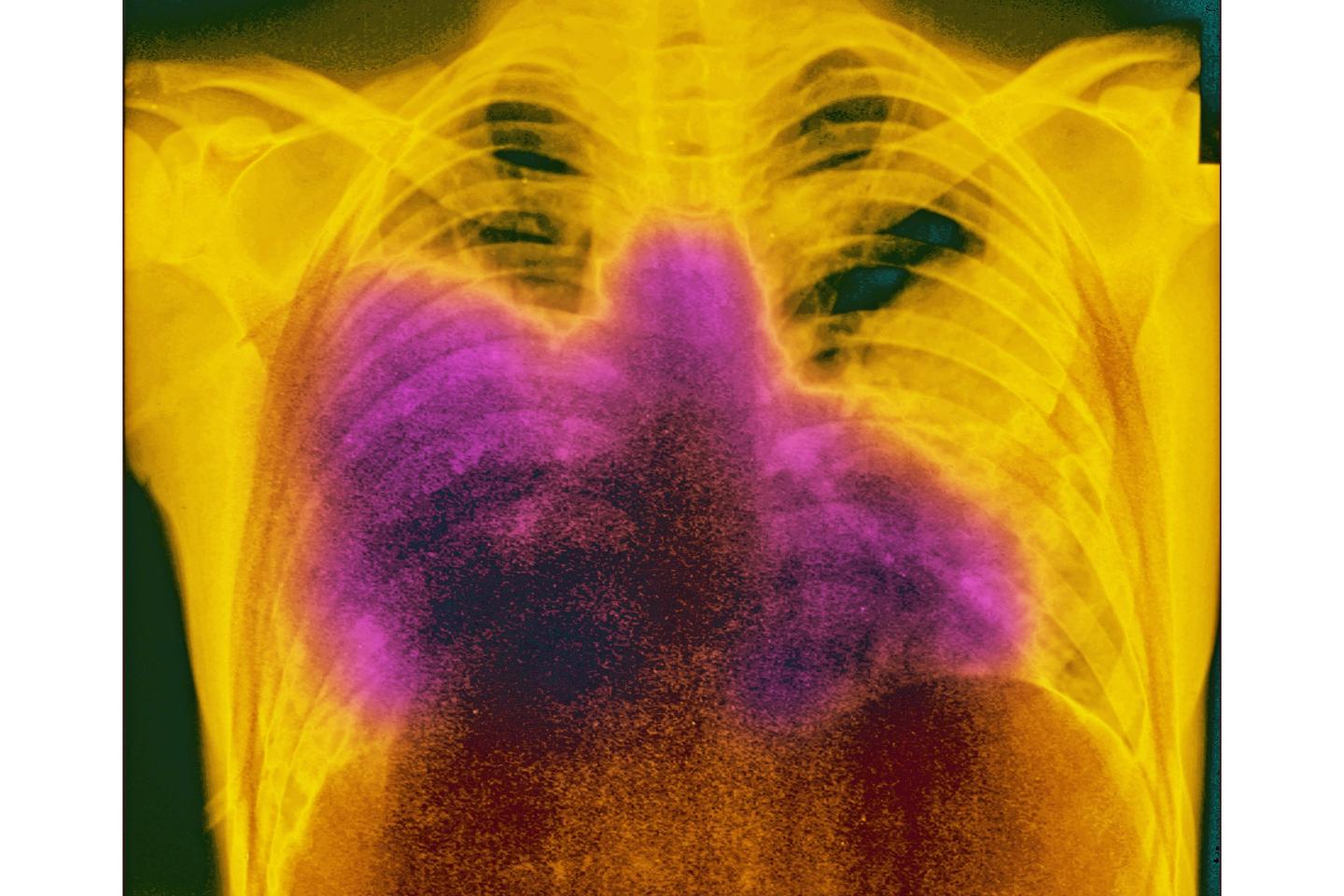
“As regions become warmer and more humid, these bacteria and parasites can survive in places they previously couldn’t, though some areas may become too hot and dry for them,” she says. Warm, humid environments allow Cyclospora to thrive and spread more easily.
Another climate factor that could increase the risk of disease outbreaks is, surprisingly, drought. During droughts, which are intensified by climate change, farms rely more on irrigated water, which raises the risk of introducing waterborne pathogens, such as E. coli or salmonella, directly onto edible crops or into the soil. This risk peaks with overhead spraying of contaminated surface water, since the water directly coats the plant and lingers in humid conditions, creating an environment where bacteria can thrive.
Climate change also increases the likelihood of intense rainfall, which can overwhelm sewer systems and contaminate water sources with human waste, spreading parasites.
William Schaffner, MD, professor in the division of infectious diseases at Vanderbilt University Medical Center, says science recognizes that we’re in a period of global warming, which has implications for the occurrence of certain infectious diseases around the world. “Heat will almost always promote the growth of bugs in the environment, so that could be a related factor to the current outbreaks,” he says.
How to protect yourself and your family
Washing and scrubbing your fruits and vegetables (and your hands) is always a good idea; and cooking produce to a temperature of at least 158 F (70C) kills the Cyclospora bacteria, according to the CDC.
If you’re worried about Legionnaires’ disease, make sure you flush and clean faucets and showerheads that haven’t been used in a week or more, replace water filters regularly, flush water heaters and keep humidifiers and medical equipment like CPAP machines clean.
To protect yourself from wildfire smoke, stay inside and keep doors and windows closed, run an air purifier or your HVAC on recirculation mode, and wear an N95 mask if you have to go outside.
The old medical saying — an ounce of prevention is worth a pound of cure — applies here too, says health and climate experts. “Climate change is presenting real risks to our health. While there are important steps we can take to protect ourselves, the best form of prevention is to cut emissions of greenhouse gases, which are warming the planet and making us sick," says EDF VP for Healthy Communities Sarah Vogel. “Cutting climate pollution is the best medicine.”