Military veterans join the call to defend America's bedrock chemical safety law
“You would have thought you were going through a dust storm,” says retired U.S. Army Lieutenant Colonel Dr. Pat Spearman, describing the conditions she had to walk through to get to work at the Army Operations Center in the basement of the Pentagon in 2004. The building was undergoing renovations after the September 11 terrorist attacks, and, like many buildings across the country, it contained asbestos, commonly used for fireproofing and insulation.
“We didn’t have masks. And to be honest, we didn’t think it was as bad as it was,” she recalls.
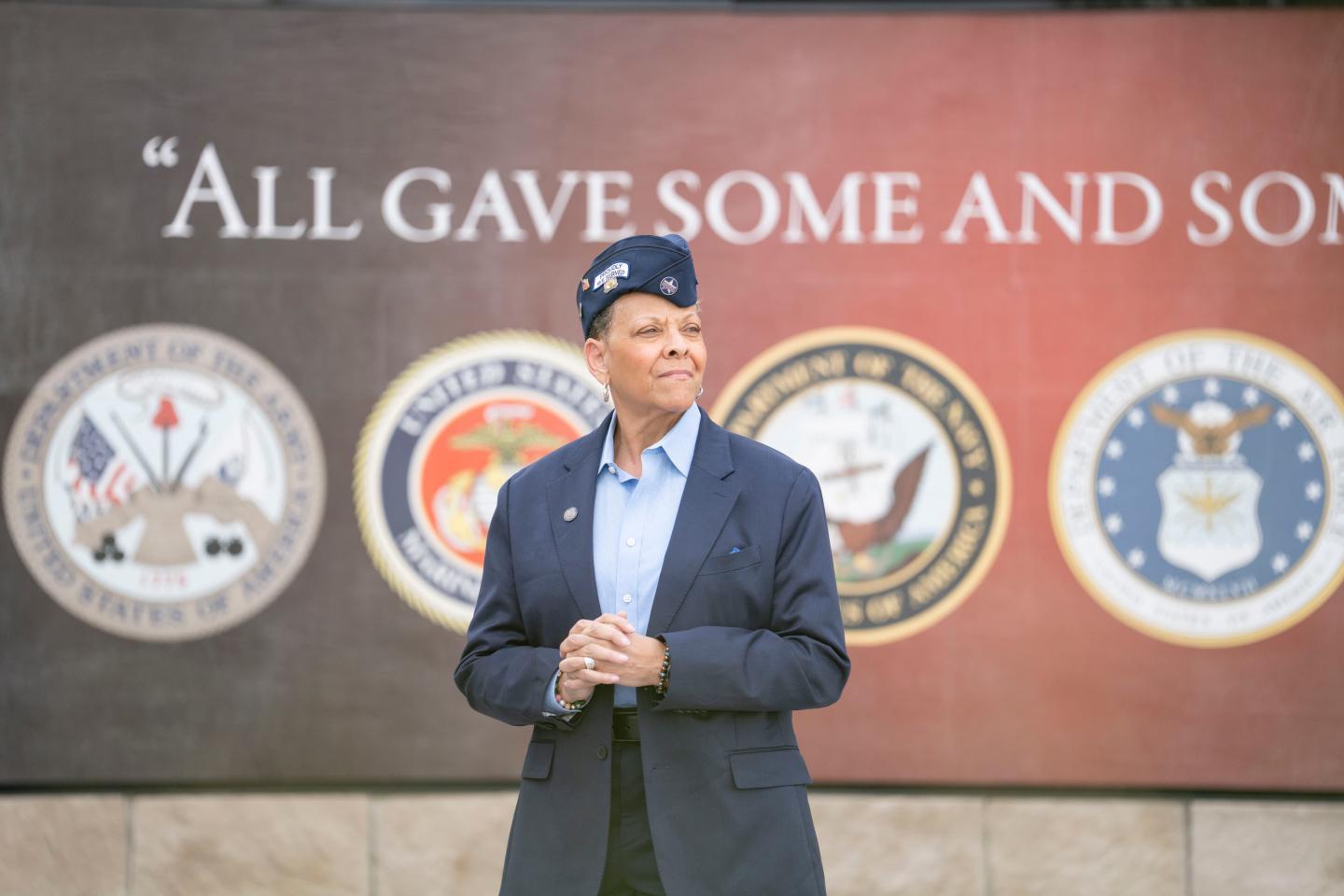
For Spearman, who went on to serve in the Nevada State Senate from 2013 to 2025, that exposure proved dangerous. Asbestos fibers can filter into the air and travel deep into human lungs, where they can cause cancer and other diseases.
Spearman developed severe asthma, requiring multiple hospitalizations, and still suffers today. “There are times when I cough and can’t stop,” she says.
Veterans like Spearman are now standing up to defend America’s bedrock chemical safety law, the Toxic Substances Control Act, which was created to help protect people from exposure to harmful chemicals in the environment. Now, TSCA is facing threats in the courts and Congress, under attack by the chemicals industry which seeks to weaken it, and a sympathetic Trump administration, which entered office with a deregulatory agenda.
But environmental, health, labor and other groups are fighting back. This summer, Spearman and other former service members joined, fellow advocates on Capitol Hill to ask Congress to preserve TSCA.
Exposed to toxic chemicals, even off the battlefield
In addition to confronting known dangers during combat missions, many service members and veterans later learned they had also faced risks they had not anticipated: hazardous chemicals in the water, air and buildings where they lived and worked during deployment or even at home on base. Their shared experiences have driven many in the military community to support preserving strong protections under TSCA.
One of veterans’ biggest concerns is exposure to PFAS, a class of chemicals also known as “forever chemicals” because they essentially never break down in air, water or in our bodies. For about 50 years, service members sprayed a fire-retardant foam containing PFAS on military installations across the country, including on bases where families lived. The foam seeped into underground water sources, contaminating the drinking water of at least 700 bases across the country, according to the military. Hundreds of thousands of service members and their families were exposed to PFAS, which are known to cause reduced immune response, liver damage, fetal abnormalities and cancer.
Environmental news that matters, straight to your inbox
Lingering effects of toxic burn pits
Spearman also worries about troops who struggle with ailments after being deployed in the Middle East.
“We’re going to have people coming back here who will need care, because of the toxic substances they were exposed to,” she says.
During the wars in Afghanistan and Iraq, the U.S. military used large open-air garbage pits — also known as burn pits — to dispose of trash, including plastics, electronics, medical waste, chemicals, paint, petroleum products and ordinary garbage, often using jet fuel as an accelerant to burn it. Service members slept, ate and worked nearby, breathing the toxic fumes, sometimes for months at a time.
A 2024 study of more than 450,000 Iraq and Afghanistan-era veterans found that longer deployments to bases with open burn pits was associated with increased rates of asthma, chronic obstructive pulmonary disease, hypertension and stroke.
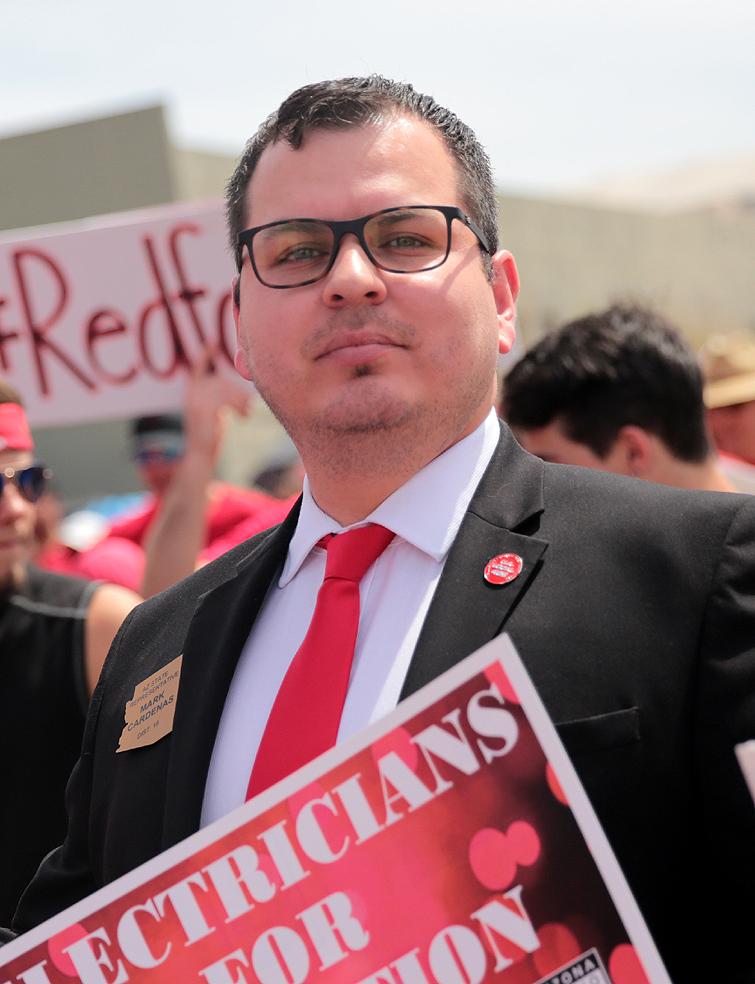
Veteran Mark Cardenas, a former member of the Arizona House of Representatives, was exposed to toxic burn pits while serving in Iraq. He now lives with chronic asthma. Cardenas has also joined the call to defend TSCA from its enemies in Congress.
Cardenas is not the only member of his family whose work near toxic chemicals left permanent damage. His father, an agricultural worker, was exposed to harmful pesticides when he went around the country harvesting crops. He died from cancer in his 50s.
“It’s going to happen to everyone else he worked with if they don’t do something about the chemicals that are in the soil, or on the crops,” says Cardenas.
Instead of weakening TSCA, Spearman and Cardenas argue, Congress should preserve its health protections.
“TSCA needs to be funded without any changes to the law,” Spearman says. “Everyone has the right to breathe clean air, drink clean water and grow up in healthy neighborhoods.”