
From crisis to recovery: How the Magnuson-Stevens Act rebuilt US fisheries
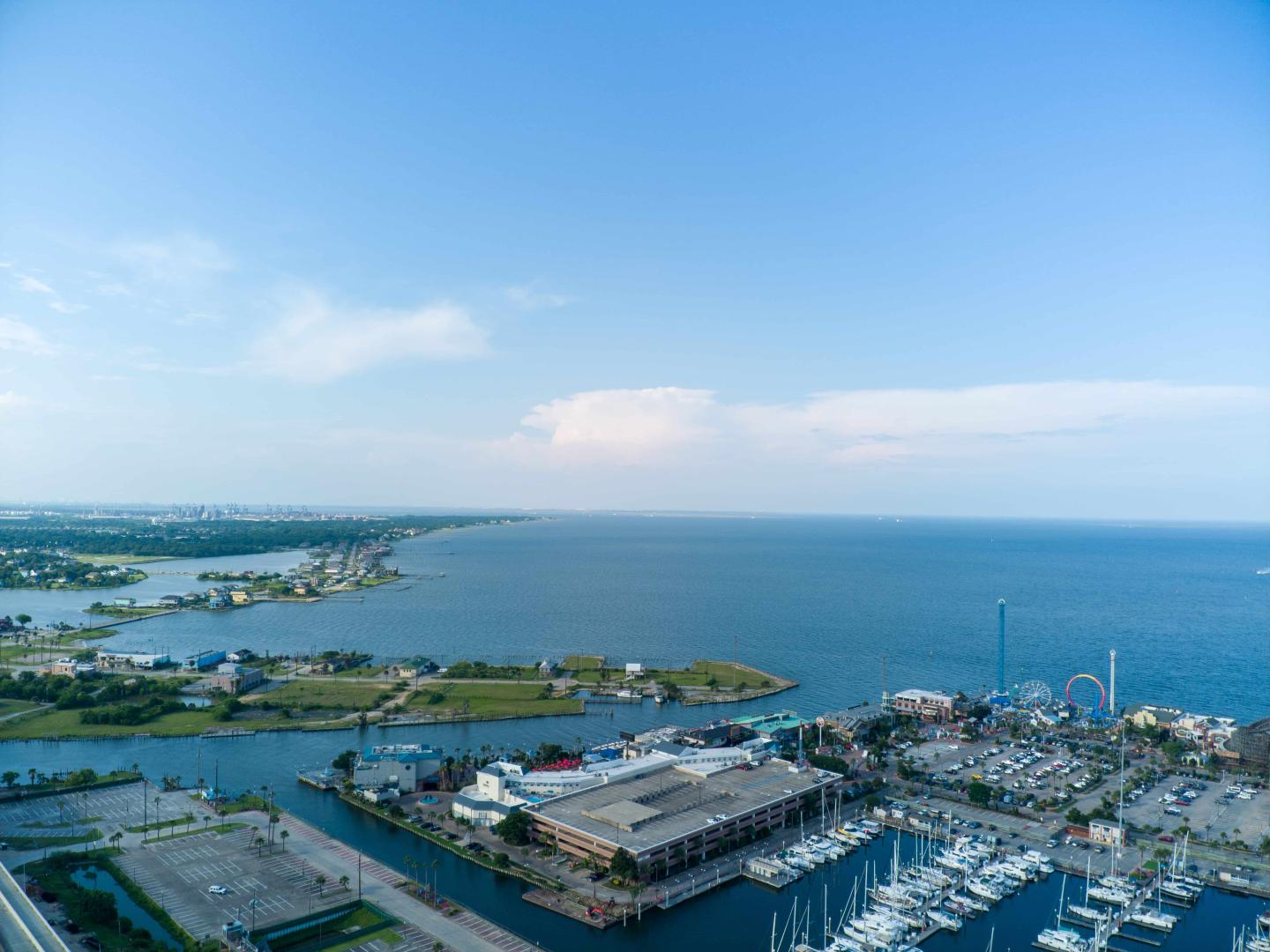
In the blue-dark hour before sunrise, Galveston’s waterfront sounds much as it has for generations: rumbling engines, clattering gear, gulls announcing the morning. What awaits beyond the harbor, though, is one of the most underappreciated environmental success stories in U.S. history — a fishery far healthier than the one sliding toward collapse just a few decades ago.
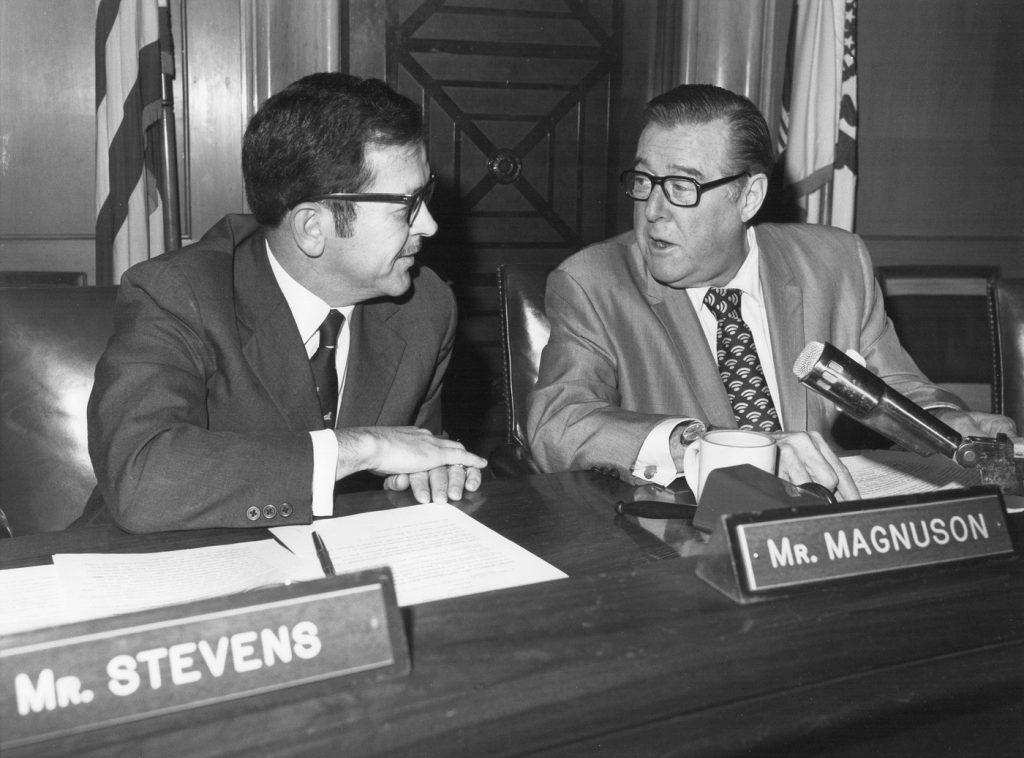
In 1976, Congress passed the Magnuson-Stevens Fishery Conservation and Management Act. Fifty years later, this environmental policy has shown that science-based rules, followed over time, can help fisheries recover, protecting their ecological and economic value.
That outcome was far from inevitable.
When Congress enacted the Magnuson-Stevens Act, U.S. fish populations were under rising strain from overfishing and weak management. In the years that followed, the law, which governs marine fisheries in federal waters, became the backbone of U.S. fishing policy, evolving to prevent overfishing by including stronger rebuilding requirements, annual catch limits and accountability measures.
The result is a success story that many countries now study and emulate.
Since 2000, 52 depleted U.S. fish stocks — groups of the same species managed in specific geographic regions — have recovered. Fishing communities that had lurched from crisis to crisis have gained a measure of stability in a business once defined by uncertainty.
Amanda Leland, executive director of Environmental Defense Fund and co-author of Sea Change: Unlikely Allies and a Success Story of Oceanic Proportions, sees the turnaround as proof that the most durable environmental progress emerges from unlikely alliances.
“It once felt like [the decline of U.S. fisheries] was a disaster that was already written,” Leland says. Yet it was turned around through law, science and years of collaboration among fishermen, regulators, scientists and conservation advocates.
Environmental news that matters, straight to your inbox
Strong science and accountability deliver results
The Magnuson-Stevens Act worked because it changed the logic of fisheries management. Instead of waiting for collapse and then reacting, it required managers to prevent overfishing in the first place. First, scientists estimated what a fish population could sustain. Then, managers set catch limits accordingly. If a stock falls into trouble, the law requires a rebuilding plan.
That framework brought discipline to a system that often had been governed by political pressure and desperate competition to catch as many fish as possible before someone else did. It also gave managers a structure for making hard decisions in public, with regional councils weighing scientific advice as well as the expertise of fishermen and other stakeholders.
The Magnuson-Stevens Act did not simply impose limits. It provided fishery managers with tools that encouraged fishermen to become long-term stewards of a shared resource. Stronger accountability reduced waste and slowed the destructive race to catch as many fish as possible by aligning economic incentives with conservation.
But it wasn’t easy to get everyone to believe in some of the tools the Magnuson-Stevens Act allowed.
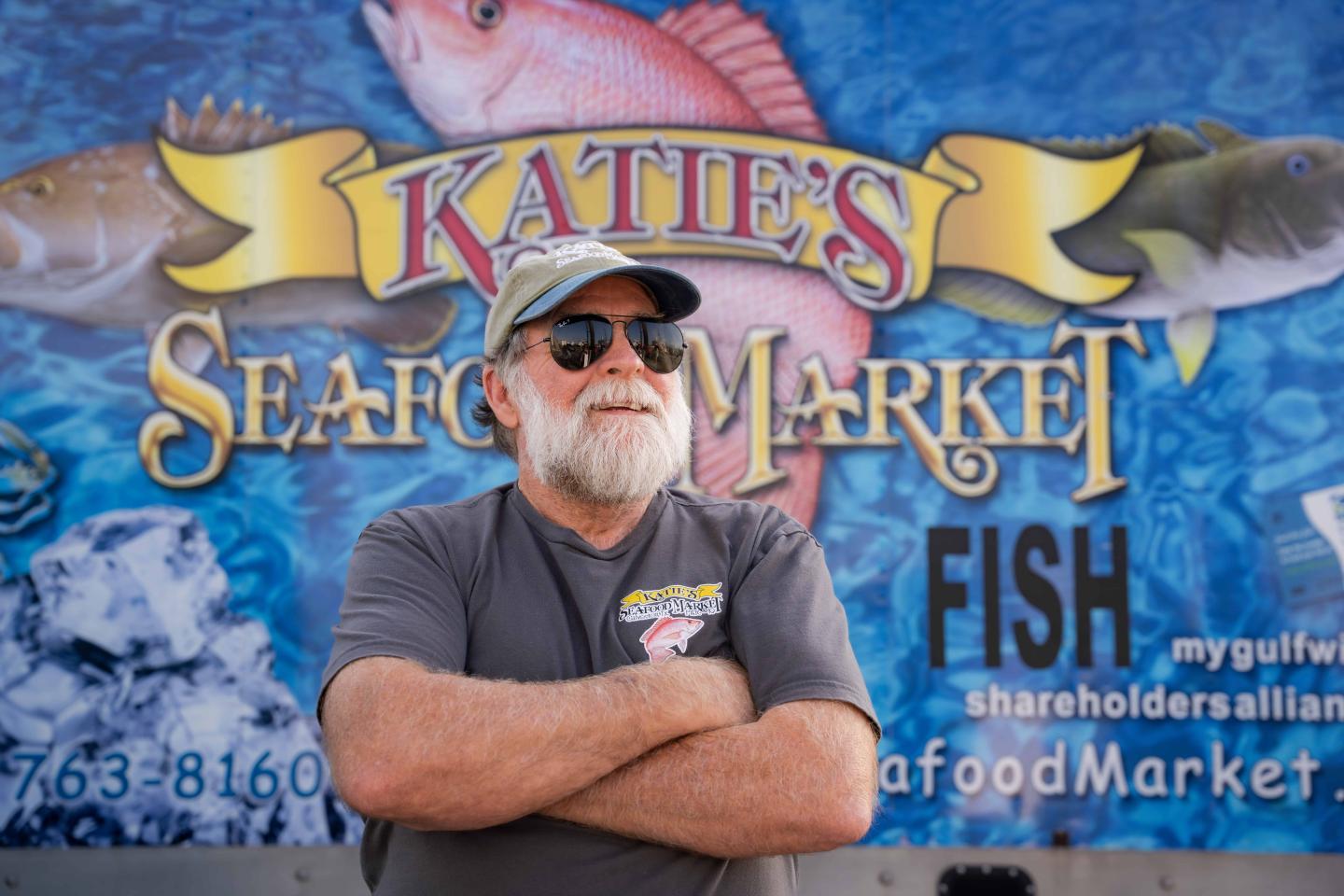
Keith “Buddy” Guindon, a Galveston commercial fisherman and owner of Katie’s Seafood Market, was one of its skeptics.
He had built his career in the race-for-fish system and saw little reason to trust a new one.
“At first, I opposed it because I didn’t understand how much it would help the fishery,” he says. “But now we’re catching bigger fish and getting more bang for our buck.”
The law’s staying power lies partly in its adaptability. As ocean conditions change, the act’s science-based structure gives regulators tools to revise quotas, adjust rebuilding strategies and respond to shifting ecosystems. In an era of climate disruption, these tools may be one of its most important strengths.
Sustainable fishing is good for coastal economies
Healthy fisheries are not just an ecological win. They are an economic one.
Before the Magnuson-Stevens Act, many fishing communities lived through punishing boom-and-bust cycles. Fishing seasons were short and chaotic. Markets were sometimes flooded with fish all at once, depressing prices. Fishermen went out in dangerous weather because they felt the rules left them no choice. Coastal businesses built around seafood had little predictability and even less margin for error.
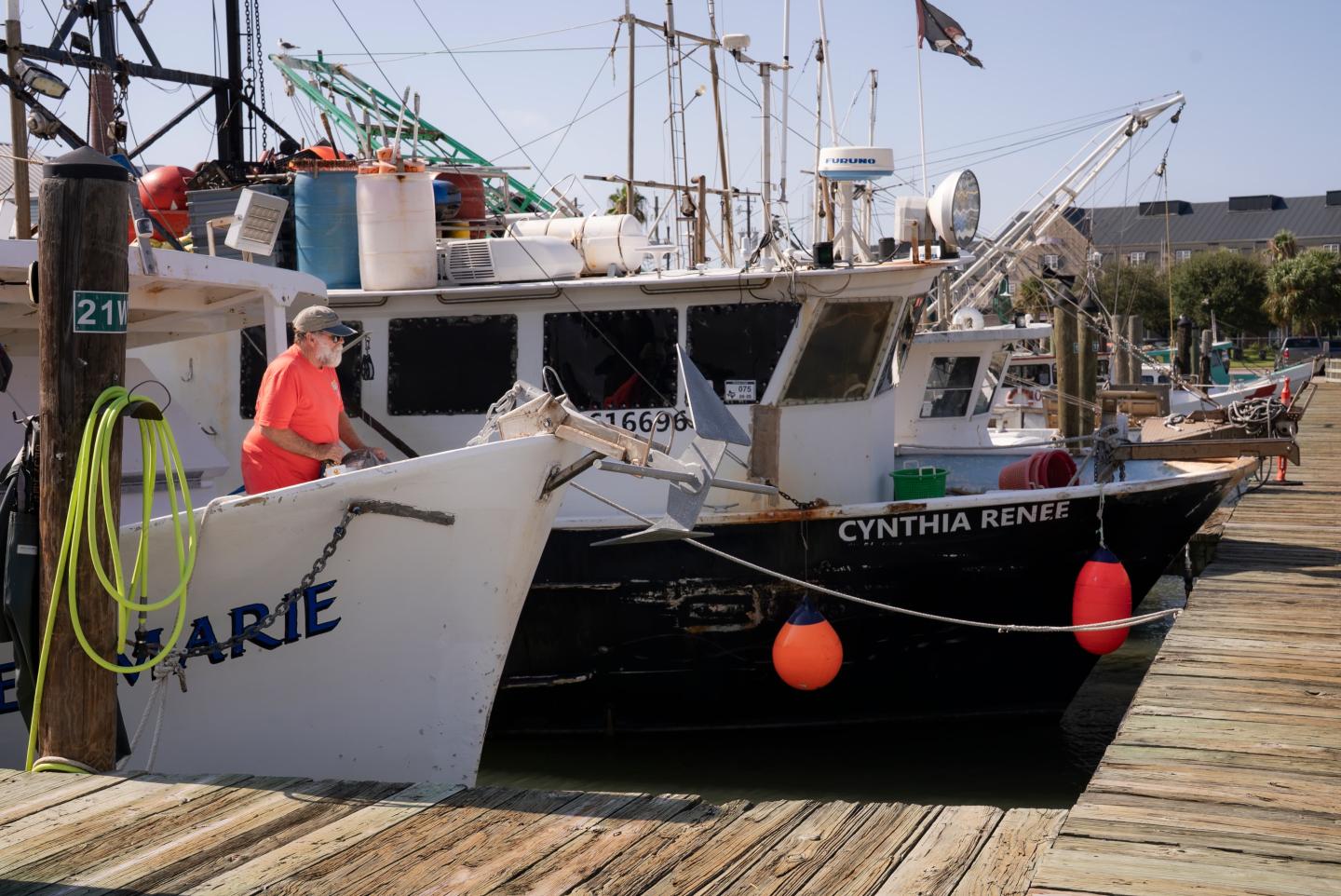
But when fish populations began to recover under stronger management, the economic picture improved.
Rebuilt stocks created more reliable fishing opportunities. Stable harvest levels made it easier for processors, dealers, restaurants and distributors to plan. Small operators could invest in their boats, crews and businesses with more confidence.
“Our prices at the dock have increased, and our costs have gone down,” Guindon says. Fishermen can now fish when markets are favorable and take safer, more fuel-efficient trips.
Scott Hickman, a Texas charter fisherman who once viewed commercial fishing as a direct threat, describes the pre-reform system as “pretty much a disaster.” In the old derby-style fishery, commercial boats rushed to harvest fish before anyone else could, often in the same nearshore waters used by charter operators. The result was conflict and too few fish for everyone.
While the Magnuson-Stevens framework did not completely eliminate conflict, it helped create a more durable system. Recreational, commercial and subsistence users all benefit when fisheries are managed for the long term. That means stronger local economies, better food security and fishing ports that retain working waterfronts instead of becoming museum pieces.
A proven model for global fisheries management
The law’s influence now extends far beyond U.S. waters.
The Magnuson-Stevens Act has informed reforms in other regions facing the same pressures that once drove American fisheries into decline, including parts of Latin America and Asia where policymakers, scientists and fishing communities are trying to build systems that protect both ocean ecosystems and human livelihoods.
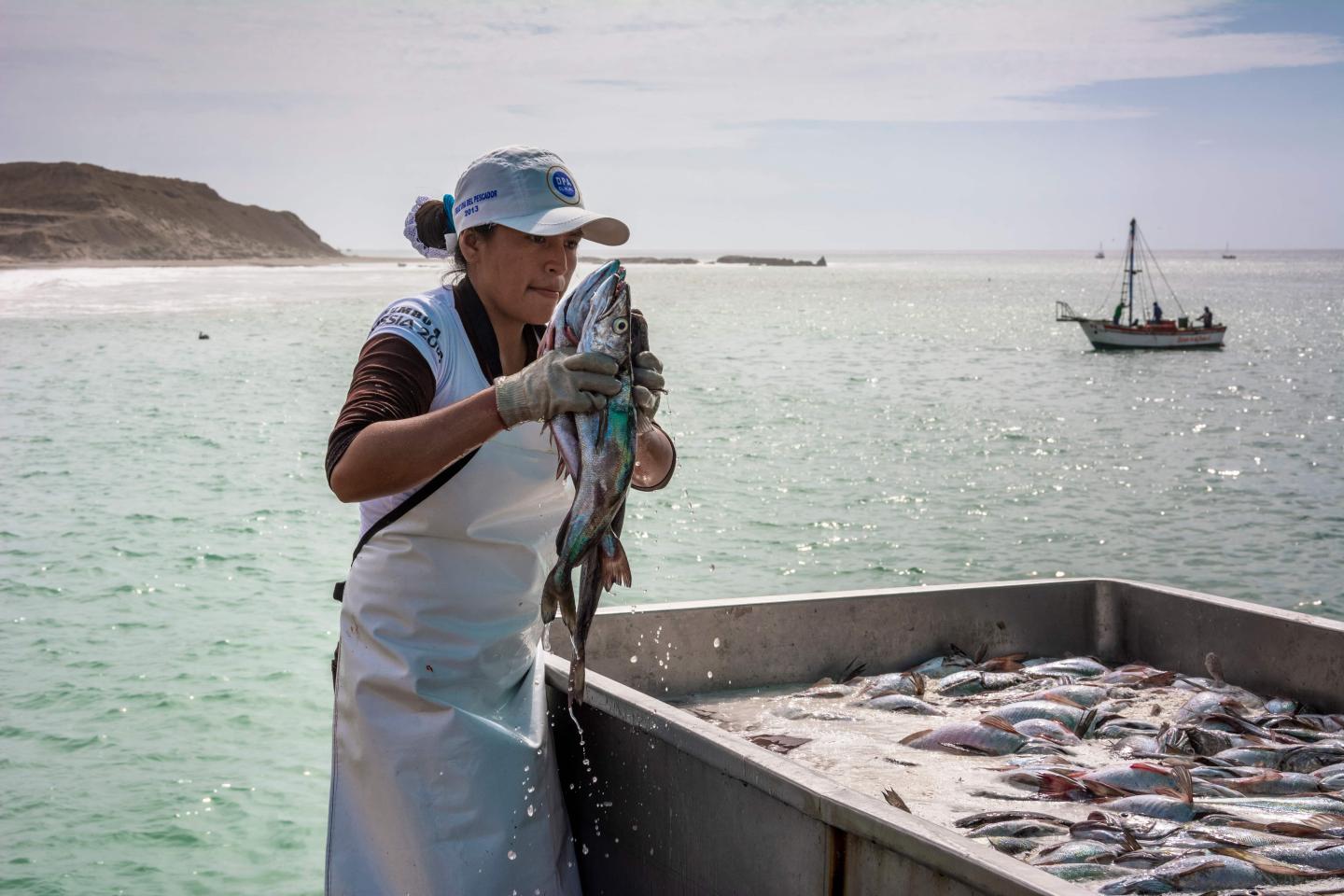
The particulars vary by place, but the core principles are familiar.
Set limits based on science, build accountability into the system and involve the people whose livelihoods depend on fishing.
Leland argues that the rebound of U.S. fisheries is inspiring partly because it rejects the false choice between conservation and commerce.
Instead of limiting human enterprise, the Magnuson-Stevens Act has shown that protecting nature helps sustain fishing economies, strengthening the communities and businesses that depend on them.
Threats to sustainable fisheries remain
The 50th anniversary of the Magnuson-Stevens Act merits celebration, but not complacency.
Climate change is reshaping marine ecosystems in ways that will test every part of the fisheries management system.
As ocean temperatures rise, fish are shifting their ranges. More intense storms and coastal flooding are adding new strains to fishing communities. The biological assumptions that once guided managers may hold less firmly in the decades ahead.
Other pressures are institutional. Fisheries management depends on data, enforcement, stock assessments and a sustained commitment to science. When any of those weakens, the system becomes more fragile. Political swings can also make long-term stewardship harder, especially when short-term pressures push leaders toward quick fixes.
The Magnuson-Stevens Act remains a strong foundation for meeting those challenges, but only if the institutions behind them remain strong.
That is where funding comes in.
NOAA and the National Marine Fisheries Service rely on steady federal support for stock assessments, monitoring, enforcement and data collection. The Trump administration’s newest budget request again proposes cuts, raising fresh concerns about the government’s ability to sustain that work. With weaker science, catch limits become less precise. With less monitoring, accountability begins to erode. With less enforcement, confidence in the system can start to fray.
The past 50 years of fishing under Magnuson-Stevens Act have offered a clear lesson. Recovery did not happen on its own. It happened because the United States invested in management capable of making conservation work.
Guindon has lived through both the race for fish and the long effort to bring fish back. He knows what collapse feels like in a business, in a family and in a town built around the water. “A race for fish that made my life terrible,” he says. “I missed birthdays, baseball games — all the firsts for my kids growing up … I don’t have to do that anymore.”