
This seafood comes with a backstory you can verify
Digital traceability for fish helps buyers and small-scale fishers, too.
A fish can travel a long way from ocean to market while shedding almost every fact about itself. Its name can change. Its origin can blur. By the time it lands on a plate, the diner may have no real way to know who caught it, where it came from or whether the fishery behind it is taking care of the ocean it depends on
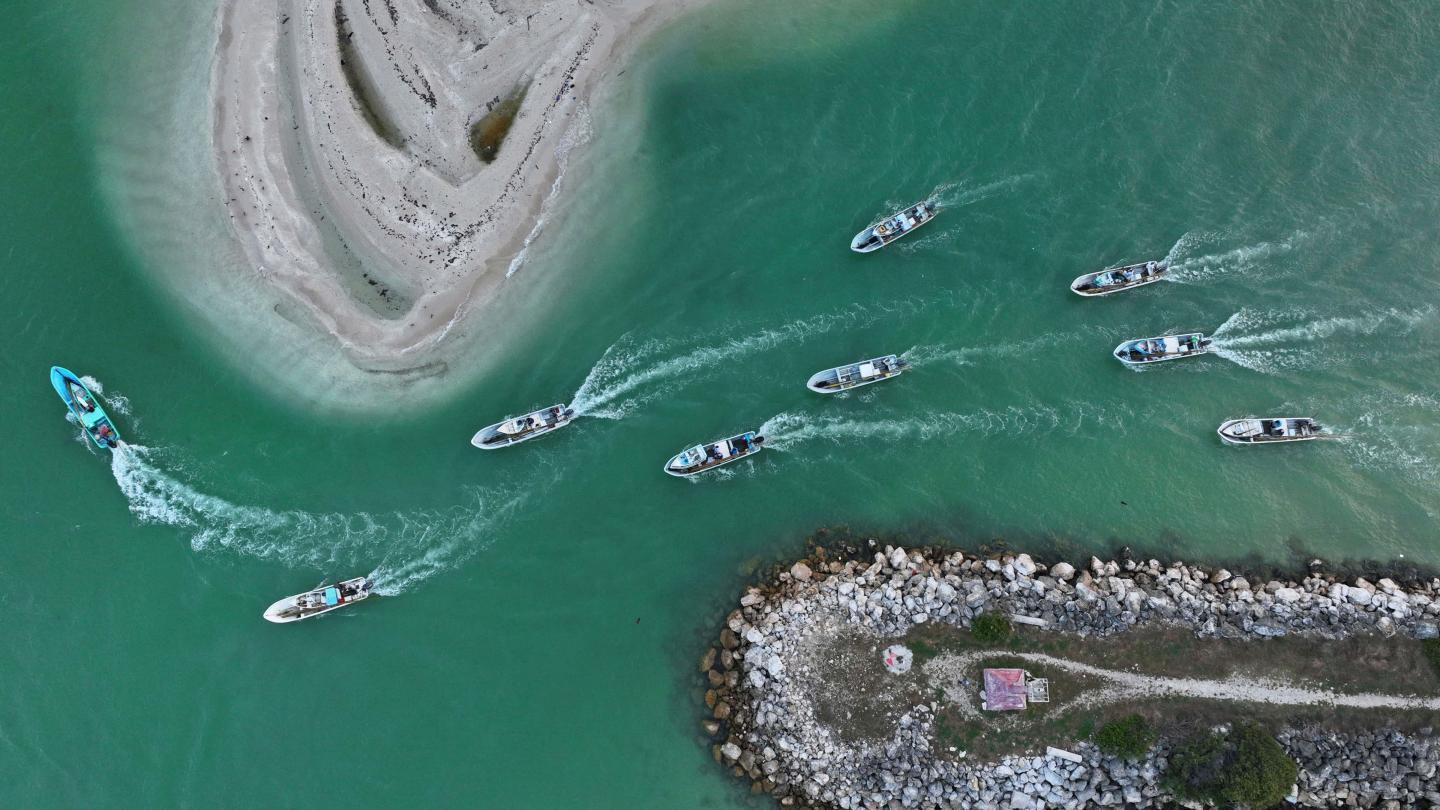
On Mexico’s Yucatán coast, a small group of fishing communities is trying to change that.
In the ports of San Felipe and Celestún, two artisanal fishing cooperatives, and a processing plant that works with medium-scale fishers, who have long sold into a system of murky middlemen, are beginning to send seafood into global markets with something new attached: a digital identity. The snapper, grouper and Maya octopus they catch now travel with a verified record showing where the catch came from, who handled it and how it moved from boat to buyer.
In February, the processing plant reached a milestone: the first commercial sale of Mexican seafood digitally traceable from fishing boat to restaurant under the Global Dialogue on Seafood Traceability, or GDST, a standard that is gaining traction worldwide. Harvested according to science-based management measures to ensure that fish populations remain stable, the seafood was delivered to Austin chef and restaurateur Jay Huang. Soon, the two artisanal cooperatives are expected to export their products as well.
A new premium on transparency
For decades, small-scale fishers have had the least leverage in the seafood trade while carrying much of the risk. They face shrinking stocks as overfishing, illegal harvesting and warming waters put increasing pressure on marine life. They also contend with volatile prices, opaque buyers and a market that demands ever more paperwork while often giving little back. Traceability, supporters argue, can do more than satisfy bureaucracy. It can help fishers sell better, bargain better and hold onto more of the value of their catch.
“When properly designed, traceability is a tool that gives fishermen a better chance to get into new markets and to be competitive,” says Claudia Febles Gutiérrez, who coordinates the Resilient Communities project at Environmental Defense Fund Mexico. “There is growing demand for sustainable seafood, and traceability is helping to build the trust needed to support it.”
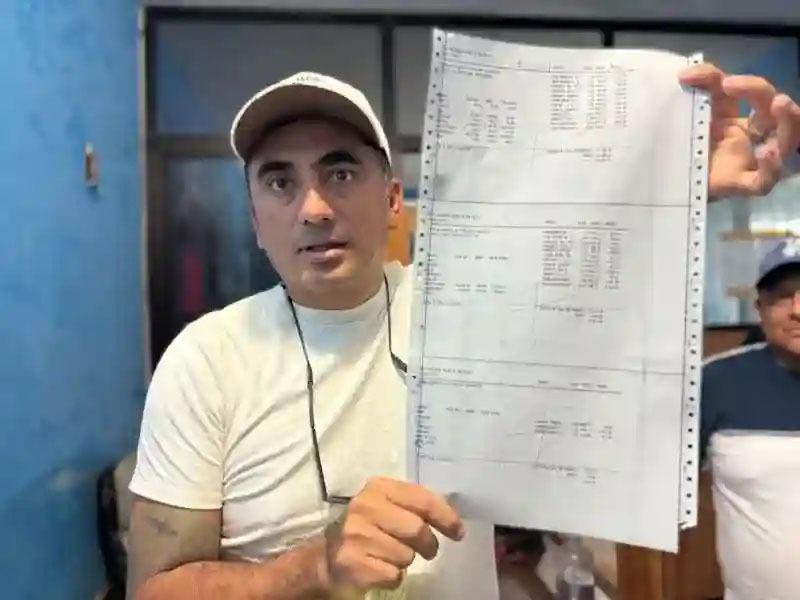
That demand is gathering force across the seafood trade. Buyers from Walmart, Norwegian Cruise Lines, Iberostar and seafood importers from around the world have recently traveled to the Yucatán peninsula to meet with fishing cooperatives and explore purchases.
They came because seafood markets in the United States and Europe are changing quickly. Restaurants, retailers and importers are under growing pressure to prove that the seafood they sell is sustainable, safe and honestly labeled. The lead U.S. agency that regulates fishing, the National Oceanic and Atmospheric Administration, now requires harvest-to-entry data for more than 1,100 seafood species, and the EU started requiring digital catch certificates for imported fish this year. “Sustainable” is no longer enough as a slogan. Buyers increasingly want records that travel with the product.
But as traceability becomes a firmer requirement in export markets, small producers without the tools to comply can be pushed aside. Those who can meet the standards may gain access to buyers who pay more, demand higher quality and want the kind of product small-scale fisheries can offer: seafood tied to a known place, a known community and a known way of working.
Environmental news that matters, straight to your inbox
From paper logs to digital proof
Fishing cooperatives are community organizations in coastal towns, made up of fishermen who often own the local processing plant. Some cooperatives were already keeping careful records before the digital push began. But handwritten logs and local knowledge do not easily travel through the global seafood business, with its import rules, procurement systems and digital reporting requirements.
So EDF Mexico and its partners began helping these communities translate existing practices into a standardized digital system. The work started with workshops that brought together scientists, businesspeople and traceability experts. Fishermen compared notes with other sectors, including beef and honey, to see how traceability can work from producer to buyer. Then came the buyers, who made the idea concrete by telling fishers that traceable seafood could command better prices. Experts from Wholechain, a digital platform that tracks seafood through each step of the supply chain, showed how artisanal cooperatives could build traceability into their daily work.
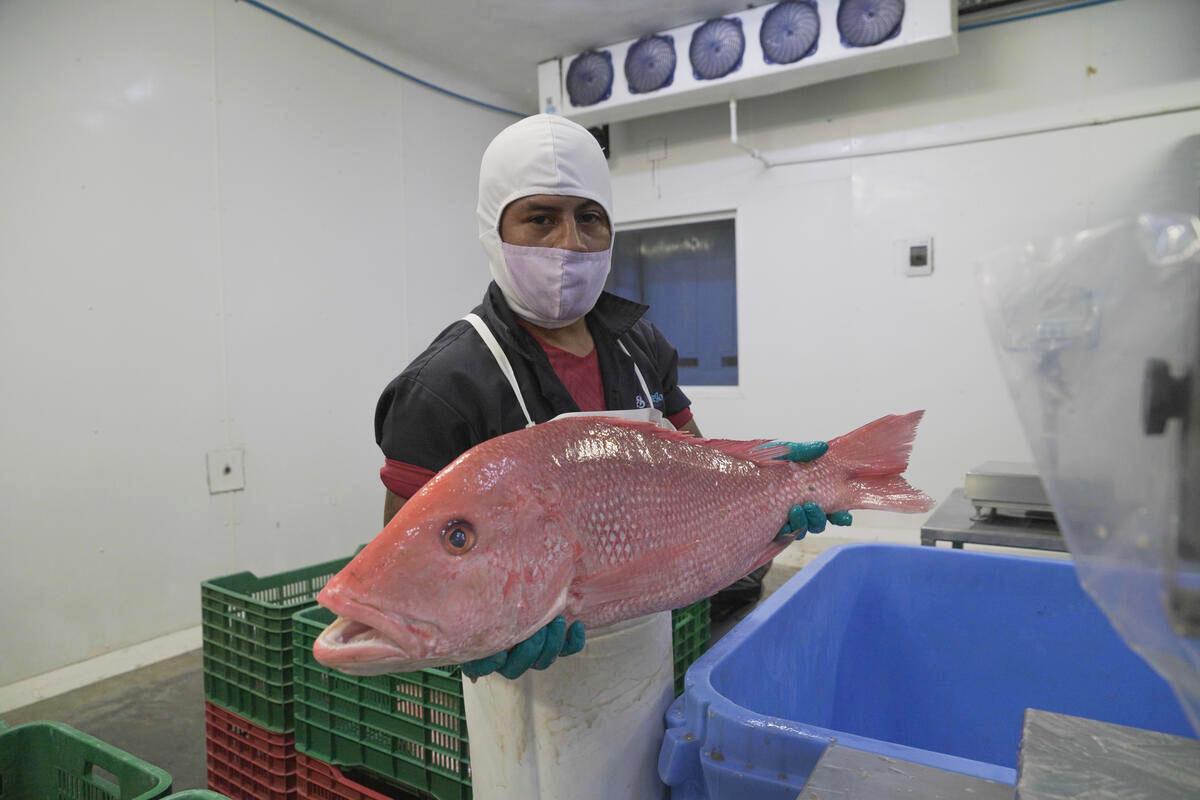
The paper trail begins when the catch hits land, usually at a fishing cooperative. There, fish are sorted into lots and logged with details about who delivered them, where they came from and key characteristics. The system may not name each fisher, but it captures the group and port of origin. That record moves with the product to processors, standardizing data that many cooperatives already collect and making it usable for buyers downstream.
In an industry rife with mislabeling, that matters. Traceability’s first promise is simple: that the fish is what it claims to be. It also shows where a fish came from and how it moved through the supply chain. If a food safety problem surfaces, it can help pinpoint the source and precisely target a recall, if necessary. If a buyer wants proof of legal harvest or good practices, it offers more than a verbal assurance.
“Traceability expands market access for small-scale producers,” says Mark Kaplan, director of sustainability at Wholechain. “If producers can prove that they are aligned with global standards for sustainability and safety, they meet a requirement the international market is increasingly asking for.” Working with EDF Mexico, Wholechain helped bring buyers to the cooperatives and build the system linking local fisheries to market demands.

Román Antonio Can, a fisherman and member of the San Felipe United Fishermen’s Cooperative, sees the appeal clearly. “Traceability can help us get a better price while reducing pressure on the ocean,” he says. “It lets us shift the focus from quantity to quality.”
That’s especially important in Yucatán’s grouper fishery, where EDF has focused much of its recovery work. Grouper is not gone, but it is under real pressure, with populations in decline. The challenge now is not only biological but economic: if fishers can earn more from smaller, better-documented catches, the business of fishing begins to line up more closely with the slow work of rebuilding the stock.
At the request of the Yucatán fishing sector, EDF helped develop a recovery plan designed to move that process forward. The plan lays out practical steps that can be phased in over time to strengthen management, better regulate catches and fill important gaps in what is known about the health of the fishery. EDF is also supporting efforts to promote these strategies among fishing cooperatives, officials and others whose support will determine whether recovery takes hold.
- From collapse to comeback: How a Mexican fishery charted a new course
- In Hawaii, innovation is transforming fish farming
From Yucatán waters to an Austin menu
Jay Huang, chef-owner of Lucky Robot and Nómade in Austin, has spent years pushing against what he sees as the reflexive assumptions of American sushi culture, where diners often care more about familiarity than origin. He built his reputation around sustainable sourcing and became the first sushi chef in Texas recognized through the James Beard Foundation’s Smart Catch program. For him, Yucatán’s traceable seafood is not a novelty. It points to where the business is headed.
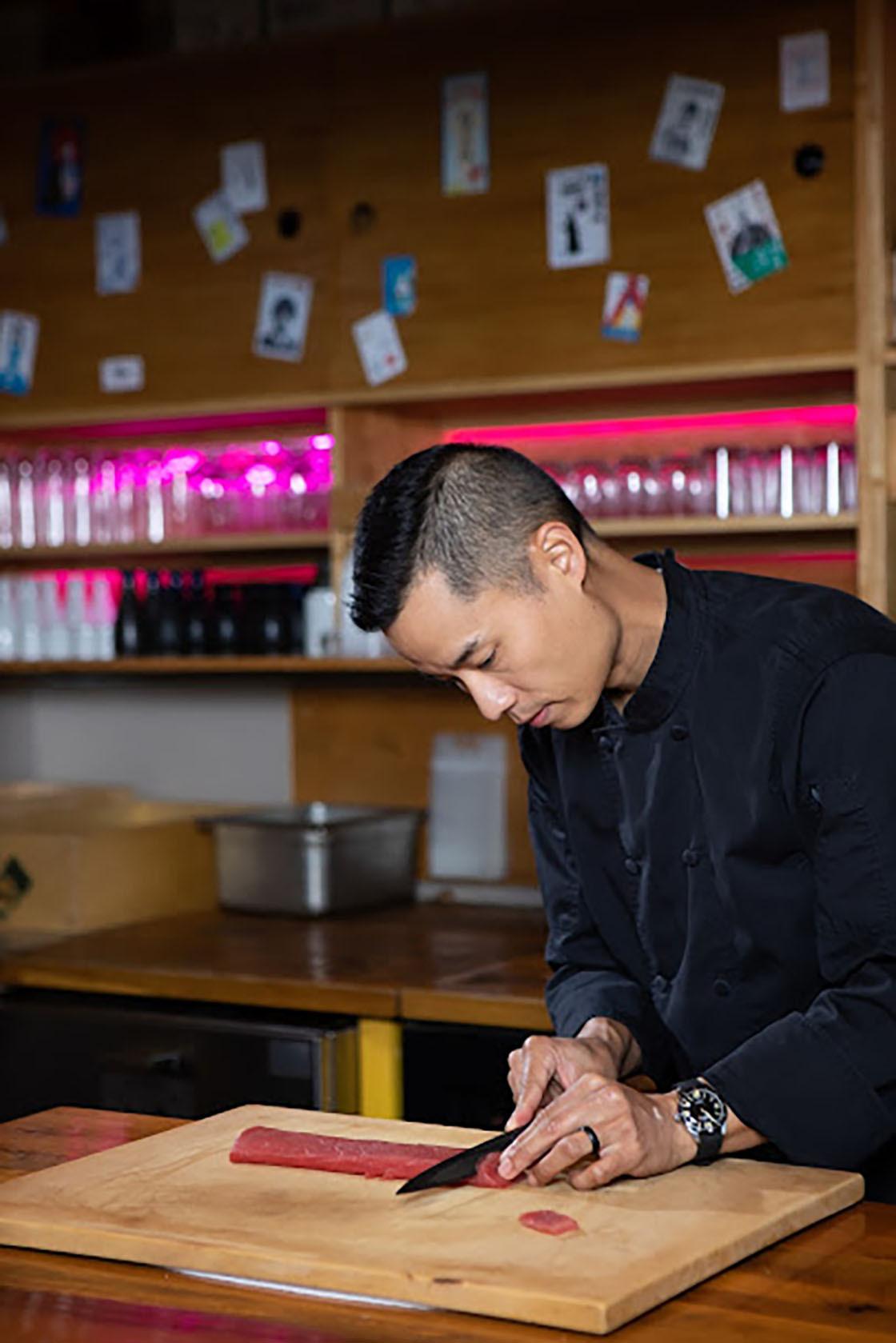
“What excites me is not just that the product is traceable, but that it comes from communities genuinely trying to fish better and build a better future around that,” says Huang, who has made several visits to Yucatán to meet with fishermen and processors. “That means you can tell your customers exactly what they’re being served and where it came from. One of the most powerful things about food is the way it can connect people at the source with people at the table.”
Huang recently reprinted his menu to include a QR code for the Maya octopus, giving diners a way to see the seafood’s backstory unfold on a phone screen. Scan it and a map traces the catch from the fishing community in Yucatán to the processor in Progreso, the distributor in Houston and finally the restaurant. “The servers are really excited,” Huang says. “The more information they have about our products, the more eager they are to share that with guests.”
Traceability is reshaping seafood markets
Seafood is only one part of a much broader shift. Consumers in many developed countries increasingly expect some account of origin, labor and environmental footprint in products ranging from coffee to chocolate to beef. Seafood has lagged in part because it is harder to track. Fish are mobile. Supply chains are fragmented. Products are often transformed, relabeled and mixed.
But the pressure is building. Regulators in multiple countries are tightening traceability rules as concerns about food safety, illegal fishing and seafood fraud grow. One widely cited global review from 2016 found that roughly one in five seafood samples tested worldwide were mislabeled. In the EU, the push toward traceability took a major step on Jan. 10, 2026, when digital catch certificates became mandatory for all imported seafood.
What Yucatán fishing communities and their supporters are building is more than a tracking system. It’s a way to make artisanal fishing visible in a system that has traditionally reduced fisheries workers to anonymity. A fish from San Felipe or Celestún is not just another product moving through the chain. It comes from a particular place, from a known group of fishermen and from practices buyers can now examine more closely.
In that sense, traceability is becoming more than a technical fix. It is a practical way for fishing communities to compete on fairer terms while helping protect the waters that sustain them. Behind the QR codes and digital records is a larger effort to win better prices, more bargaining power and a fishery that can endure into the next generation.