
From Cuba, new clues to coral reef survival
"Hope spots” identified in first-ever scientific effort could help guide conservation efforts across the Caribbean and beyond.
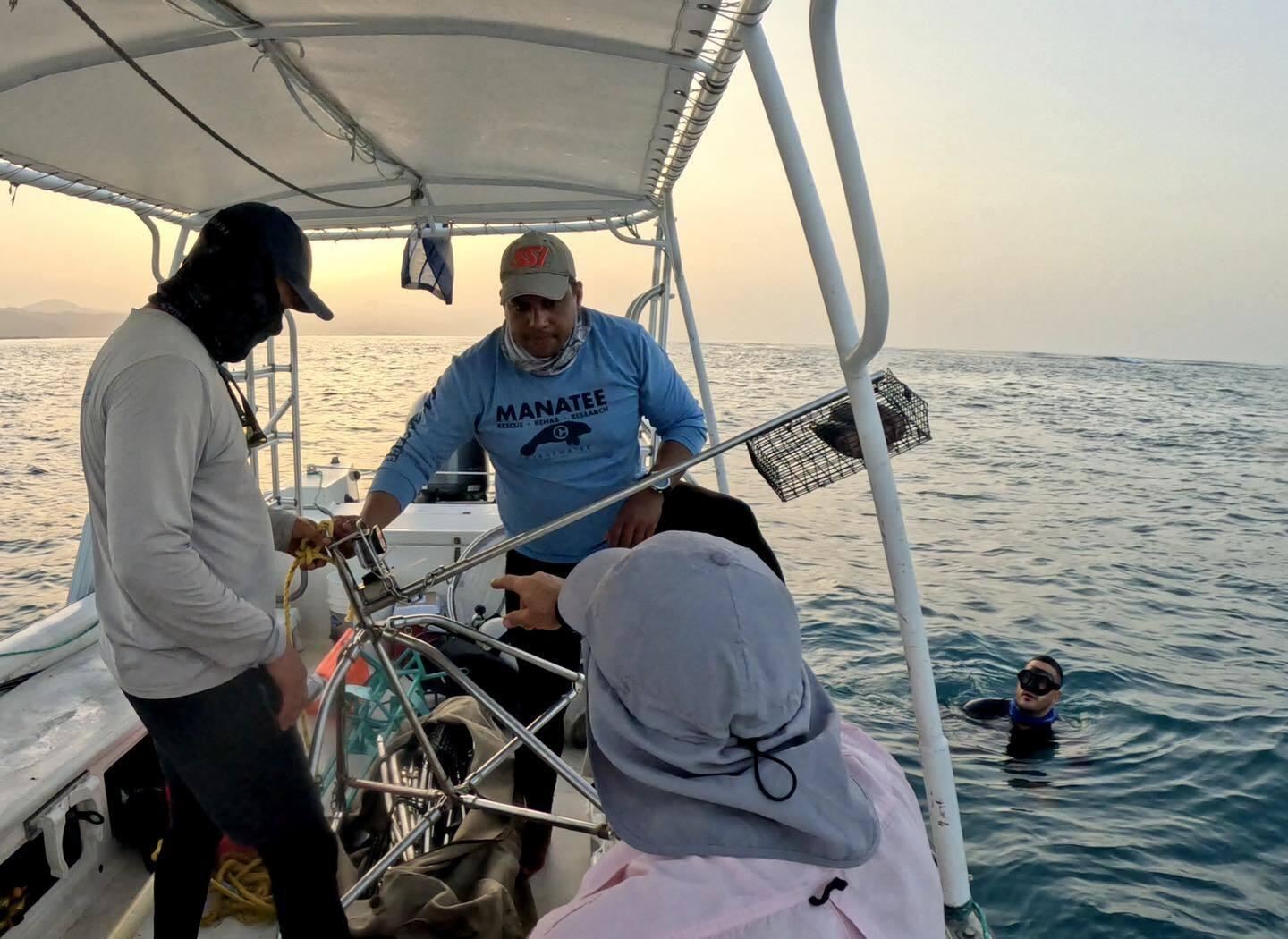
In the summer of 2023, a small research vessel set out to do something no scientific expedition had done before: circle the entire Cuban archipelago, surveying reefs, fish, seabirds and marine mammals along more than 2,000 nautical miles of coastline.
The expedition was called Bojeo a Cuba — “circumnavigation of Cuba.”
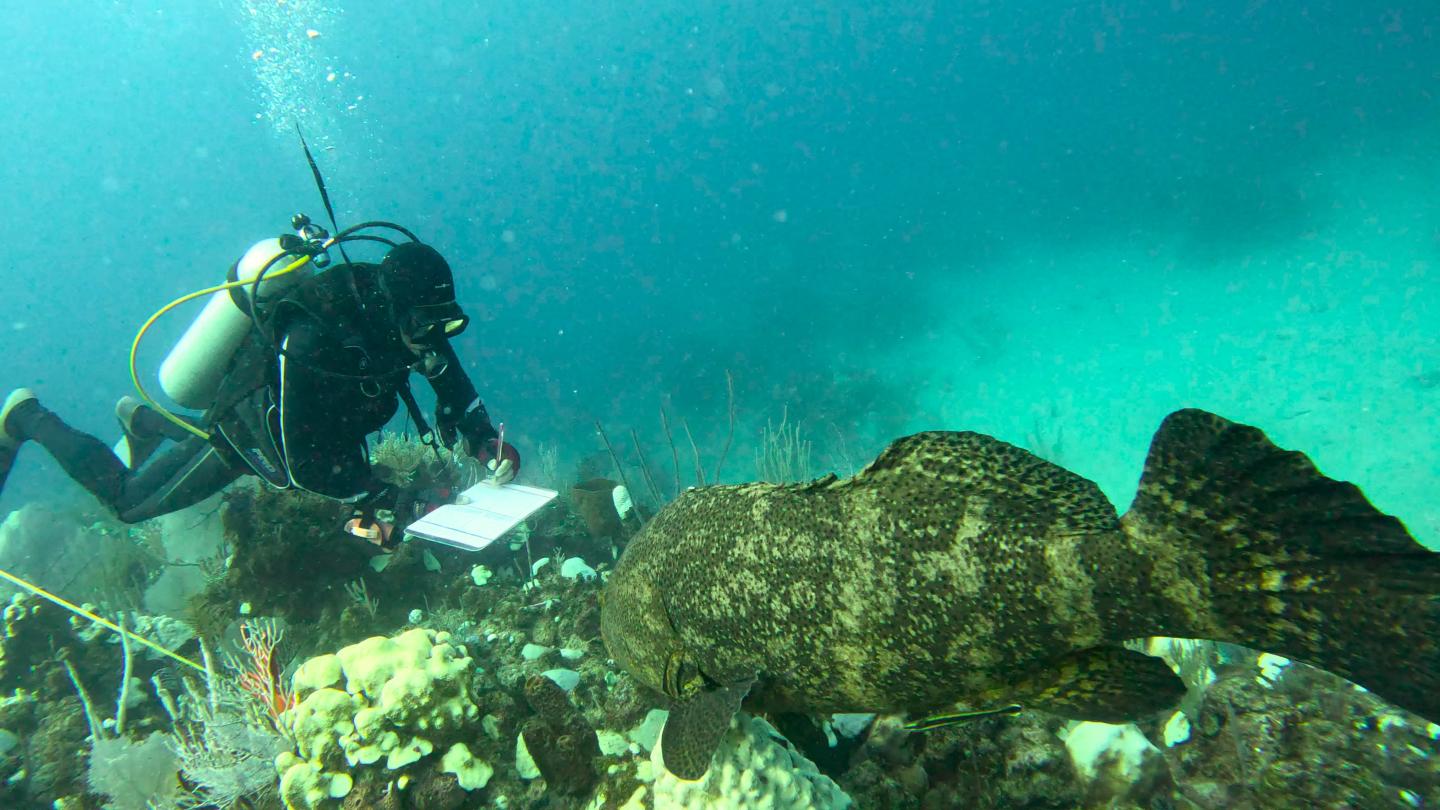
For two months, Cuban scientists counted fish and sampled reef waters. They recorded dolphins, manatees and seabirds, and interviewed fisherman and others who make their living off the sea. The result was a rare nationwide snapshot of one of the Caribbean’s largest and least-studied marine ecosystems.
Nearly three years later, the expedition continues to yield new discoveries.
The research flowing from Bojeo a Cuba is transforming what scientists know about Cuba's coastal waters and helping identify reefs that may be unusually resilient — able to withstand and recover from stresses such as warming waters and storms — in a warming world. The findings are already influencing where scientists and conservationists focus their efforts. They highlight the value of strong reef management and point to five coral reef "hope spots" that may be unusually resilient to climate change.
In late summer, the Bulletin of Marine Science will publish a special issue devoted to the Bojeo expedition, featuring more than ten scientific papers drawn from this first-ever scientific circumnavigation of Cuba. The collection represents a landmark international collaboration that could help guide ocean conservation efforts across the Gulf and the wider Caribbean.
The findings offer a rare source of optimism at a time when both coral reefs and scientific institutions are under growing strain. The research was supported by Environmental Defense Fund, a global science-based nonprofit that has worked alongside Cuban scientists and conservationists for more than 25 years. “Even during extremely difficult times, our Cuban partners continue to do great work and produce tangible conservation results,” says EDF fisheries and marine conservation expert Valerie Miller.
Searching for the reefs most likely to endure
Across much of the Caribbean, coral reefs have been battered by warming seas, overfishing and pollution. The region's reefs now contain only about half as much hard coral as they did in 1980. Yet Cuba has long stood out. Its waters contain one of the Caribbean's largest reef systems and one of its most extensive networks of protected marine areas, making it a natural laboratory for understanding how healthy reefs function.
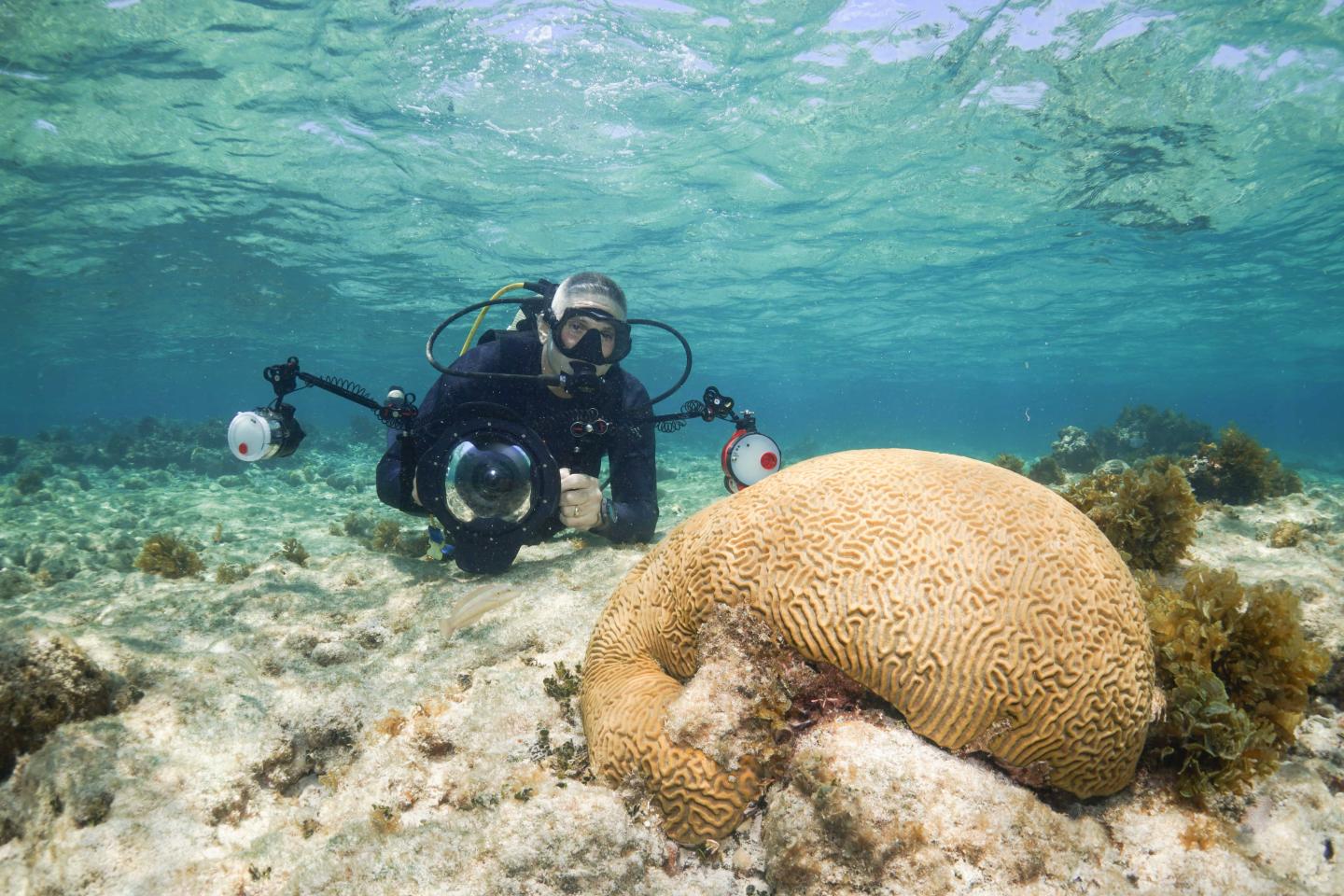
Scientists have noticed that some Cuban reefs appear markedly healthier than many of their Caribbean counterparts, but it was never clear whether those bright spots were isolated exceptions or signs of something larger. If researchers can determine what allows these reefs to endure, the lessons could help shape coral reef conservation efforts far beyond Cuba.
Drawing on their surveys of dozens of reef systems around the country, the Bojeo researchers identified five coral reef hotspots that appear especially important for resilience. Some of these areas tend to support more sharks and other large fish and show other signs of ecological health. The findings are helping to shape conservation strategies as climate stresses become more intense. Several of the new studies point toward a common conclusion: management matters.
One paper examining fish populations across 23 reef systems found that areas where fishing and environmental regulations were more consistently enforced supported more complete fish communities. Sites with effective management were more likely to harbor large predators that have disappeared from many Caribbean reefs.
“Protected areas alone are not enough,” says Cuban marine scientist Fabián Pina-Amargós, the study’s lead author. “The places with the best outcomes are the places where regulations are actually enforced.”
A companion study found that well-managed reefs support a broader mix of fish species performing different jobs in their habitats, from grazers that keep algae in check to predators that help maintain balance in the ecosystem.
Environmental news that matters, straight to your inbox
A look at life above and below the waves
The expedition also expanded understanding of marine life beyond coral reefs.
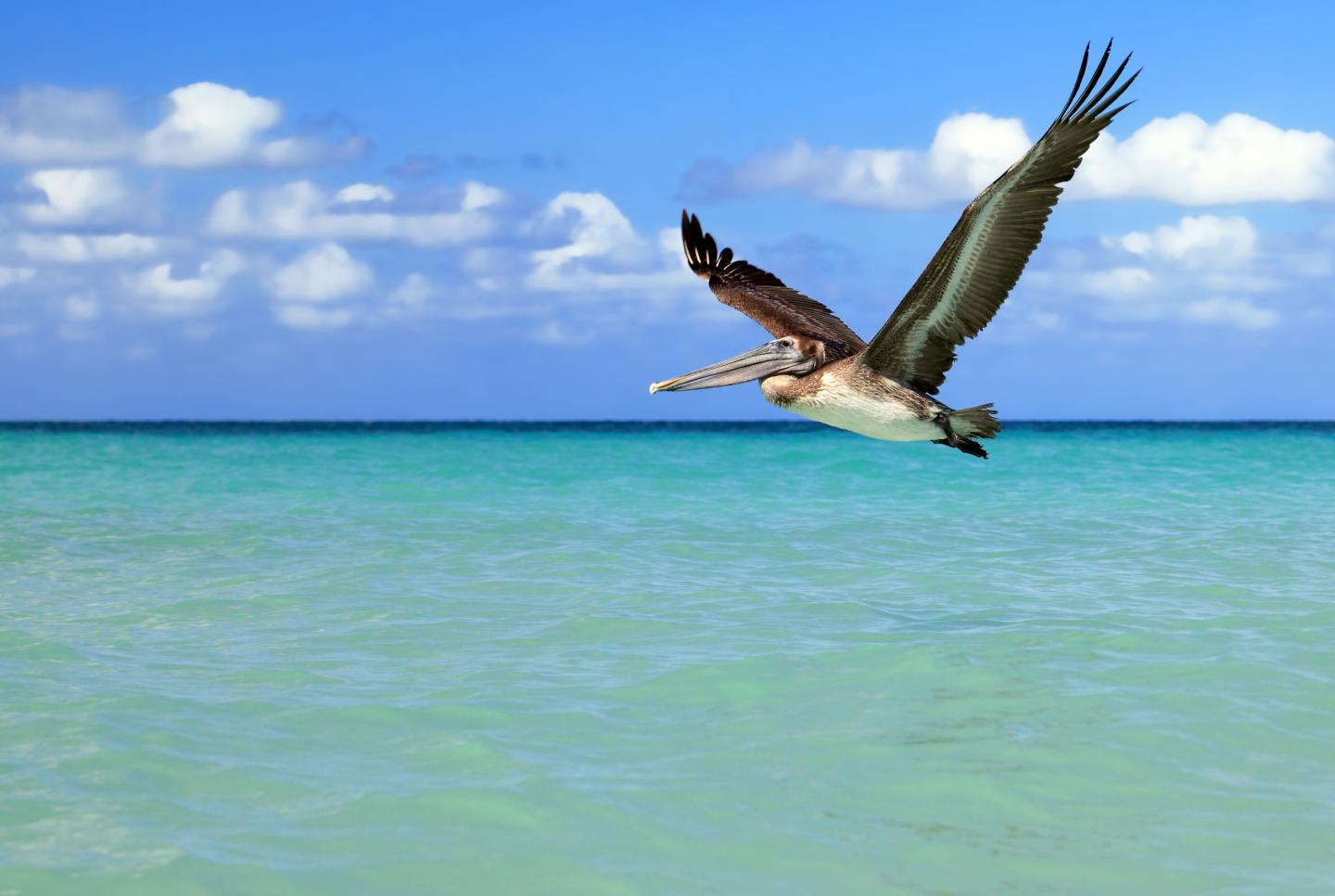
Researchers conducted the first nationwide at-sea survey of large marine animals in Cuban waters, documenting dolphins, manatees and sea turtles across six regions of the country. The survey created the first nationwide benchmark for future monitoring and identified several areas where marine mammals appear especially concentrated.
Another study produced Cuba’s first comprehensive at-sea assessment of seabirds around the entire archipelago. Scientists recorded eight seabird families and identified regional hotspots of abundance and diversity, creating a baseline for tracking long-term population trends. Seabirds are particularly valuable because they serve as indicators of broader marine ecosystem health.
Even microorganisms had a story to tell.
By analyzing microscopic organisms such as bacteria and phytoplankton — the tiny algae that form the foundation of marine food webs — Cuban researchers assessed environmental conditions at reef sites along the northern coast. Because these organisms respond quickly to changes in water quality, their abundance and composition can provide an early indication of reef health.
The researchers found that most reefs contained microbial communities associated with relatively healthy, well-balanced ecosystems that support corals and other marine life. They also identified areas where elevated nutrient levels and other stressors had begun to alter those communities, potentially signaling conditions that could weaken reef health if left unchecked.
Together, the studies are helping fill longstanding knowledge gaps about Cuban waters. They also demonstrate the value of looking at ecosystems as connected wholes rather than isolated species or habitats.
“The Bojeo was designed to bring together experts from multiple fields,” says Patricia González-Díaz, a University of Havana researcher who studies coral reef ecology and coastal ecosystem management. “We wanted to understand not just corals or fish, but the relationships among all the components of these ecosystems.”
Turning science into action
What began as a scientific voyage is now helping shape conservation efforts across Cuba. The expedition helped lay the groundwork for a new Roadmap for Cuba's Coral Reefs, a long-term strategy that brings together scientists, policymakers and local communities to protect reef ecosystems while supporting the people who depend on them.
One priority is protecting and strengthening coral reefs in the newly identified hotspot areas. To do that, researchers are testing ways to control an invasive coral species that can spread rapidly and crowd out native reef life. At one site, efforts to halt the coral’s expansion have shown promising early results, raising hopes that the approach could be used more widely.
Another project focuses on restoring staghorn coral, one of the Caribbean’s most important reef-building species. Once abundant, staghorn populations have declined dramatically throughout the region. Cuban scientists are exploring ways to help the species recover in locations where conditions remain favorable.


Researchers are testing strategies to restore staghorn coral, one of the Caribbean's most prolific reef builders; areas where fishing and environmental regulations are consistently enforced support more complete fish communities. (Luis Muiño)
Researchers are also turning to an unlikely reef restoration partner: the long-spined sea urchin.
These spiny grazers play a crucial role by consuming algae that would otherwise smother corals. Rather than relying exclusively on expensive coral nurseries and laboratory propagation programs, scientists hope that strengthening populations of key reef species may help create conditions that allow corals to recover naturally.
Meanwhile, a newly approved three-year coastal restoration initiative will build on earlier work restoring mangroves and other coastal habitats that protect communities from storms while supporting marine biodiversity.
The conservation vision extends beyond ecology. Scientists and conservation leaders increasingly see reef hotspots as places where nature-based livelihoods can flourish. Building on the expedition’s findings, conservationists are working to turn healthy reefs into economic opportunities by encouraging locally owned dive operations, snorkeling businesses and other tourism ventures that create economic incentives for conservation while generating income for coastal communities.
- Historic Cuban voyage searches for clues to coral reef survival
- The incredible climate-saving power of the world's oceans and wetlands
Keeping the science alive
Cuba’s economic crisis has created enormous challenges for daily living, and local research institutions and environmental organizations are no exception. Fuel shortages, electrical outages and limited resources have made scientific work increasingly difficult. Groups like EDF, Wildlife Conservation Society and the Caribbean Biodiversity Fund collaborate with Cuban partners to ensure that globally important marine science continues during this challenging time.
EDF and its partners have installed small solar energy systems that allow critical environmental and scientific programs to continue operating despite chronic blackouts. The assistance has allowed graduate students to continue their research and enabled conservation organizations to remain active despite the challenges to everyday operations. One partner's solar-powered office has become a lifeline, keeping staff connected and productive when the electrical grid falters.
“These small projects are keeping the lights on at a critical time,” Miller says. “A relatively small amount of energy support can make a huge difference.”
The significance of this work extends far beyond Cuba. Ocean currents connect Cuban reefs to ecosystems throughout the Caribbean, carrying tiny free-floating coral larvae that can drift hundreds of miles on ocean currents and help to replenish reefs in places such as the U.S. state of Florida. Many fish species also move between Cuban and U.S. waters, making Cuba's reefs an important nursery for marine life across the region. By identifying the factors that help some reefs remain resilient, Cuban scientists are generating knowledge that could inform conservation efforts throughout the Caribbean and benefit ecosystems shared by both Cuba and the United States.
At a moment when coral reefs worldwide are under unprecedented pressure, the Bojeo research offers something increasingly rare: good news about coral reefs. The challenge now is to further increase understanding of why some reefs still work. Thanks to the scientists who carried this ambitious voyage through some of the most difficult years Cuba has faced in decades, that picture is beginning to come into focus — along with lessons that could guide efforts to protect reefs across the Caribbean.