
Ask an expert: Is advanced recycling the future of plastic or just greenwashing?
Plastics and chemical companies have a new answer to America's plastic waste crisis: “advanced recycling.” The pitch is simple: technology that can handle the plastics your curbside bin can't, turning hard-to-recycle waste into valuable products such as new chemicals and fuels.
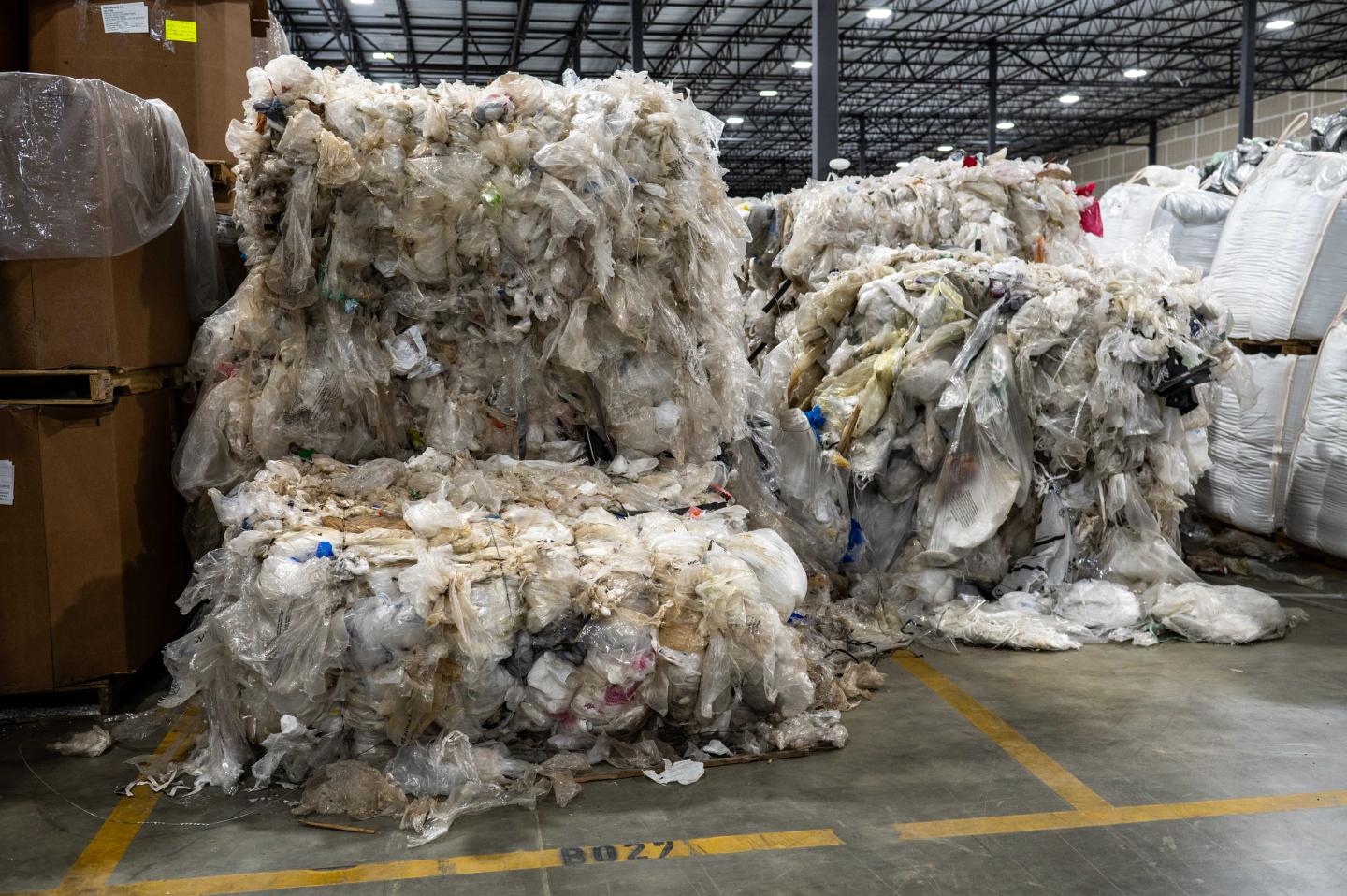
The Environmental Protection Agency's website describes advanced recycling as a potential complement to traditional recycling. But some question whether advanced recycling can be called recycling at all.
In the U.S., two advanced recycling plants shut down in June 2026, leaving a total of eight facilities currently operational nationwide. According to the Environmental Integrity Project database, 30 new facilities have been proposed, and more than a dozen others are moving toward expansion, construction and operation.
We asked Maria Doa, senior director of chemicals policy at the global nonprofit Environmental Defense Fund — who spent 20 years leading chemical risk assessment programs at the EPA — to explain the technology and whether it's really a solution.
What is advanced recycling?
“Advanced recycling,” also known as chemical recycling, is a grossly misleading name for burning plastic. It's not recycling. It's not advanced. It's not a good way to make chemicals.

The main process behind advanced recycling is pyrolysis — heating waste plastic to very high temperatures, generally in the absence of oxygen — and it should not be called recycling.
Compare that to real recycling. If you take a chemical — say, benzene — and it gets contaminated, you recycle it by separating the contaminants and getting pure benzene back, which you can use again. That's not what's happening with the pyrolysis of waste plastic. The products it generates by heating and breaking down the petrochemicals in plastic are so contaminated by additives and byproducts, such as dioxins and phthalates, that I think of it as an inefficient way to make much of nothing.
Advanced recycling is simply a new marketing label put on an old technology that has been used on plastics for a few decades. Its use scaled up sharply starting in 2017, when China said it wouldn't take waste plastic from other countries anymore, sending plastics companies into a panic. I heard industry representatives describe advanced recycling as their answer to the plastic waste crisis, firsthand, at the World Petroleum Conference in 2024.
Maria Doa Senior Director of Chemicals Policy, EDFAdvanced recycling is not a solution at all, not even a little bit. It's a way for the chemical and plastics industry to make us think there's no plastic waste crisis, so they can keep making more plastic.
Some critics call advanced recycling “greenwashing,” an attempt to make something appear environmentally friendly when it is not. Does that criticism hold up?
It totally holds up and has merit. One, advanced recycling is not recycling, it’s pyrolysis; the term is used on purpose, so people think something good is happening. Two, it's an inefficient process that produces very little that's directly useful, while releasing air pollutants and generating hazardous waste.
As an organic chemist, my first reaction when I encountered this was about the chemistry of it. I thought this was a terrible, toxic, inefficient way to make what they claim to be making — valuable products.
Is there an economic case for advanced recycling?
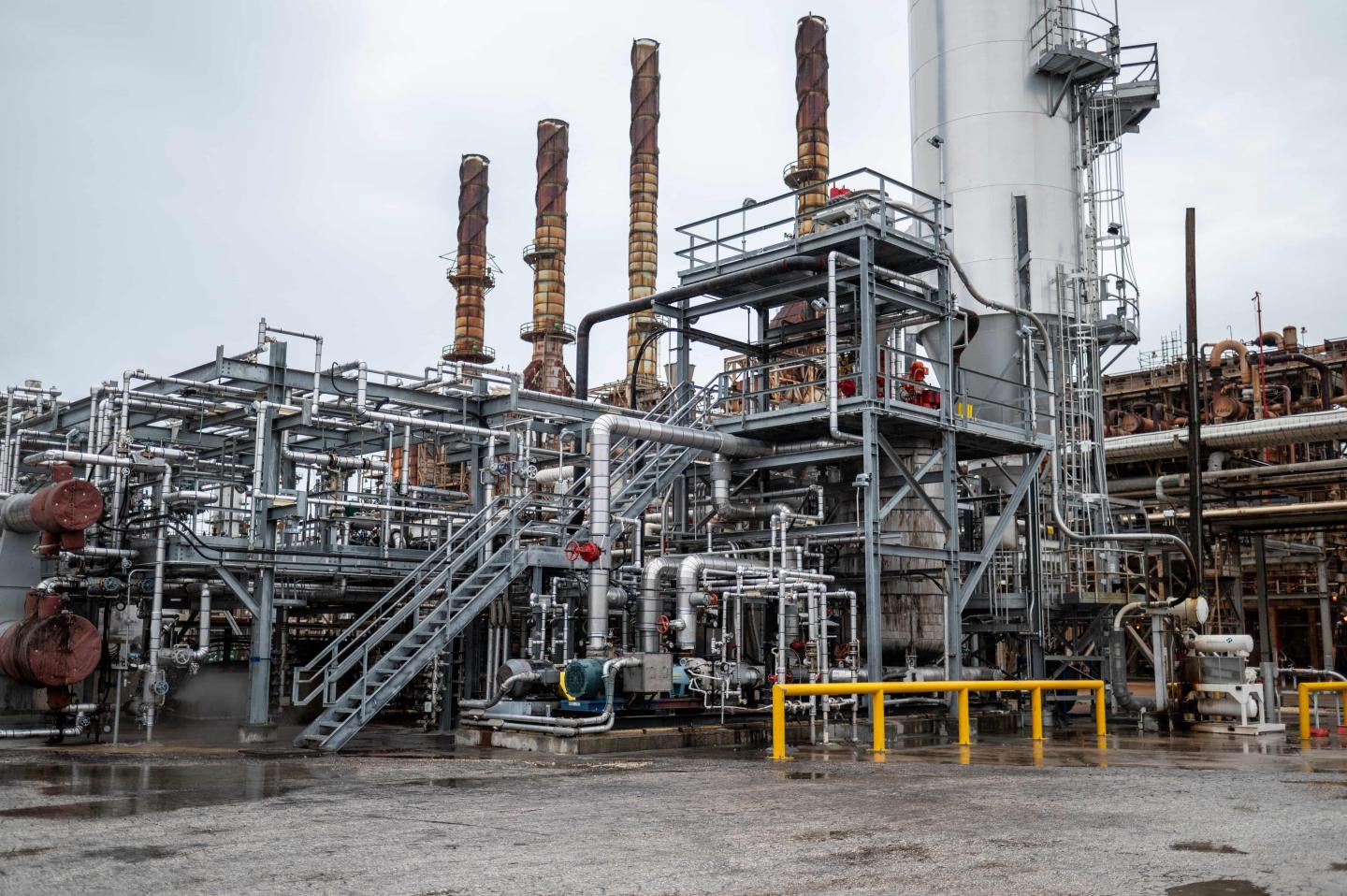
Not really. So many of these waste-plastic pyrolysis facilities go out of business; they get startup money, operate for a while, and shut down because they're not making money since they only produce a small amount of material that then needs a lot of further purification. Recently, two advanced recycling facilities shut down operations: the Freepoint Eco-Systems plant in Ohio and Braven Environmental’s unit in North Carolina.
Industry representatives have said everybody in the supply chain needs to pitch in just to make it financially viable — and even then, it's costly and inefficient. I went to Exxon's facility in Baytown, Texas — the largest petrochemical complex in the country — and saw their advanced recycling unit; it was this tiny thing, maybe 1% of the whole complex. If it were actually profitable, it wouldn't be just a teeny part.
Could you elaborate on the health impacts of living near these advanced recycling facilities? Are there specific chemicals you're most worried about?
Most advanced recycling units are located in communities that are already facing multiple sources of pollution and systemic health and economic issues.
The forever chemicals (PFAS), flame retardants and heavy metals released in the process of burning waste plastic worry me a lot. Also, PM2.5 — small particulate matter that can penetrate deep into your lungs and enter the bloodstream — is produced when you burn the plastic. Dioxins are also released; they last a long time in the environment because they don't break down, building up in fish and people, like fat. They're known carcinogens and can disrupt hormones, cause liver damage and harm reproduction and development.
How are these facilities allowed to operate despite being hazardous to community health?
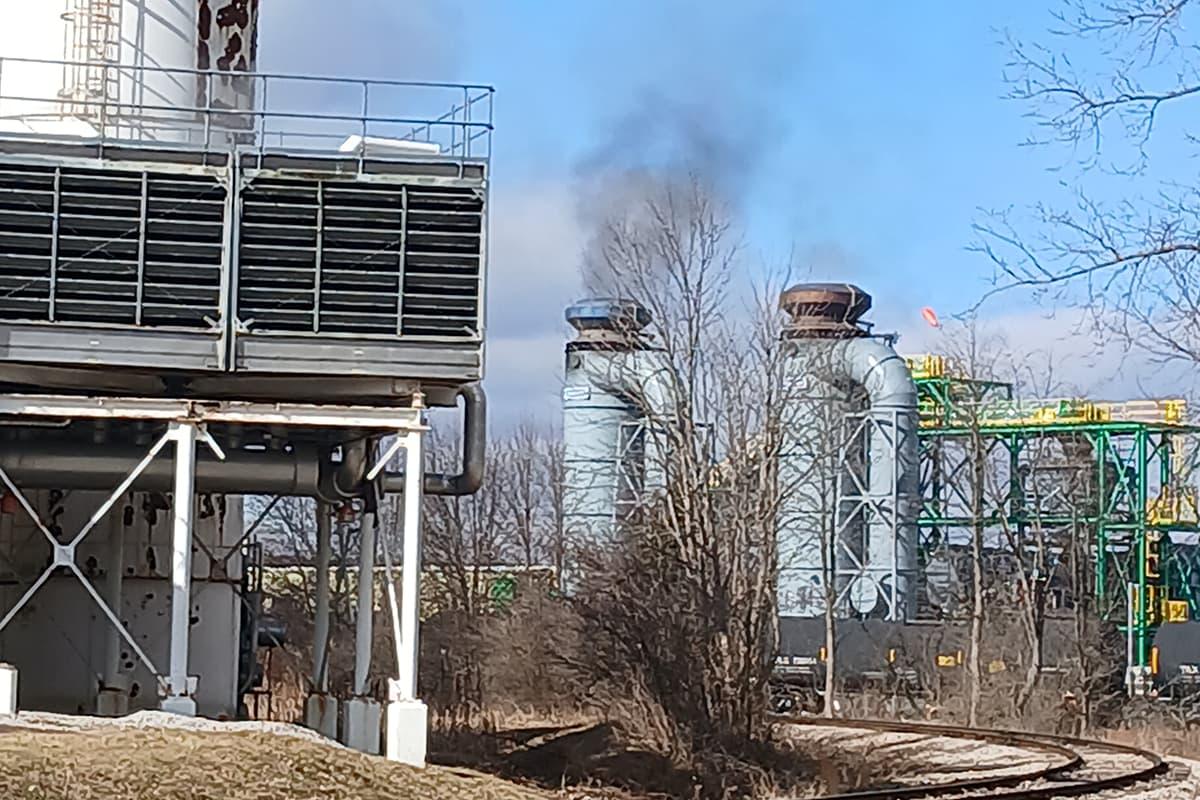
Advanced recycling facilities are regulated as municipal solid waste incinerators under the federal Clean Air Act. Some facilities also ask for an exemption. If 70% of the plastic they incinerate ends up in products other companies can use to make new chemicals, they're exempt from the regulations, and there would be no restrictions on their air pollution.
It is highly unlikely that they actually qualify for this exemption. The regulations require documentation, but companies often claim it without showing their work. They claim 70% with no real backup. We, at EDF, have started pushing back on that. For example, we submitted comments to the Ohio EPA to reject a draft permit renewal for Alterra Energy's facility in Akron, Ohio. The facility doesn’t meet the exemption criteria.
Can advanced recycling ever work responsibly?
I really don't see any benefits. It's inefficient, with a lot of contaminants and air pollutants. The best version I could imagine would use a single, narrow plastic type — off-spec material straight from a manufacturer — rather than mixed waste. Even then, it's energy-intensive and really would not put a dent in the waste plastic problem. I think hardly anyone is doing this, because the whole focus of advanced recycling has been on hard-to-recycle, mixed plastics.
The EPA website says advanced recycling can increase the recovery of plastic and divert materials from landfills. Is that correct?
I understand what the EPA is saying — that it's a complement — but this process is so different from mechanical recycling, where you put plastic in and get plastic back. In mechanical recycling, the end product might be downgraded a bit in the process, but it can still be used as plastic in different ways. That's not what happens with so-called “advanced recycling.” When you pyrolyze waste plastic to break it down, you're not recovering the original plastic.
If waste plastic were landfilled instead of burned, there would be fewer chemical exposures. Nobody likes landfills either, but the potential exposure to harmful chemicals released during burning wouldn't happen if it were landfilled instead.
If advanced recycling isn't the answer, what should we be doing with all the plastic waste instead of landfilling it?
I'm a big proponent of source reduction. A lot of plastic in municipal solid waste streams is packaging or small household goods, and I think using alternative materials and really reusing things matters.
One of the most obvious examples is people reusing grocery bags instead of using new plastic or paper bags each time. I have little fruit and vegetable bags I reuse all the time instead of using plastic ones. There are alternatives.
What is the number one thing you want people to understand about advanced recycling?
Advanced recycling is not a solution at all, not even a little bit. It's a way for the chemical and plastics industry to make us think there's no plastic waste crisis, so they can keep making more plastic.