
As climate change heats up our world, will we lose the Winter Olympics?
Retired Winter Olympian Katie Tannenbaum remembers when global warming first really came into focus for her. “Climate change has always been on my radar,” says Tannenbaum, a slider — a racer in the sport of skeleton who hurtles headfirst on a sled down an ice track at speeds upwards of 80 miles per hour. “But I remember being at training in Switzerland when it was so warm that we couldn’t practice for more than a week. In January, this should not be an issue in the Alps.”
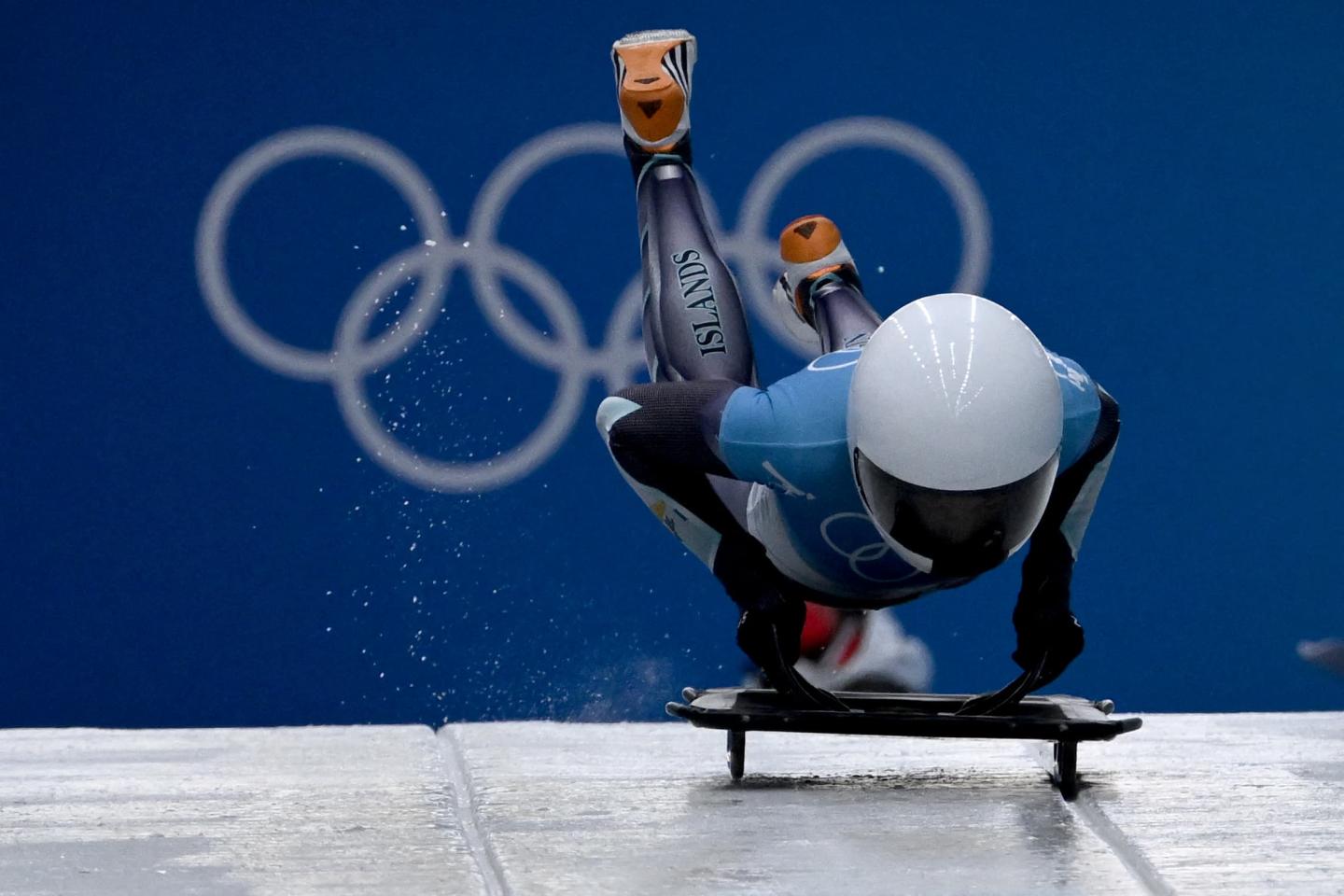
But now, as athletes from 93 countries have gathered in Italy to compete at the 2026 Milan Cortina Olympics, the question of climate change’s impact on the international matchup is more present than ever — if for no other reason than the warm temperatures.
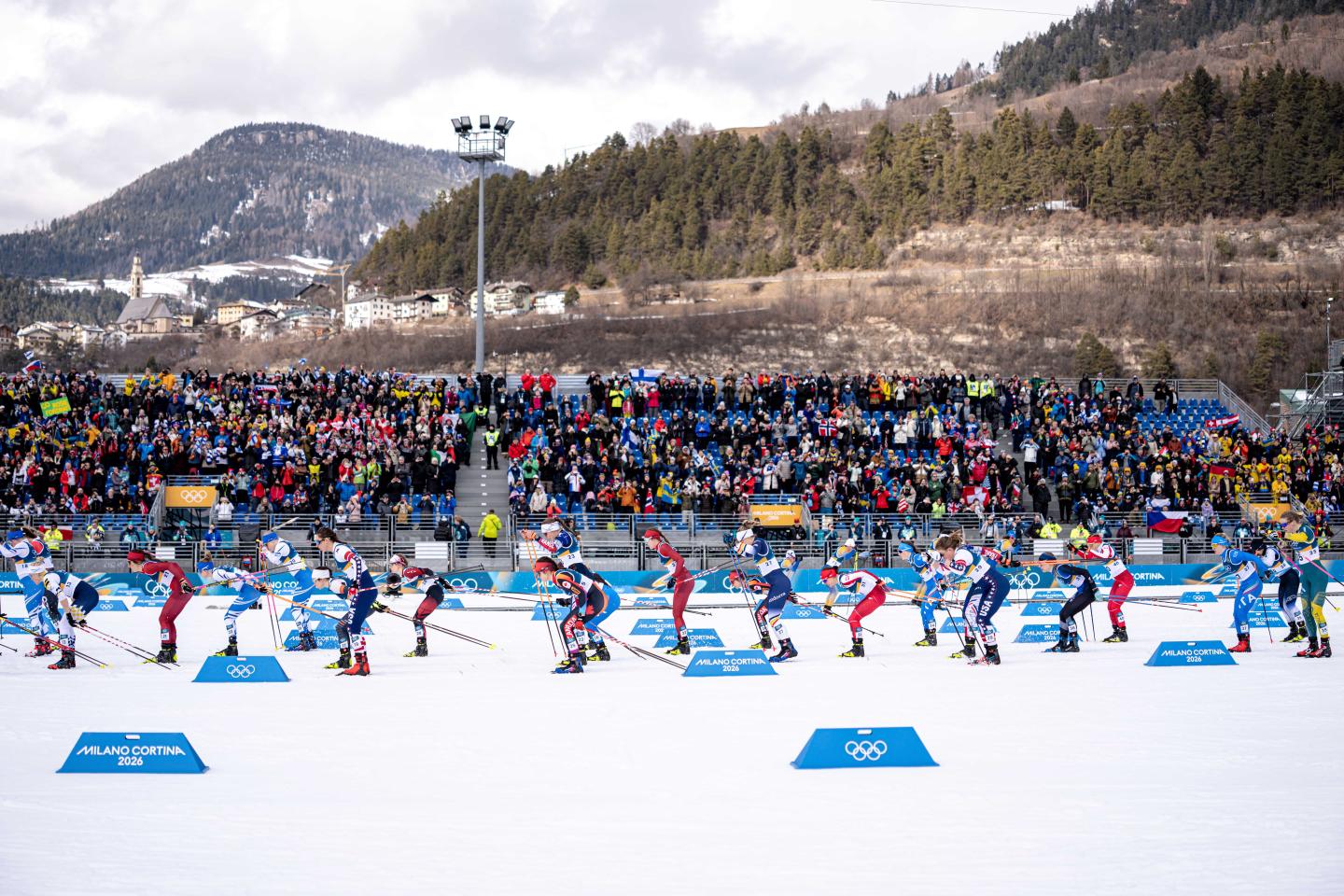
At some venues, like the Tesero Cross-Country Skiing Stadium, temperatures have reached the low 40s during the competition.
Skiers could soon be racing on slush.
When the Winter Olympics began in 1924, competitors relied on natural ice and snow; there were no such things as refrigerated bobsled tracks or what the International Olympic Committee calls “technical snow.” But as global temperatures have risen sharply over the last four decades, driven by heat-trapping pollution caused by burning fossil fuels, the Winter Games are more at risk than ever, as is the safety of its athletes.
Olympic officials are trying to adapt. This year, they've made at least 1.6 million cubic feet of artificial snow to accommodate a shortage of the natural kind. The IOC also previously pledged to cut the amount of pollution produced by the Games themselves in half by 2030.
But, like the rest of the world, the future of the Olympics relies largely on government and corporate action to cut climate pollution.
In response, a growing number of winter athletes are becoming climate advocates.
“A lot of athletes are rallying to the cause because it’s affecting them,” says retired Canadian Olympic freestyle skier Philippe Marquis, now a coach for the Canadian national team. “[Climate change] is affecting the environment they play and compete in.”
Why winter sports are particularly vulnerable to climate change
“When you put greenhouse gases into the atmosphere — like carbon dioxide from burning fossil fuels or methane from oil and gas drilling — what happens is complicated,” explains Environmental Defense Fund climate scientist Fiona Lo. “It is kind of like a blanket — a well-insulated blanket — that’s holding in the world’s heat.”
That’s especially true in the places you’re likely to find ski mountains and bobsled runs — areas closer to the North and South Poles. They are warming the fastest. “Because winter is getting shorter, snow and ice are melting sooner. With more freezing and thawing,” Lo says, “snow and ice conditions are going to fluctuate more.”
All of this is causing trouble for winter sports.
Around the world, winter skiing and sliding competitions are increasingly being cancelled or rescheduled due to lack of snow and ice. When competitions are held, poor conditions impact both athlete safety and competitive performance. “The warmer the ice gets,” explains Tannenbaum, “the slower it gets as well.”
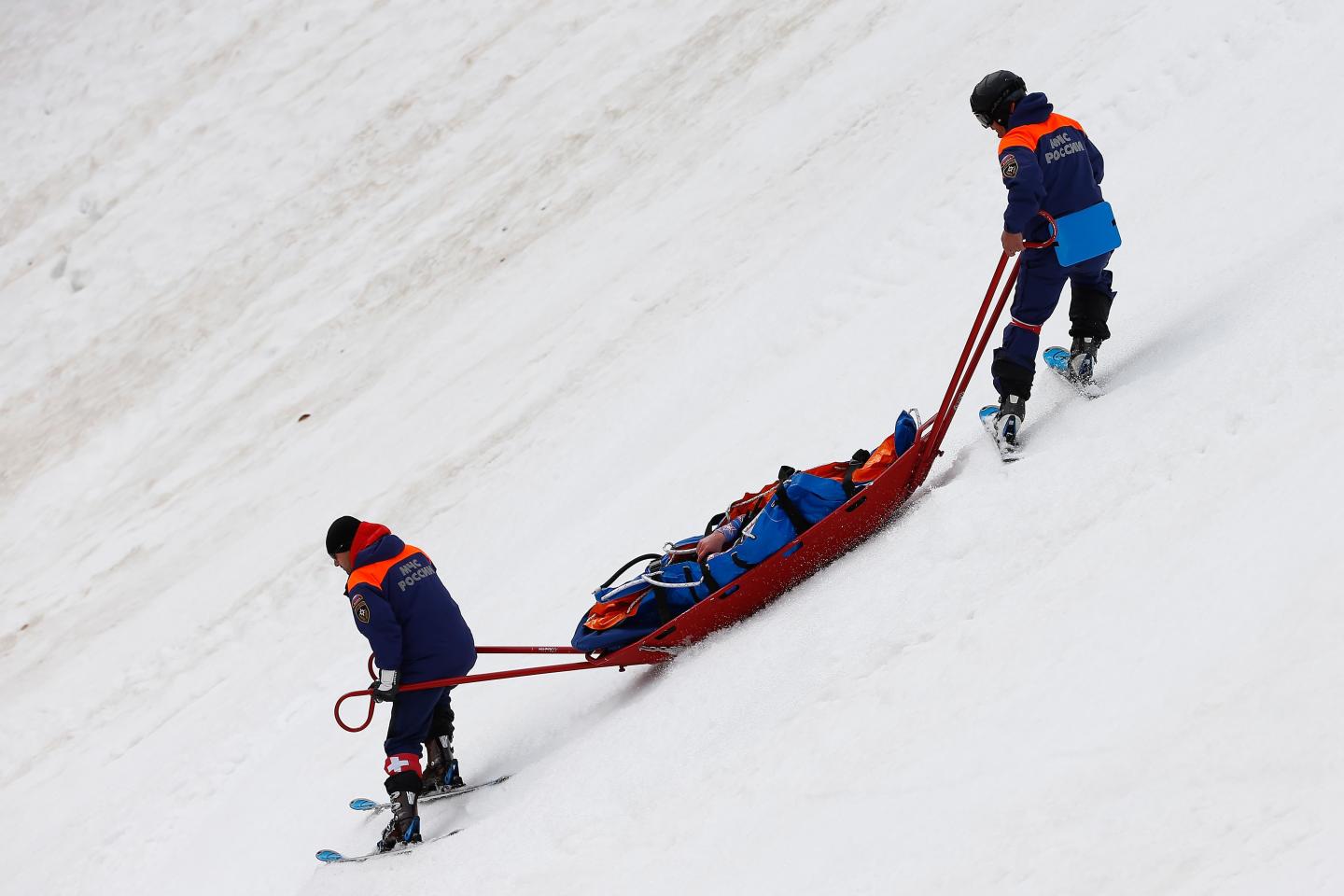
Daniel Scott, a University of Waterloo geography professor who’s modeled the impact of climate change on potential Winter Olympic host cities, notes that the melting of snow and ice over the course of a competition also means that athletes aren’t competing on equal surfaces. “Athletes are complaining about it both because of the quality of the snow and from a fairness perspective,” he says.
Concerns extend to athletes’ physical well-being, too. “When the Paralympics happened in Sochi” — the 2014 Games noted for their warm temperatures and lack of snow — “the injury rate increased six times what it was in Vancouver,” the previous Winter Olympics.
Shorter, warmer winters are not just hurting current athletes but also the future of these sports as the number of places where kids can start playing around on snow and ice is decreasing, and with it, the pipeline of athletes invested in winter sports.
“If I had to take my kids two hours for ski lessons instead of here in town, would I do that?” the Ottawa-based Scott asks. “Probably not.”
Environmental news that matters, straight to your inbox
Influencers and role models
“People are really scared about how the mountain sports are going to keep surviving unless there’s a clear path or plan put forward by our policymakers,” Marquis says.
But Olympic competitors aren’t generally the kind of people who give up.
“Athletes are used to responding to difficult challenges,” Tannenbaum says. “We know how to do hard things; that’s part of the job.”
The IOC has already pledged to cut its climate pollution in half by the end of the decade. But there’s more work to be done, which is why, in 2025, when the International Olympic Committee started the process of electing a new president, 440 past and present Olympians, including cross-country skiing legend Jessie Diggins and freestyler Jaelin Kauf, called upon the committee to set one issue above all others: the care of our planet.
“Rising temperatures and extreme weather are already disrupting competition schedules, putting iconic venues at risk and affecting the health of athletes and fans,” they wrote.
The athlete advocate work continues. Last week, Norwegian skier Nikolai Schirmer presented the IOC’s sustainability head with a petition, signed by more than 22,000 people, including U.S. freestyle skier Alex Hall and his German counterpart Elias Elhardt, that called on the committee and International Ski and Snowboard Federation to start “an inquiry into the justification of fossil fuel sponsorships in organized winter sports.”
In response, IOC Executive Director for the Olympic Games Christophe Dubi said, “we have to recognize climate is a challenge for all of us. What we have to do as an organization is to be at the forefront of sustainability.”
Understanding their power as influencers and role models, winter athletes aren’t looking only to the world of sports for relief. Through advocacy groups like Protect Our Winters and EcoAthletes, many are educating the public and meeting with policymakers. Marquis, in Canada, for instance, has been “talking with the environment minister, talking with various members of the cabinet at the federal level and making sure they’re accountable,” he says.
- Climate change is putting the future of hockey at risk. Players are on defense
- Trump EPA declares no harm from climate change
Tannenbaum joined Protect Our Winters to help get out the vote, promote clean energy and defend the U.S. Environmental Protection Agency’s ability to regulate dangerous climate pollution.
“Winter sports athletes are on the front lines of climate change. We’re seeing the Earth’s warming signs firsthand,” says Tannenbaum.
She and other Winter Olympians are asking their fans and governments to join them. Nothing less than the future of the Winter Games is at stake.