
Trump EPA declares no harm from climate change
Endangerment Finding repeal ignores decades of evidence, would harm millions of people.
Editor’s note: On Feb. 18, a coalition of health and environmental groups, including Environmental Defense Fund, filed a lawsuit against the U.S. Environmental Protection Agency and its administrator, Lee Zeldin, challenging the Trump administration’s decision to repeal the Endangerment Finding.
The Environmental Protection Agency was created to protect the environment and people from harmful pollution. But under the Trump administration, the EPA promised fossil fuel companies “concierge, white-glove service” and offered some of the nation’s worst polluters opportunities to evade clean air safeguards.
Nowhere is the newly distorted mission of the EPA more apparent than in its decision to repeal the Endangerment Finding, the landmark legal and scientific determination that climate pollution hurts people and that the EPA has the responsibility to do something about it.
Here are three ways the EPA’s repeal of this bedrock climate protection is going to put people's health, homes and money at risk.
Climate pollution worsens asthma and other health issues
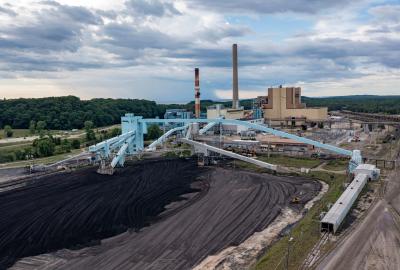
Without the Endangerment Finding, the air we breathe is about to get a lot dirtier and more dangerous. That’s because it is foundational to a host of vital clean air protections that limit pollution from power plants, oil and gas operations and vehicles.

Without it, the administration is primed to take action to unravel these safeguards.
Case in point, the clean car and truck standards were repealed at the same time as the Endangerment Finding.
These safeguards reduce smog and soot-forming pollution as well as greenhouse gases. Repealing the Endangerment Finding and clean vehicle standards will increase climate pollution by as much as 18 billion metric tons — about three times the total amount emitted by the U.S. in 2025 — resulting in as many as 58,000 early deaths and 37 million more asthma attacks by 2055, according to an analysis by the nonprofit Environmental Defense Fund.
Unlimited vehicle pollution will also lead to warmer temperatures and prime conditions for the formation of ground-level ozone, a key component of smog, which can also trigger asthma attacks, exacerbate lung disease and cause premature death.
Environmental news that matters, straight to your inbox
A warmer world is also a world with more extreme wildfires, which spew deadly particle pollution into the air. Particle pollution can penetrate deep into the lungs, enter the bloodstream and lead to more heart attacks, strokes, lung cancer and premature death.
Climate change is also expanding the range of insects that carry diseases, like ticks, increasing the prevalence of Lyme disease and other illnesses like West Nile virus and chikungunya.
Climate pollution fuels hurricanes, heat waves and more dangerous weather
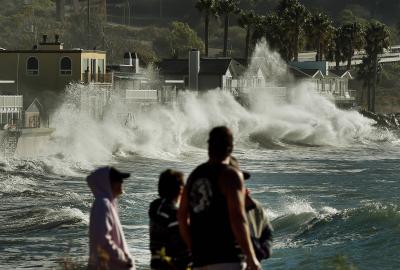
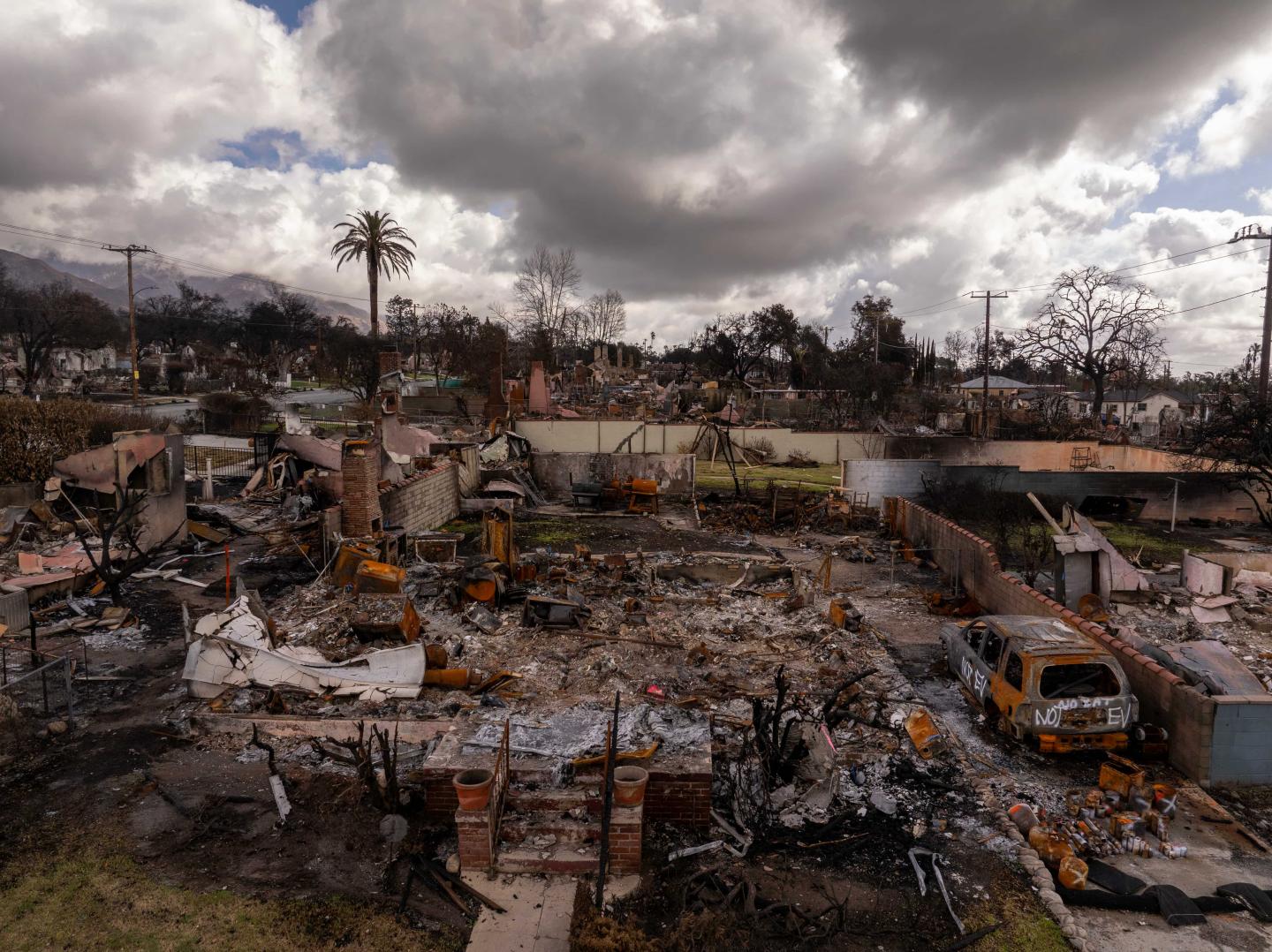
A mountain of scientific evidence shows that climate pollution is warming the planet and driving more frequent and intense heat waves, storms, floods and wildfires. In 2024, 27 extreme weather events hit the U.S., with losses surpassing $1 billion each. Hurricane Helene alone was responsible for several 1,000-year floods, which triggered more than 2,000 landslides, damaged more than 6,000 miles of roads, destroyed about 126,000 homes and killed more than 100 people.
While monster storms like Helene grab headlines, heat waves, which are becoming longer, hotter and more frequent due to climate change, are actually the deadliest form of extreme weather. In 2023, heat waves claimed more than 2,300 lives in the U.S. — the highest number of heat deaths in 45 years. Overall, heat deaths have doubled in the U.S. over recent decades.
Climate pollution makes gas, insurance more expensive
Rising home insurance premiums, driven in part by climate-fueled extreme weather events, are placing severe financial burdens on Americans.
Home insurance costs have doubled in parts of many states, including in California, Florida, Colorado and Louisiana over the last several years, making it impossible for some Americans to purchase insurance at all. In many of these disaster-prone regions home values have, at the same time, dropped by tens of thousands of dollars.
“Americans can see that climate change is real and is harming them — through everything from disastrous weather to soaring insurance bills,” says EDF attorney Erin Murphy.
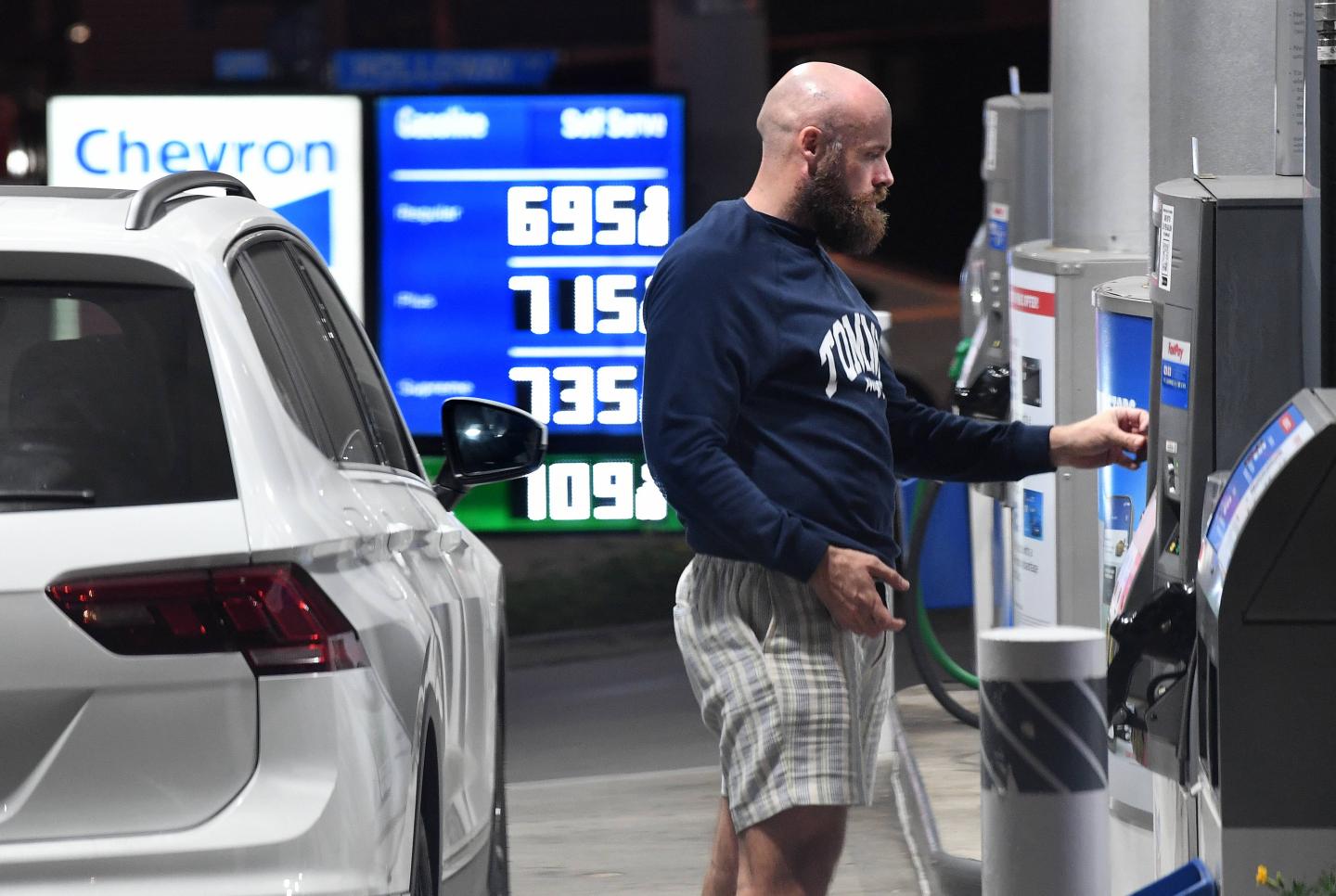
Driving a gas-powered car is about to get more expensive too. The Trump administration’s own analysis shows that getting rid of the Endangerment Finding will raise the price you pay at the pump, increasing gas prices by 25 cents per gallon by 2035.
All told, U.S. consumers are looking at spending $1.4 trillion more on gas.
- Trump EPA’s extreme environmental rollback is expected to spike pollution, raise gas prices
- Growing insurance crisis leaves homeowners vulnerable
Without the Endangerment Finding, there will also be fewer jobs to help people pay for all these rising costs. Repealing the Endangerment Finding and vehicle standards is projected to cost 450,000 jobs across the country over the next decade. Those job losses have already begun: since the start of the year, the administration has cancelled $25 billion in clean energy manufacturing investments — a move that’s cost 34,000 American jobs.
While some of these costs are already being felt today, the future outlook is even more troubling. A study by Consumer Reports shows that a person born in 2024 could be burdened by $500,000 in climate-related costs over their lifetime if we fail to take action.
“If there are no enforced limits on pollution, you get more of it, making life more expensive and more dangerous," says EDF President Fred Krupp. “The stakes could not be higher for Americans.”