
Canada moves to limit planet-warming methane pollution
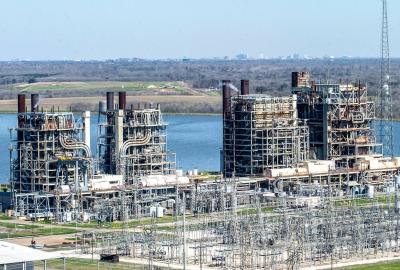
After years of “will they, won’t they?” Canada has at last finalized new standards to limit methane pollution from its oil and gas industry. Methane, the main component of natural gas, is a potent greenhouse gas responsible for around 30% of current global warming. Canada is one of the world’s top five oil and gas producers, and worldwide, the oil and gas sector is responsible for one-third of all methane emissions.
“There was immense pressure on this administration at every turn to scrap or delay these regulations,” says Ari Pottens, a senior campaigner on methane emissions at the global nonprofit Environmental Defense Fund, which has worked for years to secure these regulations. “It’s incredible to see them across the finish line.”
Canada’s final standards are among the strongest in the world, requiring a 72% reduction in oil and gas methane emissions by 2030. The rules require more frequent checks for methane leaks, place stricter limits on the deliberate release or burning off of methane and phase out highly polluting pneumatic devices that use pressurized natural gas to power pumps and controllers.
Roughly half of Canada’s methane emissions come from these operations. By 2030, the new regulations are expected to cut the equivalent of the carbon pollution produced by more than 70 million gas-powered cars in one year.
Environmental news that matters, straight to your inbox
New rules good for the environment and the economy
Canada’s new methane rules aren’t just good for the climate. A recent EDF analysis found that the standards could support 34,000 new Canadian jobs by 2040. The policy could also increase the supply of natural gas for sale and boost local tax revenues.
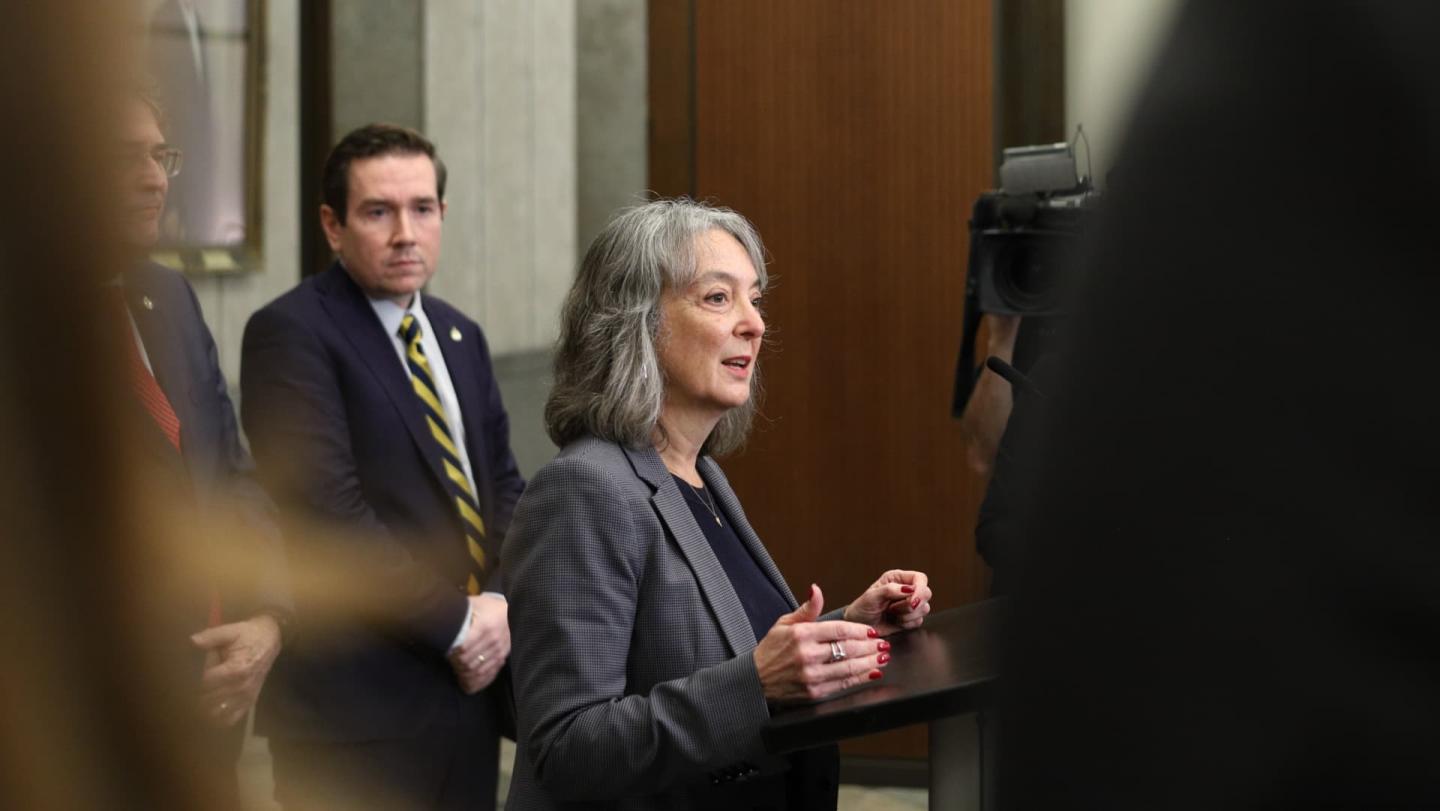
“Canada is showing other major producing countries like Mexico, Nigeria and Egypt that this isn’t just the right thing to do, it’s the smart thing to do,” Pottens says.
There’s still work to be done to make sure that the new rules are effectively implemented by Canada’s provinces, which can propose customized strategies to meet the federal standards.
“These standards are only as strong as their implementation,” says EDF’s Jon Goldstein, who leads the group’s advocacy on reducing methane pollution in North America, where states, including New Mexico and Colorado, have implemented strong oil and gas methane standards.
But there’s another growing incentive for the oil and gas industry to reduce methane pollution.
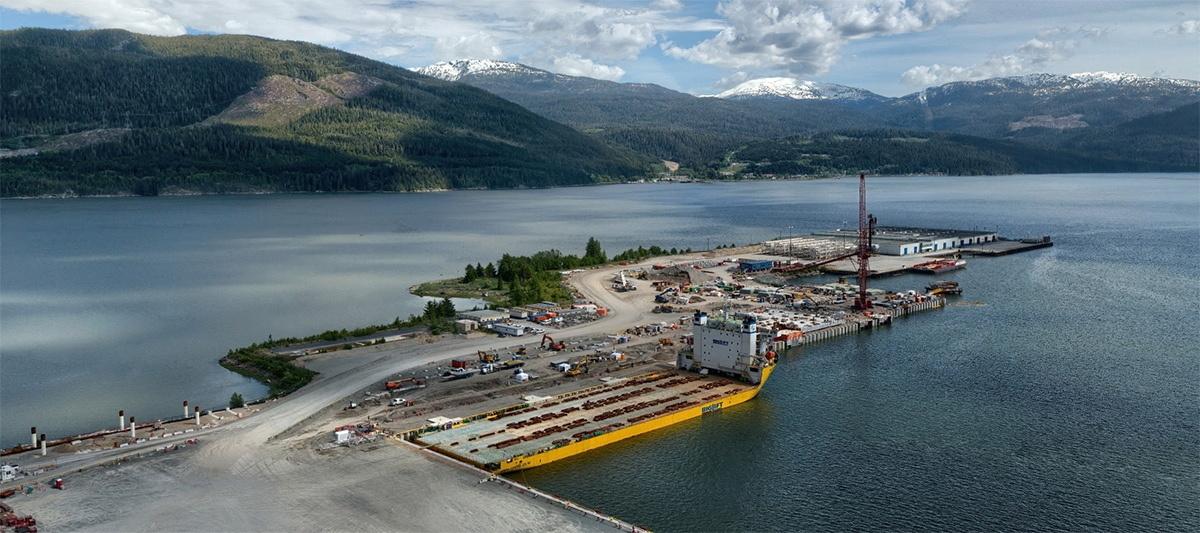
Major fuel importers like Japan, South Korea and countries in the European Union are taking a hard look at, or are legally obligated to reduce, the methane footprint of the liquified natural gas they buy. Last year, Canada opened up its first West Coast LNG terminal, positioning it to be the supplier of choice for Asian markets looking for less carbon-intensive fuel.
“Canada is showing what is possible,” says Goldstein. “These standards position Canada to be a leader in the global energy market of the future. And if a major player like Canada can do it, other countries can too.”