
Ask an expert: Are alternative fuels better than fossil fuels?
The war in Iran has triggered the largest global energy shock in history. With 20% of the world's oil and liquefied natural gas supply unable to pass through the Strait of Hormuz, gas prices have soared, jet fuel has been in short supply, and fuel rationing and power cuts have dramatically disrupted life for millions of people.
In Egypt, shops and restaurants have been forced to close early to conserve energy, in Sri Lanka there have been limits to how much gasoline drivers can buy and countries like the Philippines and Vietnam have encouraged or mandated increased work from home.

The crisis has thrown the fragility of the world’s reliance on fossil fuels into sharp relief. The world needs alternative fuels. But can these fuels really deliver on their promise of providing greater energy independence while being better for the environment than fossil fuels?
We sat down with Sofia Esquivel Elizondo, a low-carbon fuel senior scientist at the global nonprofit Environmental Defense Fund, to better understand the promise and pitfalls of alternative fuels.
What are alternative fuels?
Alternative fuels are any material or energy source used to power vehicles and machinery that provide alternatives to conventional fossil fuels like petroleum, natural gas and coal, either because they come from non-fossil sources or because they are produced in new ways.
There are approximately 10 different types of sources (like renewable energy, energy crops or waste) and more than 90 different ways to make these fuels. Some of the best-known alternative fuels include hydrogen, ethanol and biodiesel.
There are many less well known fuels as well, like ammonia and methanol, which are emerging alternative fuels for shipping, and synthetic kerosene, used as an alternative aviation fuel.
What are the potential benefits of alternative fuels?
Alternative fuels are key to reducing carbon pollution from certain parts of the economy that can’t easily be powered by electricity, given the technology that’s available today.
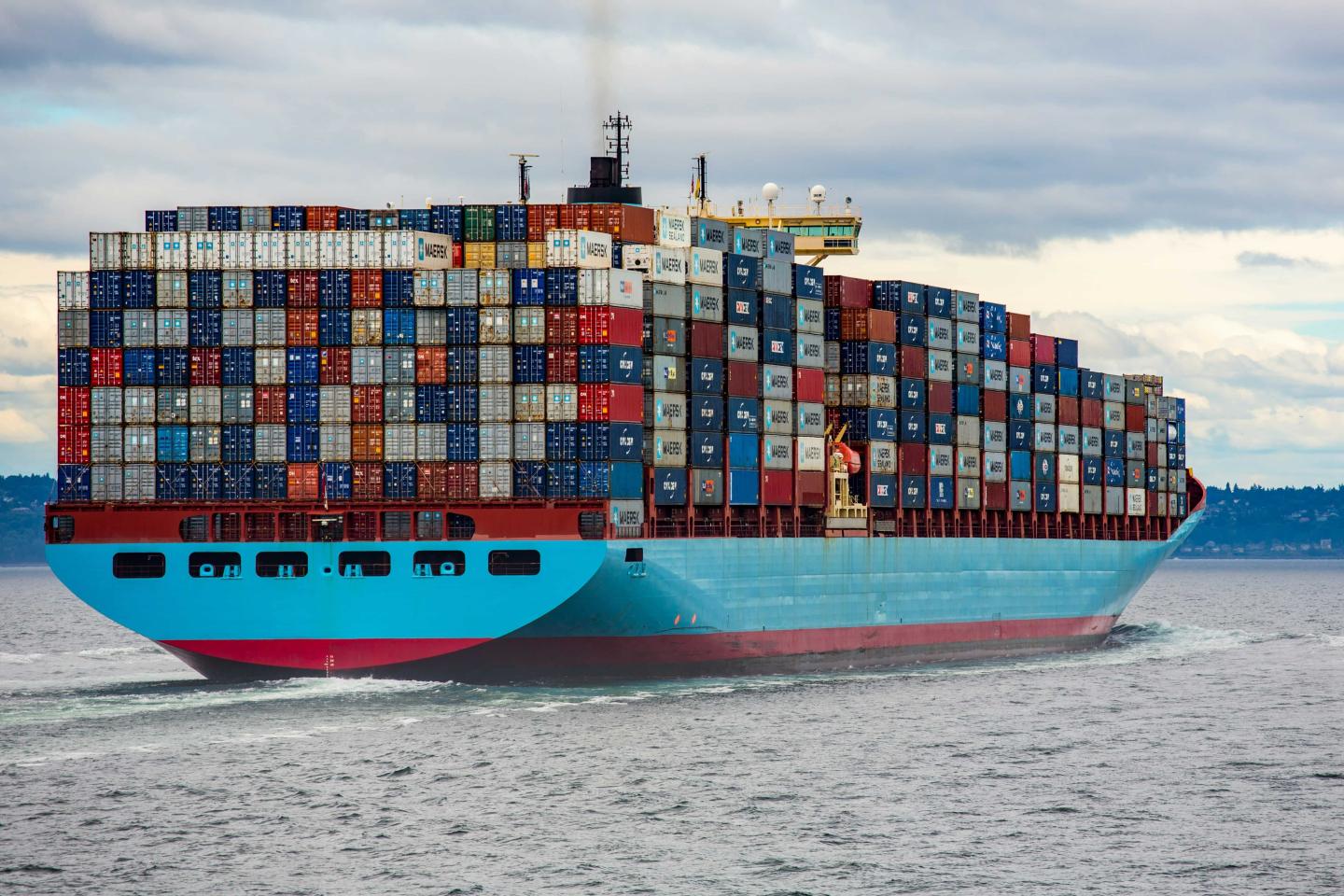
These sectors, like shipping, aviation and steel and cement manufacturing, account for 30% of global greenhouse gas emissions. That’s a lot of dangerous climate pollution that is supercharging deadly extreme weather.
But, unlike running a car or heating a home, it’s just not efficient or effective to use electricity in these cases. I like to say that to power a cargo ship with a battery, the battery would have to be so big there would be no room for the cargo. So alternative fuels are in some instances indispensable.
When done right, alternative fuels can have significant climate benefits. For example, renewable-based ammonia can have 80% lower direct greenhouse gas emissions compared to conventional marine fuel oil — which is one of the dirtiest fuels in use anywhere today.
- Global shipping industry moves to reduce its pollution, despite Trump administration
- Climate pollution from global shipping is growing. Can the industry clean up in time?
These alternative fuels also offer the hope of greater energy and geopolitical security by reducing global dependence on just a few countries in volatile regions and could help protect against geopolitical shocks like the current situation in Iran.
There’s also a huge economic development opportunity. Countries that invest in domestically produced alternative fuels can develop new export industries and create jobs.
Environmental news that matters, straight to your inbox
What are the potential problems of alternative fuels?
The devil is in the details. While these fuels might look great on paper, there are often hidden emissions. If you’re using natural gas with carbon capture and sequestration to create hydrogen, we know that the entire natural gas system, from extraction to end use, has a methane leakage problem, and, methane is a powerful greenhouse gas.
Hydrogen itself, even if it’s produced using nothing but water and renewable energy, has a climate-warming effect if it leaks — and it can leak during its production, transportation, storage, and use.
Every 1% of hydrogen that is lost reduces near-term climate benefits by about 3%. Every 1% of methane lost reduces this benefit by around 15%. Across a big system, this can add up, to the point where your climate benefit is negated.
Some alternative fuels like ammonia also emit nitrous oxide (N2O), a long-lived, potent greenhouse gas, which is 273 times more powerful over 100 years than carbon dioxide (CO2). Sometimes we get hyper focused on reducing carbon, but a carbon-free fuel is not the same thing as a climate-safe fuel. Even though ammonia doesn’t contain carbon, ammonia marine fuel could increase climate-harming nitrogen emissions up to 185% compared to current fuel oil, unless there are strict controls in place.
Beyond the potential climate impact, a fuel like ammonia is also highly toxic. There are real safety concerns for ship crews, port workers and anyone handling or exposed to this fuel.
It is also important to take into consideration the broader environmental impacts of alternative fuels. This is especially relevant when looking at biofuels. Biofuels can increase the demand for arable land, timber or even crops used for food. That means an increased risk of deforestation, biodiversity loss, competition with food production and releasing stored carbon from ecosystems when land is cleared.
What do people usually get wrong about alternative fuels?
There is a widespread misconception that if a fuel isn’t a fossil fuel, it's clean. But a fuel’s true sustainability is determined by all the activities used to make it, transport it, and use it, not the fuel itself.
Hydrogen, ammonia and methanol aren't inherently good. An alternative fuel can range from highly beneficial to worse than fossil fuels depending on how it’s made, where it’s used and how well leaks are controlled. The energy and the raw material used to produce the fuel matters, where and how the fuel is used matters, and the leak rate matters. Environmental Defense Fund scientists have shown that leak rate is a critical factor in determining the climate benefits of alternative fuels.
There is also a misguided belief that alternative fuels should be used in all sectors of the economy. The reality is that it is far more energy efficient to use electricity wherever possible and only deploy alternative fuels when electricity can’t be used.
How can we make sure that alternative fuels are being developed in the right way, so they’re actually good for energy independence, the environment and people’s health?
I believe that the science, from my team and others like it, is showing policymakers how to evaluate alternative fuels before they’re widely deployed. And we’re reaching them with this critical information at just the right moment.

While alternative fuels currently represent just 1.3% of global energy, global momentum for alternative fuels is growing fast. At the United Nations’ climate conference last year in Brazil, a coalition of 23 countries announced an initiative to quadruple alternative fuels production and use by 2035.
At the same time, major international bodies like the International Maritime Organization and the International Civil Aviation Organization are working to finalize decarbonization goals and fuel standards that will shape these industries for years to come.
We have an incredible window to embed guardrails while the alternative fuel market is still nascent. Decision-makers are now asking the right questions, before infrastructure gets locked in: which fuels do we really need, for what purpose, and how clean are they really?
Our vision of using low-emission fuels where they provide the most climate benefit while protecting ecosystems and communities, is gaining traction globally. This framing is now showing up in action guides, policy frameworks and investment criteria worldwide.
We don’t just have to hope and wish for truly sustainable fuels. We know the steps we have to take, we just need the foresight and focus to realize that future.