
What happened at the UN’s annual climate talks?
This year, the U.N.’s global climate conference, known as COP30, brought world leaders to Belém, Brazil, where attendees negotiated until the wee hours at the edge of the Amazon rainforest — a reminder of the critical ecosystems at risk in a warming world.
The location put tropical forest conservation center stage, and Indigenous Peoples, who attended in record numbers, played a key role in shaping the conference.
In another first for the global gathering, the U.S. did not send an official delegation.
That’s never happened in the event’s 30-year history, and marked a stunning contrast to 2015, when the U.S. played a key role in designing the historic Paris Agreement.
Despite challenges, the conference did produce some encouraging results. “COP30 wasn’t the breakthrough many hoped for,” said Environmental Defense Fund Executive Vice President Angela Churie Kallhauge, “but we saw tangible progress nonetheless.”
Here are some of the key takeaways:
Preventing wildfires got much-needed attention
Record-breaking heat is turning forests into tinderboxes, and, alarmingly, wildfires are now less of a seasonal event — and more a symptom of the climate crisis.
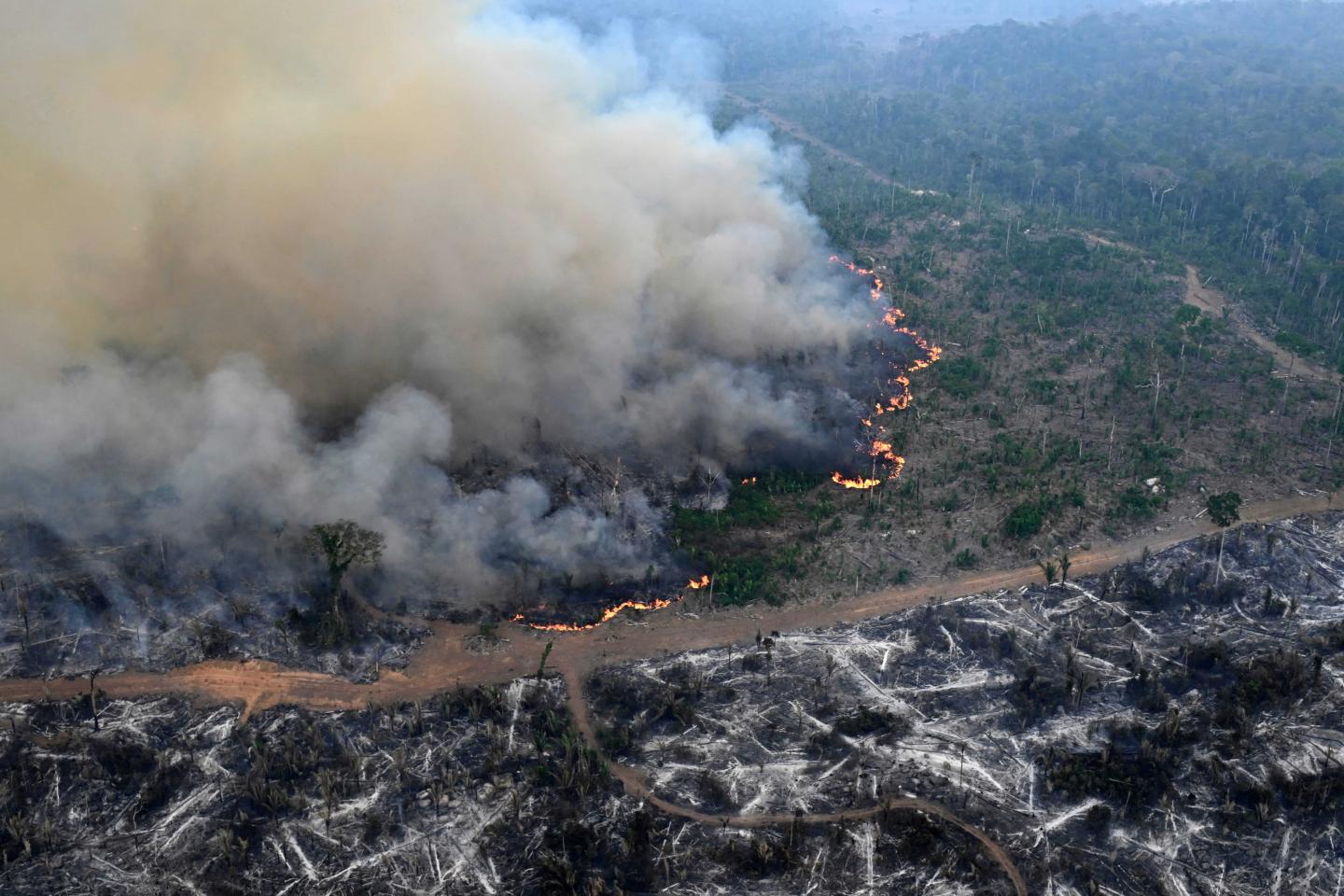
When forests burn, they release the carbon dioxide that they used to store, accelerating global warming and sparking even more fires in a vicious feedback loop.
That loop means it’s critical to stop fires before they start. Yet more than 80% of the world’s wildfire budgets are dedicated to fighting fires, not preventing them.
In response, leaders at COP30 agreed to invest much more in fire prevention through the Wildfire Action Accelerator Pledge, launched by Environmental Defense Fund with partners from 18 countries and regions including Brazil, Ecuador and Peru, along with Indigenous and community groups.
The accelerator aims to mobilize $100 million for fire resilience, including early warning systems and forest restoration projects, across 20 countries by 2030 — and for at least 15 forest nations to incorporate wildfire risk management into their national climate commitments.
New technology, like FireSat, a satellite system that can detect even very small fires from space, is also expected to help countries better track and stop fires before they spread.
Billions were invested to protect tropical forests
Tropical forests absorb about half of all the carbon dioxide stored by plants worldwide. They are critical for a stable climate. Yet, in 2024, the World Resources Institute calculated that we are losing the equivalent of 18 soccer fields of primary tropical forest to logging, fire and other harms every minute.
At this year’s climate talks, Brazil launched “Tropical Forests Forever,” an initiative that aims to turn forests into financial assets through an investment fund that rewards countries for protecting them.
More than 50 countries signed on, and part of the initial $5.5 billion invested will go to Indigenous Peoples, given their track record of successful forest protection. (Almost 90% of the deforestation in the Amazon has been outside of the Indigenous territories and only about 10% inside them.)
More than 70 countries with tropical forests are eligible to receive payments, and the goal is to raise $125 billion for the fund from both public and private investors.
Environmental news that matters, straight to your inbox
Efforts to adapt to climate change grew
As progress to reduce planet-warming pollution from burning fossil fuels lags behind what scientists say is necessary, money is urgently needed to adapt to a warming world. It’s worth the investment. As climate-related hazards grow, every dollar invested in resilience yields 10 times the return.
Countries agreed to triple their support for developing nations to increase their resilience to climate change by 2035.
“Adaptation is not only a moral imperative, but an economic one — a way to reduce risk for municipalities, businesses and households while safeguarding lives and livelihoods,” Kallhauge said.
More countries vowed to fight “super pollutants”
Short-lived pollutants like methane and black carbon have been nicknamed “super pollutants” because of their extraordinary power to warm the planet quickly.
For example, even though methane, the main component of natural gas, doesn’t linger in the atmosphere like carbon dioxide, it has more than 80 times the warming power of carbon dioxide in the first 20 years after its release. (That’s why scientists say cutting methane emissions is the fastest way to slow warming right now.)
At COP30, new efforts to tackle these super pollutants launched, including the Super Pollutant Country Action Accelerator, a program that helps countries share expertise to slash emissions of these powerful pollutants from energy, farming waste management and other systems.
New leaders emerged
The Trump administration did not send a U.S. delegation to the annual climate talks, but American leaders still showed up.
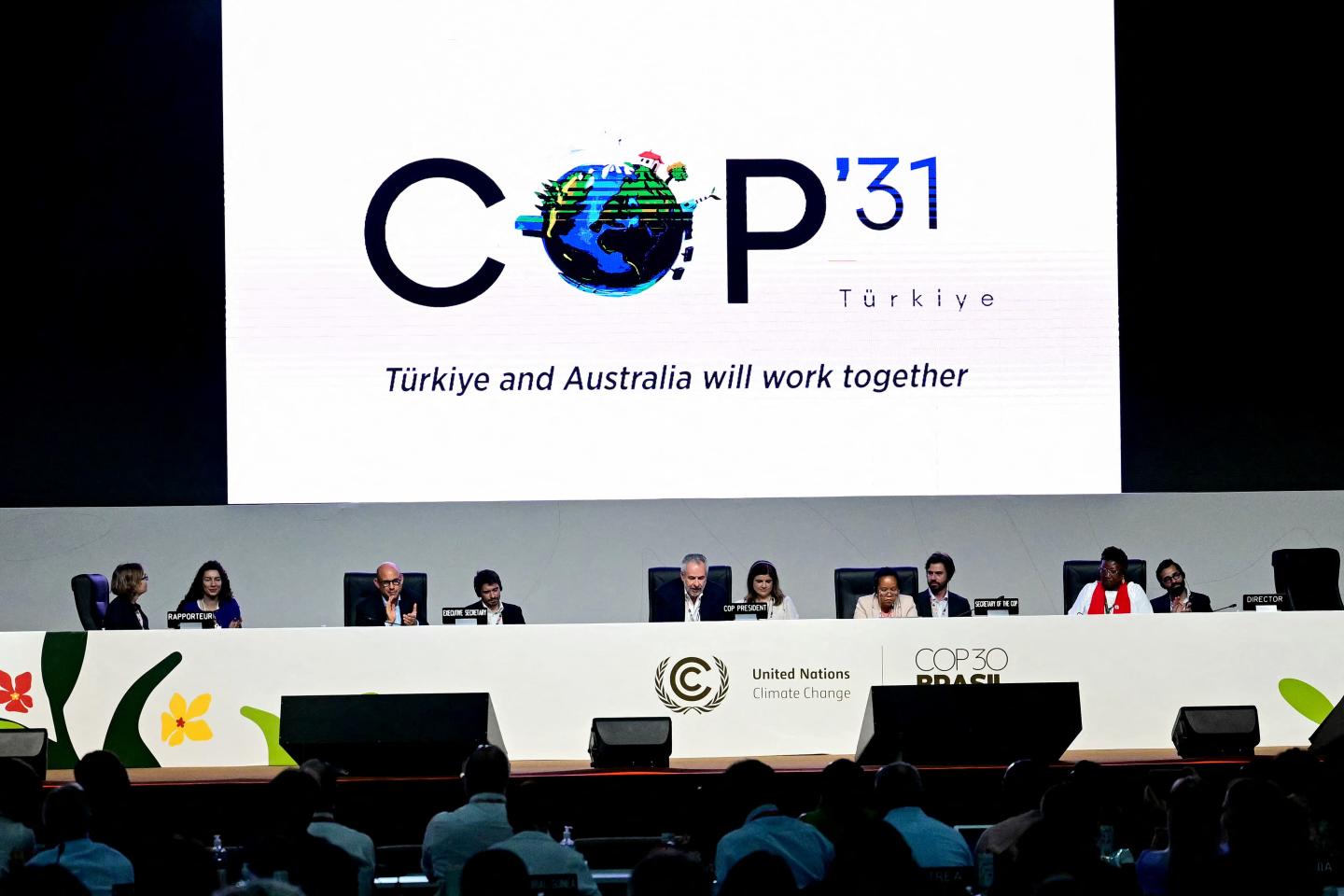
"The White House isn’t here to represent U.S. interests, but there are Americans here working for solutions that are in the best interest of our country,” said Environmental Defense Fund President Fred Krupp. “There’s a powerful delegation of governors, mayors and business leaders proving that fixing climate change shouldn’t be political — it’s needed for our economy and our kids’ future.”
One reporter noted that Brazil, China, India and around a dozen other middle-income countries seem poised to become the “new engines of the clean economy.”
And nearly 20 countries — including Brazil and China — joined the Open Coalition for Carbon Markets, an initiative to connect carbon markets around the world and establish a common pricing framework. (A carbon market is basically a system where companies or countries buy and sell “credits” for emitting carbon pollution — giving them a financial incentive to pollute less.)
The coalition also aims to set new production standards that favor lower-carbon products. In an era of tariffs and trade wars, the move could create a new competitive advantage for countries that reduce their climate pollution.