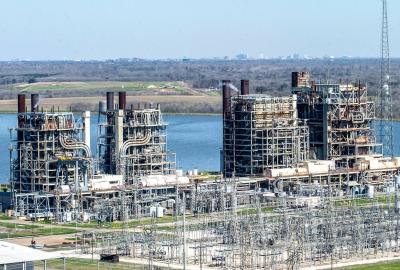

Trump administration’s “emergency” order to extend coal power plant operation is illegal, court says
Ruling could have implications for multiple orders that have kept polluting, unreliable coal plants from retiring as scheduled.
The Trump administration’s attempt to force a coal-fired power plant — one of Michigan’s worst polluters — to stay open past its retirement date is illegal, a federal appeals court ruled last week.
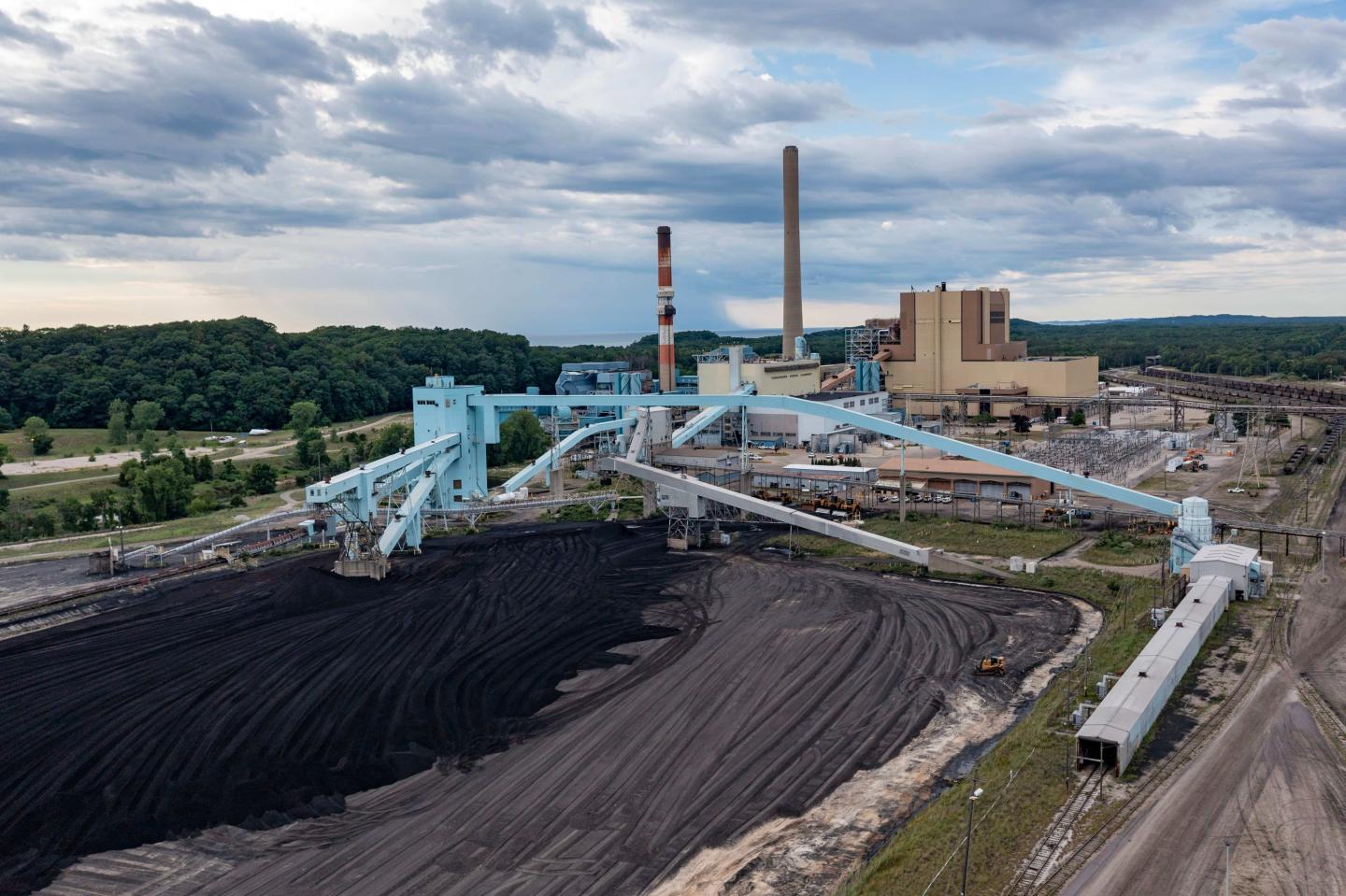
In a powerful decision with wide-reaching ramifications, the court ruled that the Department of Energy’s emergency order, issued in May 2025, to force the plant to remain open was unlawful and that “no emergency” existed to justify forcing the plant to continue operating.
“This is a huge win for households and businesses across the Midwest who have been burdened with needless pollution and ballooning power bills because of an administration determined to prop up the dirtiest and most expensive forms of energy,” says Ted Kelly, lead counsel at the global nonprofit Environmental Defense Fund, one of the nine public interest groups and three states, including Michigan, that challenged the Trump administration in court.
Since May 2025, the Trump DOE has ordered seven fossil-fueled power plants in six states to remain open past their planned retirement, a course of action that has jacked up electricity bills for households, increased air and water pollution and delayed the opening of cleaner, more affordable and more reliable forms of energy.
Several lawsuits over coal plant extensions are making their way through the courts. This appellate court decision sets an important precedent for future cases, says Kelly.
Ted Kelly EDF lead counselMultiple orders and repeated extensions in the absence of any emergency, issued without or even against the recommendation of plant operators, are unprecedented and blatantly illegal.
Trump administration forced Michigan’s worst polluter to stay open
The more than 60-year-old J.H. Campbell coal-fired power plant, on the eastern shores of Lake Michigan, was scheduled to shutter on May 31, 2025, as part of a long-planned, state-approved transition that would replace its dirty, expensive power with cleaner and cheaper energy resources. But just one week before operators were scheduled to turn off the lights at the aging plant, the DOE ordered it to remain open for an additional 90 days, citing vague concerns about long-term energy supply in the region.
Since that time, the Trump DOE issued five more 90-day extensions, keeping the plant online well over a year past its planned retirement. The local grid has not experienced any power shortages during this time. The plant itself, however, has experienced repeated equipment failures. From June 2025 to June 2026, the extensions cost Midwestern electricity customers $259 million, or more than $650,000 a day.
Midwesterners are also paying with their health. During the first year of its extension, unit 1 at Campbell generated well over 1,000 tons of nitrogen oxides and over 2,000 tons of sulfur dioxide. The plant as a whole emitted almost 140 tons of particulate matter. Sulfur dioxide and nitrogen oxides can exacerbate asthma symptoms and increase vulnerability to respiratory infections. Particulate matter is especially harmful to human health as it can penetrate deeper into the lungs and cause heart attacks, strokes, heart issues, lung disease, and cancer.
According to public health experts at the nonprofit Clean Air Task Force, pollution from J.H. Campbell is responsible for 44 premature deaths annually, along with 18 heart attacks each year and 455 asthma attacks. Every year, around 100,000 pounds of water pollution from the plant pour into Lake Michigan, including 10,000 pounds of toxic metals.
Environmental news that matters, straight to your inbox
Michigan win could be a turning point for consumers
Across the country, July was the most expensive month in recorded history for families to power and cool their homes, with the average bill nationwide costing $217, according to MIT’s Electricity Price Hub. A variety of factors have been driving up electricity bills, including extended periods of extreme heat this summer.
“No one wants to pay even more for electricity right now,” says Kelly. “And coal isn’t just expensive, it’s a major source of the planet-warming climate pollution that is driving people to crank up their AC to deal with heatwave after heatwave.”
During previous administrations, DOE emergency orders have applied only for brief periods, in the case of an extreme weather event or actual emergency, such as a hurricane, and only at the request of regulators or local operators.
“Multiple orders and repeated extensions in the absence of any emergency, issued without or even against the recommendation of plant operators, are unprecedented and blatantly illegal,” says Kelly.
EDF and a broad coalition of environmental nonprofits, state attorneys general, public health advocates and community groups brought the case against the DOE, arguing that there is no emergency, and that the orders violate regional energy planning and impose unjustified costs on consumers.
Technically, the court win applies only to the first emergency order issued in May 2025. The Campbell plant is still operating under the terms of the sixth extension, which expires in November. But Kelly is hopeful that the strongly worded ruling will make the Trump administration realize it is fighting a losing battle and rescind the current J.H. Campbell emergency order or let it expire at the end of 90 days, providing relief to consumers across the Midwest.
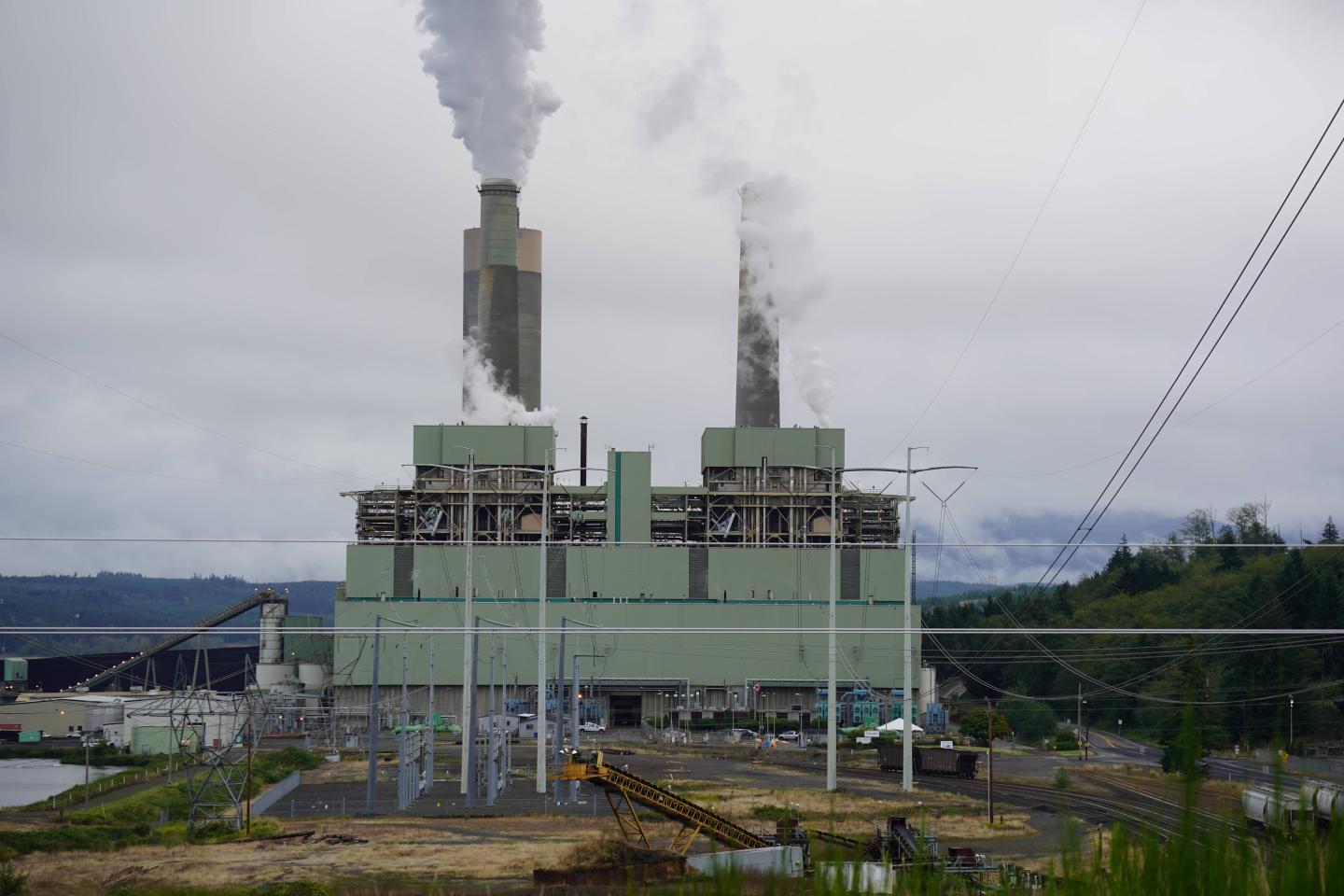
Alternatively, the DOE could dig in its heels and ask the Supreme Court to weigh in, allowing costs to continue to climb.
In the meantime, Kelly and his team continue to fight more DOE emergency orders forcing fossil fuel plants in Colorado, Indiana, Florida, Pennsylvania and Washington to remain open. Many of these plants have broken down or have not been running at all.
“In this ruling, the court made it clear that manufacturing an emergency and then asking already stressed ratepayers to pick up the tab is completely unacceptable,” says Kelly. “This decision sets a powerful precedent that will be invaluable in defeating these emergency orders nationwide.”