
Is Tornado Alley on the move?
What you need to know:
- Research shows that tornado frequency is increasing in the U.S. Midwest and Southeast.
- Scientists have not yet determined whether this shift is connected to climate change, says Environmental Defense Fund climate scientist Fiona Lo.
- The eastward shift of “Tornado Alley” means more tornadoes are landing closer to population centers, increasing the potential for damage.
As a cluster of severe storms headed toward St. Louis in late April, Courtney Scott raced to school to pick up her 8-year-old son. The National Weather Service had issued 26 tornado warnings across the region, and Scott wasn’t going to wait for dismissal — not this time.
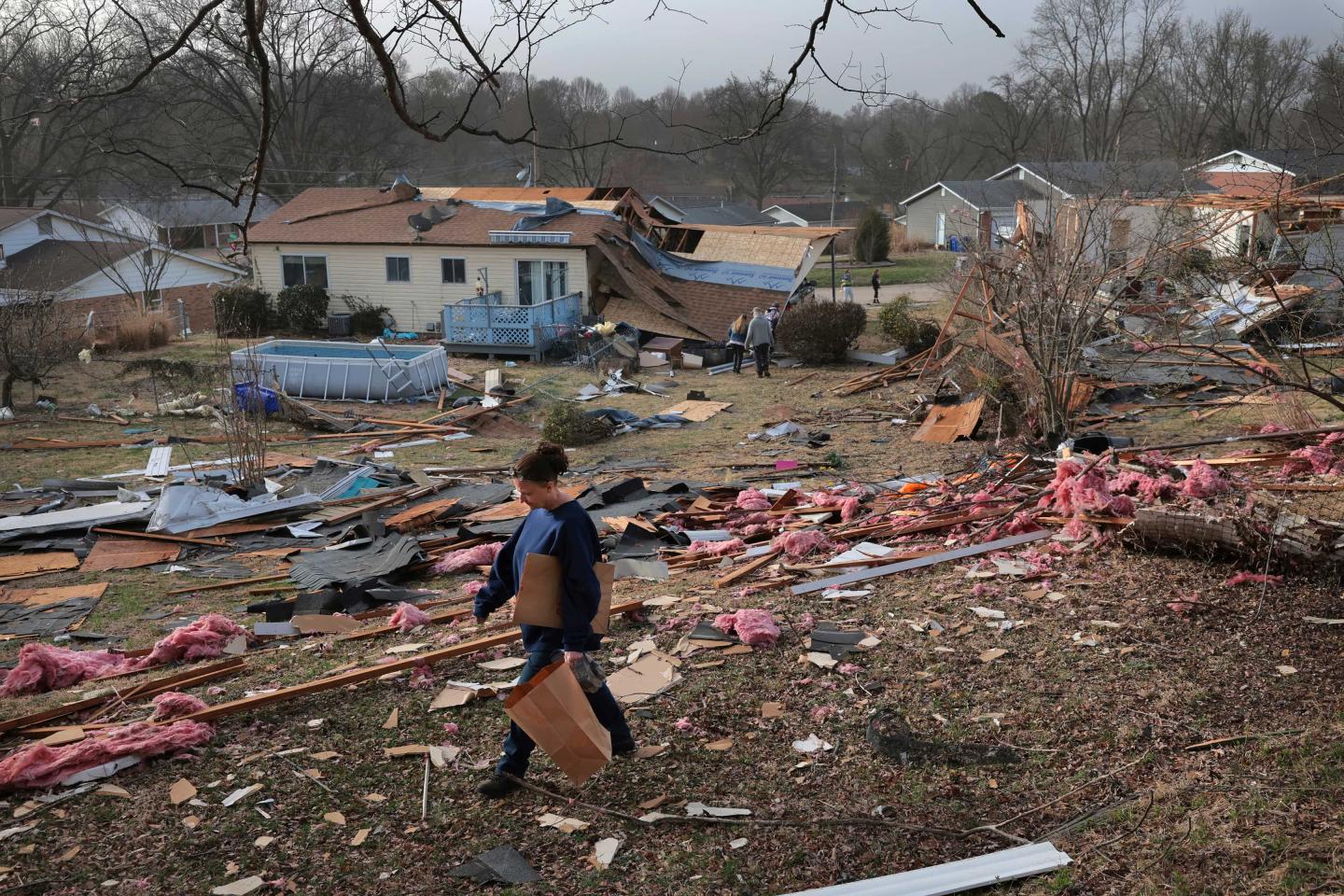
One year earlier, she had picked up her son just before a mile-wide tornado tore through St. Louis, damaging thousands of buildings, downing century-old trees and killing four people.
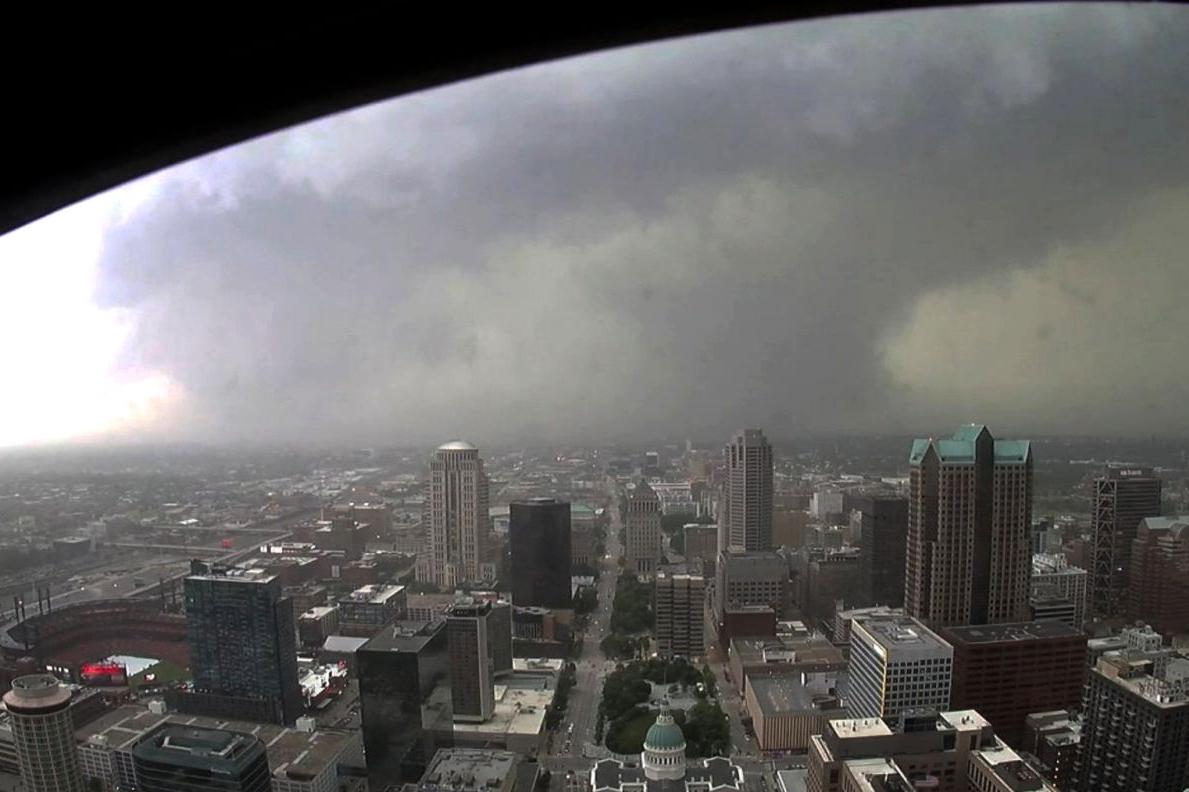
“We thought we had plenty of time, but on the way home, trees were falling on the street to the left and right and in front of me. It was terrifying,” she recalls. “I made a quick decision to U-turn off that street and I think it saved our lives.”
This time, Scott arrived just as tornado sirens began to wail. She hunkered down with her son’s teacher and five kids in the school’s bathroom until the all-clear sounded. Authorities later confirmed five tornado touchdowns in the region that day, which caused property damage but no fatalities.
Missouri has seen 12 federally declared weather disasters since 2020, including the 2025 tornado Scott and her son narrowly escaped, and from which many homes and businesses have still not recovered. Across the region, many are worried about tornadoes and other weather disasters that seem to be hitting their communities more frequently.
Research shows that tornado patterns are, in fact, changing — shifting eastward toward more populated areas, and increasingly occurring in the winter. But scientists are still teasing out why.
Tornado Alley is moving east
The windswept plains in the middle of the United States — roughly covering South Dakota, Kansas, Nebraska, Oklahoma and northern Texas — have long been casually known as “Tornado Alley.” It’s a region where warm moist air coming up from the Gulf can collide directly with cold, dry air from Canada, without any mountains getting in the way.
Atmospheric scientist Victor Gensini of Northern Illinois University spent several years chasing storms in the region, trying to collect data on tornadoes. But after a few seasons of frustratingly scant tornado activity, Gensini went back to his desk to check his assumptions.
As he plotted decades of data on tornado frequency on a map, the emerging pattern surprised him. He saw that tornadoes had been shifting east, away from the Great Plains, and were becoming more frequent in the Midwest and Southeast. States experiencing more tornadoes included Alabama, Arkansas, Illinois, Indiana, Kentucky, Mississippi, Missouri and Tennessee.
To paraphrase Dorothy — they weren’t just in Kansas anymore.
Gensini published his analysis in 2018; other research, before and after, has confirmed this trend. And while tornadoes can hit anywhere at any time, “The greatest tornado threats,” wrote scientists in a 2024 study, “now cover parts of the eastern United States.”
Why is this shift happening? Gensini proposes that drier air in the plains, due to the decades-long drought in the southwest, could be pushing ideal tornado conditions to the east.
Environmental news that matters, straight to your inbox
Are tornadoes linked to climate change?
A hefty body of scientific research strongly links certain changing weather patterns — including more frequent intense hurricanes, drought, floods and heat waves — to a warming climate. But the link between climate change and tornado occurrences is not clear, says climate scientist Fiona Lo of Environmental Defense Fund, a global, science-based nonprofit.
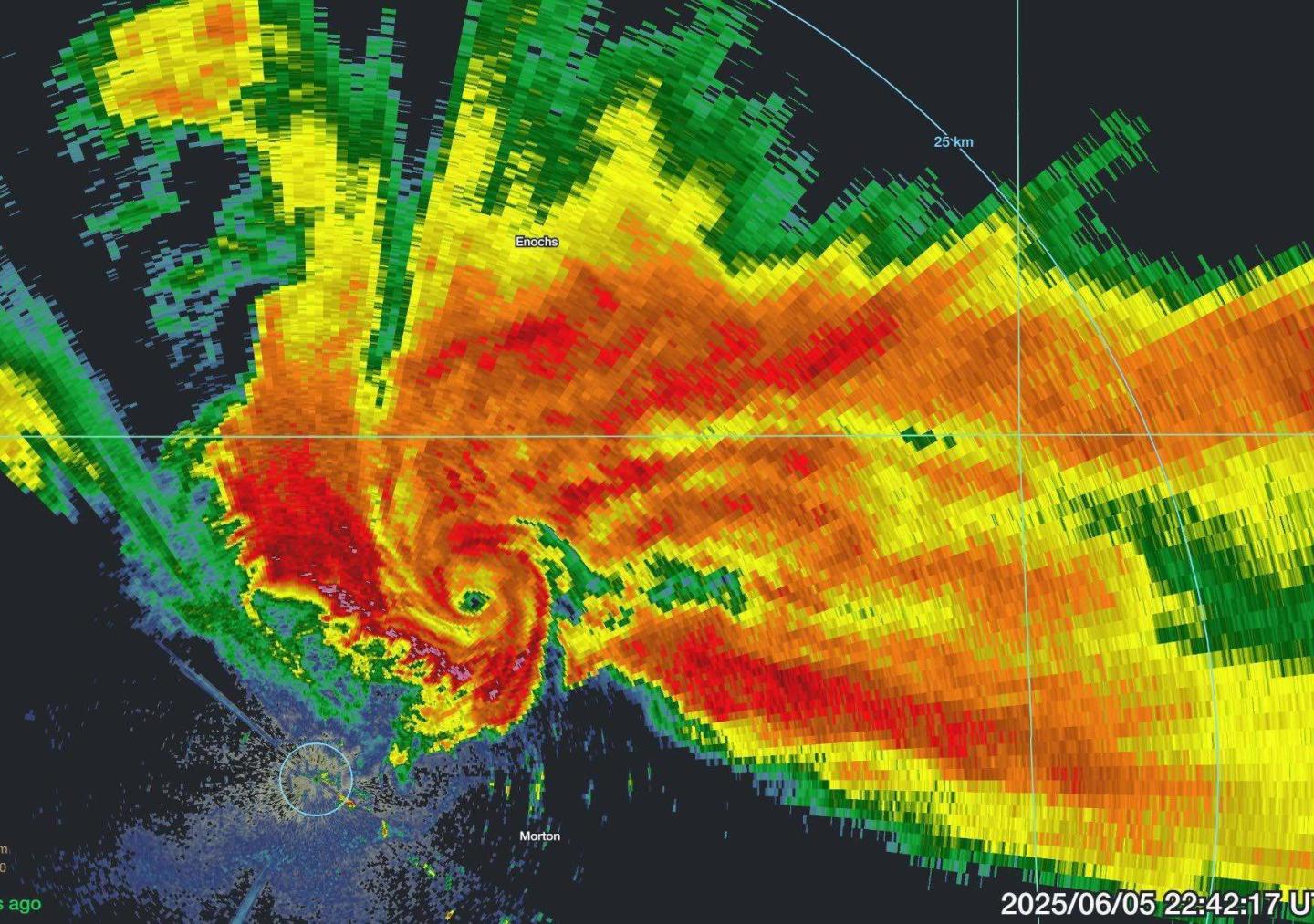
“Tornadoes don’t occur often, and we don’t have the decades of high quality, consistent data that researchers need in order to see a climate signal,” says Lo. “Climate analysis typically needs at least 30 years of good data to understand if we’re looking at natural variability or a change that’s been forced by climate pollution.”
Today’s climate models are good at predicting broad trends over large areas — such as sea-level rise, wetter rainstorms or longer heat waves. But they’re not built to examine short-lived, hyperlocal events like tornadoes. “Tornadoes are too small, and happen too fast for climate models,” Lo explains.
There is scientific consensus that a warmer climate increases the frequency of severe storms, which create conditions that are ripe for tornado outbreaks. However, as many storm chasers can attest, even seemingly perfect storms don’t always spawn tornadoes.
“We still have more to learn about tornadoes,” says Lo.
What do we know about changes in tornado behavior?
Here’s what scientists do know: While the total number of tornadoes in the United States has not increased, the frequency of large tornado outbreaks — days with more than 16 tornadoes — is on the rise, according to the National Oceanic and Atmospheric Administration.
The March 2025 St. Louis tornado that Scott narrowly escaped was part of a deadly three-day outbreak of 117 twisters that hit multiple states.
The fact that tornadoes are breaking out of expected patterns — occurring in clusters, in more populated areas and during colder months when people are less likely to expect them — is likely to make them even more costly, researchers say. According to the nonprofit Insurance Information Institute, 300 tornadoes in March 2025 caused $8.4 billion in insured losses.
Some meteorologists have raised concerns that drastic budget and personnel cuts at NOAA under the Trump administration have hampered weather data collection that helps them better predict local storm behavior. The loss of data affects climate science, too.
- How the Trump administration is making hurricane season more dangerous
- 4 ways hurricanes are becoming more dangerous and why
“Climate is really just long-term weather,” says Lo. “We need more data, with more detail, to understand patterns that can help everyone see who’s impacted, where and how.”