

Residents of “Cancer Alley” sue to defend their rights to monitor air quality
When Quisha Reed-Jones moved to Alsen, Louisiana in 2023, she knew about the rich history of the community as an early settlement granted to Freedmen who fought in the Battle of Port Hudson during the Civil War. What she didn’t know, but soon learned, was that this land, where her husband’s great-great-grandfather had built a cabin, was now also home to a large landfill and dozens of chemical plants that were sickening the community.
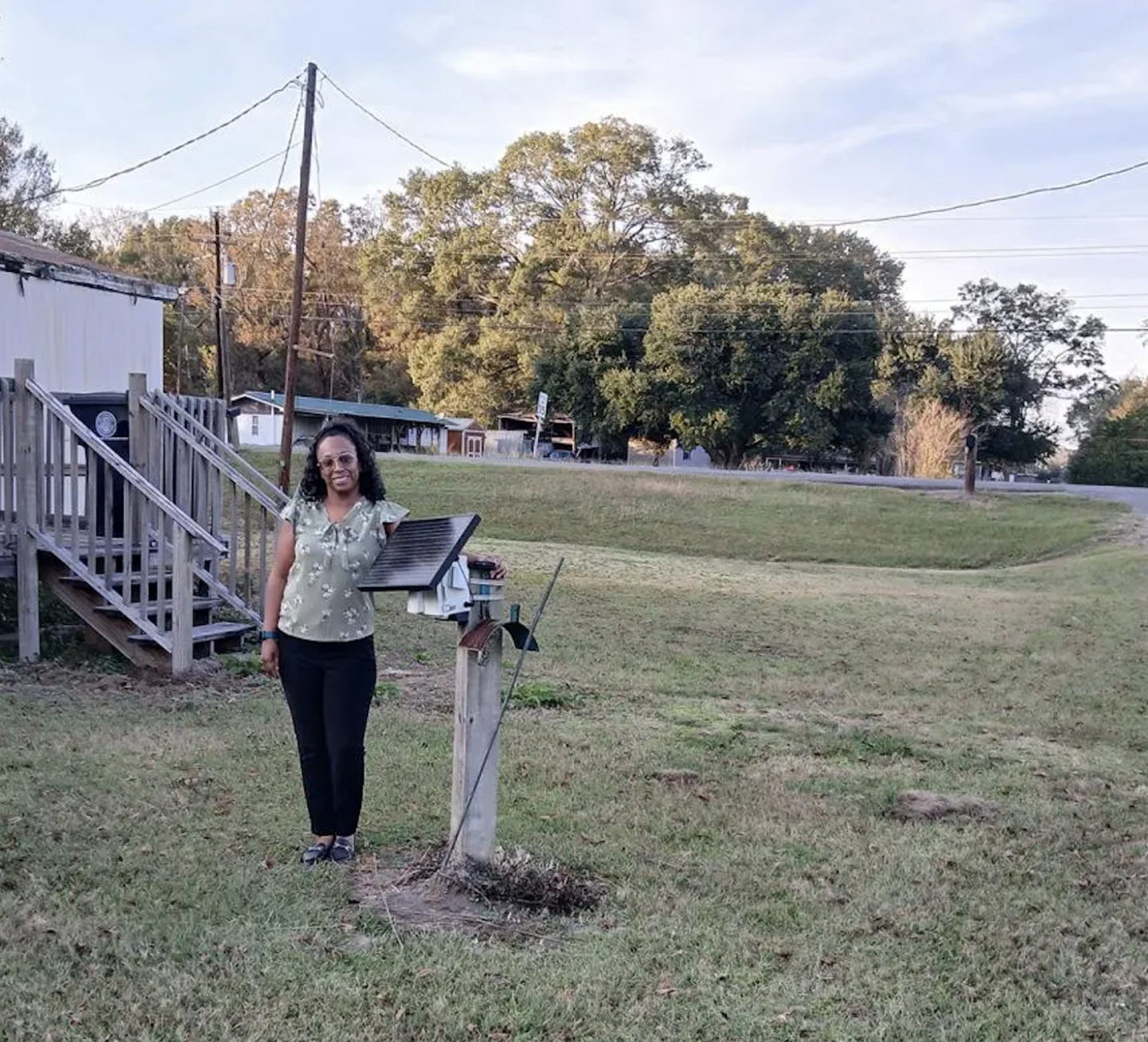
Reed-Jones founded a nonprofit, the Alsen St. Irma Lee Community Village, to help her neighbors advocate for a healthier environment. She also became involved in a first-of-its-kind air monitoring project in partnership with Environmental Defense Fund and Deep South Center for Environmental Justice to help the community and local health centers pinpoint what’s actually in the air.
The Alsen project is one of many community-based air monitoring efforts that are beginning to shed light on the toxic air pollution faced by people who live near petrochemical plants and other industrial facilities.
But today, community-based air monitoring projects risk running afoul of a new Louisiana law that takes aim at citizen science.
Fixing blind spots in pollution monitoring
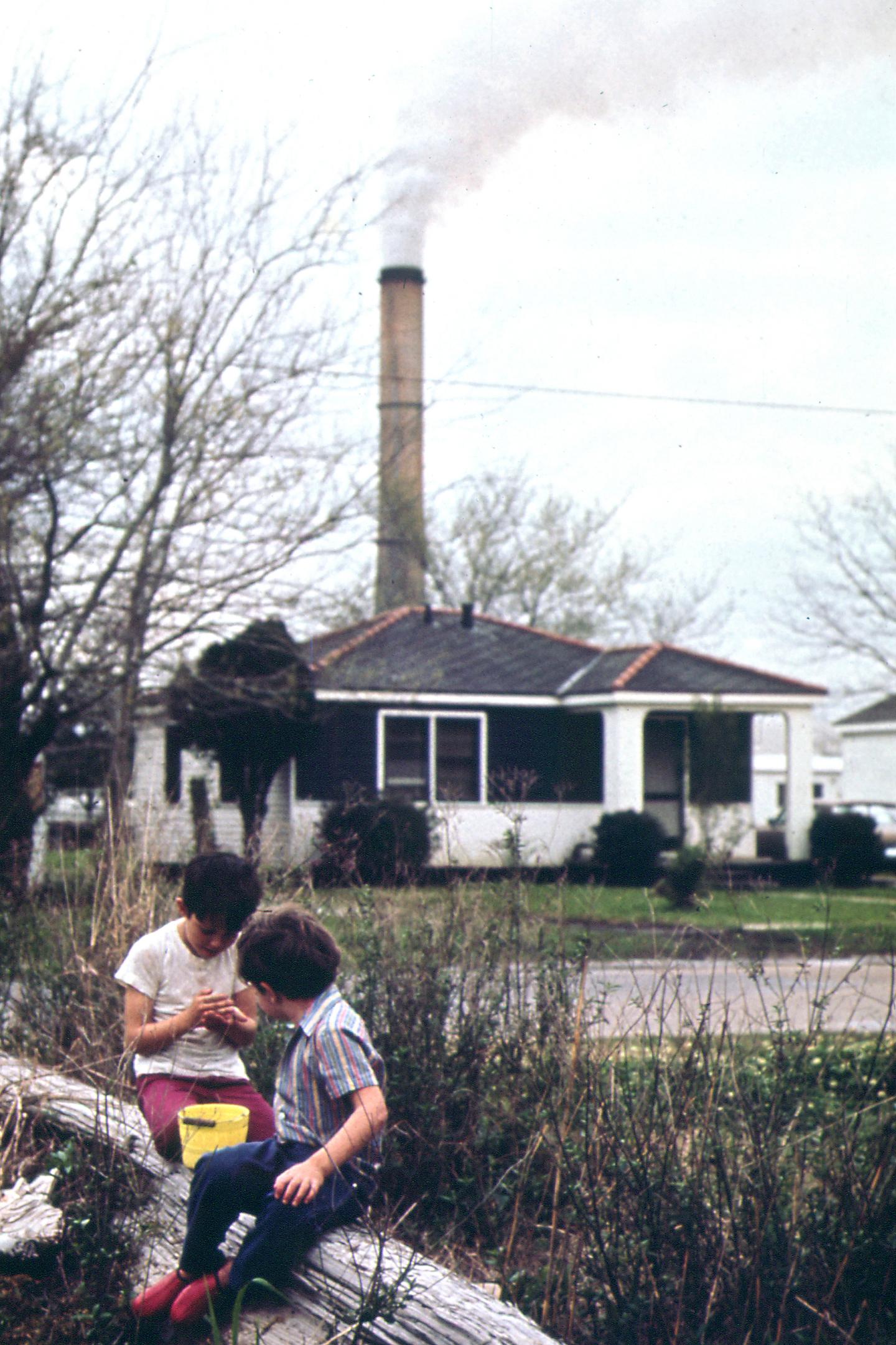
Alsen is a small, unincorporated community in East Baton Rouge Parish, in the 85-mile stretch of land between New Orleans and Baton Rouge known to the world as “Cancer Alley.” More than 150 chemical plants and oil refineries dot this stretch of land, where most communities are predominantly Black and many residents attribute seemingly staggering rates of cancer and other illnesses to toxic air emissions from industry.

Communities like Alsen pay the price.
“My husband’s family has been in Alsen for over a century,” says Reed-Jones. “In that time, we’ve buried too many loved ones from cancers that show up too often to be coincidence. We see high rates of respiratory problems, skin conditions and an alarming number of children born with disabilities. You can’t tell a family watching a child struggle to breathe that the statistics are ‘inconclusive.’ You can’t stand over grave after grave and say, ‘The data isn’t clear.’ For us, the data is our bodies. The trend line is our family tree.”
Despite this region’s notoriety as a heavily polluting industrial zone, air monitors that measure hazardous air pollution are few and far between.
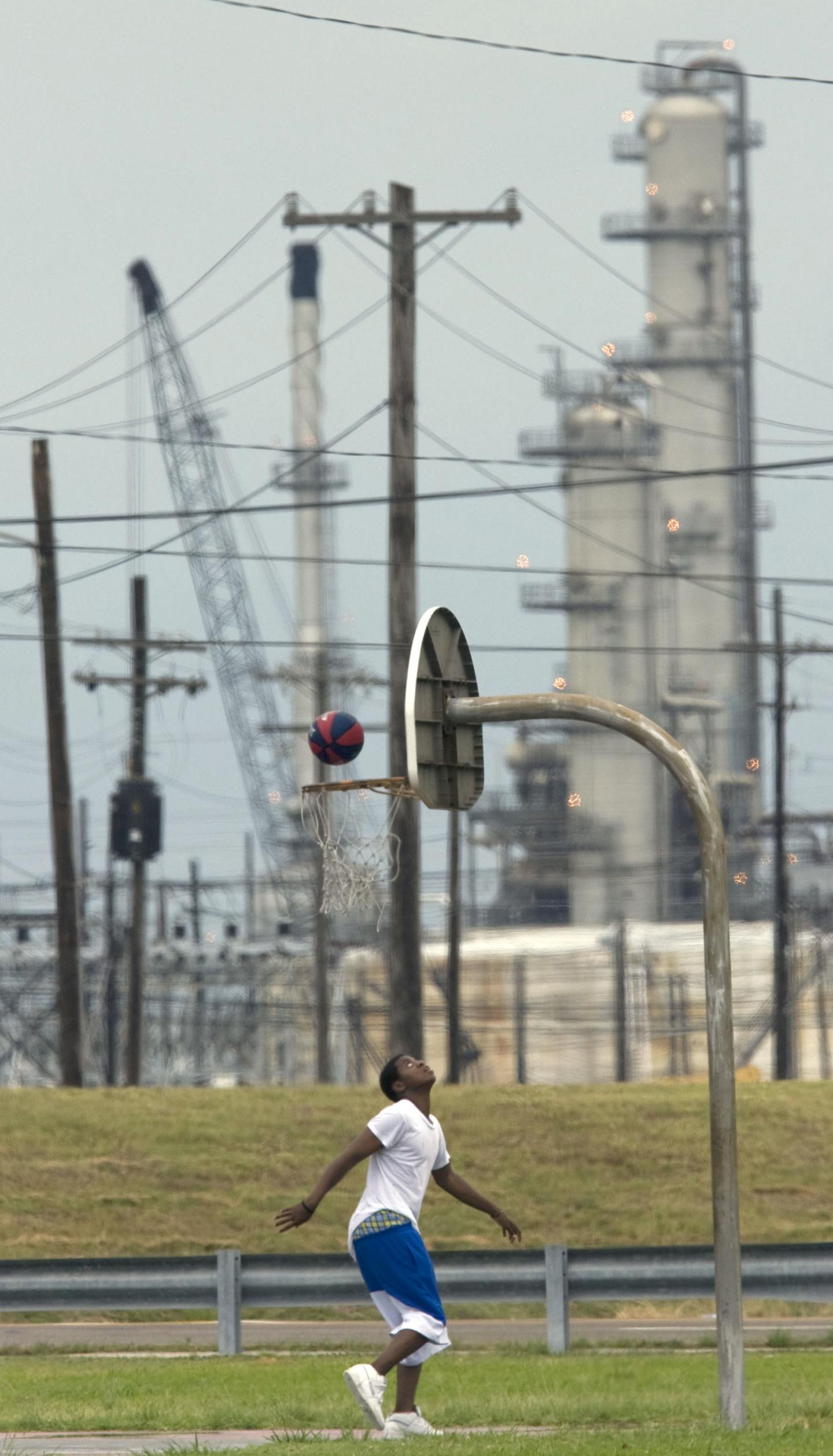
“Louisiana is an air monitoring desert,” says Lauren Padilla, a senior scientist at Environmental Defense Fund, who is helping guide local air monitoring projects in Alsen and four other communities along the industrial corridor.
The projects, made possible by dedicated community volunteers like Reed-Jones, use a device known as AirPen, developed at Colorado State University. No bigger than a cell phone, AirPen samples the air for formaldehyde and more than a dozen other air toxins, including cancer-causing benzene and trichloroethylene.
The air monitors, which almost look like strange bird houses perched on posts in front lawns, contain sample tubes that the volunteers collect every week and send off to Colorado State University for analysis.
With the data, communities hope to continue to raise awareness about local health risks such as what times of day air pollution peaks, how extreme weather, which can prompt even higher levels of pollution releases from petrochemical facilities as they rush to shut down impacts air quality and if dangerous combinations of air toxins are being released together.
Official federal or state monitors, already few and far between, leave big gaps in monitoring and do not measure all pollutants of concern. Local air monitoring efforts were intended to get a major boost in 2022 when the Inflation Reduction Act allocated $117.5 million to community air monitoring projects.
Environmental news that matters, straight to your inbox
Law blocks community air monitoring efforts
But in May 2024, Louisiana governor Jeff Landry signed into law the Community Air Monitoring Reliability Act, or CAMRA. Ostensibly designed to standardize community-based air monitoring efforts throughout Louisiana, the law places new restrictions and requirements on these groups, severely limiting their efforts.
“It’s no coincidence that just as communities were securing air monitoring systems through EPA grants, polluting industry pushed through a dirty bill designed to silence the science,” says Caitlion Hunter, director of research and policy at RISE St. James Louisiana, one of the groups involved with their own community air monitoring efforts.
The law essentially says that if community groups want to monitor air pollution and share their data with the public, they have to use “an EPA-approved or promulgated emission test or monitoring method,” based on the pollutant being monitored. The law also restricts the kinds of monitoring technologies that can be used, places vague and onerous requirements on the communication of data, and restricts the use of air monitoring data in regulatory or enforcement proceedings. This effectively bans the use of data from all but very expensive air monitors — which can cost tens or hundreds of thousands of dollars each.
Groups that violate the law could potentially face penalties of up to $32,500 per day — plus $1 million for intentional violations. That’s money that community-based organizations, typically composed of volunteers and operating on a shoestring budget, simply don’t have.
The law is having a chilling effect. Micah 6:8 Mission, an environmental justice organization based in southwest Louisiana, has an air monitor bought with an EPA grant to measure nitrogen oxides and particulate matter pollution by the Westlake chemical plant complex near Lake Charles. The monitor showed that on two out of three days, people in their community breathe unhealthy levels of particulate pollution which can trigger heart and asthma attacks. The group used to post this monitoring data on their Facebook page but has now stopped out of fear of fines.
“Louisiana’s efforts to restrict community air monitoring are so unfortunate and so revealing,” says Reed-Jones. “It sends a clear message that the data collected by people actually breathing the air is somehow less valid than data collected by the industries emitting the pollution. Think about that. We are told that our samples don’t count, but the readings taken 300 yards away on an industry-owned monitor do. It’s like letting a student write their own report card and expecting anyone to believe all those A’s.”
Community groups may be feeling pressured to keep quiet about their data, but they are speaking out loudly against the law.
A coalition of environmental and community groups represented by the Environmental Integrity Project and Public Citizen Litigation Group filed a federal lawsuit against the state officials tasked with enforcing CAMRA.
The groups, which include RISE St. James, Claiborne Avenue Alliance Design Studio, The Concerned Citizens of St. John, The Descendants Project, Micah 6:8 Mission and JOIN for Clean Air, claim that the law is a de facto ban on the dissemination of their research and a violation of their First Amendment rights to free speech.
“There is no need for these groups to spend $60,000, $80,000, $100,000 on equipment when in fact there is equipment that, for $200 or less, will give you perfectly adequate results for you to be able to tell your community, your family, whether or not the air they’re breathing is safe,” says David Bookbinder, Director of Law and Policy at Environmental Integrity Project.
Even if community groups had the resources to buy fancy monitors, says Samantha Liskow, an attorney at Environmental Defense Fund, complying with the law is challenging. “The law is incredibly vague,” says Liskow. “There are all sorts of opaque requirements that it is nearly impossible to know how to comply with.”
Liskow speaks from experience. In order to make sure that the AirPen monitoring work EDF was funding complied with the law, Environmental Defense Fund had to hire outside legal counsel and devote over 100 hours of staff time to parsing out the law’s requirements.
That level of effort, out of reach to most community groups, is detailed in Environmental Defense Fund’s amicus brief in the case challenging CAMRA.
Thanks to weeks of legal, scientific and technical review, the AirPen monitoring work Reed-Jones is involved with is continuing to collect and analyze data. Reed-Jones says it is already starting to make a difference.
“Being part of this air monitoring project — working alongside environmental experts from organizations like EDF and DSCEJ has given our community something that cannot be measured; it has given frontline communities a voice,” says Reed-Jones. “After decades of fighting, hurting, and feeling forgotten, they now have tools and partners that help transform pain into proof and proof into results.”