
Rain gardening 101: How to brighten your yard and keep waterways clean
What you need to know:
- Stormwater runoff is the leading source of water quality issues in U.S. streams, lakes and rivers. Planting water-loving native plants can help filter rainwater and keep pollution out of local waterways.
- Native plants with deep roots also help reduce erosion and lower flood risk — and they are low maintenance, requiring no pesticides or fertilizer.
- Rain gardens provide habitat and food for butterflies and birds, even in small yards.
- Rebate programs in cities across the country — from Seattle to St. Louis — can help offset planting costs.
- Almost anyone can plant a rain garden — and landscape in other water-friendly ways, like installing rain barrels or planting a “green roof” atop a shed.
The 80,000 acres of prairie that once flourished across St. Louis, Missouri are all but gone today — replaced by roads, buildings and lawns. And when nature disappears, rain has few places to go.
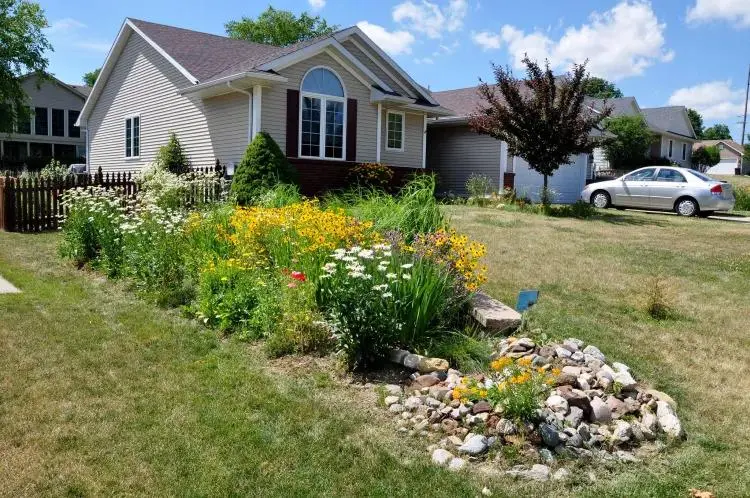
That's a growing problem. As the atmosphere warms, it holds more moisture — which means more rain. Climate change is making storms more intense and flooding more frequent in many parts of the U.S.
The cost is rising. Nationwide, the number of billion-dollar flood disasters has more than doubled in the past five years. The loss of U.S. wetlands alone is estimated to have cost us more than $33 billion in flood damages, according to new research from the University of North Carolina at Chapel Hill and Environmental Defense Fund.
What’s worse? Rainwater picks up motor oil, fertilizers and other toxic chemicals as it pools and puddles on our roads and lawns, and it carries that pollution to rivers, lakes and streams. Stormwater runoff is the leading cause of water quality problems in the U.S., according to the U.S. Environmental Protection Agency and reports from individual states.
But in surprising and inventive ways, people are rising to the challenge — by bringing nature home. In St. Louis and nationwide, there is growing support for rain gardens: Water-loving native plants that soak up rain, clean up pollution and lower flood risk — all while creating habitat for birds, butterflies and bees.
Increasingly, they are being paid to do so. So far, 25 grant programs in 15 states reimburse property owners for building a garden designed for rain.
“Rain gardens are great examples of working with nature instead of against it,” says Adam Gold, who leads stormwater research at Environmental Defense Fund. “Rain gardens help slow and clean stormwater, which improves downstream water quality and water supply. There are also many other ecological benefits from a well-designed rain garden, and it’s an attainable way for people to help the environment.”
Some call this approach "rainscaping." Others simply call it planting a rain garden.
A garden that gives back
“I love it. It’s what I see when I first walk out the door in the morning,” says Bethany Keller, a 48-year-old university administrator, of her wildly colorful rain garden in the St. Louis suburb of Webster Groves. “We have seen so many more birds in our yard, since doing the native plantings.”
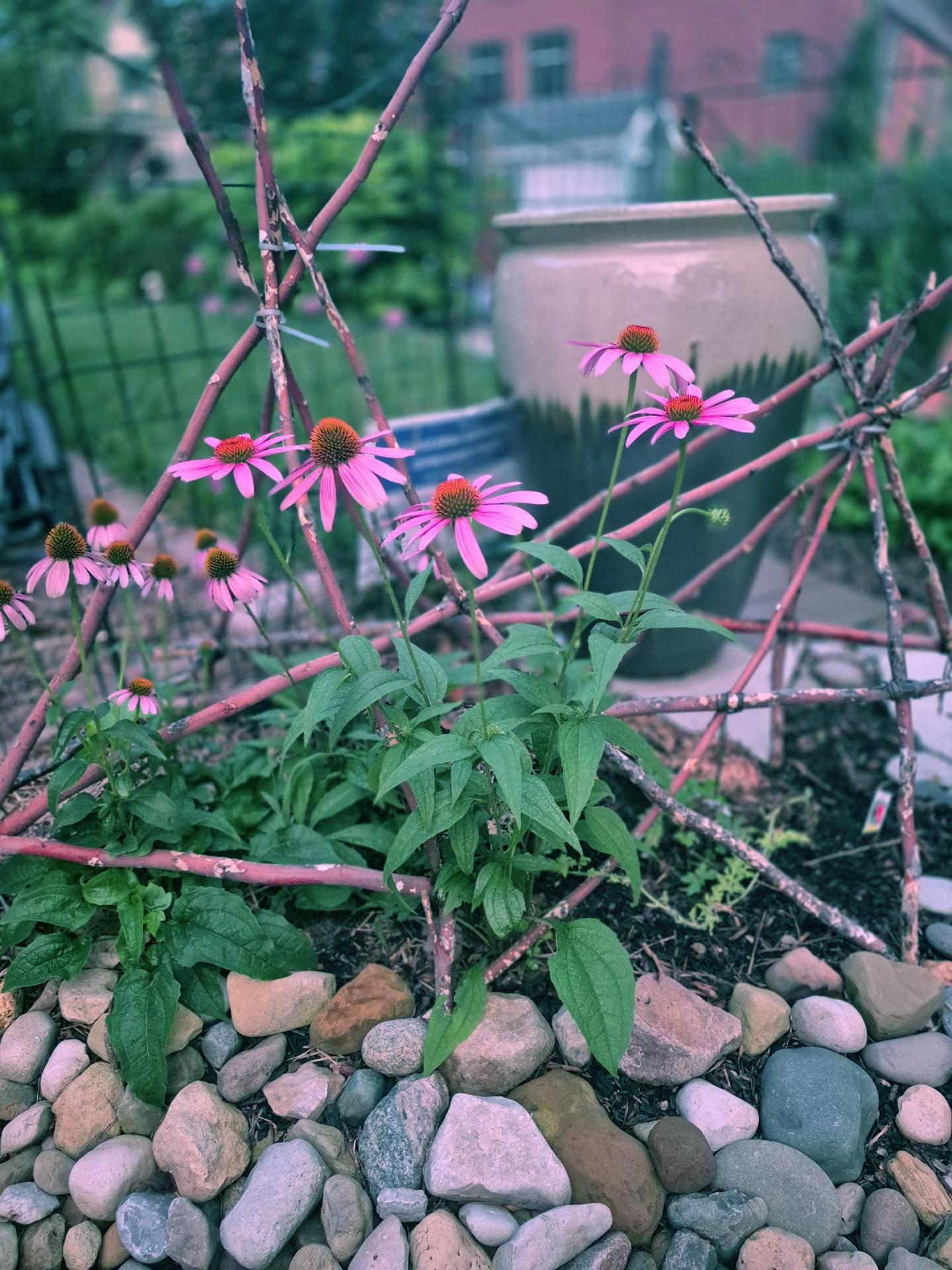
In Keller’s front yard, birds feast on black chokeberries in her berry bramble, while wildflowers light up all season — from the first twinkling of Virginia bluebells in early spring to the fireworks of Missouri coneflowers in early fall.
Keller’s front yard is also now a sophisticated system: Stormwater streaming down from her home and garage roof are diverted through downspouts to her rain garden, where healthy soils and thirsty native plants help slow down, spread out and soak up the deluge — lowering the likelihood of a flood. As the rain sinks deep underground, intricate root systems filter and cleanse the water.
Keller installed her garden with the support of a cost-share program offered by the Deer Creek Watershed Alliance, which allowed her to hire a landscaper to dig up a buckling driveway and replace it with native plants.
Environmental news that matters, straight to your inbox
Attracting pollinators and passers-by
While engineers and scientists might see rain gardens first as a stormwater solution, home gardeners are often drawn by other perks — like attracting butterflies and birds, or the ease of gardening with plants innately adapted to difficult conditions.
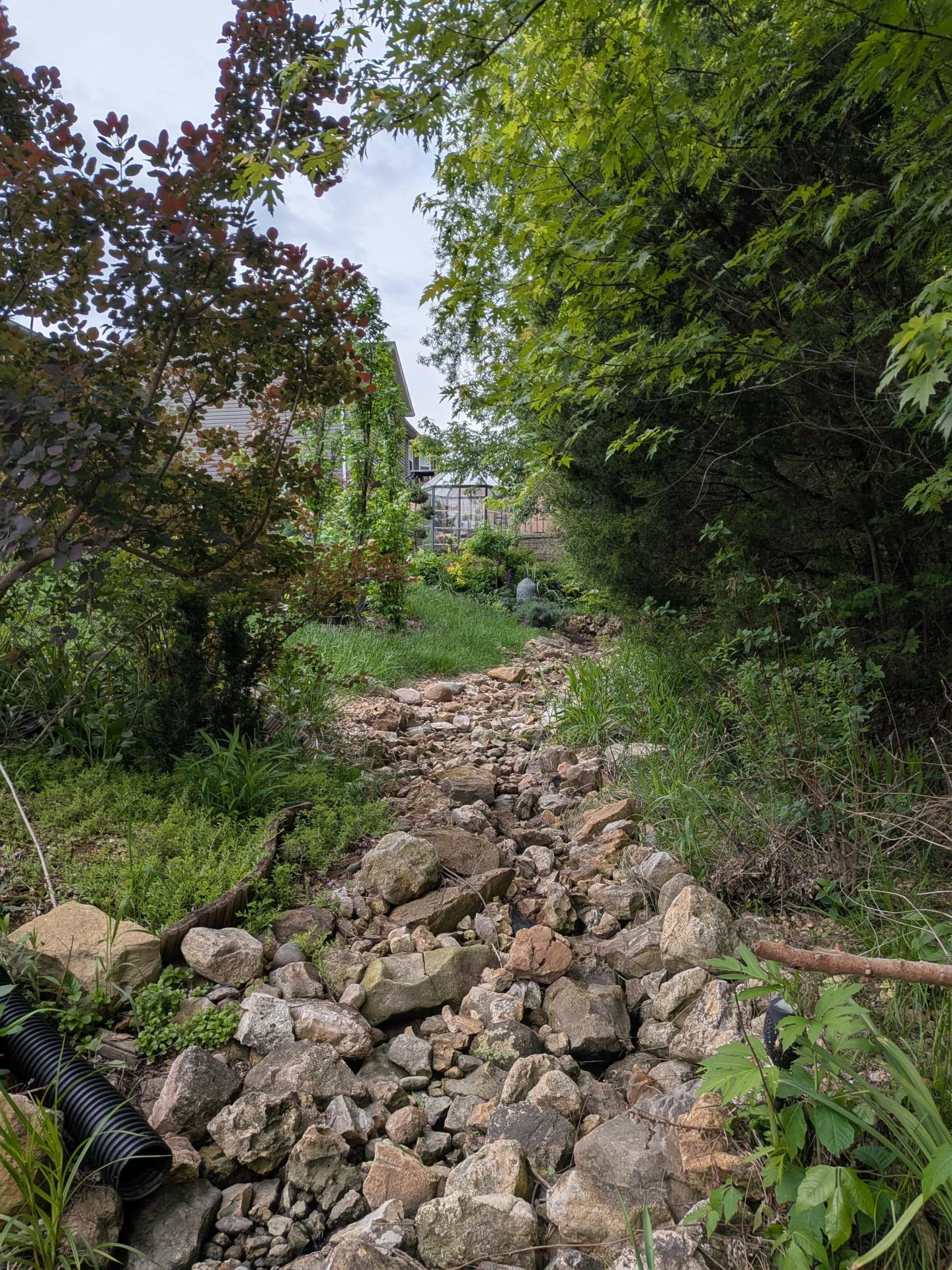
“I’m basically in the middle of a food desert for pollinators, and so they all rely on my yard,” says Patrick Mahon, a 36-year-old horticulturist who lives in a newly built subdivision in Warrenton, Missouri, about an hour’s drive west from St. Louis.
Mahon installed a sloping ribbon of rocks in his backyard, planting native trees, shrubs and wildflowers alongside to mimic a dry creek bed. His lush, vibrant garden now redirects, slows and filters an enormous amount of stormwater.
Birds, butterflies, salamanders and other wildlife forsake his neighbors’ manicured lawns for the food and shelter they find Mahon’s garden.
For other homeowners, native plant rain gardens are a solution to difficult conditions. Aubrey Byron, a 36-year-old writer living in the urban Fox Park neighborhood in St. Louis, applied for a rainscaping grant from the Metropolitan St. Louis Sewer District in 2024 to solve an eyesore: A neglected, steeply sloping patch of weeds in front of her home.
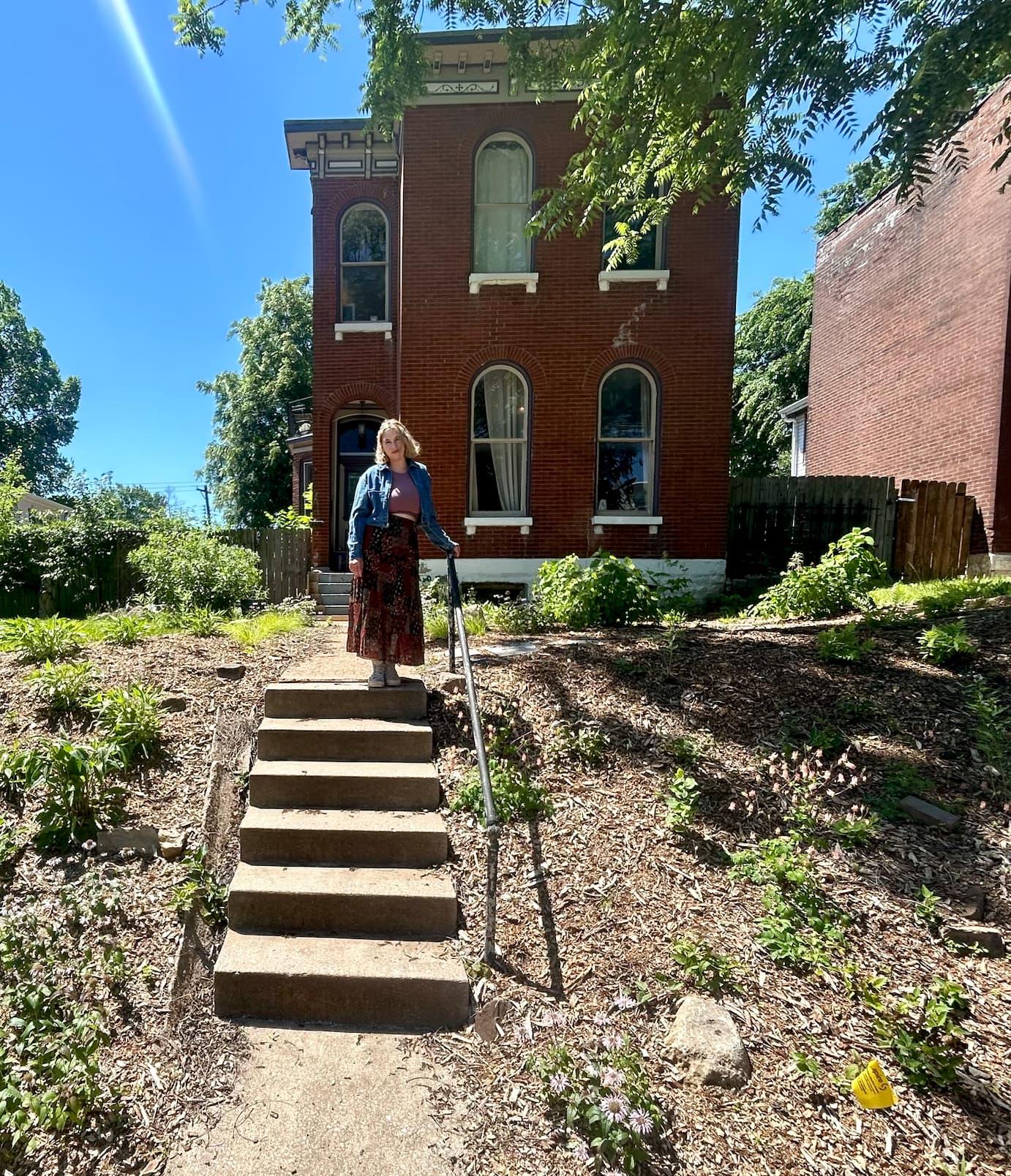
“It was horrible,” Byron recalls. The slope, its poor soil covered in patchy weeds, was swiftly eroding, and everything she tried to plant died. The angle was so steep that Aubrey couldn’t push a lawnmower up it — her husband could, just barely, with an awkward running start.
"My husband is so happy he doesn’t have to mow it anymore,” Aubrey says. With the support of the grant, Byron could afford to hire a native plant landscaper who helped her select the best deep-rooted native wildflowers — like coral bells, eastern bluestars and St. John’s wort — to secure the slope. Their long roots prevent erosion and nourish the soil. The sloping yard now grows a feast for bees and butterflies.
This spring, as the wildflowers blossomed, Byron’s one-year old son insisted on walking through the garden each day — carefully stopping for a deep sniff of each new bloom.
How to get started planting a rain garden
Anyone in a rainy locale can do their part to keep waterways clean — and create a beautiful, low-maintenance garden in the process. Here’s how.
1. Figure out your waterscape
Next time it rains, pull on those galoshes and observe: How does rainwater flow on your property? Where does it pool into persistent puddles? How steep are any slopes?
Once you’ve spotted the problem areas, consider different ways to tackle them:
- Rain barrels can capture stormwater from a gutter, keep it out of overwhelmed storm drains and provide irrigation during dry spells.
- Native plants and shrubs in a rain garden can filter and slow down rainwater.
- Permeable pavers that allow rain to soak into the soil are a smart alternative to cement pathways.
- Dealing with a steep slope, lots of asphalt or an especially boggy lawn? Consider reaching out to a local native plant landscaper. Professionals can help with more elaborate installations to solve more difficult landscaping problems, like a severely steep slope or lots of stagnant water.
2. Check your sun and soil
If you’ve identified a good spot for your rain garden, check on it throughout the day: Is it mostly shady, mostly sunny, or a bit of both?
Soil is the secret sauce of any garden. To find out what type is in your yard, hold a bit of soil in your palm and try to form it into a ball. Does it remain in a ball when you open your hand? If yes, you’re working with clay-heavy or loamy soil. If it crumbles, it is sandy.
If you have a sticky ball of soil, press it between your thumb and forefinger to try to make a ribbon — if it breaks apart, it is loamy. If you can flatten the soil into a ribbon, it is clay-rich.
Native plants can thrive in any of these soils. You simply need to choose the best plants for your spot.
3. Pick your plants
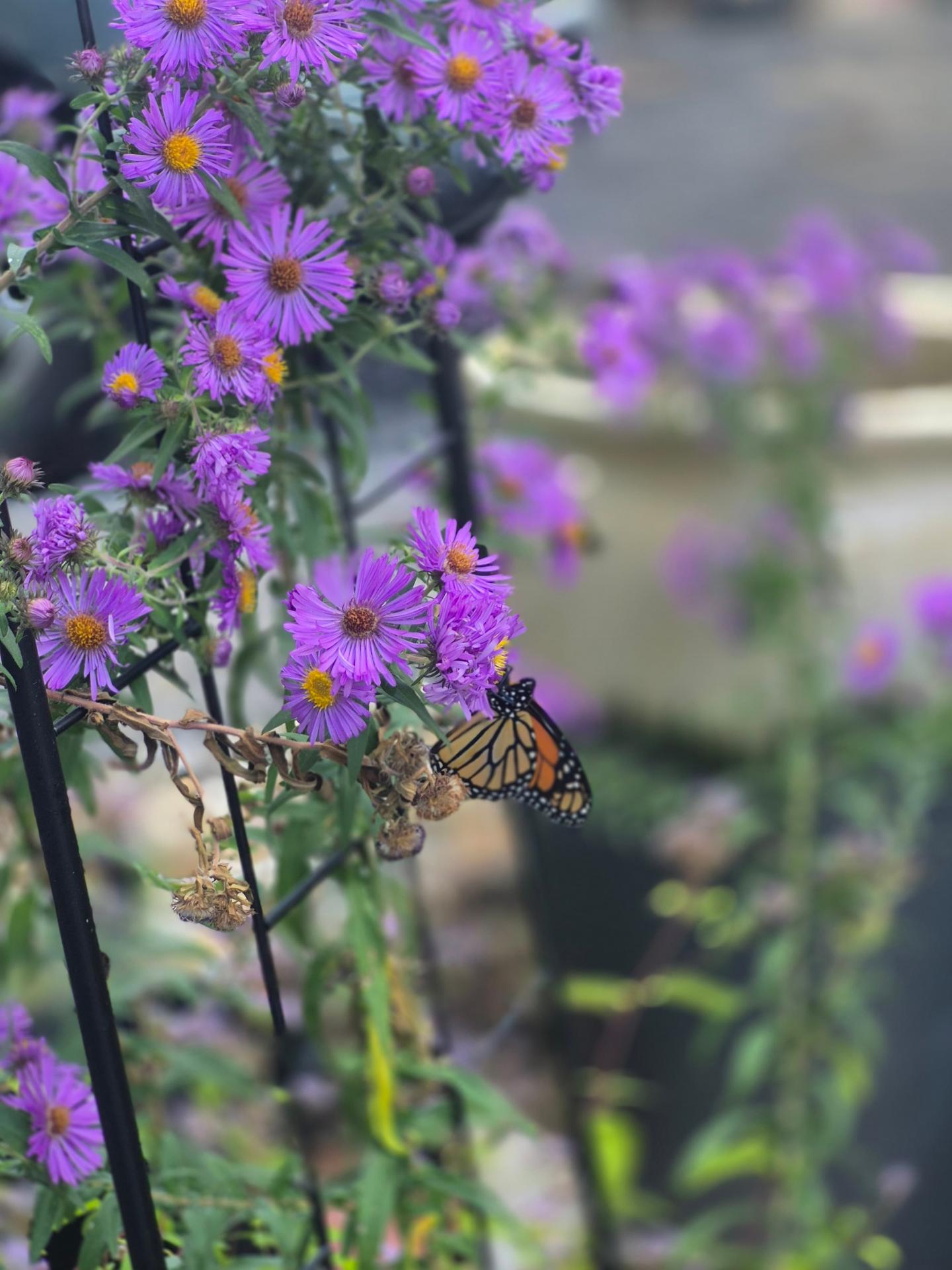
Now you’re ready to seek out plants well-adapted for your light and soil conditions. Since native plants are specific to your region, look for local resources for plant lists and guides. National Audubon Society and Wild Ones are good starting points for finding native plant nurseries in your area. Local landscapers and nurseries can help answer questions, too.
4. Planting time!
The best part: Time to plant. Spring or fall are excellent times to plant native plant seedlings.
Dig about six to 12 inches deep and make a shallow, gradually sloping depression for your garden, and plant your natives densely to help their roots filter rain more effectively.
Native plants don’t like much compost, but if your yard is particularly hard and compacted you can judiciously mix some organic compost with your topsoil.
Once you’ve planted your garden, spread about two inches of organic mulch around the plants to help keep weeds at bay and moisture in the soil as the young plants get established. Don’t keep adding mulch every year — native plants don’t need it.
If you need to remove a lawn before planting, there are a few nontoxic ways to shrink your lawn to clear space for a rain garden.
5. Maintaining
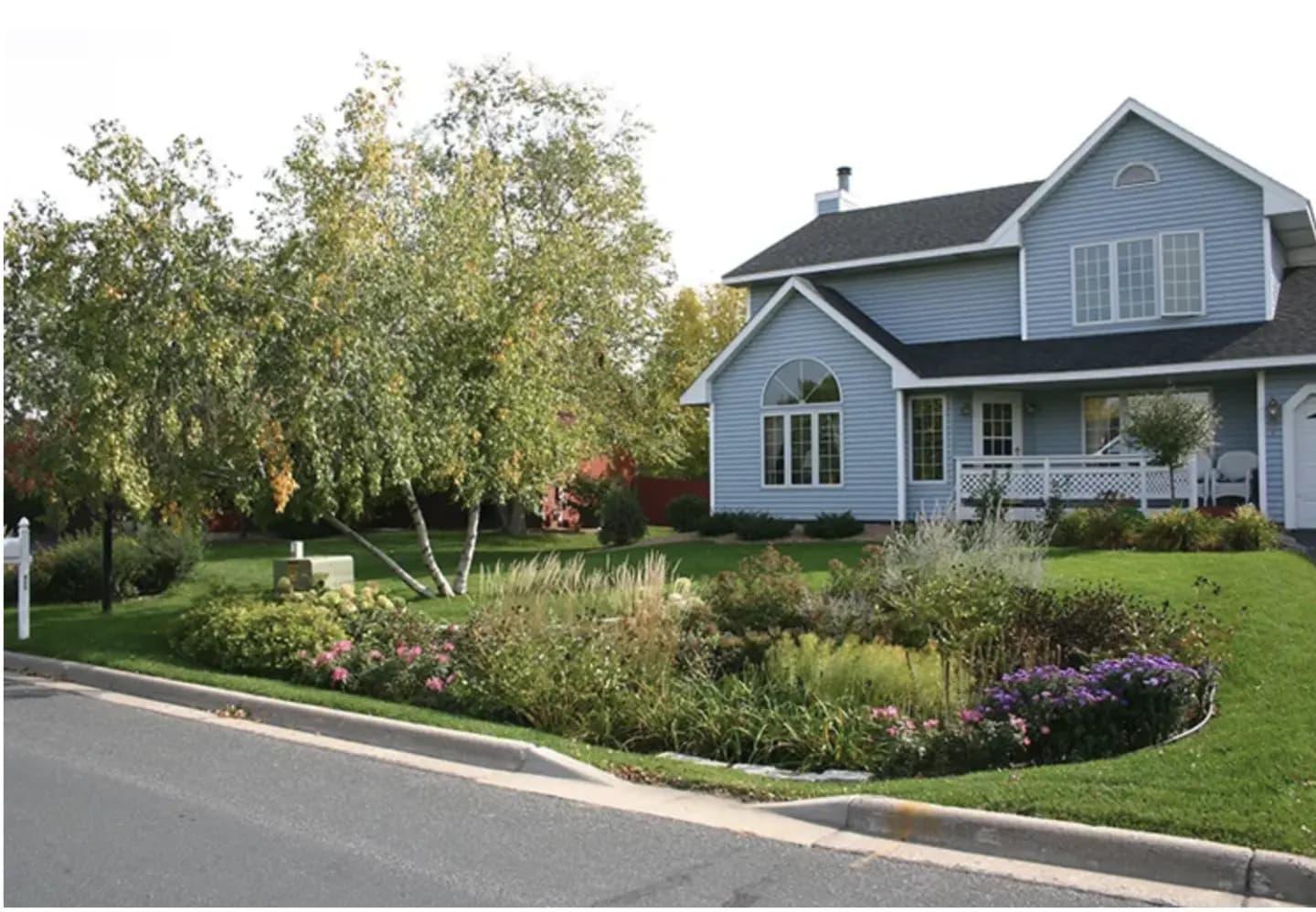
Native plants are lower maintenance than the cultivated kinds you find at big box stores or traditional nurseries, and they require no pesticides or fertilizer. But in the first couple of years, they’re babies and need some TLC while they get established. If it doesn’t rain, water your rain garden once a week. Weed regularly for the first two years to keep aggressive and invasive plants from overpowering your garden.
In the fall, leave the leaves — pile them up and redistribute them as mulch in your rain garden to help create healthy soil.