
One year into Trump administration, a look at where climate action continued
States, businesses and other nations press on with action to reduce pollution, prepare for climate challenges.
It’s been one year since Donald Trump assumed the U.S. presidency for a second time. Since day one, his administration has assaulted environmental protections and climate progress, halting and defunding clean energy projects, promoting costly, dirty energy, and dismantling dozens of federal safeguards that protect people from pollution — while giving favorable treatment to major polluters.

The attacks have been swift and sweeping, but not entirely successful.
Energy affordability advocates scored a win in court last week over the unlawful withholding of federal clean energy and grid resilience funding from states that did not vote for Donald Trump in 2024.
But even as the turmoil in the U.S. federal government rages on, progress hasn't stalled everywhere.
These wins show that climate solutions are still alive and well in the U.S. and around the world.
From California to Texas, states are taking climate action
States continue to boost clean energy, cut climate pollution and prepare for climate change, even as the Trump administration attempts to deny its existence.
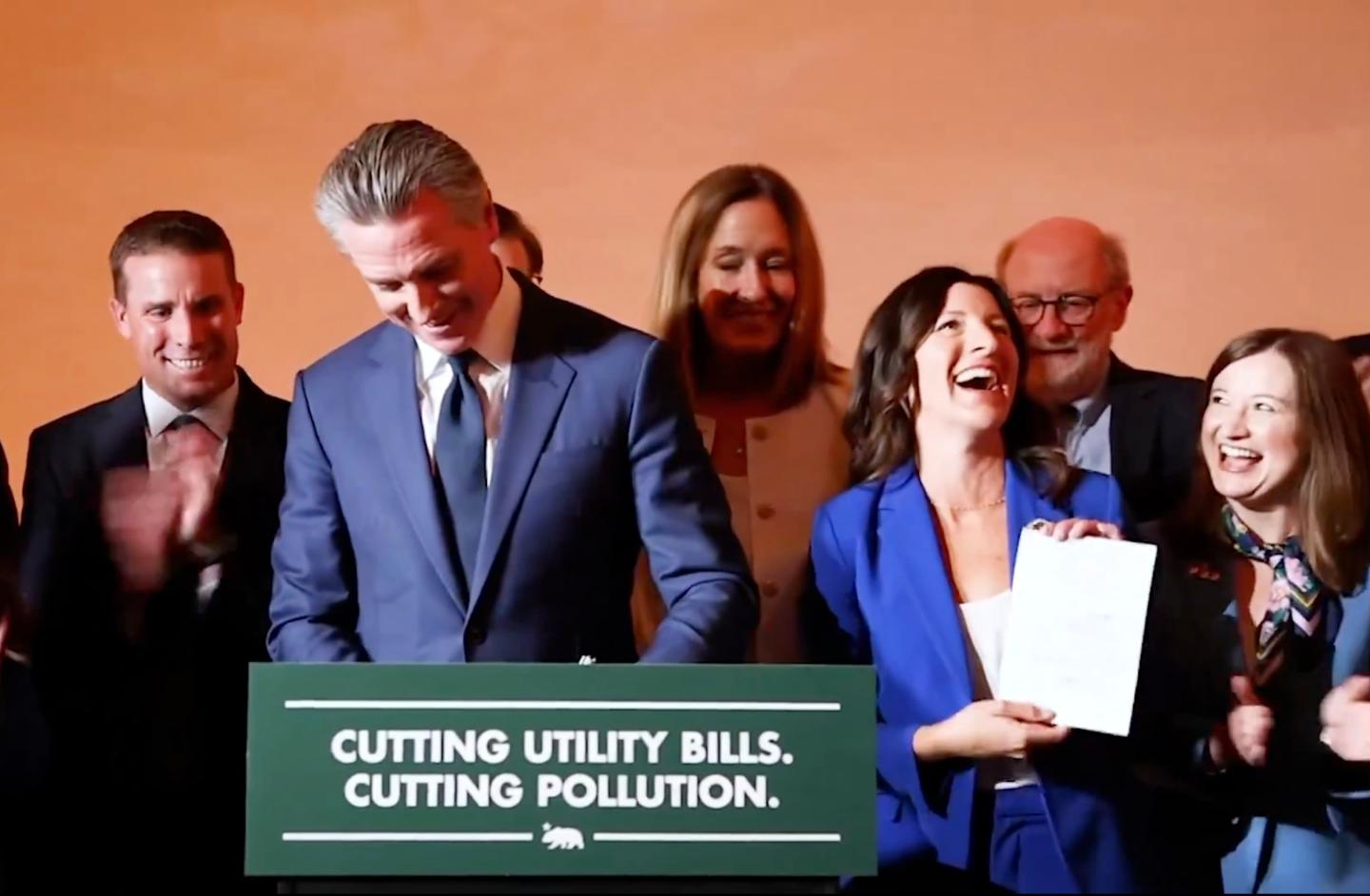
In 2025, California Governor Gavin Newsom signed two major climate initiatives into law.
The first reauthorized California’s cap-and-invest program, which puts a binding, declining limit on climate pollution in the state, makes polluters pay for their emissions, and invests the revenue in utility bill savings, clean transportation, community green spaces and more. The updated program puts California on track to reach its goal of net zero emissions by 2045, while generating billions for the state to invest.
Newsom also greenlit — with near-unanimous, bipartisan support — a law that lays the groundwork for integrating California’s electricity market with other Western states. A West-wide market is expected to expand access to affordable clean electricity, prevent blackouts, and help stabilize costs for consumers and utilities.
“These are major victories for both the climate and affordability,” says Katelyn Roedner Sutter, Environmental Defense Fund’s state director in California.
In Texas, the state legislature passed a law limiting how long an oil and gas well can be kept in “inactive” status — a limbo state during which a well isn’t being used to produce oil and gas but may still be leaking pollution. The new law sets a deadline for when such wells must be revived or plugged, an important step toward reining in pollution from 115,000 inactive wells.
Texas voters also passed a ballot initiative to invest $1 billion a year in water infrastructure, a climate-smart investment expected to benefit rural areas, where climate change is constraining water supplies and threatening communities.
Environmental news that matters, straight to your inbox
Progress continues in Europe, China and India
Outside the U.S., efforts to reduce climate pollution also advanced.
In Europe, methane regulations that took effect in 2024 entered the implementation phase and could serve as a model for reducing methane pollution worldwide. Methane, the main component of natural gas, has more than 80 times the warming power of carbon dioxide over the short-term, making it a climate “super-pollutant” — which is why cutting emissions also offers a way to slow warming quickly.
In China and India, two of the world’s largest sources of greenhouse gas emissions, carbon markets — trading systems that help economies cheaply and efficiently reduce planet-warming pollution — remained an important tool for cutting emissions. China’s market, which launched in 2021, now covers 60% of the nation’s carbon pollution, about 18% of the world total. In India, a new national carbon market is set to open in 2026.
And thanks to a boom in clean energy in both countries, electricity generated by coal plants fell by 1.6% in China and by 3% in India last year.
Companies are still concerned about climate change
According to PricewaterhouseCoopers, more than 4,000 companies worldwide now report climate commitments, a nine-fold increase over the past five years.

“Climate action makes good business sense in today’s world,” says Elizabeth Sturcken, who leads EDF’s corporate engagement strategy. “Companies face supply chain shocks from supercharged storms. Consumer demand for sustainable products is growing. Gen Z workers are seeking jobs at climate-minded businesses. Internationally, we have even seen deals fall through because of a company’s climate pollution.”
As corporate climate ambitions grow, so does demand for practical expertise. Since President Trump took office in 2025, the Environmental Defense Fund reports that applications to its Climate Corps program, which embeds graduate students inside companies and institutions interested in becoming more sustainable, have doubled.
“We’re no longer convincing corporate leaders to act on climate,” says Sturcken. “We’re showing them how.”