
New York City’s congestion pricing boasts big wins
One year in, the program successfully reduces air pollution, drive times, traffic accidents and raises hundreds of millions for transit.
Cornell University environmental scientists Gina Park and Tim Fraser had some expectations when they set out to study the air-quality impacts New York City’s congestion pricing policy.
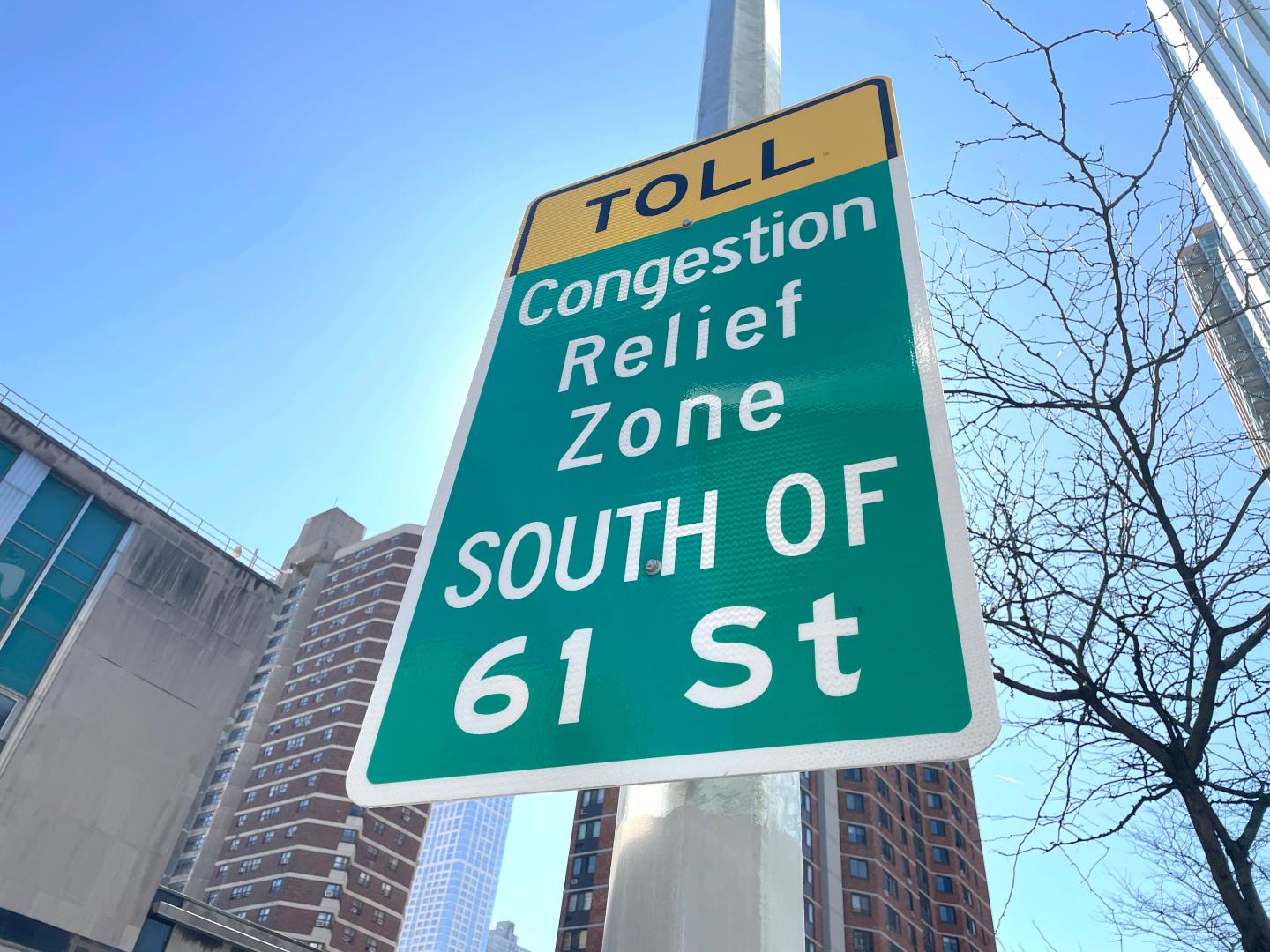
The program, first implemented on January 5, 2025, was designed to bring health, environmental and economic benefits to the country’s biggest, most traffic-clogged city, and to provide a steady stream of funding for modernizing and repairing a transit system that serves 3.5 million people a day. (It works by charging a fee to cars and trucks that enter the most congested part of Manhattan.)
“Congestion pricing has been implemented in European cities and we’ve seen substantial decreases in related pollutants,” Fraser says. He and Park were prepared for reductions in air pollutants like particulate matter 2.5 — soot that’s smaller in diameter than a human hair and can burrow deep in lungs and enter the bloodstream. People exposed to high rates of PM2.5 suffer more heart attacks, cancers, asthma, dementia, and other diseases.
Despite their expectations, what Park and Fraser found after tracking air quality in the metropolitan area for the first six months of the program blew them away: a 22% decrease in soot inside the congestion pricing zone. “We thought congestion pricing would have improved the air quality,” Park says. “But 22% is a big number.” Important air-quality benefits extend outside the congestion pricing zone, too, to the five boroughs and the entire New York metropolitan area, which saw declines of 11% and 7% respectively.
Congestion pricing benefits bigger than expected
In fact, a year into the program, its benefits are on full display: shorter travel times; better, more reliable transit; increased foot traffic. Business inside the congestion zone is booming.
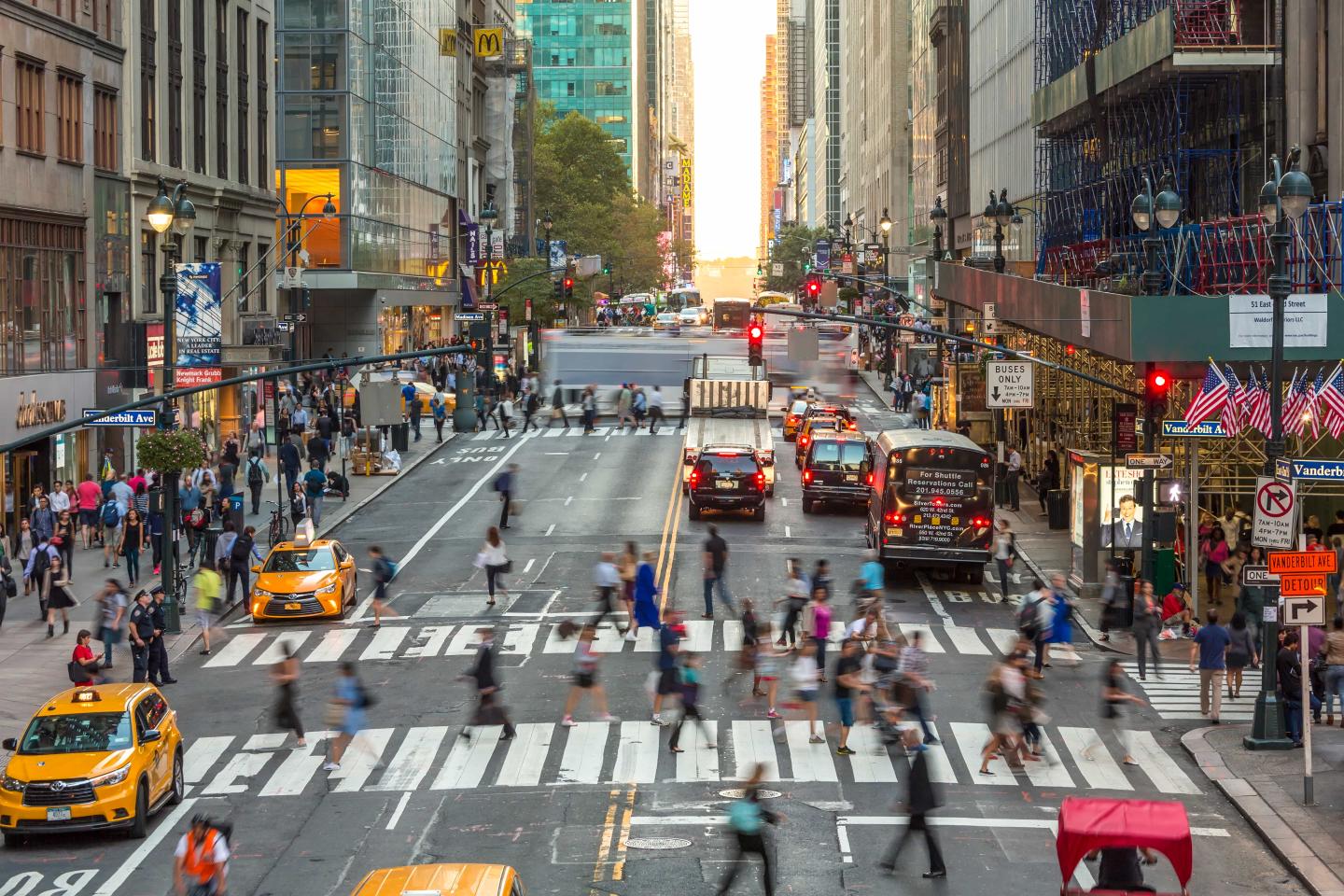
“One year in, we’re seeing success on all those metrics,” says Andy Darrell, a senior advisor to Environmental Defense Fund, a global nonprofit that has championed congestion pricing in New York City for almost two decades.
The program is based, in part, on the idea that even before January 2025, New Yorkers were paying a heavy price for traffic, often without realizing it. Time spent creeping along in a car or bus meant less time with family, friends or at work. Air and climate pollution worsened people’s health and jacked up their medical bills, grocery bills and insurance bills. Businesses took in less cash when customers, workers and deliveries were stuck in cars and trucks on the city’s roadways.
The program was designed to shift those costs around. Pay upfront to enter the city’s most congested area — Manhattan south of 60th Street — and pay less in other ways, with an overall benefit for everyone.
Transit improvements are already underway
The fees cars and trucks pay for entering the zone are being funneled into transit system upgrades, commuter rail improvements and air pollution reduction projects in the city’s most polluted neighborhoods. With revenue on track to reach about $500 million a year, money is being invested in new subway and rail cars and signal upgrades.
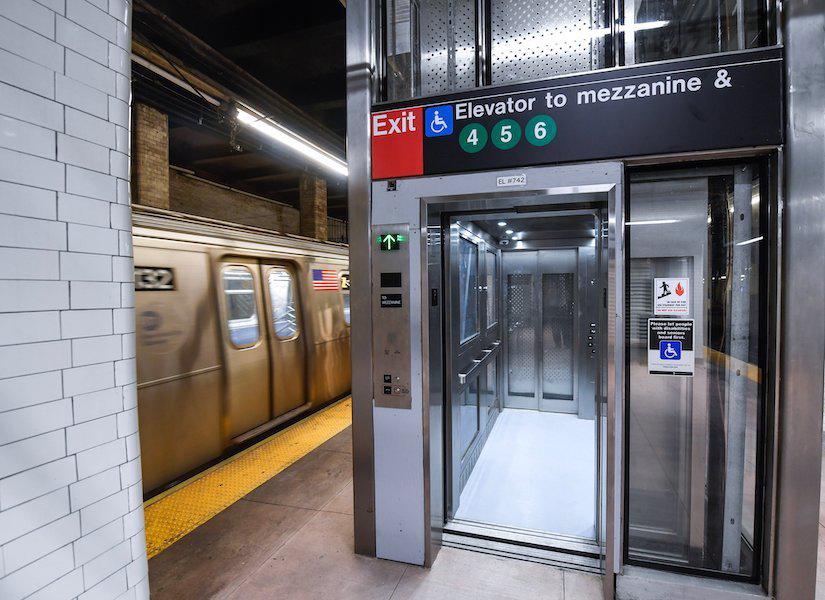
Across the Big Apple, work has begun on new elevators that make the subway and rail system more accessible to people with disabilities and parents with strollers. Thanks to the new revenue, the transit system has also been able to sign contracts to extend the Second Avenue Subway.
Before it was implemented, there were concerns that the program might increase pollution in some of the city’s poorest, most polluted neighborhoods if trucks rerouted through these communities to avoid the tolled zone and commuters used them, essentially, as parking lots. (The program sets aside $300 million to help address air quality issues in these neighborhoods.)
Instead, “the increases in traffic simply aren’t showing up,” Darrell says. “People are taking public transportation instead of driving.”
More cities show interest in congestion pricing
And though the Trump administration has threatened both congestion pricing and public transportation in general, interest in the program continues, with cities like Boston, Los Angeles and Atlanta reaching out to EDF and its partners to find out how they might design programs best tailored to their metropolitan areas.
“I’m optimistic that the success here in New York is going to help inspire leaders in those cities to move forward and try to get the same kinds of results that we are getting,” Darrell says.
Park and Fraser, for their part, are looking forward to continuing to study congestion pricing’s impact on air quality. “This 22% reduction is much bigger than we’ve seen in other cities that have implemented congestion pricing — places like London and Milan,” says Fraser. “I think that speaks to what you can do with the power of congestion pricing in the U.S.”
Park concurs: “We are excited to see how this policy can be applied in other cases.”