
New Trump EPA proposal would strip wetland protection
Without safeguards, real estate developers could build in high flood-risk areas.
About 90% of all U.S. wetlands, critical ecosystems that hold back floodwaters and keep drinking water clean, could soon lose protection under the Clean Water Act, according to a new rule proposed by the Trump Environmental Protection Agency.
The proposal would strip wetlands and seasonal streams of the same protections that cover lakes and rivers, allowing developers to pave over millions of acres of land that provide flood protection, filter drinking water, store carbon and nurture about half of all the threatened and endangered species in the U.S.
The move, announced by Trump EPA chief Lee Zeldin at the agency’s headquarters in November, was applauded by mining, construction, chemical manufacturers, homebuilders and other industry groups.
The EPA, after considering public comment, is expected to issue a final rule later this year.
Building on wetlands puts people at risk
“We already spend billions annually responding to disasters that were created by building in risky areas,” says Will McDow, who leads Environmental Defense Fund’s climate resilient coasts and watersheds initiatives. “This proposal would allow commercial developers to build unsafe housing that floods or increases flooding for neighbors.”
EDF has mapped every area around the country that would be affected by the proposal, which the nonprofit calculated would strip protections from about 91% of wetlands across the U.S.
Housing in or near wetland areas is already particularly vulnerable to flooding.
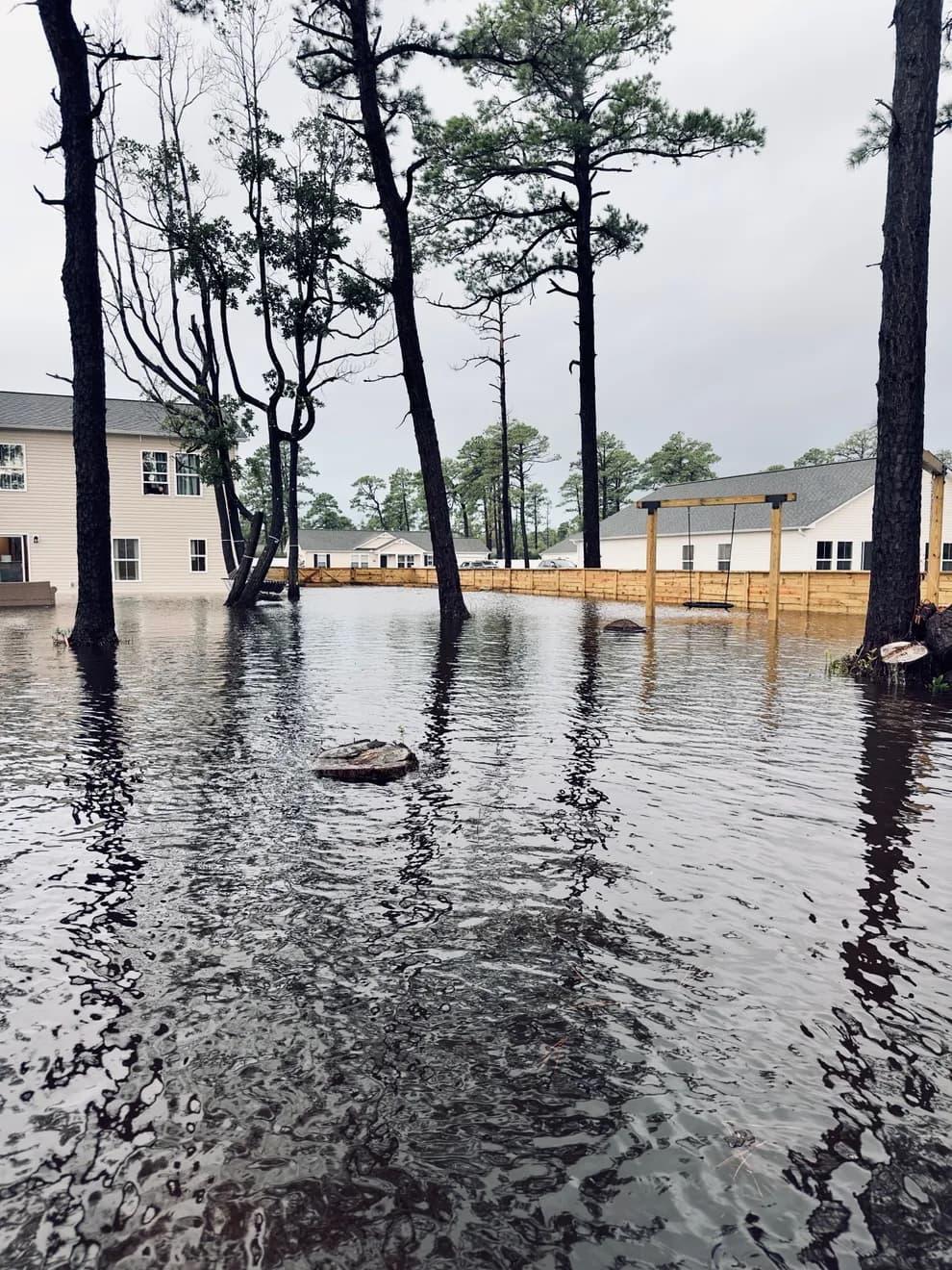
In Boiling Spring Lakes, North Carolina, residents of a development called Highlands suddenly found their neighborhood underwater when a storm unexpectedly dumped 20 inches of rain on the area in October 2024.
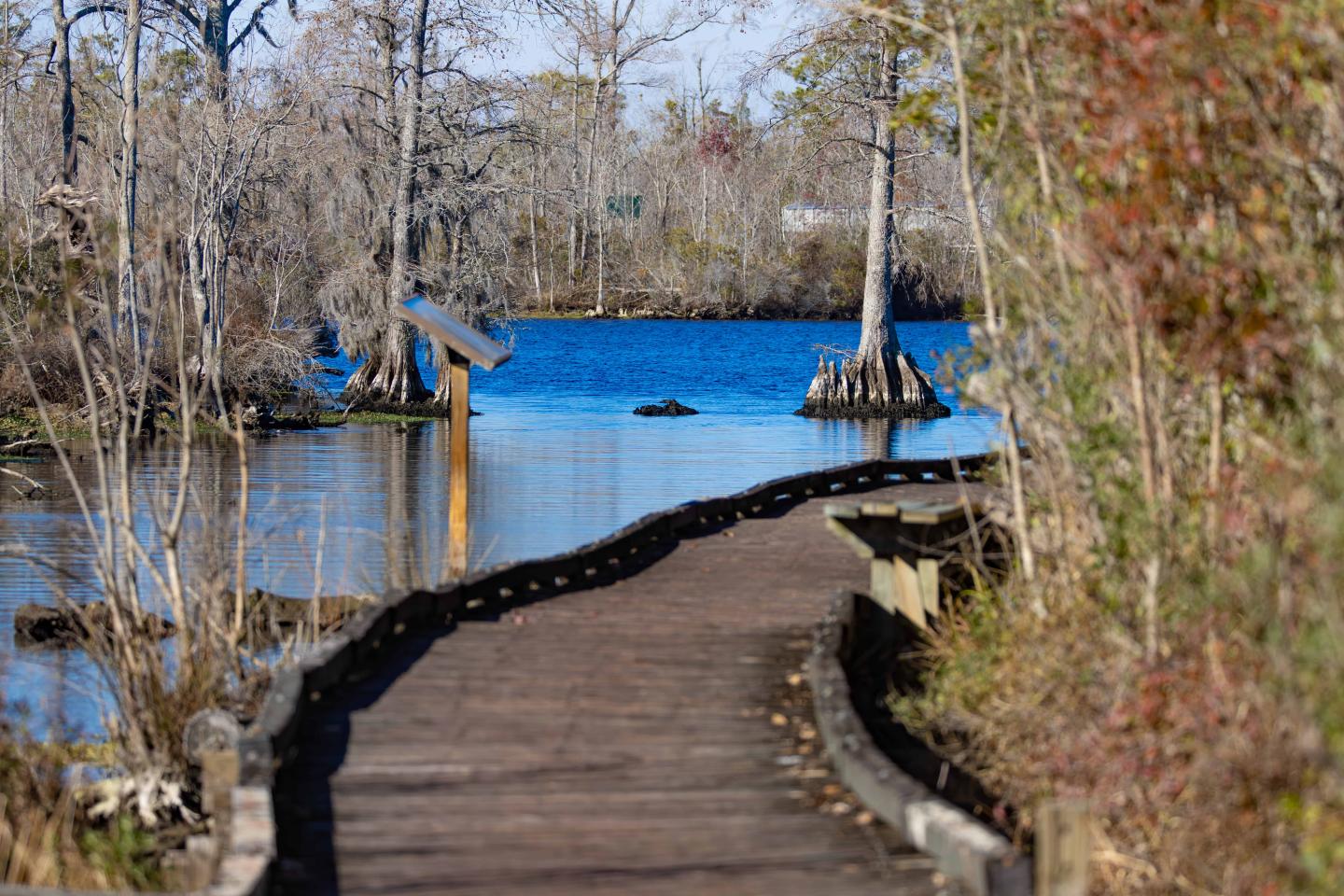
“This part of the state naturally has many piney wetlands known as pocosins, which act as natural storage reservoirs during storms. These wetlands aren’t usually covered with water — so they’re like sponges or buckets, ready to fill when it rains,” says Raleigh-based EDF ecologist Adam Gold, who studies flooding. “But many of these drier, disconnected wetlands have been drained and are increasingly at risk of development, and that reduces the ability of communities to handle these rain bombs.”
The torrential rain in the Highlands community overwhelmed the local drainage system. Floodwater poured into kitchens and living rooms and turned streets into rivers. Some residents were forced out of their homes for weeks or months. (After a lawsuit, the developers, the city and the homeowners’ association jointly agreed to improve the drainage system.)
The new EPA proposal would strip Clean Water Act protections for wetlands like pocosins, which are wet — possibly very wet — only part of the year, and not visibly connected at the surface to another body of water. In fact, the vast majority of wetlands across the country would not meet this arbitrary, nonscientific “wetness” standard, says Gold.
Most wetlands are dry for part of the year and are only connected to other bodies of water underground, not at the surface.
“That doesn’t make them any less valuable,” says Gold. “All wetlands provide benefits for downstream flood reduction, wildlife habitat, carbon storage and water quality. And some of the wetlands that are the most beneficial per unit area are the smallest, disconnected ones.”
- Wetlands are worth protecting because they protect us
- Wetlands are good guys in the fight against climate change
Flooding is the costliest type of disaster in the U.S.
Paving over millions of acres of wetlands would increase flood risks at an already risky time. As climate pollution warms the air and oceans and alters rain patterns, heavy rains and big storms are becoming more frequent. The storm that deluged Boiling Spring Lakes was the second so-called “1,000-year” storm to hit the area in less than 10 years — since Hurricane Florence in 2018.
After the storm, Andrew Bussell, a retired roofer who’s lived in the area for more than 40 years, drove out to see what happened to Highlands. “I knew it would flood because I’ve seen it flood since I was a kid,” says Bussell. “I don’t know why anyone would build there.”
On federal flood risk maps, which don’t account for flash flooding from intense bursts of rain, the expected uptick in storms due to climate change, or the decrease in wetlands, the Highlands area is designated as Zone X: minimal risk.
“When we purchased this home, we were told that we are not in the flood zone and that there was not any need for flood insurance,” resident Barbara Umensetter, whose home was severely damaged by the flooding, told local media last year.
In November, the online real estate service Zillow removed flood risk ratings provided by the nonprofit First Street Foundation from its listings, in response to complaints from the real estate industry that the information was deterring buyers. First Street’s ratings evaluate risk factors that FEMA does not, such as extreme rain and climate change.
(Video courtesy Andrew Bussell, Scrappin' with Grandpa)
Wetlands need protection so they can protect us
The lure of waterfront living is strong, and development is lucrative. If the Trump EPA moves forward with its proposal, half of U.S. states would have little to no wetland protections to deter risky housing development. Today, about 24 million people already live in flood zones that have been identified by FEMA or EPA estimates. But with millions of acres of wetlands possibly opening to development, and heavy rains becoming more frequent, the number of people at risk of flooding is likely to be much higher.
North Carolina recently weakened its state wetland protections to align with federal Clean Water Act protections. Today in Boiling Spring Lakes, right next to Highlands, where houses are still under repair after the flooding, a new residential development is being built.
Because this land isn’t covered by water nearly all the time, it would not qualify for federal Clean Water Act protection and would not trigger any required action by developers to minimize impacts to wetlands.
“This used to be a tiny town,” says Bussell. “Now they’re building condos and townhouses and houses on top of houses.”
The more housing built on wetlands, the more costly the damage will become when the wetland gets wet.
“Wetlands are an important line of defense for flood-prone communities,” says McDow. “This proposal puts people, drinking water and wildlife at risk.”