
This Houston neighborhood may have found the key to adapting to climate change
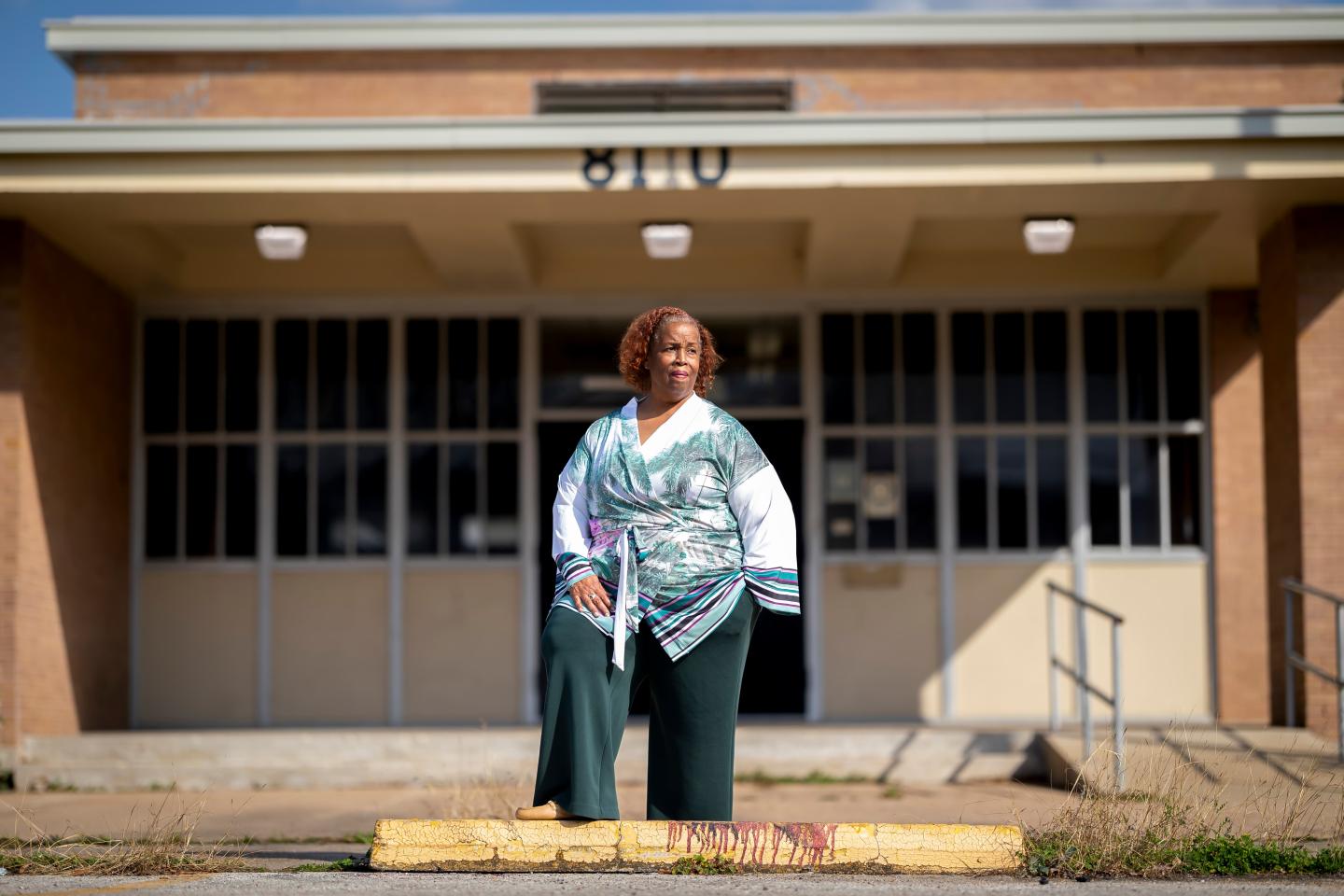
Huey German-Wilson is a longtime resident of Houston’s flood-prone northeast side. Over her 30 years there, she has lived through dozens of disasters and major floods. “We always just reacted in the moment,” German-Wilson says. “There was no disaster plan.”
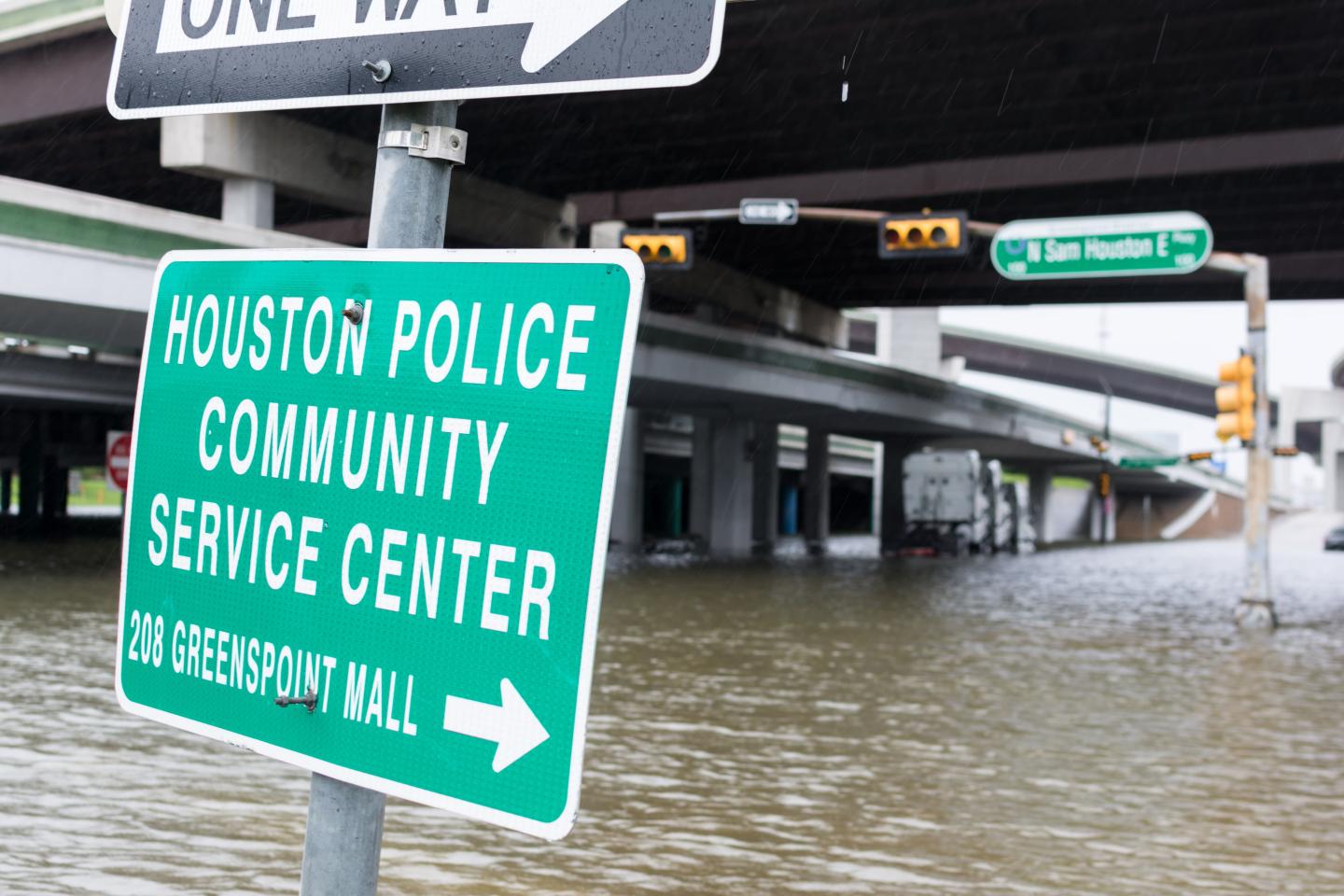
But when flood waters inundated about half of the homes in Houston’s Kashmere Gardens neighborhood during Hurricane Harvey in 2017, families had nowhere nearby to shelter, charge phones or even get basic information from city officials.
“People were being sent to far-away locations that didn’t have enough resources and weren’t built for long-term recovery,” says German-Wilson, a founder of the Northeast Houston Redevelopment Council, a grassroots organization that works to strengthen Houston’s northeast neighborhoods.
German-Wilson and other local leaders are now reimaging disaster preparedness in Houston by setting up strategically placed “resilience hubs.” It’s a hyperlocal solution, but with a game-changing vision — to strengthen communities before disaster strikes, rather than just focusing on triaging after the fact.
What are resilience hubs?
“Resilience hubs are trusted, centrally located spaces where people living in vulnerable areas can go to get help, both when preparing for a disaster and afterward,” German-Wilson explains.
Some hubs are inside churches; others are in community centers; a few are even in private homes equipped with solar power and generators. Unlike traditional emergency shelters, these hubs are designed to meet the specific needs of the local community.
On Houston’s northeast side, an area with many older homes, low household incomes and limited access to healthcare, residents said they needed more places to prepare before storms, safe places to shelter during disasters, a convenient distribution center for food, water, and clothing, and help applying for FEMA or housing assistance after a disaster.
To meet these needs, the Northeast Houston Redevelopment Council worked with partners to purchase a 62-year-old former elementary school to serve as a resilience hub — a massive concrete structure that has never flooded, not even during Harvey, which dumped a record-breaking 70 inches of rain on Houston.
“It’s a gamechanger for us,” German-Wilson says.
She hopes the new hub will solve a problem her organization has tried to tackle for years: “How do we identify medical needs, housing issues and connect families to help, not just for one week, but for the long haul?”
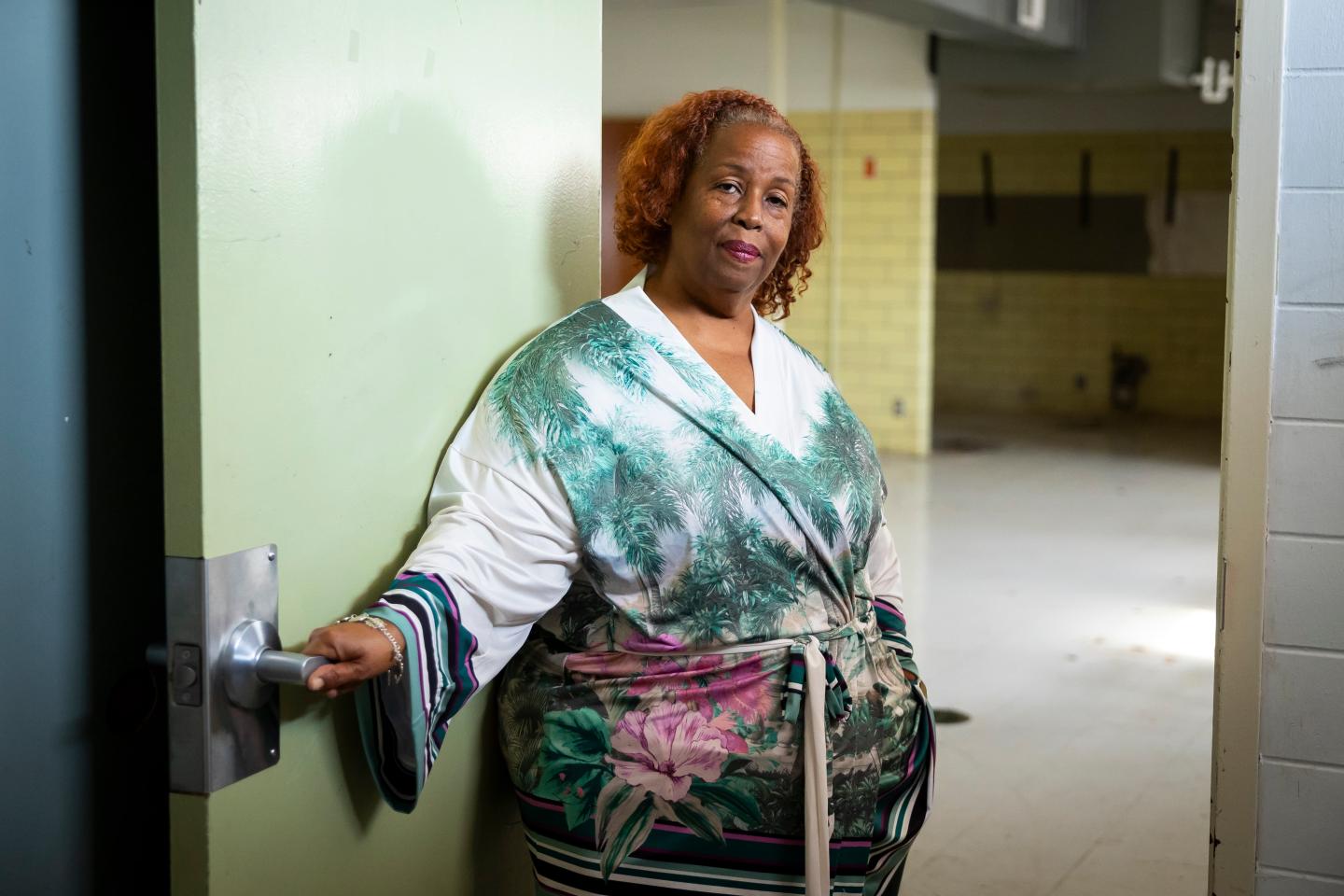
“Communities that are connected and help one another before a crisis are more resilient because they’ve already built the social muscle it takes to survive and recover together,” explains Grace Tee Lewis, a health scientist at the nonprofit Environmental Defense Fund.
Lewis has been helping connect the Northeast Houston Redevelopment Council with other Houston-based community groups and health providers to form a coordinated disaster response network. The goal is to include a health clinic inside the former school that offers both sliding-scale and free care all year round. The area has lacked healthcare access since its nearest hospital closed in 2014.
A model for the future
What’s happening in Houston isn’t a one-size-fits-all solution.
“This work is about relationships and trust, and meeting people’s actual needs,” says Denae King, associate director of the Bullard Center for Environmental and Climate Justice. “That varies by community.”
Still, as climate change makes disasters more frequent and more dangerous, Houston’s resilience hubs offer a model for other communities to reimagine disaster preparedness not just as surviving a single storm — but as building a support network so that residents are in a stronger position to weather any storm.