
Good climate news: October 2026
Fighting for the planet isn’t easy. These wins prove it’s worth it.
Yet another court rules yet another Trump order illegal
A federal appeals court has declared a Trump Department of Energy order to keep a coal-fired power plant open past its scheduled closure is illegal.
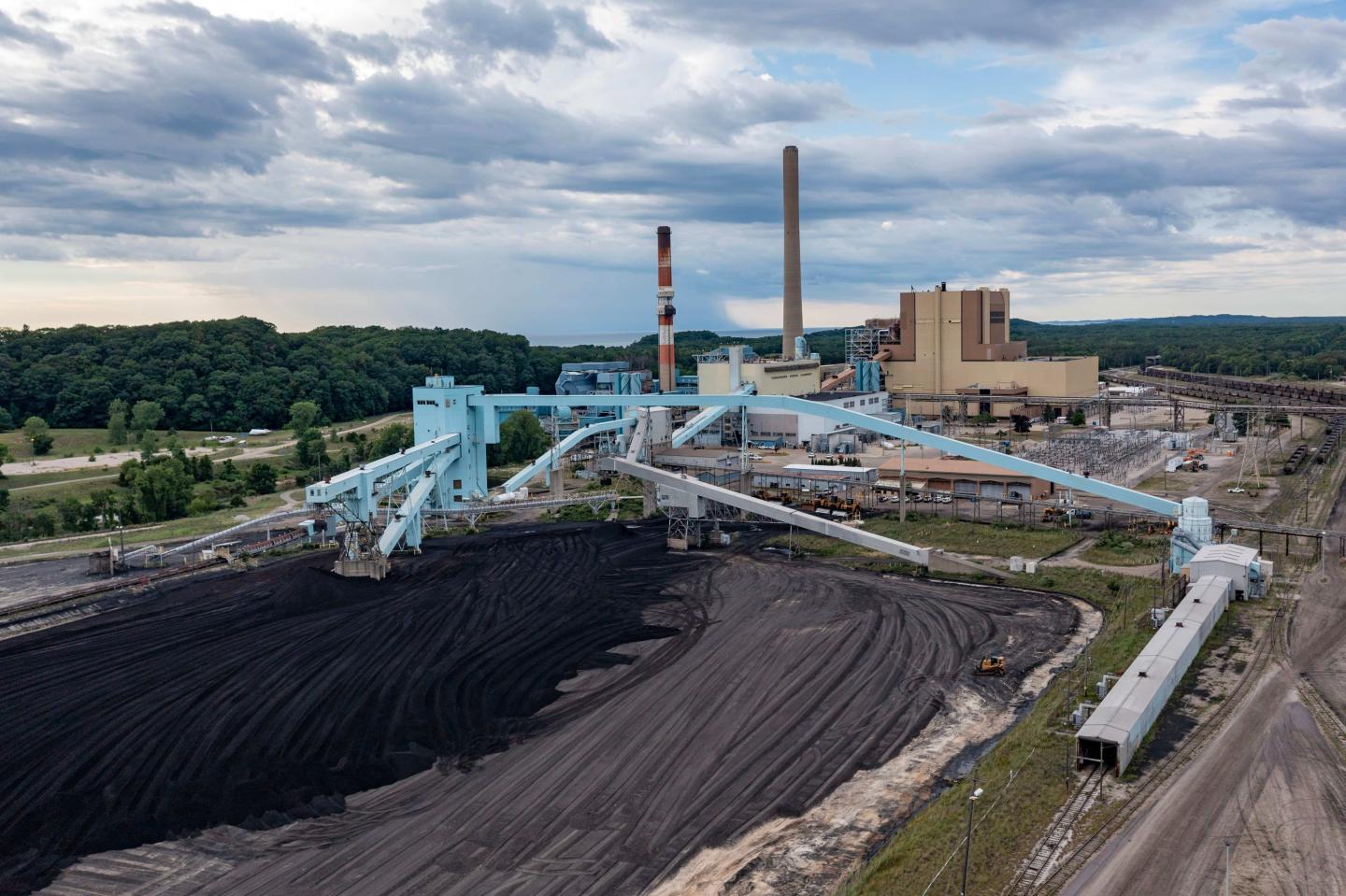
Back in May 2025, the DOE issued an emergency order for the J.H. Campbell coal power plant in Michigan to remain open despite plans for it to close the next week. Since then, the Trump administration has issued five more “emergency” orders to keep the plant up and running.
The D.C. Circuit Court of Appeals, however, ruled that there was no emergency and keeping the plant open was illegal.
U.S. power plants are one of the world’s largest sources of climate pollution. Pollution from the Campbell plant alone is responsible for 44 premature deaths annually, along with 18 heart attacks and 455 asthma attacks each year. Keeping the aging plant open instead of replacing it with more economical, cleaner power as planned is costing customers $650,000 a day.
The Trump administration has issued similar orders for multiple fossil fuel power plants, racking up costs for consumers. Ted Kelly, lead counsel of Environmental Defense Fund, calls the court’s decision, “a powerful precedent that will be invaluable in defeating these emergency orders nationwide.”
London air keeps getting cleaner
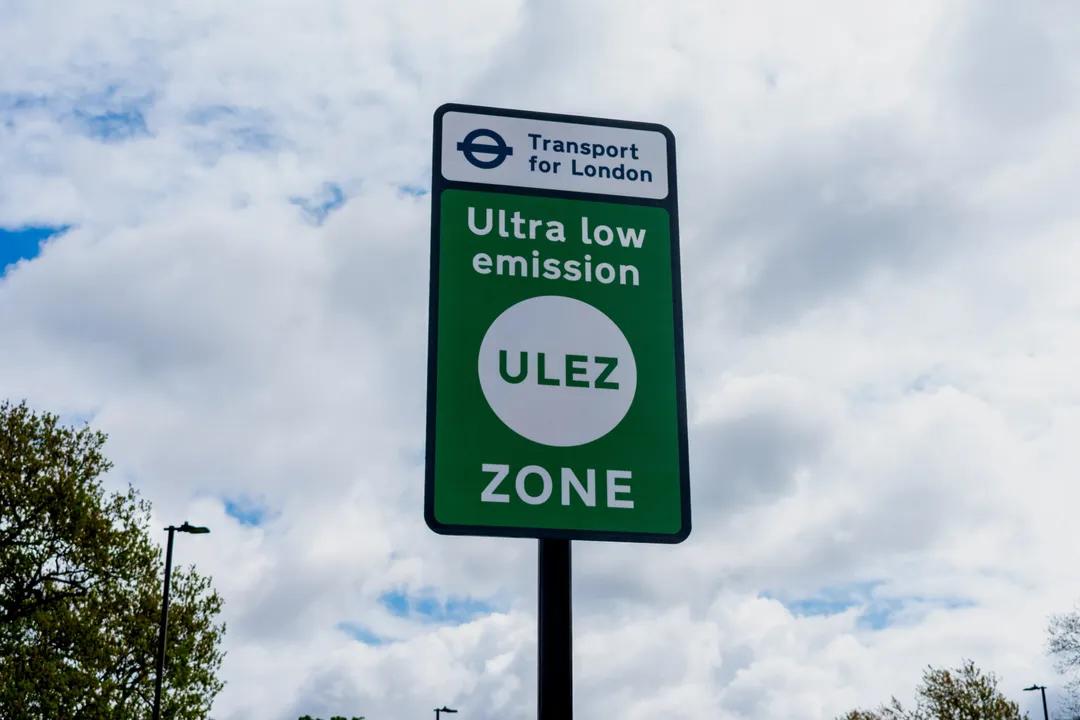
Emergency hospital visits in central London are down thanks to an effort to cut air pollution.
Since 2019, highly polluting vehicles have paid a fee to enter London’s Ultra Low Emissions Zone, as part of an effort to reduce toxic nitrogen dioxide emissions from vehicle tailpipes. Researchers from Imperial College London recently reported that the zone is responsible for an 8.1% reduction in cardiovascular disease and a 6.2% reduction in respiratory disease.
The London ULEZ has been used as a model by other cities around the world to help reduce toxic air pollution.
Salmon do call it a comeback
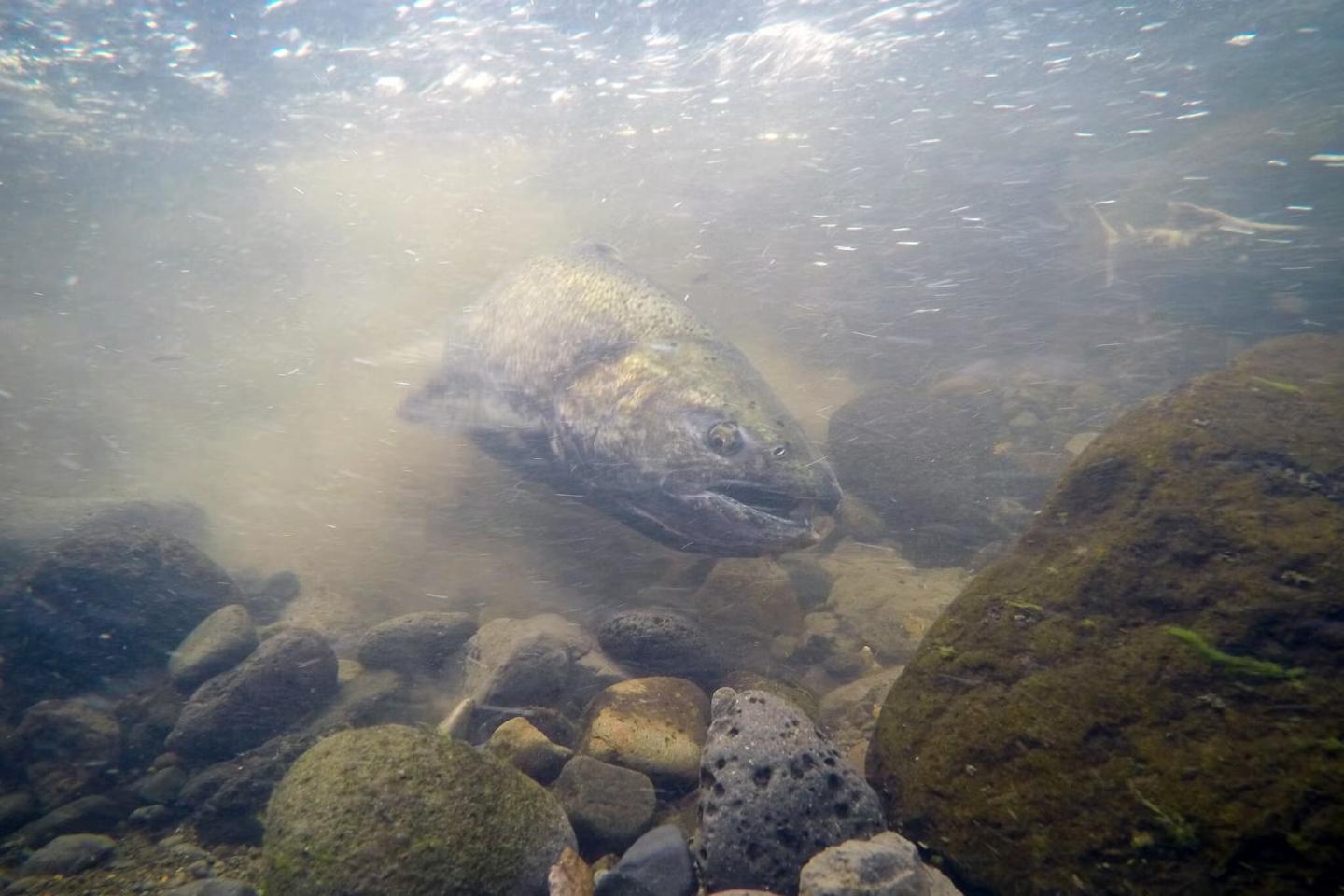
Chinook salmon are having their day in the stream following the removal of several hydroelectric dams on the Klamath River in Oregon and California.
After the final dam was removed in 2024, the number of chinook salmon swimming upstream the following year increased 72% — a finding that shocked and delighted researchers (and we can only assume, the salmon, too).
The resurgence of salmon is an encouraging sign of recovery for the river ecosystem.
But you know who really loves a thriving salmon population?
Chunky champion crowned in Fat Bear Week
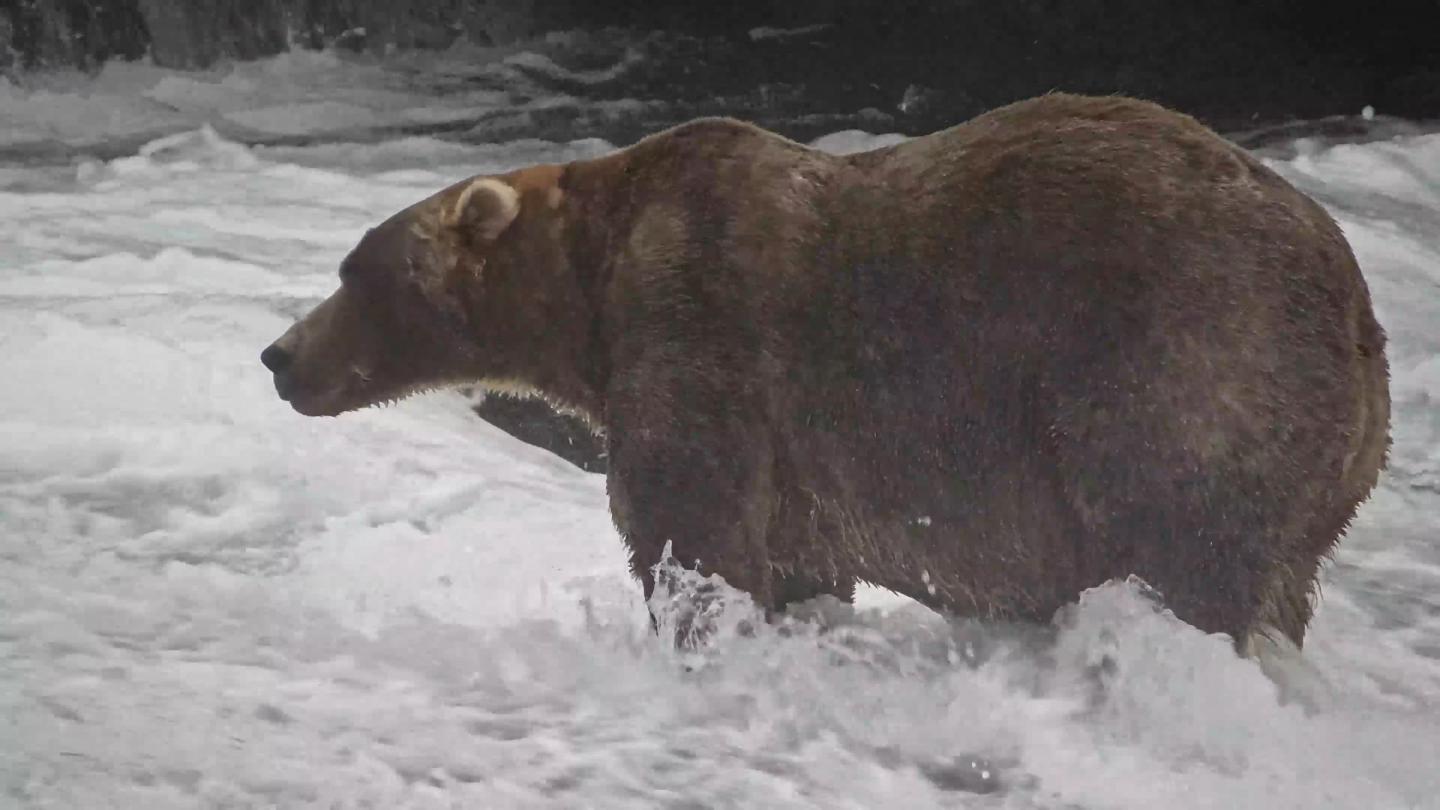
Fat bear fans rejoice, for 2026 has a new Fat Bear Week champion. Meet Backpack, the plump prize-winner for the annual competition, in which the public votes for their favorite burly brown bear at Alaska’s Katmai National Park.
The contest for the best bulky bear started in 2014 and has blossomed into an internet sensation, with fans casting 2.7 million votes for their favorite heavyweight heroes this year — nearly a million more than 2025’s total.
Backpack got his nickname as a cub, from park rangers who observed that he liked to ride on his mother’s back across Brooks River. (His mom, Holly, was the 2019 Fat Bear Week winner, making Backpack a nepo-cub.)
Today, he’s known as a gentle giant who avoids conflict and is often seen perched on a rock downstream.
Fat bears aren’t just fun to look at. Bears are best able to pack on the pounds they need for hibernation when forests are healthy, and a healthy forest helps store carbon and slow climate change.
Now, please enjoy this video of Backpack: