
Clean energy could lower electricity costs — if the Trump administration would stop blocking it
Americans are paying more for energy. Last year, electric bills rose 18% nationwide, according to data from the U.S. Energy Information Administration.
And there is no end in sight.
U.S. demand for electricity is expected to grow twice as fast over the next five years as it did over the previous decade.
The demand boom is being driven, in part, by the rising number of data centers being built to power artificial intelligence, as well as other industrial growth and more frequent days of extreme heat, according to the International Energy Agency.
Clean energy is the cheapest way to meet rising electricity demand
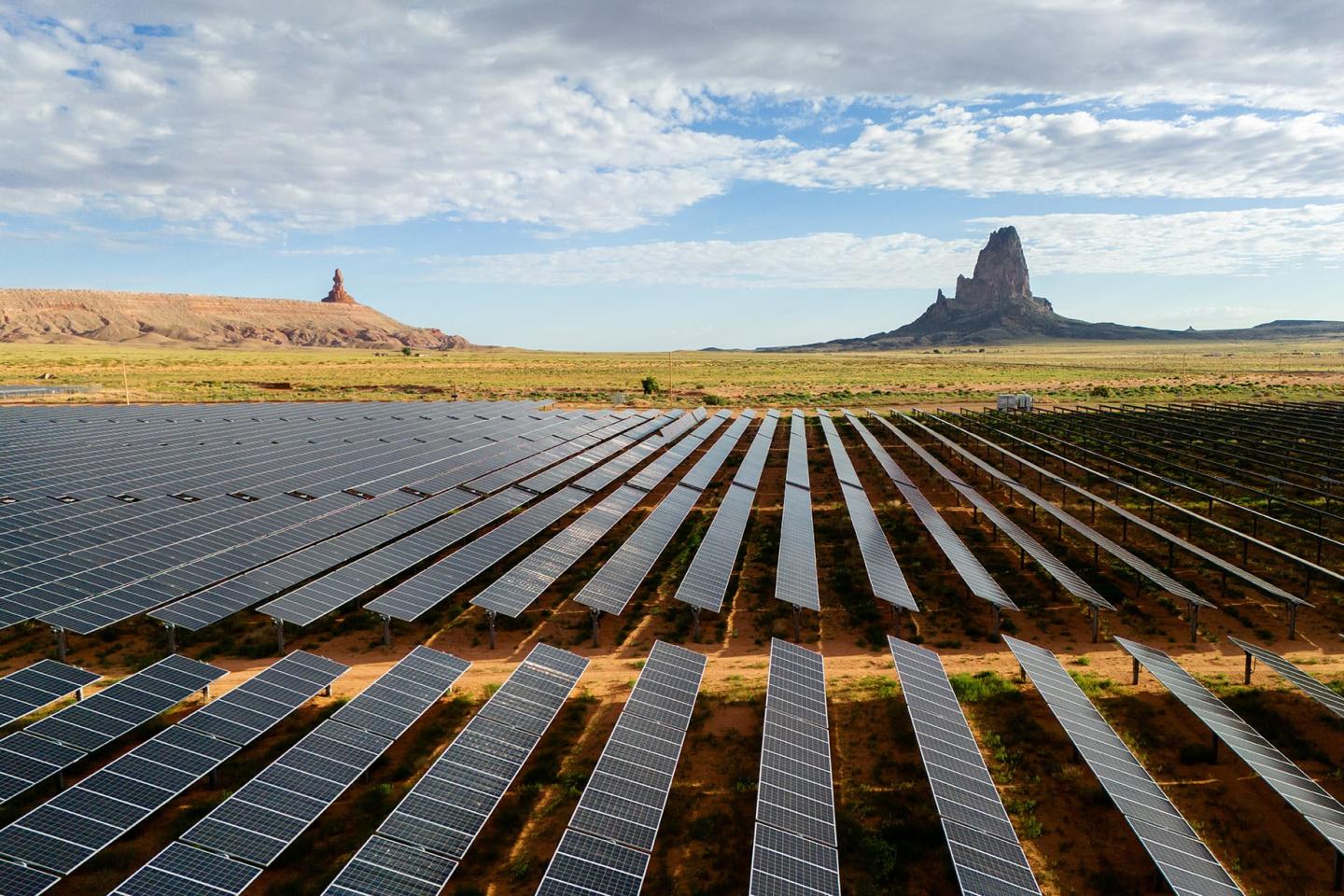
Thanks to advances in technology, new solar and wind projects are now the least expensive — and fastest — way to add electricity to the grid. The global average electricity generation cost from solar is 41% cheaper than the lowest-cost new fossil fuel-fired power plant, while onshore wind is 53% cheaper.

The market has already been adapting to the lower cost of clean energy.
According to a new report by Atlas Public Policy and Environmental Defense Fund, clean energy accounted for roughly 90% of all new power capacity brought online in the U.S. last year.
Solar and batteries are leading the way. Together, they make up 85% of planned and under-construction clean power.
“Clean energy sources like wind, solar and batteries are dominating new additions to the grid because they are the most affordable sources of energy and relatively quick to build,” says EDF’s Grace Hauser, a technical analyst who contributed to the report. “At a time when energy demands and people’s power bills are both skyrocketing, we need all the clean, affordable energy we can get.”
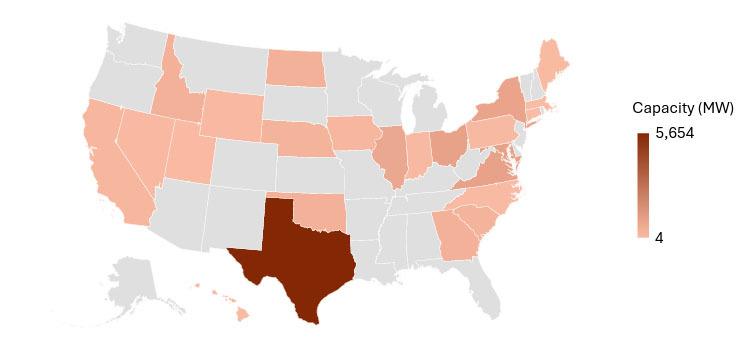
The state topping the list of clean energy leaders is, surprisingly, oil-and-gas-rich Texas. With 162 gigawatts of clean energy either existing, planned or under-construction — enough to power 50 million homes — Texas has more than double the clean energy capacity of California, the next highest state.
Even in the heart of America’s oil and gas industry, clean energy is cheaper and faster to deploy.
Environmental news that matters, straight to your inbox
The Trump administration is blocking affordable energy
But market momentum for cheap, clean energy has been colliding with barriers put in place by the Trump administration, including policies that block permits and approvals for clean energy projects, the cancellation of federal funds, freezing of existing federal permits for offshore wind projects, and cuts to clean energy tax credits.
Atlas Public Policy and EDF researchers found that more than 60 gigawatts of new clean power, which could power about 18 million homes, was expected to come online in 2025. But 20% of clean energy projects were delayed. Others were canceled altogether, with offshore wind projects facing the highest cancellation rate.
The latest wind project cancellation by the Trump administration made headlines for its brazen use of taxpayer dollars. On March 23, Trump’s Department of Interior finalized a deal to pay a French company $1 billion to walk away from the federal offshore wind leases that it secured during the Biden administration. The company, TotalEnergies, agreed, and will instead double down on investments in oil and natural gas — despite fossil fuels being the more expensive, more polluting, way to make power.
“It’s an outrageous misuse of taxpayer dollars to prevent Americans from having clean, affordable power exactly when they need it most,” says EDF clean energy expert Ted Kelly.
Ted Kelly Director of U.S. Clean Energy, EDFIf we want to keep electricity prices down, clean energy is simply the best, most affordable way to go. Clean energy is cheap energy.
Clean energy delays are disproportionately hurting Republican districts
About 80% of existing, planned and under-construction clean energy projects are in Republican congressional districts. These districts, which once stood to gain the most from clean power projects, are now most exposed to lost investments.
Texas has been hit especially hard by clean energy project cancellations, losing $1.8 billion in projects that could have powered millions of homes and created thousands of jobs.
“The Trump administration’s efforts to block clean energy projects and mandate the use of costly, polluting fossil power plants go against the market, and burden families with higher costs and more air pollution,” says Hauser.
Clean energy, not oil and gas, offers the most economical way forward
About 217 gigawatts of clean energy capacity — enough to power about 65 million homes — is still planned or under construction in the U.S.
That’s nearly five times the number of fossil fuel projects in the works, although the Trump administration is actively trying to tip the balance back toward costly, polluting fossil fuels. Notably, they have been losing in court. Five offshore wind projects targeted by the administration with “stop-work” orders have since had them overturned, allowing several to start providing energy to the grid.
“If we want to keep electricity prices down, clean energy is simply the best, most affordable way to go,” says Kelly. “Clean energy is cheap energy.”