

Coal plant forced to remain open because of energy “emergency” hasn’t generated any power
Washington state’s last remaining coal-fired power plant hasn’t generated meaningful electricity since January. Yet electricity customers in the Northwest are on the hook for the $20 million cost of Trump administration orders to keep the plant open.
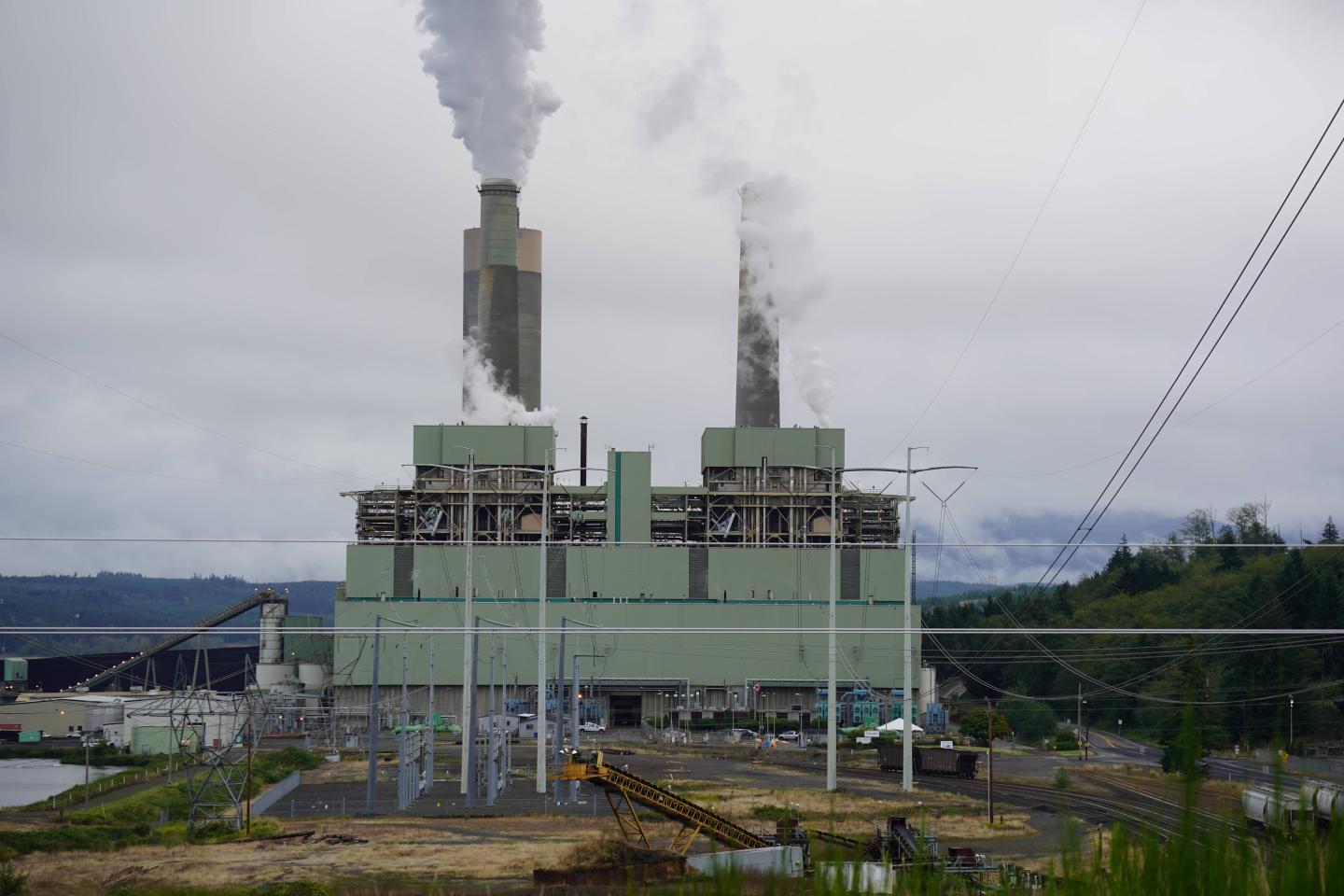
The Centralia plant is one of several old coal-fired power plants forced to keep running past its planned retirement date by the Trump administration. The Department of Energy issued the first order just days before the plant's long-anticipated closure last December, claiming a looming winter energy emergency which never materialized.
To date, the administration has issued three illegal 90-day emergency orders to keep the plant operational. The plant has not yet been called upon to produce any electricity.
“If this coal plant is supposedly essential to keeping the lights on, then why has it been sitting idle while families and businesses pay the enormous costs of keeping it online?” said Ted Kelly, lead counsel at the global nonprofit Environmental Defense Fund. “The data proves that forcing this coal plant to stay open is just a wasteful charade.”
Coal power is costly
Even though the plant hasn’t been running, the cost of keeping it open is likely to up on consumers’ electricity bills, said Kelly.
“Keeping this plant online and ready to generate power at a moment’s notice is likely costing hundreds of thousands of dollars every day,” said Kelly. “The operator would have had to ship in more coal, pay staff to be on site and make repairs to equipment, which wouldn’t have happened if the plant had been allowed to shut down as planned.” The Centralia plant isn’t the only aging power plant racking up needless costs. Since May 2025, the Trump Department of Energy has ordered at least six coal-fired power plants and one oil and gas plant to remain open past their planned retirement dates.
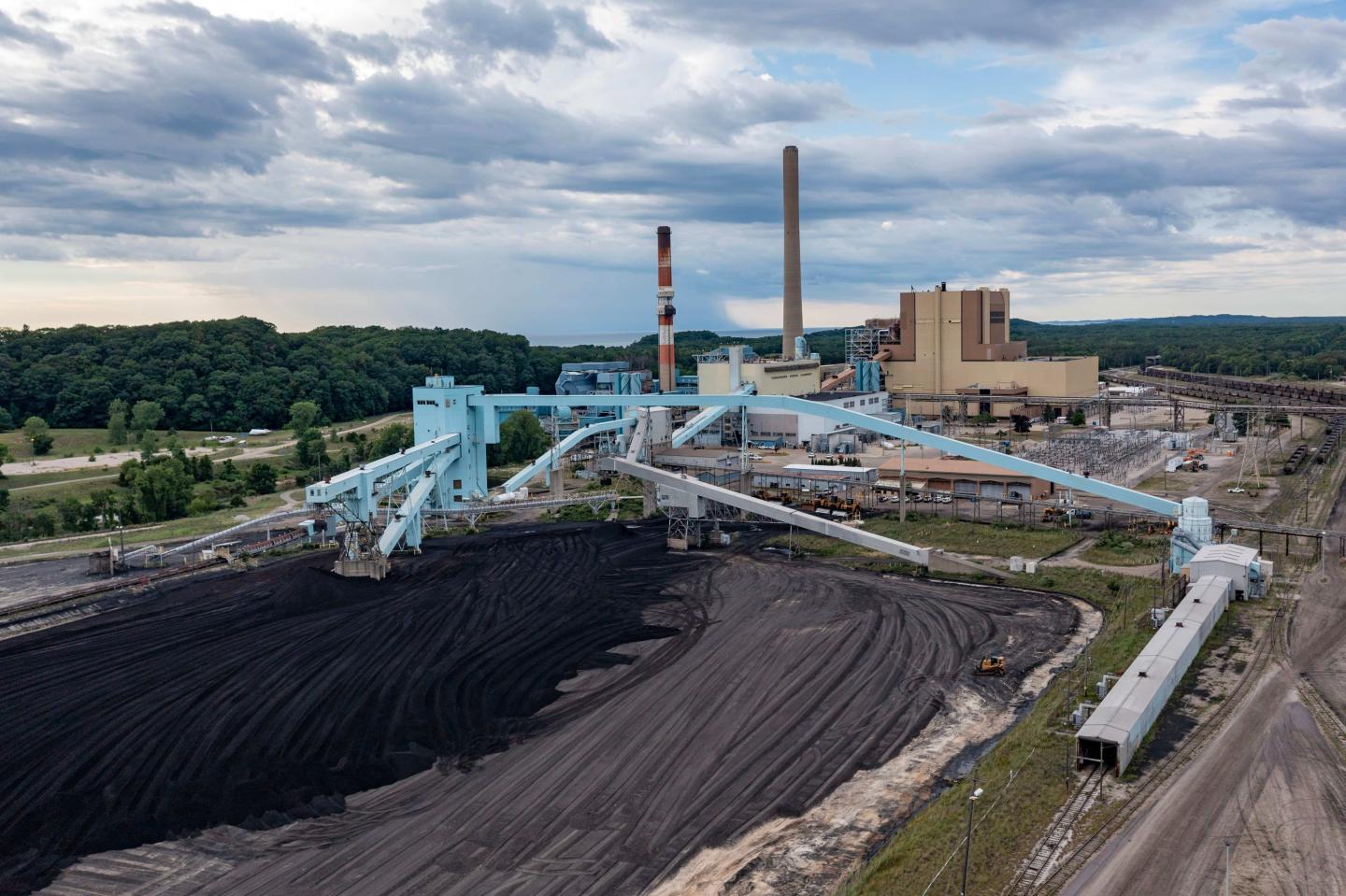
One of them, the Campbell coal-fired power plant in Michigan, costs a staggering amount to keep open: more than $650,000 a day. That’s a net cost, accounting for what the plant recoups by selling the power it generates. Since May 2025, when it was first ordered to remain operational, keeping Campbell open has cost $259 million. Campbell has already filed costs to be distributed across its customers in 11 states.
According to federal filings, the Centralia plant's owner, TransAlta, is seeking to recover $19.9 million from ratepayers to cover the cost of staying open during the first 90-day period alone. The company estimates it would need to spend an additional $23 million to repair the plant if additional emergency orders are issued.
And there’s another cost: potential power disruptions. The Centralia plant was planning to convert to a gas-fired plant by 2028. But the extensive construction work needed to convert the plant from burning coal to using gas can’t begin while the plant is forced to remain on standby.
Plant operators indicated that the first 90-day order to stay open back in December wouldn’t significantly interfere with its plans, but warned that any extension of this order could cause significant delay — and could translate to power disruptions for customers in the future. In March, the plant received a second 90-day order to remain open.
“The irony is that in forcing this 50-year-old plant to be on indefinite standby for some imagined grid reliability emergency, the Department of Energy is potentially creating an actual grid reliability issue down the line by delaying the plant’s conversion,” said Kelly.
The only bright spot is that since the plant isn’t burning any coal, it isn’t generating any air pollution. Centralia had been the state’s single largest source of health-harming sulfur dioxide, nitrogen oxides and mercury pollution. Ratepayers near other coal-fired power plants ordered to remain open, are already seeing high utility bills and dirtier air.
According to public health experts at the nonprofit Clean Air Task Force, the Campbell plant in Michigan is responsible for 44 premature deaths annually, along with 18 heart attacks each year, 455 asthma attacks and more than 2,203 lost days of work.
Department of Energy facing multiple lawsuits
To keep the plants open, the Department of Energy is employing a little-used emergency authority.

Historically, these rare orders have applied only for brief periods, in the case of an extreme weather event or actual emergency, and only at the request of regulators or local operators. Multiple orders and repeated extensions, issued without or even against the recommendation of plant operators, are unprecedented.
EDF and a broad coalition of environmental nonprofits, state attorneys general, public health advocates and community groups are challenging these orders in multiple lawsuits, arguing that there is no emergency, and that the orders violate regional energy planning and impose unjustified costs on consumers.
“Once again, the Trump administration is forcing more coal on Americans despite it being the dirtiest and most expensive form of energy,” said Kelly. “This benefits no one and is costing the U.S. hundreds of millions of dollars.”