
How to cope with climate grief (and rage)
Standing up for clean air, clean water and a safe climate has never been easy. But right now, it feels harder than ever.

Seeing the Trump administration tear down hard-won protections as people suffer from pollution-related illnesses and weather disasters is emotionally bruising. And it’s just part of what feels like a never-ending cycle of chaos.
We asked Zen Buddhist priest and climate scientist Kritee Kanko, who runs healing workshops and retreats for climate and social justice activists through her nonprofit Boundless in Motion, for her guidance on how to cope.
How would you describe what many people concerned about climate change are feeling right now?
The pain we face today, since the last election — it’s through the roof. It’s layer upon layer of trauma. Many of the changemakers I work with are people of color, they are queer, they are young folks.
There is a lot of despair, and a sense of moral injury. There’s bewilderment over what’s happening. I see a kind of spiritual meaninglessness creeping in, and it’s affecting people’s personal relationships and trust in each other.
Environmental news that matters, straight to your inbox
How can people move forward when things seem so bleak?
There is a long list of things you can do in the moment, on your own.
Slow down, do long exhales, regulate your breath. Create time for laughter, movement, chanting, singing, drumming.
But those kinds of things, which help you regulate your nervous system, don’t necessarily help people gather the collective courage to do more. What gives us courage is our sense of belonging, our sense of having a community.
I feel that collective work really restores that sense of trust in life and relationships.
How do we build collective courage in the climate movement?
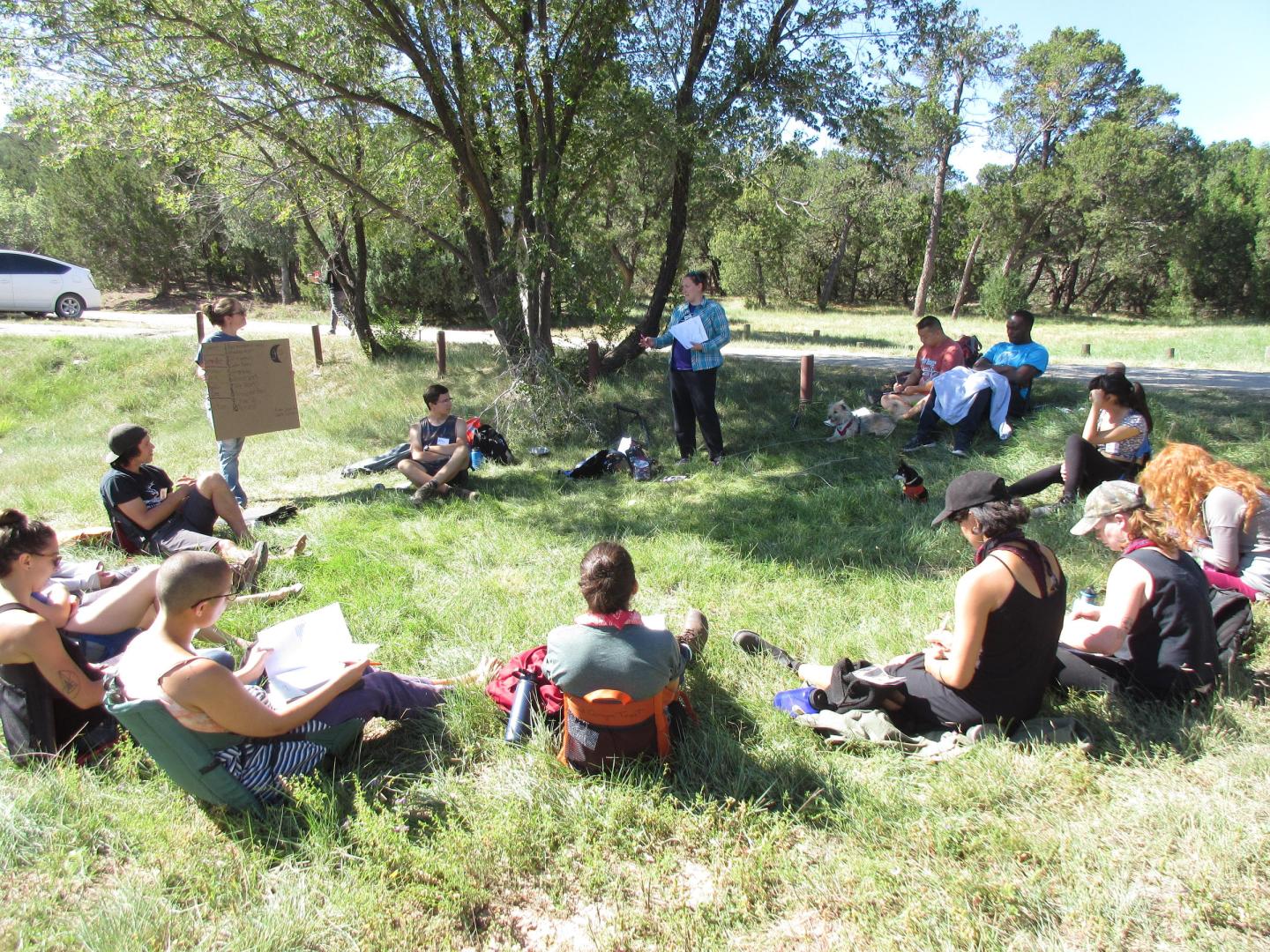
I’m a scientist — I love instruments and data. But I believe that spaces for grief and rage are missing from the mainstream climate movement. Emotions are powerful and can fuel our movement, but we need to get in touch with them so we can metabolize them. We don’t want them to fester— let’s compost them like beautiful garden clippings.
When we allow ourselves to name our emotions in front of a group, when we have space to relieve the angst in our bodies with tears, sounds, with movement, and feel seen by each other, that sense of moral injury goes down.
When we hear our community call us by name and say, “I see you, I hear you, I love you,” we feel belonging. That gives us the courage to pivot to, “Okay, I can go on. I don't know how far I'll go, I don’t know what the results will be, but I’ll do my part.”
How can emotions like grief and rage be useful for climate action?
I always tell people, don’t be afraid of emotions. Pain, grief and rage are not enemies. They give us clarity, resolve and courage.
I always want to invite folks, even if you don't go to a retreat or group session to address climate grief, journal about your pain, name your pain, honor your pain, and when possible, please talk to others about it.
Create these spaces where emotions are welcome because they can be our superpower. I always say that emotion is e-motion. It gets us to move! So don’t suppress what you feel. Underneath that grief and rage is love, and you can uncover it with the help of community. And together, we build collective courage to move forward.