Big polluters get exemptions. Your lungs don’t.
Some nights the flares that burn off excess toxic gases at the Indorama ethylene oxide plant in Groves, Texas, are so powerful they rattle the windows of the house across the street. Often — 500 times since 2003, state records show — the plant malfunctions and releases extra pollution beyond what its permits already allow.
Five hundred times.
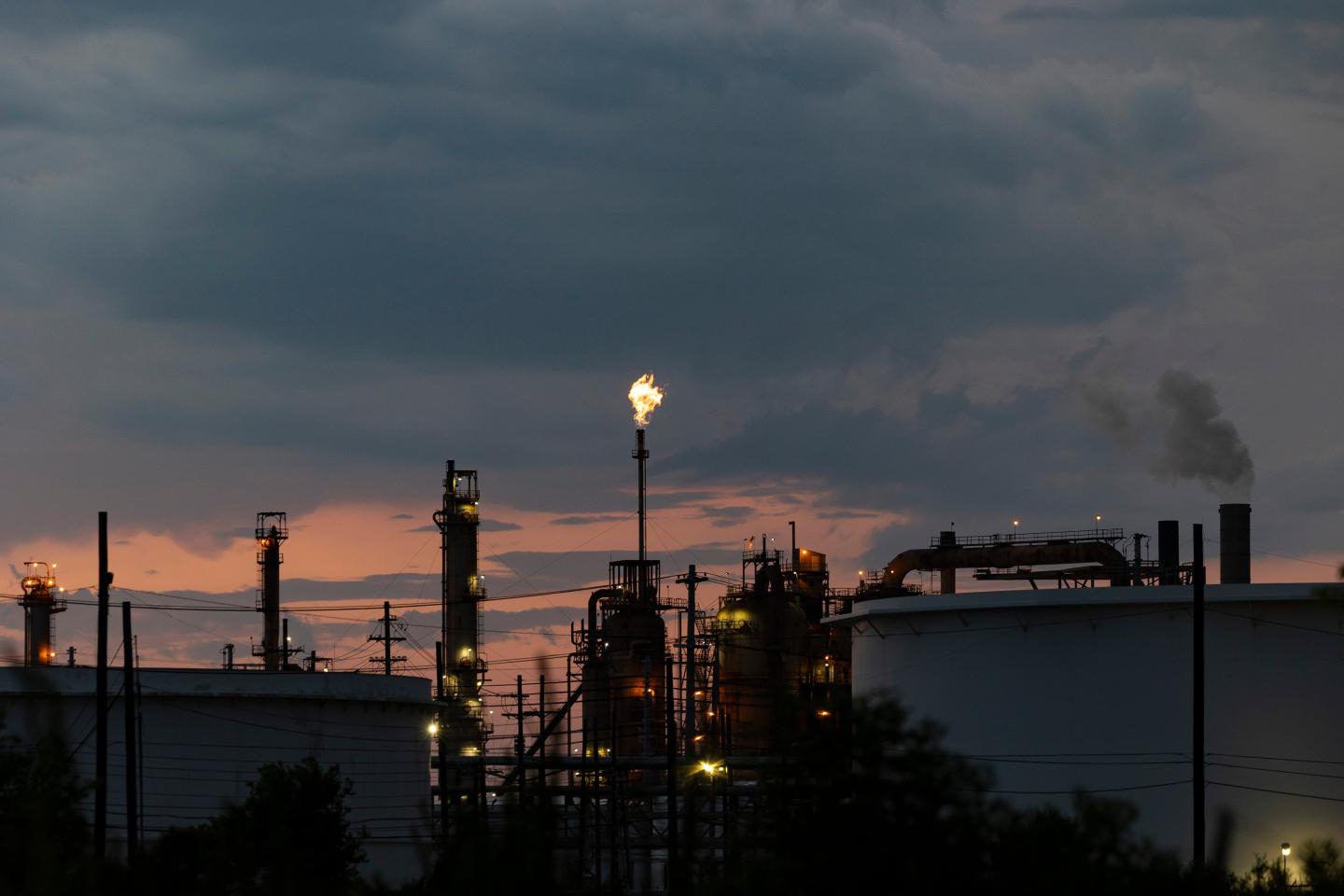
Not incidentally, a few years ago, the U.S. Environmental Protection Agency found that the cancer risk from ethylene oxide for people who live near Indorama was 20 times higher than the highest acceptable cancer risk.
Twenty times.
This is another way of saying that there’s already too much pollution in Groves. The community ranks in the 98th percentile nationally for vulnerability to cancer risk from toxic air pollution. But the plant was still given one of the Trump administration’s exemptions to ignore certain standards under our national clean air law.
A new investigation by The New York Times provides the most detailed look to date at how the exemptions came to pass, revealing the process through which the administration maneuvered to allow some of the country’s dirtiest facilities to do their worst, “prioritizing the economic interests of corporations and easing costs for polluting industries” at taxpayers’ expense.
We’ve sketched out that process before, here and here. Trump’s EPA set up a special email address and invited hundreds of facilities to ask for exemptions for all kinds of pollutants. One request was sent from an iPhone: “Hello, I am a gas company looking for an exemption. How do I start?”
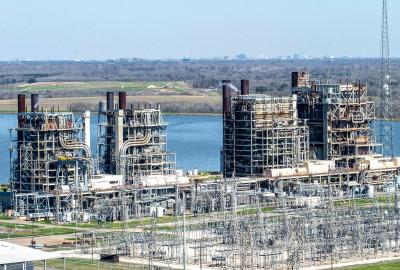
It didn’t take much more than that. Companies didn’t even need to make a case, as it turns out, as long as they invoked “national security” or claimed certain technology wasn’t “widely available.” As the Times reports, “The president approved [the exemptions] even though the equipment was readily accessible and the industry’s national security claims had little detail to substantiate them.” So far, 71 coal plants, 71 chemical plants, 40 medical sterilizers, 19 steel-related facilities and one copper smelter have received passes. At least 3.3 million people live within three miles of one of them.
And what’s more? Even after the supposed deadline came and went, industrial facilities didn’t stop asking, and the Trump administration didn’t stop handing out exemptions, records obtained through the Freedom of Information Act by Environmental Defense Fund show. “Giving companies a pass to delay long-needed, commonsense pollution controls puts more Americans in harm’s way,” Erin Murphy, an attorney at EDF, said.
(This article is excerpted from The Work, EDF’s free weekly newsletter on Substack. For more commentary like this, subscribe here.)