
Is your health valuable? The Trump EPA says it’s not.
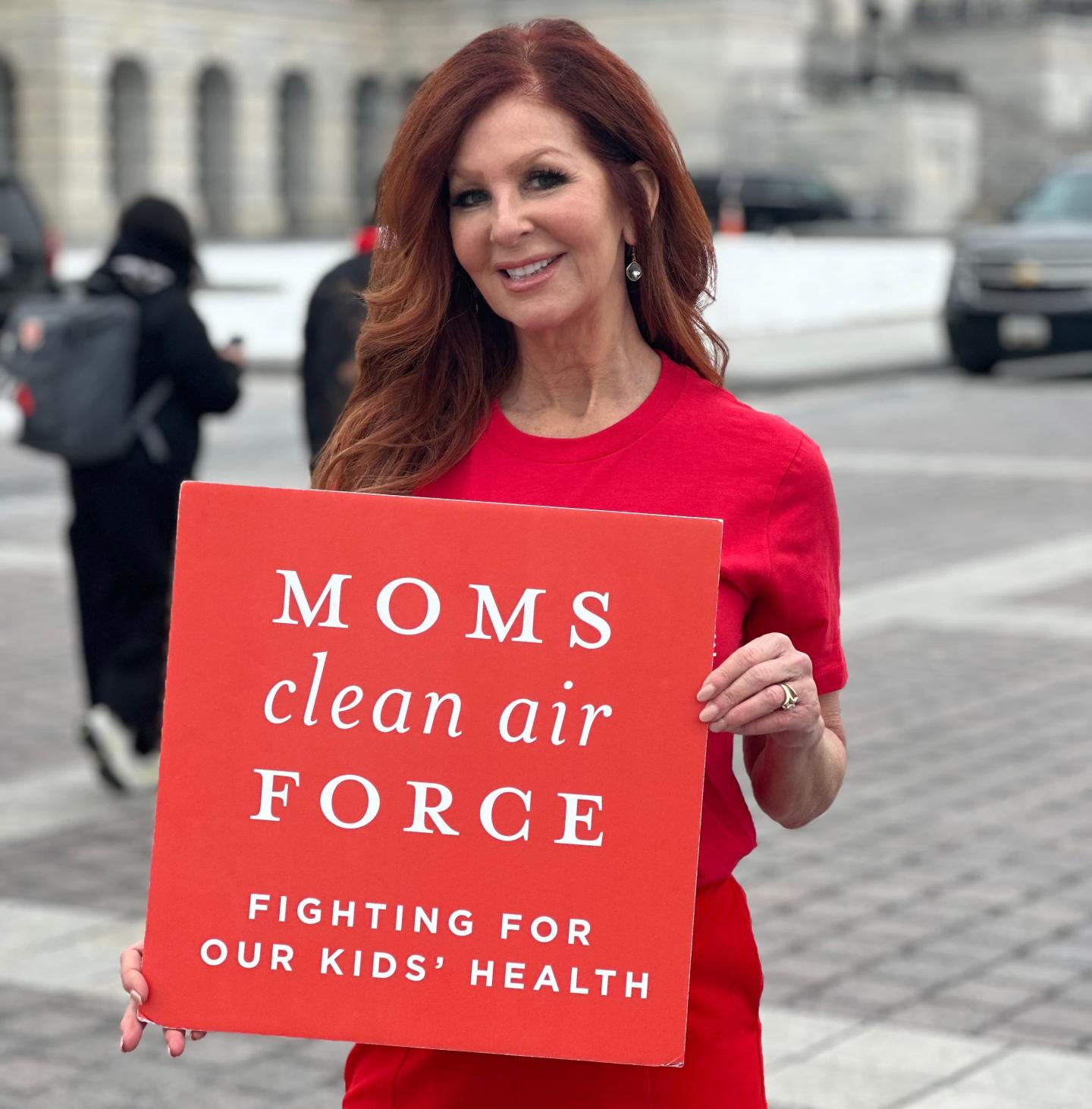
Jayne Black spent years paying for ER visits, doctors’ bills and expensive medication for her kids — not to mention paying the toll of sleepless nights and constant worry. Her son, Sam, has been battling asthma since he was just 7 years old. Black’s daughter Erin has multiple sclerosis and wears a mask almost all the time to protect herself from the bad air that worsens her symptoms.
“When you’ve seen your toddler’s lips turn blue because they can’t breathe, it’s not something you ever forget,” says Black.
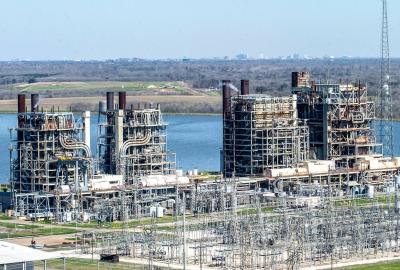
Both her kids, now adults, have lifelong health conditions that get worse with exposure to smog and soot-forming pollutants known as nitrogen oxides, or NOx. In January, the Trump EPA decided to allow more of this pollution from new gas turbines, which are used at power plants and other industrial facilities.
Black, now a field organizer in Wisconsin for the advocacy group Moms Clean Air Force, says it felt like “a slap in the face.”
Trump EPA puts $0 value on health benefits
The EPA stated that when analyzing the costs and benefits of its safeguards, it would no longer place a dollar value on health benefits — something the agency has done since the Reagan administration. However, it would still take into account the cost to industry to comply with clean air rules.
In essence, when measuring the worth of a health standard, the EPA will now ignore the value of lives saved, hospital visits avoided and lost work and school days prevented.
“This isn’t just tipping the scales in favor of polluting industries,” said Noha Haggag, a senior attorney at the global nonprofit Environmental Defense Fund. “The EPA isn’t lowballing benefits to human health — it’s ignoring them. It is completely arbitrary to only consider the cost of protections and not the benefits.”
For Black, counting costs to polluters but not to families cuts deep.
“By default, the value of a life saved is now $0,” she says. “My kids’ health and quality of life don’t matter. All the bills from the ER when my son couldn’t breathe are just part of the cost of doing business and can be dumped on families.”
EDF and a coalition of environmental and public health groups are suing the EPA challenging the new, weaker rule and the agency's unlawful decision to ignore public health benefits.
Environmental news that matters, straight to your inbox
Pollution limits produce health and economic benefits
As it happens, reducing air pollution is "highly cost-effective,” says Haggag. “Studies have shown that enforcement of the Clean Air Act results in $30 of health and economic benefits for every $1 spent on controlling pollution.”
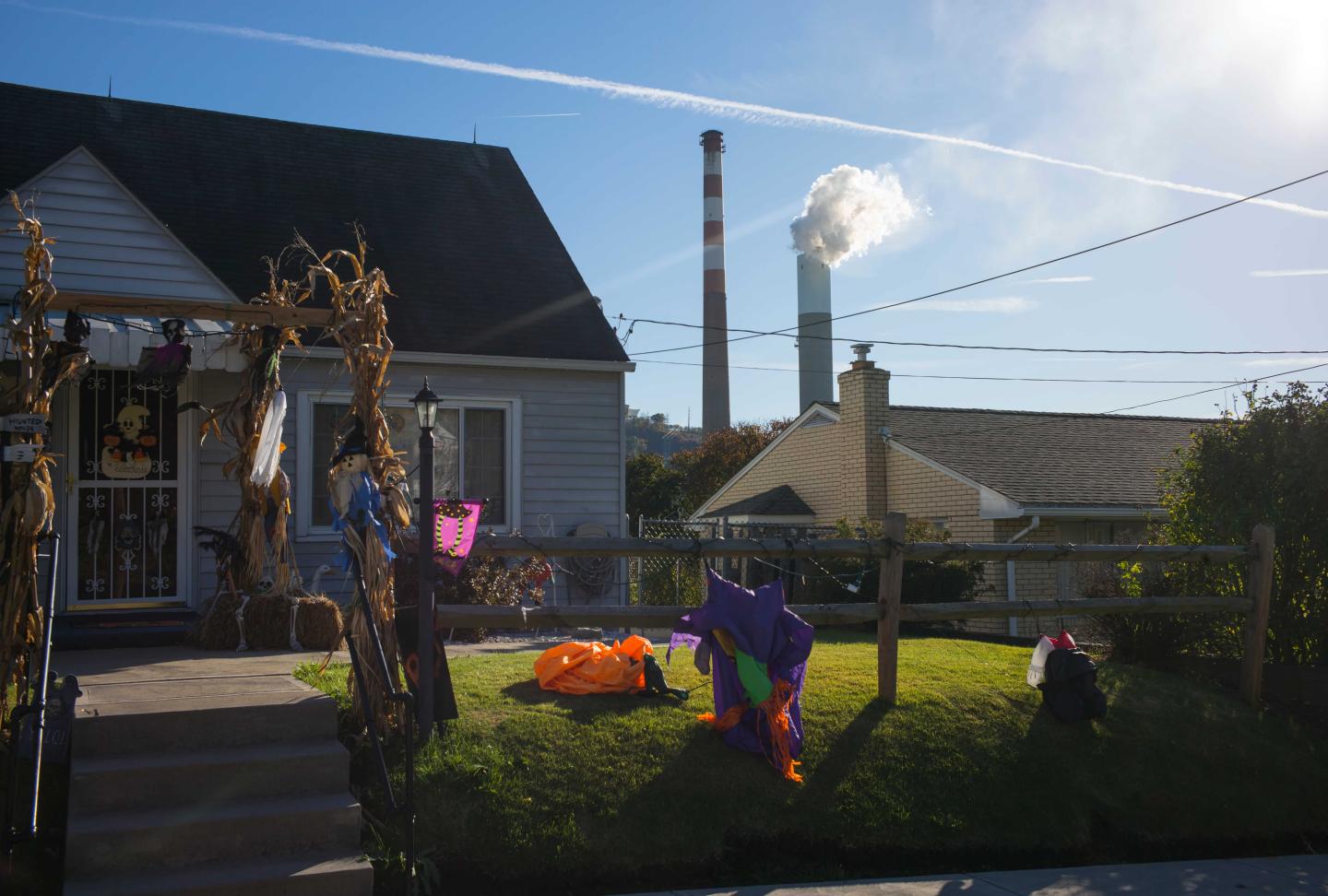
The Trump EPA’s new strategy of systematically erasing the benefits of reducing pollution has also been used to justify its repeal of all climate pollution limits for cars and trucks, as well as its rollback of Mercury and Air Toxics Standards for coal-fired power plants, which will allow more toxic air pollution from mercury, arsenic and nickel. The rollback also reopens a loophole that allows dozens of power plants burning an especially dirty type of coal to release three times as much mercury than other coal power plants.
The EPA’s stated reason for its new approach is that there is too much uncertainty in the calculations of the value of health benefits. But Haggag says calculating these benefits is a long-standing, well-developed agency practice. “EPA has carefully honed its methodology for calculating health benefits of pollution controls over decades, using peer-reviewed analysis and taking into consideration uncertainties,” she says.
There is also good evidence that the industries and the EPA often vastly overestimate the cost to industry of limiting pollution. When the first Mercury and Air Toxics Standards were finalized in 2012, the EPA estimated that pollution controls would cost the power industry more than $9 billion annually. In reality, the cost was $2 billion annually — more than 77% less than initially projected.
In 2020, compliance with the Clean Air Act cost industry $65 billion while providing Americans with roughly $2 trillion in health and economic benefits.
- 5 ways the Trump administration has rewarded the biggest polluters
- These chemical industry insiders are in charge of your health
“Turns out it’s really hard to come up with a legitimate reason to justify weakening pollution standards,” said Haggag.
Black says, “The EPA was literally created to protect human health. What exactly do they think they’re protecting now? It’s definitely not my kids.”