
New ag tech could save the farm — and the planet
As snowstorms barreled across the northern half of the country, early March delivered a balmy 77 degree afternoon to Eunice, Louisiana, where Michael Frugé was planting rice.
“I always say, if you want to live in the tropics but not go live in the tropics, just come on down to southern Louisiana,” laughed Frugé, a second-generation rice, soybean and crawfish farmer, over the rumble of his tractor.
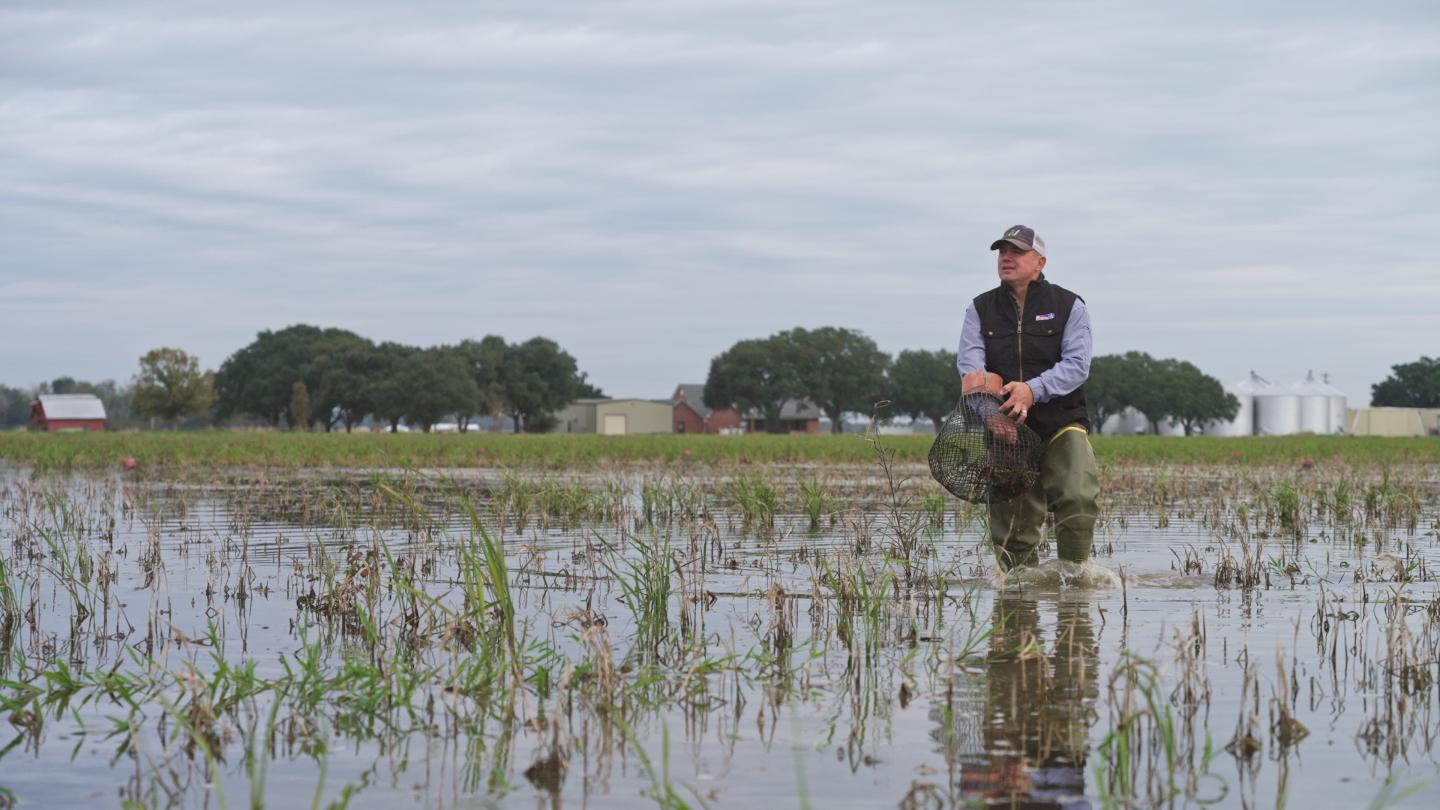
Frugé’s cheerful tone belied the pressures bearing down on him and farmers across the country.
Last year, the price of rice plummeted, rendering Frugé’s harvest worthless. Invasive insects and giant snails threaten his rice and crawfish, respectively, thanks to warming temperatures. The war in Iran has sent fuel and fertilizer costs soaring for farmers nationwide, while tariffs are shutting American crops out of international markets.
And that’s not even considering the increasingly destructive weather faced by farmers everywhere, worsening as the planet warms. Farmers and ranchers in Kansas, Oklahoma and Texas, for example, collectively suffered losses as high as $23 billion from a five-year-long drought, NOAA estimated, which also sparked the worst wildfires Texas and Louisiana farmers had ever seen. Projections show worsening heat waves and flooding will mean dropping farm yields in the American heartland.
In the face of so much they can’t control, farmers focus on what they can. And they’re turning to technology for help.
Environmental news that matters, straight to your inbox
New tech could brighten farming’s future
Today, American agriculture is poised for a new technology boom — and it’s the planet as much as farmers’ profits that stand to benefit. The only problem? Much of this technology is still very new, only being trialed — or out of farmers’ reach.
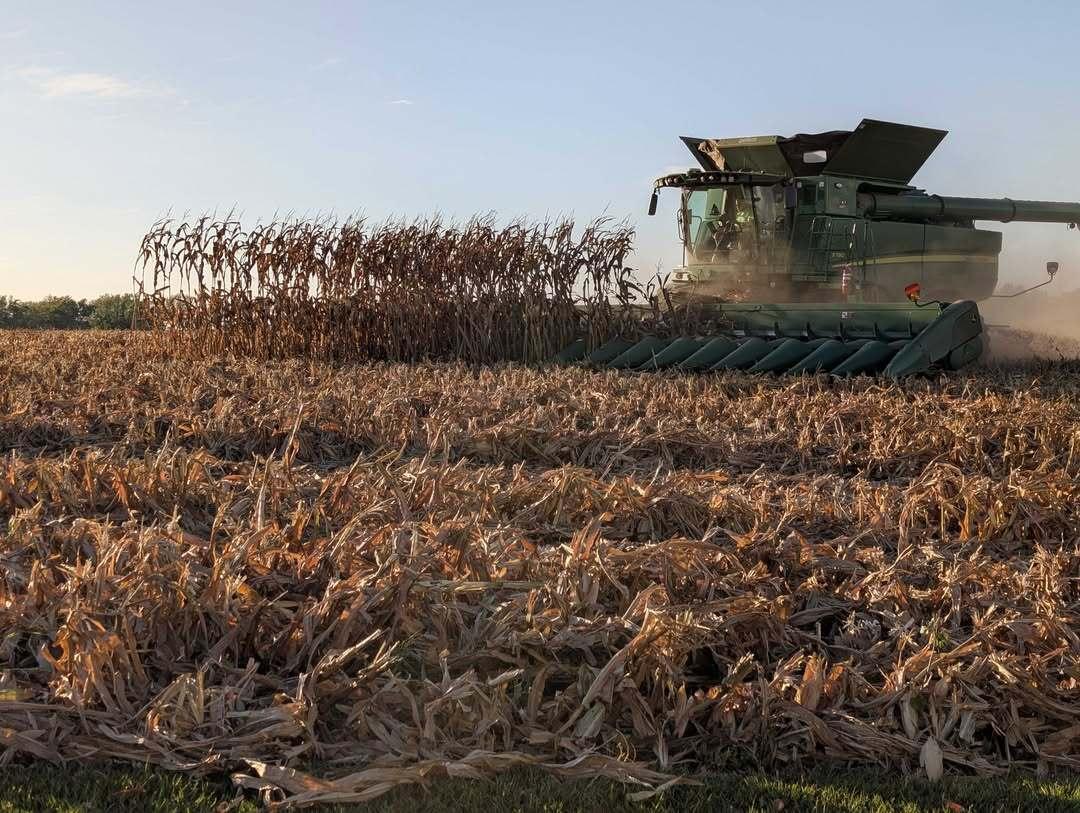
All this innovation needs more investment — both to fully evaluate the effectiveness of each new technology, and to make sure interested farmers can access it. But the promise is tantalizing.
That’s according to Environmental Defense Fund's recently published analysis of nearly 400 up-and-coming farm innovations. Ranging from start-ups in the pilot stage to technology that’s already for sale, the catalogue provides a glimpse into what could be the future of farming.
The list includes renewably powered, on‑farm reactors that crack air molecules into nitrogen for fertilizer — cutting costs and emissions by reducing reliance on synthetic fertilizers. Meanwhile, a line of bioinsecticides derived from spider venom targets destructive pests while sparing the bees and other helpful insects.
Robots that patrol farm fields identify weeds with AI before destroying them with lasers, reducing reliance on chemical herbicides. There’s a biological fertilizer made from chicken manure that has been cleaned of pathogens by the sturdy digestive tracts of black soldier fly larvae. This bio-fertilizer promises to restore beneficial microbes to worn-out soils, improving the farmland’s production. Solar-powered, internet-linked devices deliver rainfall, water uptake and irrigation data in real time, helping farmers conserve water and cut energy costs.
Technologies like these will be essential, experts say, to help boost farmers’ profits. They'll also reduce the pollution that is driving wilder weather and other challenges threatening farming. Agriculture is responsible for about 10% of U.S. climate pollution, and for most of the country’s emissions of methane and nitrous oxide — both of which warm the atmosphere many times faster than carbon dioxide.


The robot LaserWeeder burns out weeds with an AI targeted laser. (Carbon Robotics)
Early adopters of farm technology reap the rewards
Frugé is an eager and early adopter. His Louisiana farm is a highly engineered operation: New software and machinery measure, track and fine-tune every process to maximize efficiency — and sharply cut costs.
Frugé’s new tractor, for example, was guided by GIS software as it pulled a new 40‑foot seed drill over his rice fields this March. The cutting-edge machine positioned pin-straight rows of seeds at precise depths and spacing designed to grow the most rice on the least amount of land — and this new efficiency also shaved many hours off Frugé’s old planting time.
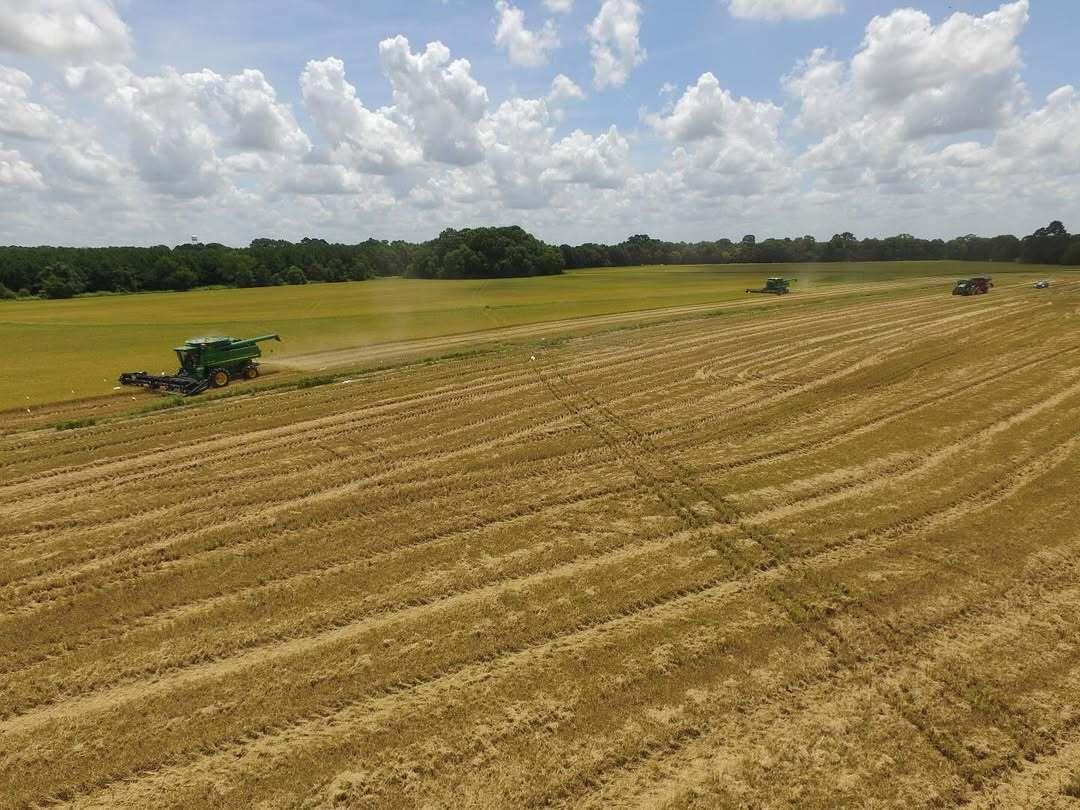
The benefits? Running his tractor far less has cut Frugé’s diesel expenses and emissions. Precision irrigation tools have lowered his energy costs along with the amount of water he pumps from his wells. While shrinking his costs and growing his profits, all this new tech is also improving the health of the land — so future generations can continue to farm it.
“Efficient use of resources is so important because we have to conserve the land,” Frugé said. “They’re not making any more of it.”
Yet this wave of innovation isn’t reaching most farmers. There’s simply not enough investment in testing and proving that these new technologies work, or in getting the tech into farmers’ hands who can use them, advocates say.
“There is real anxiety in the American heartland these days,” said Andrew Lentz, who leads EDF’s agricultural policy advocacy. “The technologies and practices that can help get farmers to financial stability and shrink their climate impact are increasingly out there — but many farmers can’t afford them, or don’t have enough information about their return on investment to make sure they pencil out.”
A path for the future of farming
Mitchell Hora knows this conundrum well. Conservation practices that protect soil, like no-till farming and planting cover crops, helped his family’s farm in southeast Iowa cut fertilizer and fuel costs.
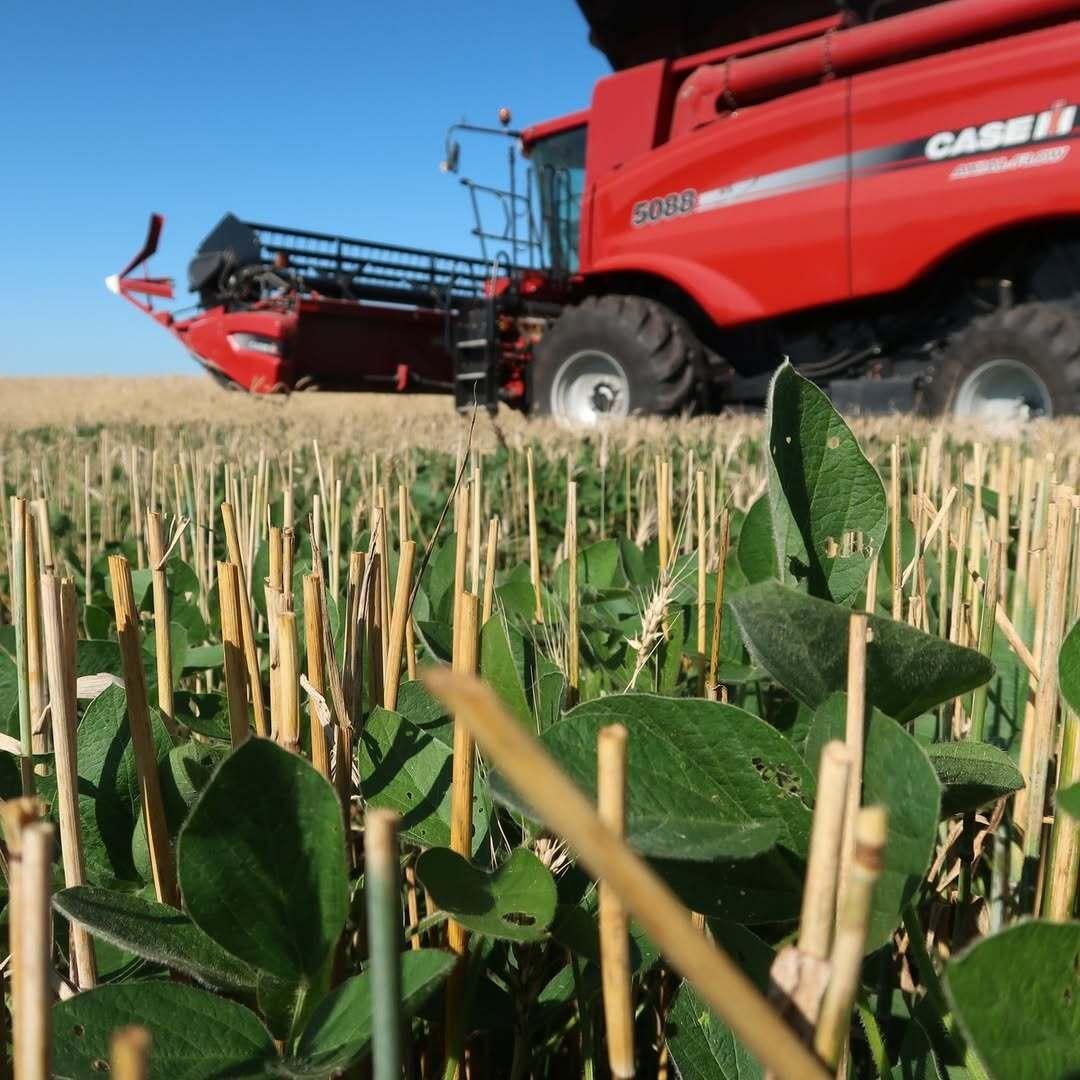
After seeing their profit margins dramatically improve, he founded his software start-up, Continuum Ag, whose tools help farmers use soil and field data to make the same transition — and see similar gains.
“Conservation practices are better than the traditional way of doing things,” Hora said. “The problem is the risk of change.”
Current government programs don’t adequately cover that risk, Hora observed. If the government offered more tax breaks and incentive programs that covered up-front costs and helped buffer against the risks of transitioning, more farmers would be able to participate.
There may be a path forward. “This year, Congress is required to pass a new farm bill,” explained Lentz. “A new farm bill is policymakers’ best opportunity to get promising technologies into the hands of farmers — and to spur more innovation.”
The future of America’s farmland — and the people who steward it — depends on nurturing this growing ag tech revolution, advocates say. Because at the end of the day, the health of the land and the health of a farm are inseparable.
“The future is the land,” Frugé said. “We have the most abundant food supply in the world that we could grow right here. We need to conserve it. We need to protect it.”