
At Mumbai Climate Week, solutions that can reach millions of people
Former Secretary of State Hillary Clinton was there. So was Sachin Tendulkar, the Indian cricket superstar, and Bollywood actress/UN Environment Goodwill Ambassador Dia Mirza. Titans of industry, corporate executives, state and national government officials and the mayor of Mumbai were also in attendance.
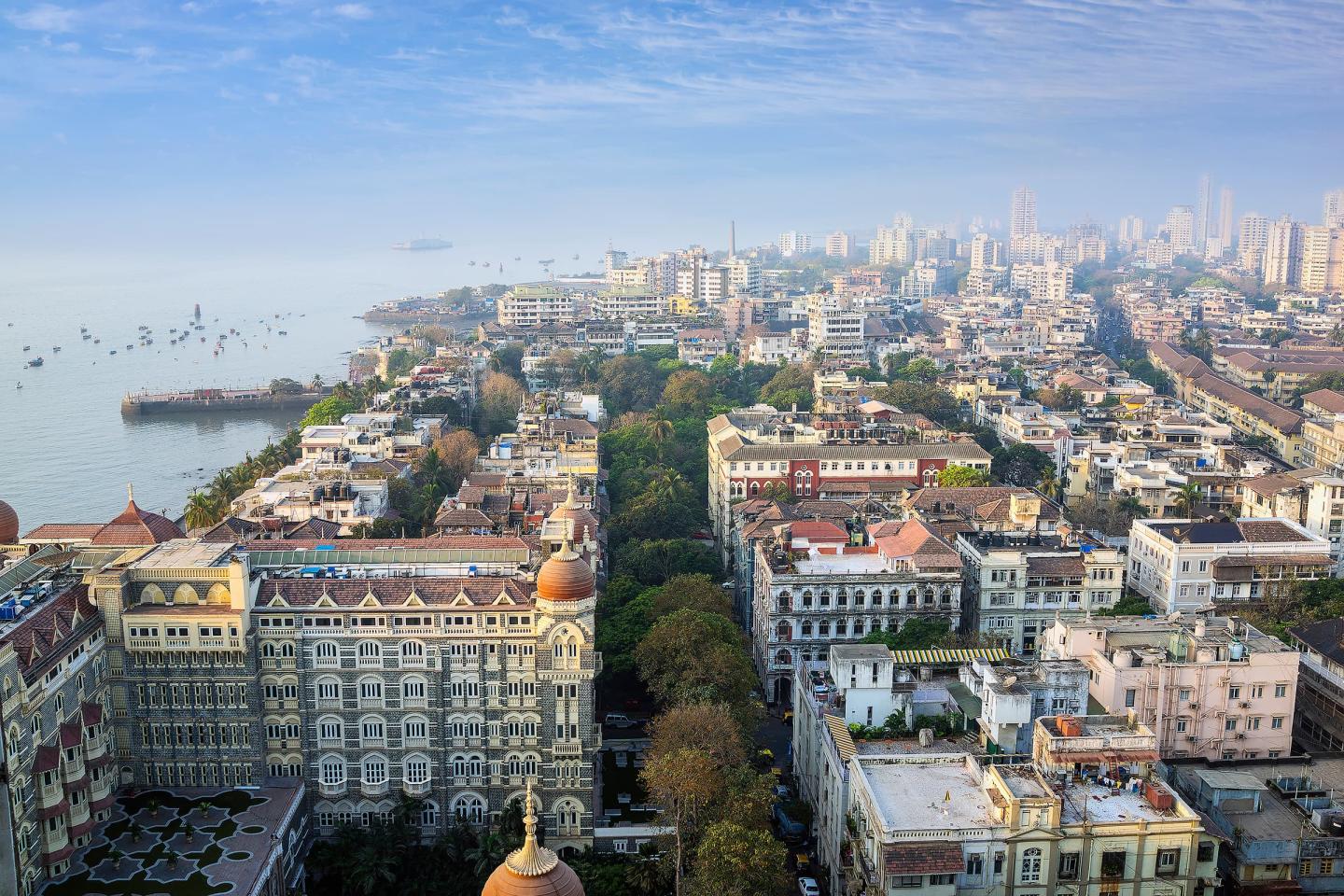
So was Indumathy, a farmer, who goes by just one name.
But she too participated in the first-ever Mumbai Climate Week. Over three days in February, some 2,500 people from 30 countries gathered in Mumbai, a coastal megacity of 22 million people, to discuss ways to make cities more resilient to extreme heat, how to transition to cleaner energy and how to ensure sustainable food supplies in the face of extreme weather and warmer oceans.
The event focused on solutions relevant to, and developed in, India, which could also help other nations in a similar situation — trying to grow their developing economies without huge increases in the climate pollution that is already putting huge swathes of their population at risk.
Mumbai’s Climate Week is first in India
Climate Weeks are multiday, multifaceted events that bring business, government and civil society together to accelerate action to reduce climate pollution. Since the first Climate Week in New York City in 2009, these gatherings have expanded across the United States and around the world, with more than 20 cities planning to host their own Climate Weeks this year.
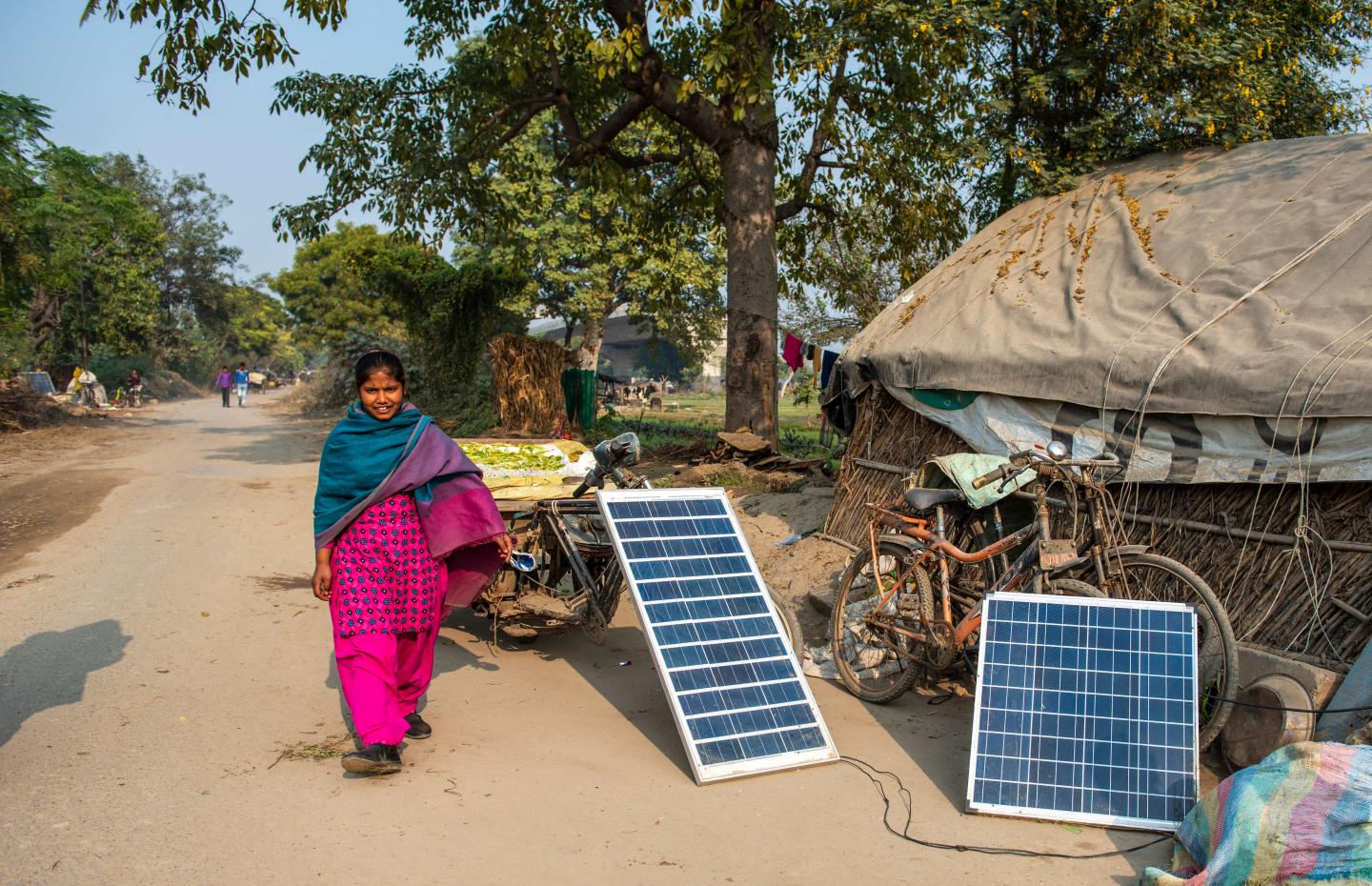
Mumbai Climate Week 2026 was the first major global climate event in India, a nation of 1.4 billion people that is currently, although not historically, the world’s third-largest source of greenhouse gas emissions. Hundreds of millions of people in India are seeking better transportation, more reliable electricity, improved ways to stay cool, and more sustainable incomes from farming and fishing in the face of unseasonable rains, rising oceans and other changes driven by climate pollution.
“By meeting its development needs with climate-smart solutions, India can build prosperity with less pollution,” says Hisham Mundol, lead India advisor for the global nonprofit Environmental Defense Fund.
Environmental news that matters, straight to your inbox
Successful climate solutions support communities
Many speakers highlighted local community empowerment as critical to the success of any solution. “Sustainability that does not work for people will neither scale nor sustain,” said EDF Executive Vice President Amanda Leland, speaking at a session about developing more sustainable food supplies from the ocean.
Fish provides about 70% of the protein in India and is an important source of protein for about 3 billion people worldwide, but many fisheries are declining in productivity, due in part to ocean warming caused by climate change.
EDF worked with Dr. S. Velvizhi and the M.S. Swaminathan Research Foundation, a science-based rural development organization, to bring low-cost, solar-powered fish driers to fishing communities in the state of Tamil Nadu. Women traditionally dry fish out in the open, where it is vulnerable to spoiling and contamination. The solar driers are more hygienic and efficient. With a higher quality product and less spoilage, women are able sell more dried fish and earn more income while also boosting food supplies for the community.
"Communities are not the end users,” said Dr. Velvizhi. “They're our partners."
Climate solutions can build prosperity
Climate-smart solutions that provide economic benefits are the kind most likely to take root and spread. And a solution that can spread to India’s 80 million small dairy farmers and their 300 million cattle could be a game-changer, both for rural economic development and for reducing climate pollution. Worldwide, livestock are a major source of climate-warming methane emissions.
Field research in India has shown that cattle fed a balanced, nutritious diet are more healthy and productive — and they produce fewer methane emissions, even as they produce more milk.
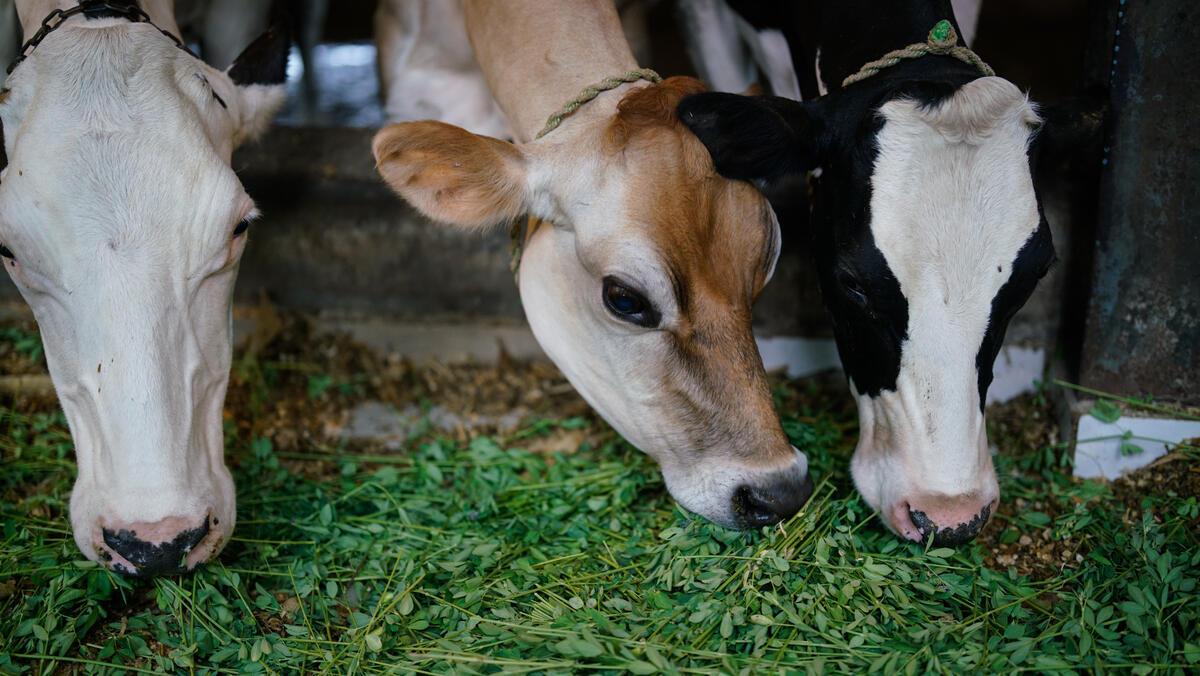
At another EDF-led session, small business owner Arun Venkatesh (speaking alongside his mother, who’s also his business partner and bookkeeper) pitched his fledgling climate-smart cattle-feed business to a roomful of scientists, financiers and development experts. Venkatesh trained at the Climate Smart Dairy Entrepreneurship Program launched by EDF and the Kumaraguru Institute.
Venkatesh sells nutritious cattle feed in small, ergonomic bags that women, who are typically responsible for feeding, can tote easily. By making this feed more accessible to women, Venkatesh’s business does more than meet a market need — it improves animal health and productivity. His customers have reported about 50% more milk production after switching to his feed. That translates to extra income and an easier working day for women.
“This is not just reduced drudgery. It is dignity,” says Venkatesh.
Overall, Mumbai Climate Week demonstrated the potential of India’s burgeoning climate movement to generate real solutions for developing economies.
“There’s a growing sense that those solutions are not going to be imported,” says Mundol. “They can be built here. And when you bring the entrepreneurs, the policymakers, investors, academia and civil society together, that’s when the best ideas can really start to take off.”