

Meet LaTricea Adams, champion of change
The founder of Young, Gifted & Green talks about her unexpected journey into environmental activism.
Vital Signs’ Champions of Change series features inspiring local activists working to create a better future for their communities.
In 2015, LaTricea Adams saw a headline that would change the direction of her life.
The former teacher and district administrator was working in Washington D.C. when she saw news that a water crisis was poisoning children in Flint, Michigan. Even though she lived several states away, she couldn’t stop thinking about the kids being harmed by their water.
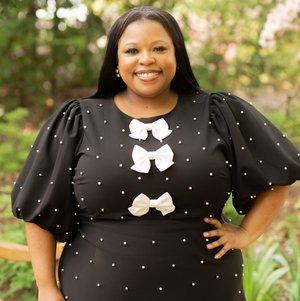
The more she found out about the crisis — that a “cost-saving” shift by the city had resulted in children being exposed to lead in their tap water — the more horrified she felt. Then she got mad.
Then she turned that anger into action.
“I went to Flint to help distribute clean, safe water,” Adams says. “I knocked on doors and people showed me lesions on their skin. I will never forget a mother who had miscarried twins. Her son was in first or second grade and had developmental delays because of lead exposure. I just kept thinking, I can’t believe this is America.”
In the decade since, Adams has helped to pass stronger laws limiting childhood exposure to lead in the U.S. Building on that success, she also began taking on other issues like air and water pollution, and training young people to be environmental advocates through a nonprofit organization she founded now called Young, Gifted & Green.
In this conversation, Adams talks about her unexpected journey into environmental work.
Going from teaching to environmental advocacy must have felt like a big change. What was that shift like?
I started in environmental activism after I went down a rabbit hole of research and learned how widespread lead poisoning actually is. I was in shock. I found out that the water pipes in my own hometown of Memphis are full of lead, and I had no idea.
I didn’t have any previous background in environmental justice, but I was young, tech-savvy and fired up that I could change things. The first thing I did was tap into my existing network. I organized a national call for anyone who wanted to join, and we named ourselves Black Millennials for Flint — that organization eventually evolved into Young, Gifted & Green.
Has your teaching background helped you as an advocate?
I always say I’m a teacher for life, so education is central to how we operate.
Whether it’s policymakers or middle school students, our goal is to translate the science of pollution into stories about human impact.
You’ve been very successful educating young people about environmental issues and injustices. What’s your secret?
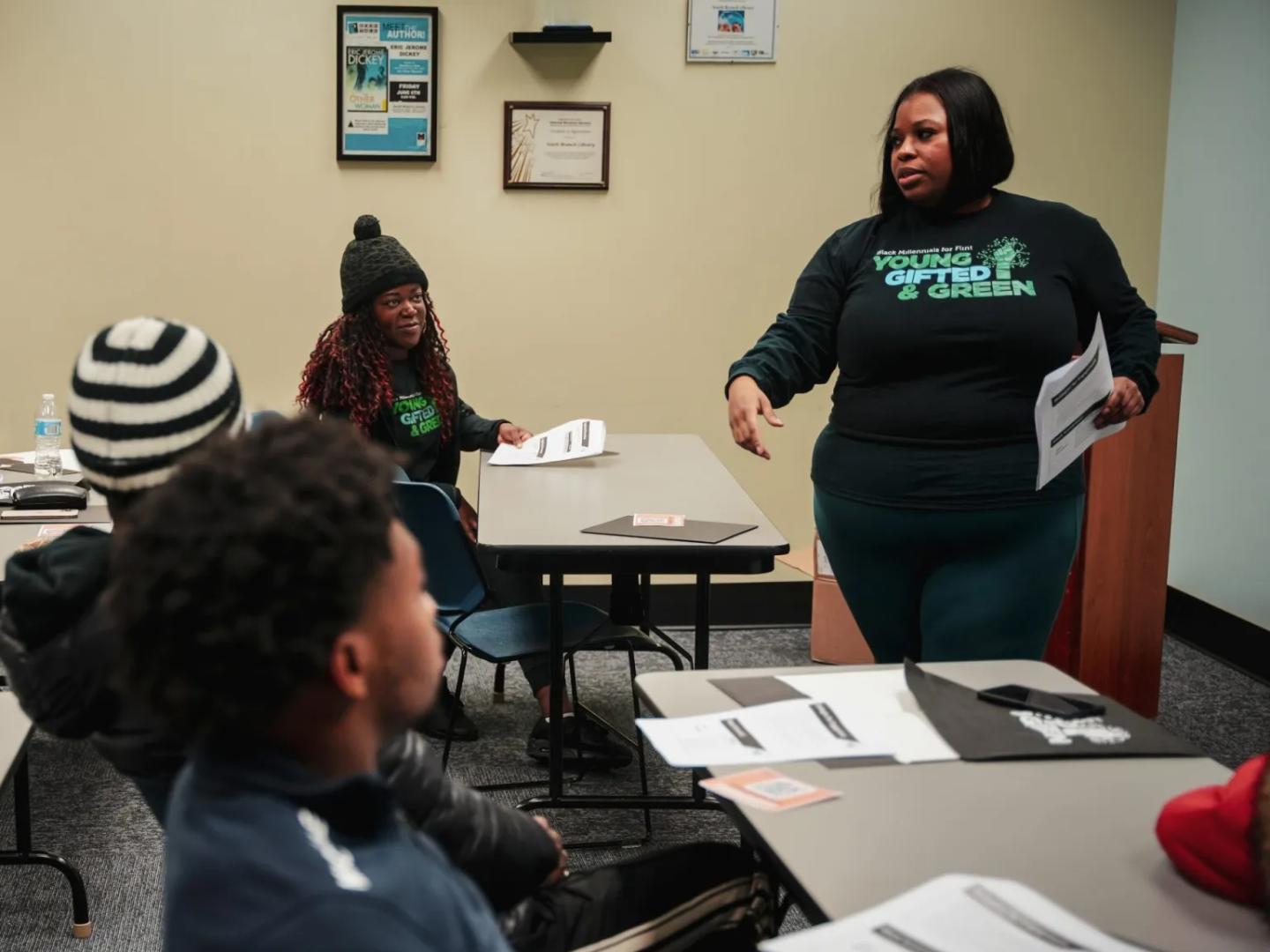
We have Youth Environmental Justice Councils. The first one was in Flint, then we started one in Memphis, and now we’re expanding into Baltimore and D.C. In these programs, our leaders work with schools to teach kids what pollutants are and how air and water quality impact their lives. Then we give them experiential learning.
For example, in Flint, we partnered with the Flint Public Health Youth Academy, and kids got the chance to work with a former EPA staffer who helped them learn how to build indoor air quality monitors. That kind of learning changes how they see themselves. They become more confident. It’s incredible. Because of this program, I’ve seen an 8th grader confidently explain what should be included in the [EPA’s] Lead and Copper Rule!
What advice do you have for young people who are upset about pollution or climate change, but feel powerless?
I didn’t wait for anyone to tap me on the shoulder. I just did something, and they can too. But also, if you’re going to be loud, be right. We’re in an era of misinformation. You have to back up what you say with credible, peer-reviewed science and research. And focus on the solutions. I always tell young people, “I hear what you’re angry about. Now tell me what you want.” What is the actual ask? What is the vision?
That’s how change happens.
What’s next for you and for Young, Gifted & Green?
Young, Gifted & Green will continue to focus on lead, but also any environmental injustice that shows up at someone’s doorstep. We’re community facing. People bring their problems to us, and if we can’t solve it in house, we connect them to someone who can. This work isn’t going anywhere, and neither am I.